Top Puerto Rico Eats: Old San Juan Picks
Old San Juan is a culinary treasure chest where centuries-old colonial architecture frames some of the Caribbean’s most electrifying dining experiences. Walking through these cobblestone streets, you’ll encounter restaurants that blend Puerto Rican tradition with contemporary innovation, each one telling a story through flavors that dance across your palate. The neighborhood’s vibrant food scene reflects the island’s rich cultural heritage, from Taíno indigenous influences to Spanish colonial legacies and African traditions that have created a uniquely Puerto Rican gastronomic identity.
This historic quarter isn’t just about sightseeing—it’s a destination for serious food lovers seeking authentic mofongo, perfectly charred pernil, and seafood so fresh it practically tastes of the Atlantic. Whether you’re craving traditional comfort food or innovative modern interpretations of classic dishes, Old San Juan delivers unforgettable culinary moments that capture the essence of Puerto Rican hospitality and flavor.
Legendary Mofongo Masters
Mofongo represents the soul of Puerto Rican cuisine, and Old San Juan harbors several establishments that have perfected this iconic dish over generations. The preparation is almost ceremonial—green plantains are peeled, fried until golden, then mashed together with garlic, pork cracklings, and olive oil in a traditional wooden pilón. The result is a savory, creamy mound with textural complexity that surprises first-time tasters.
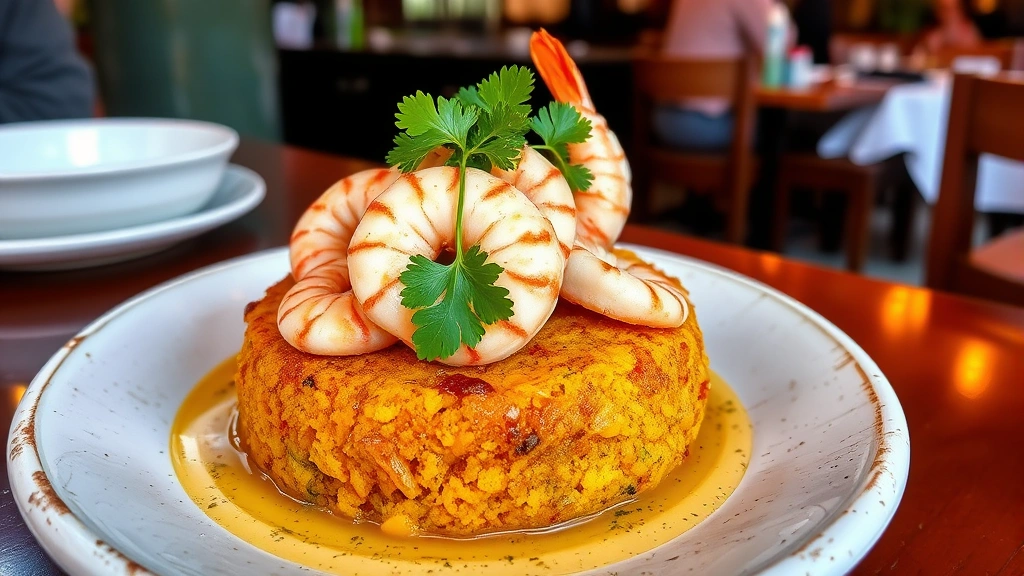
At El Jibarillo, the mofongo is a masterclass in balance. Each spoonful reveals layers of garlic-infused potato-like richness, complemented by tender chunks of seafood or perfectly seasoned chicken. The kitchen understands that mofongo isn’t merely a side dish—it’s a vehicle for flavor, a canvas upon which other ingredients paint their stories. The mofongo con camarones here features plump shrimp that have been quickly sautéed to preserve their delicate sweetness, creating a textural contrast against the creamy plantain base.
Another essential stop is Restaurante Mallorca, where traditional recipes passed down through family lines ensure authenticity. Their mofongo de carne (beef mofongo) uses tender, well-seasoned beef that melts into the plantain matrix. The kitchen uses a technique that many modern establishments overlook—they ensure the mofongo maintains warmth and structural integrity without becoming gluey or dense, a difficult balance requiring true expertise.
For those exploring locally owned restaurants near me, these mofongo specialists represent the authentic heart of Puerto Rican dining. The experience here transcends simple eating—it’s a cultural immersion into how Puerto Rican families have sustained themselves through centuries of history, adapting ingredients and techniques while maintaining unwavering commitment to flavor.
Seafood Excellence by the Harbor
Positioned along the harbor, Old San Juan’s seafood restaurants benefit from daily deliveries of the Caribbean’s finest catches. The waters surrounding Puerto Rico yield vibrant varieties of fish, shellfish, and crustaceans that chefs prepare with reverence for their natural flavors.
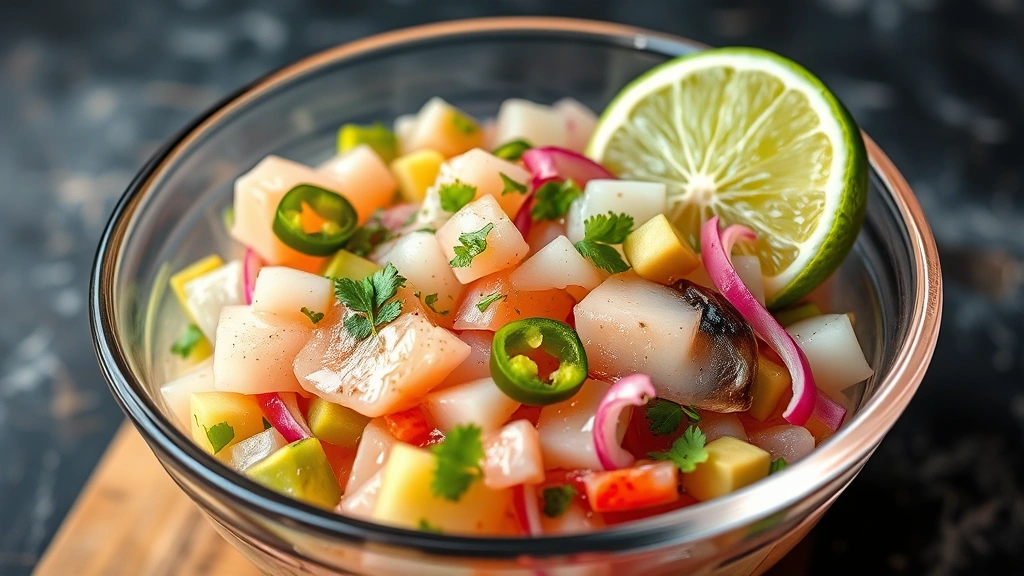
El Picoteo stands as a beacon for seafood lovers, offering an extensive tapas selection that showcases the diversity of Puerto Rican marine bounty. Their ceviche arrives in a pristine presentation—raw fish cured in lime juice until the proteins denature into a delicate, translucent texture. The citrus acid brightens the fish’s natural sweetness while jalapeños introduce a subtle heat that awakens your taste buds. Accompanying vegetables—red onion, cilantro, avocado—add freshness and complexity to each spoonful.
The mofongo de pulpo (octopus mofongo) here deserves special mention. The octopus is prepared with meticulous care, boiled until tender but not mushy, then sautéed briefly to develop subtle caramelization. When combined with the plantain base, it creates an interesting interplay between tender seafood and creamy starch, with garlic providing aromatic cohesion.
For diners seeking organic restaurants near me with sustainable seafood practices, many Old San Juan establishments work directly with local fishermen who employ sustainable methods. This commitment ensures not only superior flavor (fish caught daily tastes incomparably better than frozen alternatives) but also environmental responsibility.
Barrachina operates as both a restaurant and rum distillery, offering an integrated culinary experience. Their seafood preparations are straightforward yet elegant—grilled fish arrives with skin crisped to crackling texture, flesh underneath remaining moist and delicate. The kitchen respects the ingredient, adding only sea salt, citrus, and perhaps a drizzle of quality olive oil to let the seafood’s natural flavors dominate.
The conch salad here represents another highlight—tender conch meat is combined with fresh lime juice, creating a ceviche-style preparation that highlights the mollusk’s subtle briny sweetness. Compared to conch dishes found elsewhere in the Caribbean, the versions served in Old San Juan typically feature fresher ingredients and more refined execution, reflecting the neighborhood’s competitive culinary landscape.
Traditional Creole Comfort Food
Beyond mofongo, Puerto Rican Creole cuisine encompasses numerous dishes that have sustained the island’s population for centuries. These aren’t fancy preparations—they’re honest food rooted in resourcefulness, cultural fusion, and deep understanding of how flavors work together.
Sofrito appears as the foundation of countless Puerto Rican dishes. This aromatic base combines tomatoes, onions, garlic, cilantro, culantro, and peppers, creating a flavor compound that’s distinctly Puerto Rican. When you taste a properly made sofrito-based dish, you’re experiencing the accumulation of generations of culinary knowledge—the combination of ingredients works in harmony, each component supporting others while maintaining its own identity.
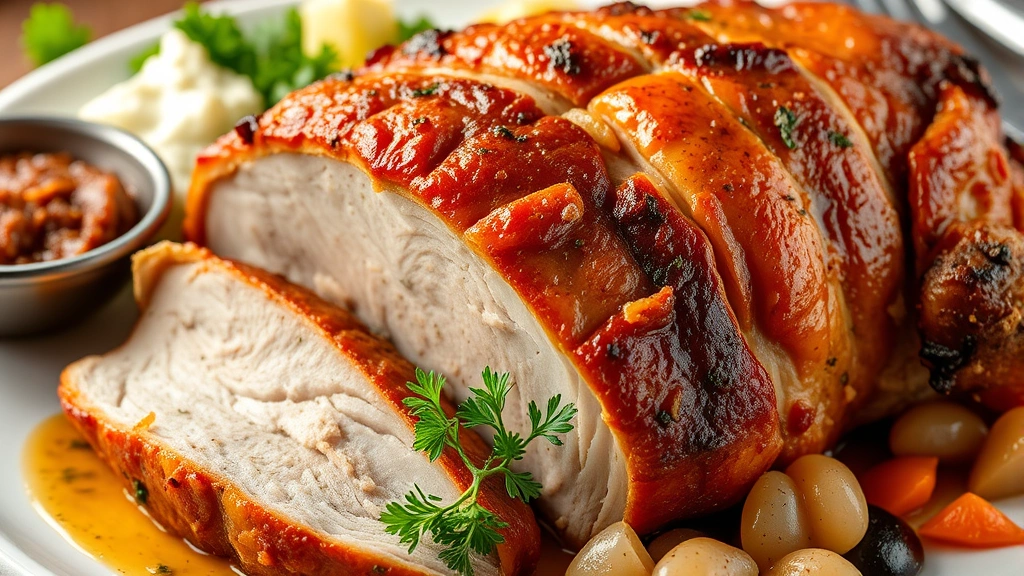
Pernil (roasted pork) represents another cornerstone of Puerto Rican dining. The skin is scored and seasoned with garlic, oregano, and salt, then slow-roasted until the exterior achieves crackling texture while the meat beneath becomes impossibly tender. At restaurants throughout Old San Juan, pernil appears in various preparations—as a main course, shredded into sandwiches, or incorporated into rice dishes. The meat’s richness is balanced by the crispy skin’s textural contrast and the herbaceous notes of the seasoning.
Alcapurrias are fried plantain and yautía (taro root) fritters filled with seasoned meat. When you bite into one, the exterior shatters into crispy fragments while the interior reveals a creamy, starchy base studded with savory meat. The contrast between temperatures and textures makes alcapurrias endlessly satisfying—they’re street food elevated to an art form.
Arroz con gandules (rice with pigeon peas) appears on virtually every traditional Puerto Rican menu. The pigeon peas contribute earthy, slightly nutty notes while the rice absorbs the sofrito-infused cooking liquid. Proper preparation requires patience—the rice must cook slowly, allowing each grain to absorb flavoring while maintaining individual integrity. Lesser versions result in mushy, homogeneous rice; the best versions showcase distinct grains coated with flavorful liquid, peas distributed throughout, and perhaps pieces of pork adding richness.
For those interested in healthy salad dressing recipes and lighter preparations, many modern Old San Juan restaurants are adapting traditional recipes with contemporary nutritional awareness. They maintain authentic flavors while reducing fat content and incorporating more vegetables, proving that tradition and wellness aren’t mutually exclusive.
Contemporary Caribbean Cuisine
While tradition forms the foundation of Old San Juan’s food scene, innovative chefs are creating modern interpretations that honor Puerto Rican heritage while embracing contemporary techniques and global influences.
Soleil exemplifies this approach, presenting dishes that maintain Puerto Rican identity while incorporating sophisticated plating and refined technique. Their deconstructed mofongo, for instance, layers components separately on the plate—crispy plantain chips, silky plantain purée, perfectly seared protein, and aromatic garlic oil. This presentation allows diners to experience individual elements while understanding how they combine into the whole, offering both intellectual and sensory engagement.
The kitchen here demonstrates understanding of flavor science, balancing sweet, salty, sour, and umami elements with precision. A dish might feature local fish with a citrus beurre blanc, accompanied by seasonal vegetables and a delicate plantain foam—modern technique applied to ingredients that have sustained Puerto Rican culture for centuries.
Another innovative space, Café Cutura, focuses on farm-to-table principles while celebrating Puerto Rican agricultural heritage. They work directly with local farmers, incorporating ingredients like breadfruit, ackee, and various tropical fruits that many modern restaurants overlook. A dish featuring local breadfruit might include crispy breadfruit chips, roasted breadfruit purée, and fresh seafood—the ingredient becomes multidimensional through varied preparation methods.
These contemporary establishments often feature BYOB restaurants near me policies or excellent wine programs that complement their sophisticated preparations. Wine pairings with Puerto Rican food require thoughtfulness—the cuisine’s vibrant flavors and complex spicing demand wines with sufficient character to match rather than be overwhelmed.
Hidden Gems and Local Favorites
Beyond the well-known establishments, Old San Juan harbors hidden gems where locals dine regularly, ensuring consistent quality and authentic preparation.
La Bombonera operates as a traditional bakery and breakfast spot where locals queue for fresh pasteles, pan de agua (water bread), and rich espresso. The pasteles—plantain and yautía dough wrapped around seasoned meat, then wrapped in banana leaves and boiled—represent comfort food at its most fundamental. Each bite delivers starchy richness complemented by savory filling, the banana leaf imparting subtle herbal notes.
El Vampiro del Barrio specializes in blood sausage (morcilla) and other traditional pork preparations. While adventurous eaters recognize morcilla’s potential, many approach it with trepidation. The reality is far more appealing than the concept—morcilla achieves a delicate, almost creamy texture from its pork and spice composition, with garlic and oregano providing aromatic character. Served with crusty bread and sharp pickled onions, it becomes a compelling dish that challenges and rewards adventurous palates.
For diners seeking gluten-free restaurants near me, many traditional Puerto Rican preparations naturally accommodate dietary restrictions. Rice-based dishes, plantain preparations, and seafood dishes can be adapted without compromising flavor, though you should communicate dietary needs clearly to restaurant staff.
Street food vendors throughout Old San Juan deserve attention as well. Vendors selling alcapurrias, empanadas, and various frituras (fried foods) often maintain standards rivaling established restaurants. The best vendors develop following because they maintain consistency, source quality ingredients, and execute techniques with precision. A properly made alcapurria from a street vendor might surpass versions from restaurants that have become complacent.
The experience of dining in Old San Juan transcends simply consuming food—it’s immersion into a culture that celebrates flavor, community, and the joy of sharing meals. Whether you’re exploring Nigerian restaurants near me or any global cuisine, Puerto Rican food offers lessons in how tradition and innovation coexist, how limited ingredients inspire creativity, and how respect for your source materials—whether seafood, plantains, or local herbs—elevates everything you create.
FAQ
What’s the best time to visit Puerto Rico restaurants in Old San Juan?
Dinner service typically runs 6 PM to 11 PM, though many establishments open for lunch around noon. Weekdays tend to be less crowded than weekends, allowing for more relaxed dining experiences. Arriving early or making reservations helps avoid wait times, particularly at popular establishments.
Are Puerto Rican restaurants in Old San Juan expensive?
Pricing varies considerably. Casual spots and street vendors offer affordable meals ($8-15), while mid-range restaurants charge $15-30 per entrée. Fine dining establishments may exceed $40 per plate. The neighborhood caters to tourists and locals alike, offering options across all budget ranges.
What should I know about Puerto Rican food allergies and dietary restrictions?
Many dishes contain seafood, pork, or tree nuts. Communicate allergies clearly to restaurant staff. Vegetarian options exist but may be limited at traditionally-focused establishments. Gluten-free modifications are increasingly available, though you should confirm preparation methods to ensure safety.
Is it necessary to speak Spanish to dine in Old San Juan?
Most established restaurants have English-speaking staff or English menus. Street vendors and smaller establishments may have limited English, but pointing and smiling transcend language barriers. Learning basic food-related Spanish terms enhances the experience.
What beverages pair well with Puerto Rican cuisine?
Local rum serves as the traditional pairing, whether in cocktails like piña coladas or mojitos, or neat. Local beers offer lighter alternatives. For non-alcoholic options, fresh fruit juices (mofongo, guanabana, passion fruit) complement meals beautifully. Wine pairings work well with more refined preparations, particularly white wines with seafood dishes.
How do I find authentic Puerto Rican restaurants versus tourist traps?
Seek establishments where locals dine, indicated by lack of laminated picture menus and staff speaking Spanish among themselves. Restaurants with family histories and consistent customer bases typically maintain higher standards. Reading recent local reviews (not just tourist-focused sites) provides valuable guidance.
What’s the significance of mofongo in Puerto Rican culture?
Mofongo represents Puerto Rican culinary identity, developed from African, Spanish, and Taíno influences. It’s comfort food, celebration food, and everyday sustenance—a dish that appears across all socioeconomic levels and occasions. Mastering mofongo preparation is considered a fundamental cooking skill in Puerto Rico.