Authentic Flavors? Puerto Vallarta Restaurant Review
Walking through the doors of Puerto Vallarta Mexican Restaurant, I was immediately transported by the intoxicating aroma of charred chilies, cilantro, and slow-roasted meats. The rustic wooden beams overhead and hand-painted Talavera tiles created an atmosphere that whispered promises of authentic culinary traditions. But in a world saturated with Mexican restaurants claiming authenticity, I needed to taste beyond the décor to determine whether this establishment genuinely delivers the complex, layered flavors that define true Mexican cuisine.
After spending an evening methodically working through their menu—from the first bite of handmade tortillas to the final spoonful of traditional flan—I discovered a restaurant that walks the delicate line between honoring heritage and adapting to contemporary palates. This review explores whether Puerto Vallarta lives up to its claims of authenticity or if it’s merely trading on aesthetics and nostalgia.
First Impressions and Ambiance
The moment you enter Puerto Vallarta, you’re enveloped in sensory authenticity. The dining room features exposed adobe-style walls, wrought-iron fixtures, and the gentle flicker of candles housed in colored glass holders. Spanish-language conversations drift from adjacent tables, and the kitchen’s sizzle punctuates the ambient mariachi music playing softly in the background. This is clearly a space designed to evoke the coastal charm of its namesake city on Mexico’s Pacific coast.
However, ambiance alone doesn’t guarantee authentic flavors. I’ve visited countless restaurants that prioritize visual spectacle over culinary substance. Puerto Vallarta’s design choices—while undeniably charming—could easily mask mediocre cooking. The real test would come with the first tastes.
The restaurant offers various seating options, including waterfront-style settings that capture the breezy essence of Puerto Vallarta’s coastline. They also provide private dining spaces for those seeking intimate gatherings, and an inviting bar area perfect for outdoor drinking experiences on warm evenings.

Appetizers: The Opening Act
Any serious evaluation of a Mexican restaurant must begin with the fundamentals: the salsa and the chips. These seemingly simple components reveal everything about a kitchen’s commitment to quality and technique.
Puerto Vallarta’s house salsa arrived in a traditional molcajete—a volcanic stone mortar—and immediately impressed with its vibrant texture. The salsa exhibited the hallmark characteristics of authentic preparation: visible chunks of tomato, jalapeño, and white onion, with cilantro providing herbal brightness. The heat built gradually, suggesting fresh chilies rather than dried powder, and the lime juice provided acidity without overwhelming the other elements. The tomato flavor sang with the ripeness of quality produce, not the muted tartness of canned alternatives.
The tortilla chips themselves deserved commendation. Rather than the thin, brittle variety common in chain establishments, these were hand-cut from fresh corn tortillas, fried to golden perfection with a slight char on the edges. They possessed a delicate crispness that yielded immediately to the bite, releasing the subtle sweetness of corn. This simple component suggested a kitchen that understood the importance of foundational elements.
Moving to the ceviche appetizer, I encountered a preparation that demonstrated sophisticated technique. The fish—a delicate white variety, likely halibut or snapper—had been precisely cut into uniform cubes and cured in fresh lime juice to the point where the exterior turned opaque while the interior remained barely set. The balance was crucial: overcure and the fish becomes rubbery; undercure and it tastes raw. Puerto Vallarta achieved the perfect equilibrium. The supporting cast of diced red onion, cilantro, jalapeño, and avocado created layers of flavor and texture, while a splash of Mexican crema and a light dusting of chile powder added richness and gentle heat.
The chile relleno appetizer presented poblano peppers stuffed with Oaxaca cheese, topped with a light tomato sauce and finished with crema. The pepper retained its subtle earthiness and slight char from roasting, while the cheese—properly melted but not greasy—provided creamy richness. The tomato sauce tasted like it had simmered for hours, with the tomatoes breaking down into a silky sauce rather than remaining as distinct chunks.
Main Courses and Signature Dishes
The real measure of Puerto Vallarta’s authenticity emerged in their main courses. I sampled several signature dishes, each revealing different aspects of the kitchen’s capabilities.
The carne asada arrived as a substantial portion of marinated beef, grilled over what I suspected was charcoal or mesquite. The meat possessed the deep, complex flavor that only comes from quality beef and proper charring—not the bland, uniform browning of gas-grilled alternatives. The marinade had penetrated deeply, infusing the meat with cumin, garlic, and citrus. The exterior featured a beautiful caramelized crust that yielded to a perfectly cooked interior, still maintaining a rosy center. Served with grilled onions and jalapeños, warm flour tortillas, and a trio of salsas, the dish allowed the beef to shine as the protagonist rather than playing a supporting role.
The chiles en nogada represented a more ambitious undertaking—a poblano pepper stuffed with a mixture of ground meat, dried fruits, and nuts, covered with a walnut-based cream sauce and finished with pomegranate seeds and parsley. This dish, traditionally associated with Mexican Independence Day, requires tremendous skill to execute properly. The sauce must achieve a delicate balance of richness without cloying heaviness, the filling must blend sweet and savory elements harmoniously, and the pepper must retain its structural integrity while being fully cooked. Puerto Vallarta succeeded on all fronts. The nogada sauce possessed the subtle earthiness of walnuts without tasting grainy, the filling’s sweetness from the dried fruits complemented rather than competed with the savory meat, and the pepper itself retained its characteristic mild heat and slight smoky undertone.
The mole negro presentation deserved special mention. This complex sauce, which can require dozens of ingredients and hours of preparation, arrived with chicken that had been poached until tender. The mole itself displayed the deep brown color and slightly bitter undertone characteristic of authentic preparations. Tasting it revealed layers: the earthiness of mulato and pasilla chilies, the warmth of cinnamon and clove, hints of chocolate providing subtle sweetness and body, the nuttiness of ground almonds, and a complexity that suggested careful balance rather than one ingredient overpowering the others. This wasn’t a simplified or Americanized version; this was a mole that demanded your attention and rewarded careful tasting.
Seafood Selection
Given Puerto Vallarta’s coastal heritage, I paid particular attention to the seafood offerings. The kitchen’s commitment to quality seafood preparation became immediately evident.
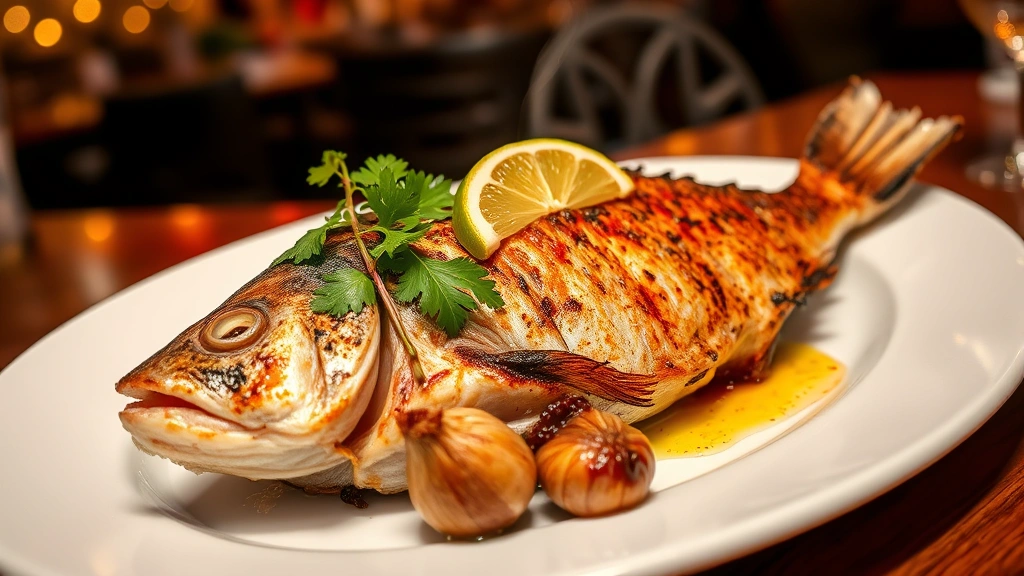
The huachinango (red snapper) arrived whole, grilled simply with olive oil, garlic, and lime. The fish’s delicate flesh flaked effortlessly from the bones, and the subtle briny sweetness of the seafood came through clearly. The skin, when present, had been crisped to a golden-brown shell that provided pleasant textural contrast. This dish exemplifies how truly fresh, quality seafood requires minimal preparation to shine. The kitchen clearly understood this principle, resisting the urge to mask the fish with heavy sauces or excessive seasoning.
The camarones a la diabla featured large shrimp cooked in a spicy chile sauce. The shrimp themselves were perfectly cooked—still tender and maintaining their natural sweetness rather than becoming rubbery or fishy. The sauce delivered genuine heat from dried chilies, building on the palate without becoming merely incendiary. The balance between heat and flavor suggested a chef who understood that spice should enhance rather than obliterate other tastes. For guidance on seafood preparation techniques, the restaurant’s approach aligns with principles discussed in resources on simple seafood recipes for every home cook.
Sauces and Salsas: The Soul of the Kitchen
Mexican cuisine lives and dies by its sauces and salsas. These aren’t mere condiments; they’re the soul of the culinary tradition. Puerto Vallarta’s approach to these fundamental elements revealed a kitchen that takes its heritage seriously.
Beyond the house salsa, the restaurant offered several variations. A salsa verde featured fresh tomatillos, cilantro, and serrano chilies, ground together in a molcajete to create a textured preparation rather than a smooth purée. The brightness of the tomatillos and cilantro provided a counterpoint to the heat of the serranos, and the sauce possessed enough body to coat the palate without becoming heavy.
A salsa roja made from dried chilies displayed deep, complex flavors. The chilies had been properly rehydrated and ground, creating a sauce with body and depth. The heat built gradually, and the underlying chile flavor—smoky, slightly sweet, with earthy undertones—came through clearly.
A pico de gallo, served as a separate condiment, featured precisely diced tomatoes, onions, cilantro, and jalapeños. The knife work was evident in the uniform sizing, suggesting careful attention to detail. The flavors hadn’t begun to meld and blur; each component maintained its distinct character while contributing to the whole.
Beverages and Drink Program
A comprehensive beverage program can elevate a dining experience significantly. Puerto Vallarta’s approach demonstrated thoughtfulness in this area.
The margarita—arguably the most famous Mexican cocktail—was executed with restraint and quality ingredients. Rather than the oversweetened frozen drinks that plague many establishments, Puerto Vallarta offered a classic preparation: premium tequila, fresh lime juice, and Cointreau, served up in a glass with a salt rim. The lime juice’s acidity balanced the tequila’s agave-forward character, and the Cointreau added subtle orange notes without introducing cloying sweetness. The drink tasted like tequila and citrus, not like a sugary frozen slush.
The beverage menu also featured several traditional Mexican options: agua fresca (refreshing fruit-based drinks), Mexican hot chocolate prepared traditionally with cinnamon and a touch of chili, and an excellent selection of Mexican beers and spirits. For those seeking alcoholic options, the margaritas and tequila selection proved particularly impressive, while the non-alcoholic options provided equally thoughtful alternatives.
Service and Hospitality
Authentic cuisine requires authentic hospitality. The service staff at Puerto Vallarta demonstrated genuine knowledge of the menu and Mexican culinary traditions. They could articulate the difference between various chile varieties, explain the regional origins of specific dishes, and make informed recommendations based on preferences and spice tolerance.
The pace of service moved smoothly—not rushed, but not sluggish either. Dishes arrived at appropriate intervals, allowing time for conversation and digestion between courses. Staff members remained attentive without hovering, appearing when needed and disappearing when their presence wasn’t required. Water glasses were refilled proactively, and the overall atmosphere conveyed genuine hospitality rather than transactional service.
Final Verdict
After a thorough evaluation of Puerto Vallarta Mexican Restaurant, I can confidently state that the establishment delivers on its promise of authentic flavors. This isn’t a restaurant that trades solely on aesthetics or nostalgia; the food itself demonstrates a kitchen committed to honoring Mexican culinary traditions while executing techniques with precision and care.
The fundamentals—salsa, chips, tortillas—are handled with respect. The complex dishes—mole, chiles en nogada, carne asada—showcase skill and understanding. The seafood preparations honor the ingredient’s natural qualities rather than masking them. The sauces and salsas reveal layers of flavor that suggest proper technique and quality ingredients.
For those seeking authentic Mexican cuisine, Puerto Vallarta represents a genuine experience. It stands apart from the casual chains and Americanized establishments that populate many dining scenes. While it may be worth exploring best Italian restaurants near me for variety, Puerto Vallarta deserves a dedicated visit for its Mexican excellence.
The restaurant successfully bridges the gap between honoring tradition and acknowledging contemporary dining expectations. It’s neither a museum piece frozen in time nor a trendy reinterpretation that abandons its roots. Instead, it represents authentic Mexican cooking executed by a kitchen that clearly understands both the techniques and the philosophy behind the cuisine.
Whether you’re a Mexican food enthusiast seeking genuine flavors or a casual diner curious about exploring the cuisine more deeply, Puerto Vallarta delivers. The question posed by the review’s title—”Authentic Flavors?”—can be answered with a resounding yes. This is where you’ll find the real thing.
FAQ
What makes Puerto Vallarta’s salsa authentic?
The house salsa is prepared in a traditional molcajete using fresh, quality ingredients rather than processed components. The visible texture of hand-ground tomatoes, chilies, and cilantro, combined with fresh lime juice, demonstrates commitment to traditional preparation methods rather than modern shortcuts.
Are the portion sizes generous?
Yes, Puerto Vallarta offers substantial portions that reflect traditional Mexican dining customs. Main courses arrive with adequate supporting elements—warm tortillas, grilled vegetables, and multiple salsa options—making the meals quite filling.
Does the restaurant accommodate dietary restrictions?
The staff demonstrated knowledge about ingredient lists and preparation methods. They could identify vegetarian options and discuss modifications for various dietary needs. It’s recommended to inform your server about any restrictions when ordering.
What’s the price range?
Puerto Vallarta sits in the mid-to-upper range for Mexican restaurants, reflecting the quality of ingredients and the skill demonstrated in preparation. Entrees typically range from $18-$32, with appetizers from $8-$14.
Is reservation recommended?
Yes, particularly for weekend dining. The restaurant maintains strong popularity, and peak hours can result in wait times. Reservations ensure prompt seating and allow the kitchen to prepare appropriately for expected volume.
What’s the best dish to order for first-time visitors?
The carne asada represents an excellent introduction to the restaurant’s quality level. It’s relatively straightforward, allowing the kitchen’s skill with fire and seasoning to shine without the complexity of elaborate sauces. Pair it with the house salsa and fresh tortillas for a complete experience of the fundamentals.