What’s Authentic in Restaurant China Menus? Chef Insights
Walking into a Chinese restaurant and scanning the menu often feels like navigating two distinct culinary worlds. On one side, you’ll find dishes that echo the street stalls and home kitchens of Beijing, Shanghai, or Sichuan. On the other, dishes engineered for Western palates—dishes that may never grace a table in China itself. Understanding which items on your restaurant China menu represent genuine culinary traditions and which are adaptations for local markets is the key to unlocking authentic flavors and appreciating the artistry behind each plate.
Professional chefs working in Chinese restaurants across North America reveal a fascinating tension between authenticity and accessibility. Many dishes we consider “Chinese food” are actually Chinese-American innovations born from immigration, resourcefulness, and cultural fusion. Yet within these establishments, chefs often preserve genuine recipes alongside crowd-pleasers, creating menus that honor both heritage and business realities. By learning to read between the lines of a restaurant China menu, you’ll discover how to identify truly authentic offerings and understand the culinary reasoning behind seemingly Westernized preparations.
Defining Authenticity in Chinese Cuisine
Authenticity in Chinese cooking is more nuanced than simply “made in China.” Chinese culinary traditions span thousands of years across vast geographical regions, each with distinct flavor profiles, cooking techniques, and ingredient preferences. When chefs discuss authentic Chinese cuisine, they’re often referring to dishes that follow traditional recipes, honor regional cooking methods, and use ingredients that reflect the original dish’s cultural context.
However, authenticity isn’t static. Chinese cuisine itself has always evolved through trade routes, seasonal availability, and cultural exchange. What constitutes “authentic” Cantonese cooking in Hong Kong today reflects centuries of adaptation and innovation. The key distinction lies between dishes that maintain the essential character and flavor logic of their origins versus those that fundamentally transform them to suit different markets.
Professional chefs emphasize that a dish can be both adapted and authentic. A Sichuan mapo tofu served in San Francisco may use locally-sourced silken tofu and substitute certain spices, yet if it maintains the numbing heat of Sichuan peppercorns, the fermented bean paste foundation, and the wok-cooking technique, it preserves the dish’s authentic identity. The distinction matters because it affects your dining experience and what flavors you should expect.
Regional Chinese Cuisines on American Menus
The most common mistake diners make is treating “Chinese food” as monolithic. In reality, major regional cuisines—Cantonese, Sichuan, Hunan, Fujian, and Shanghai—each possess distinct characteristics that should appear on authentic restaurant China menus.
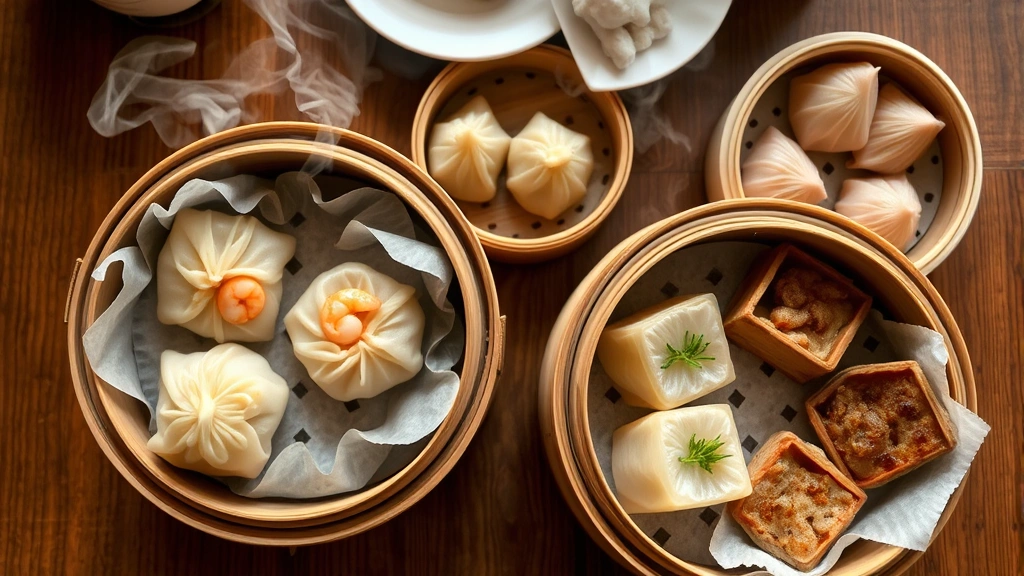
Cantonese Cuisine emphasizes subtle flavors, fresh ingredients, and minimal seasoning. Authentic Cantonese cooking showcases ingredient quality rather than masking it with heavy sauces. Dim sum, steamed fish with ginger and scallions, and stir-fried vegetables with oyster sauce represent genuine Cantonese offerings. If a Cantonese restaurant drowns everything in thick brown sauces, authenticity is questionable.
Sichuan Cuisine builds complexity through layered heat and numbing sensations from Sichuan peppercorns (málà flavor). Authentic Sichuan dishes include mapo tofu, chongqing chicken, and dan dan noodles—all featuring this signature peppercorn-chili combination. Many American restaurants offer watered-down versions without the numbing element, missing the essential character entirely.
Hunan Cuisine rivals Sichuan for heat but emphasizes chili peppers over numbing spices, creating sharper, more straightforward spiciness. Authentic Hunan dishes feature preserved vegetables, cured meats, and intense chili presence. Dishes like Hunan beef showcase this region’s preference for bold, direct flavors.
Shanghai Cuisine tends toward sweetness compared to other regions, using soy sauce and sugar to create rich, glossy sauces. Authentic Shanghai dishes include soup dumplings (xiaolongbao), braised pork belly, and noodle soups with complex broths. The sweetness isn’t a flaw—it’s essential to Shanghai’s identity.
Fujian Cuisine emphasizes seafood and broth-based dishes, reflecting its coastal location. Authentic Fujian cooking features complex, layered broths and delicate seafood preparations. This cuisine appears less frequently on American menus but deserves exploration.
What Professional Chefs Say About Menu Authenticity
Leading chefs working in Chinese restaurants share consistent insights about balancing authenticity with business viability. According to culinary professionals affiliated with the International Association of Culinary Professionals, the challenge isn’t about deceiving diners—it’s about creating menus that serve diverse skill levels and palate preferences.
Chef Martin Yan, a renowned authority on Chinese cooking, emphasizes that restaurants must understand their audience. A neighborhood Chinese restaurant serving multi-generational families needs approachable dishes alongside authentic offerings. This explains why you’ll find both genuine kung pao chicken and Americanized “orange chicken” on the same menu.
Chefs reveal that the American Culinary Federation recognizes adaptation as a legitimate culinary practice when done consciously and transparently. The problem arises when restaurants misrepresent dishes as authentic when they’ve fundamentally altered them for mass appeal.
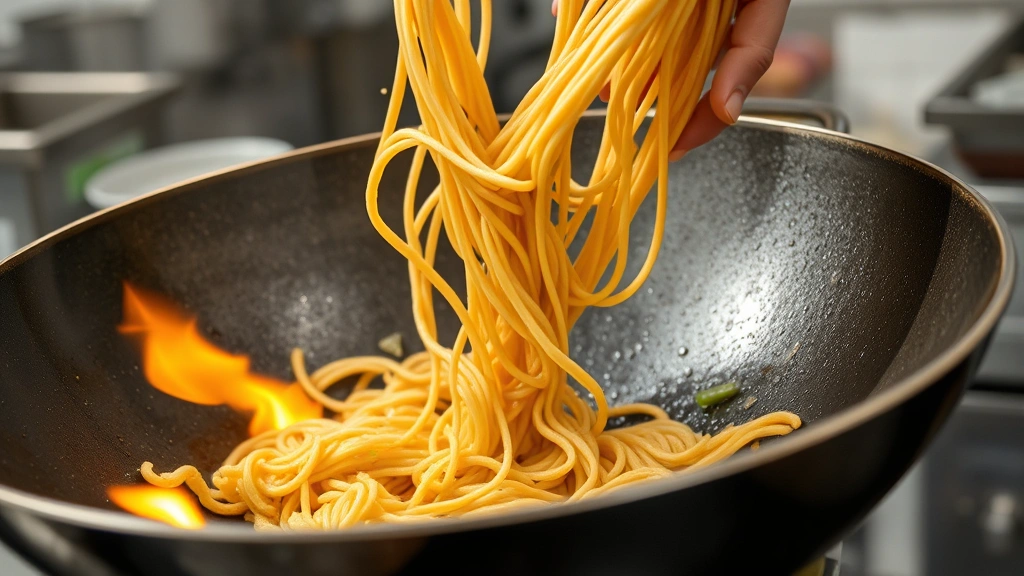
Many chefs actively educate customers through menu descriptions. Look for detailed explanations of cooking methods, ingredient origins, and regional backgrounds. A restaurant China menu that describes “hand-pulled noodles” or “clay pot cooked” or “wok-tossed” is signaling attention to traditional technique. Menus using vague descriptions like “chicken with sauce” suggest less culinary intentionality.
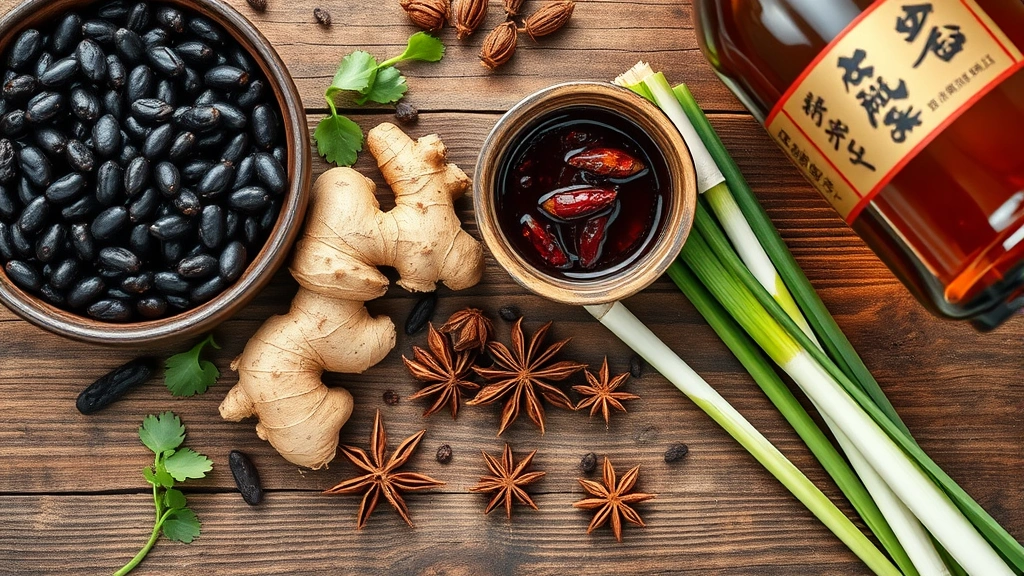
Professional chefs also emphasize the importance of ingredient quality in authenticity. Authentic Chinese cooking relies on specific ingredients—Shaoxing wine, doubanjiang (fermented bean paste), preserved black beans, and fresh ginger. Restaurants sourcing these ingredients from reputable Asian suppliers demonstrate commitment to authenticity. Those relying on generic substitutes compromise flavor integrity.
How to Identify Authentic Dishes on a Restaurant China Menu
Developing skills to identify authentic items transforms your restaurant China menu navigation. Several indicators suggest genuine culinary practices:
- Specificity in naming: Authentic dishes include regional or preparation-method descriptors. “Mapo tofu” specifies the dish and its origin. “Spicy tofu” is vague and potentially Americanized.
- Ingredient transparency: Menus listing specific aromatics, proteins, and sauces indicate thoughtful preparation. “Chicken with ginger, scallions, and Shaoxing wine” suggests traditional cooking.
- Cooking technique descriptions: References to wok-tossing, steaming, braising, or clay pot cooking indicate traditional methods. These techniques matter because they create specific textures and flavor development.
- Heat level honesty: Authentic Sichuan and Hunan restaurants don’t shy from describing dishes as intensely spicy. They offer numbing or chili-forward preparations without apology.
- Seasonal mentions: Traditional Chinese cooking emphasizes seasonality. Menus noting “seasonal vegetables” or “fresh spring bamboo shoots” reflect authentic practice.
- Price points: Authentic Chinese cuisine using quality ingredients and skilled labor commands higher prices than mass-produced Americanized dishes. Suspiciously low prices often correlate with corner-cutting.
- Chef’s specials: Many chefs feature dishes representing their personal expertise or family recipes. These often showcase authentic preparations not available on standard menus.
When examining a restaurant China menu, cross-reference unfamiliar dishes with online resources or ask servers about preparation methods. Genuine restaurants welcome questions about authenticity and cooking techniques. Staff who can’t articulate how a dish is prepared or what makes it special may indicate less rigorous culinary standards.
The Evolution of Fusion and Adaptation in Chinese-American Cuisine
Understanding the history of Chinese-American cuisine adds context to modern restaurant China menus. Chinese immigrants arriving in 19th-century North America adapted their cooking to available ingredients and local preferences. This wasn’t deception—it was survival and cultural expression within new constraints. Chop suey, fried rice, and sweet and sour preparations emerged from this adaptive process.
These dishes now represent their own culinary tradition, distinct from contemporary Chinese cuisine. A well-made chop suey or fried rice demonstrates skill and flavor balance, even if it’s not authentically Chinese. The error occurs when restaurants present these adaptations as “authentic Chinese” rather than acknowledging their hybrid nature.
Modern chefs increasingly embrace this history transparently. Some culinary educators celebrate Chinese-American cuisine as a legitimate culinary tradition worthy of respect. When you visit a restaurant in Palm Springs or elsewhere, you may encounter menus acknowledging this fusion heritage, which represents honest culinary storytelling.
Contemporary fusion cooking pushes boundaries further, combining Chinese techniques with non-Chinese ingredients and global flavor profiles. This differs from adaptation because it intentionally creates something new rather than recreating traditional dishes with available substitutes. Authentic fusion restaurants clearly signal their innovative approach rather than claiming tradition.
Ingredient Sourcing and Its Impact on Authenticity
The quality and sourcing of ingredients dramatically affects whether a restaurant China menu delivers authentic flavors. Certain ingredients are non-negotiable for specific dishes:
Sichuan Peppercorns: These create the signature málà (numbing-spicy) sensation essential to Sichuan cuisine. Restaurants using genuine Sichuan peppercorns demonstrate commitment to authenticity. Substituting with regular black pepper fundamentally changes the dish’s character.
Fermented Bean Pastes: Doubanjiang (spicy bean paste) and other fermented pastes provide umami depth and complexity. Quality matters tremendously—artisanal pastes from reputable Asian suppliers deliver superior results compared to mass-produced alternatives.
Soy Sauce Varieties: Chinese cooking uses different soy sauce styles for different purposes. Light soy sauce, dark soy sauce, and mushroom soy sauce each serve specific functions. Restaurants using only one generic soy sauce miss flavor nuances.
Shaoxing Wine: This rice wine adds depth and complexity to braised dishes and stir-fries. Authentic versions come from Shaoxing, China, though quality versions are produced elsewhere. The cooking process should use genuine versions, not generic “cooking wine.”
Fresh Aromatics: Ginger, garlic, and scallions should be fresh and abundant. Authentic Chinese cooking uses generous quantities of these ingredients. If a restaurant skimps on aromatics, flavor suffers.
Seafood and Proteins: Authentic restaurants source quality proteins. Fresh fish for Cantonese steamed preparations, proper cuts of beef for Sichuan dishes, and whole chickens for broth-based preparations indicate quality consciousness.
When visiting family restaurants or casual dining establishments, inquire about ingredient sourcing. Restaurants that can discuss their suppliers with confidence likely maintain higher authenticity standards. Those unable to answer such questions may rely on convenience ingredients over quality.
FAQ
What’s the difference between Americanized Chinese food and authentic Chinese cuisine?
Americanized Chinese food adapts traditional recipes to Western ingredients, cooking equipment, and taste preferences. Dishes like chop suey and orange chicken originated in North America and don’t exist in traditional Chinese cuisine. Authentic Chinese cuisine follows regional recipes, honors traditional cooking methods, and maintains the essential flavor logic of the original dishes. Both can be delicious and skillfully prepared—the distinction is about honesty in labeling and understanding what you’re eating.
How do I know if a restaurant’s China menu is authentic?
Look for specific regional descriptions, detailed ingredient lists, and cooking technique mentions. Check if servers can explain how dishes are prepared. Research the chef’s background—training in China or from Chinese culinary families suggests authenticity. Read online reviews mentioning authentic flavors. Visit during lunch service when restaurants often serve more traditional preparations for local Chinese customers. Ask directly about which dishes represent the chef’s specialty or family recipes.
Are adapted dishes less valuable than authentic ones?
No. Skillfully executed adaptations represent legitimate culinary achievement. Chinese-American cuisine has become its own tradition with cultural significance. The value lies in honest representation—clearly indicating whether a dish is traditional or adapted. A well-made American-Chinese fried rice demonstrates technique and flavor balance, even if it’s not authentically Chinese. Problems arise only when restaurants misrepresent adaptations as authentic.
What regional Chinese cuisine should I explore first?
Start with Cantonese if you prefer subtle, ingredient-focused flavors. Try Sichuan if you enjoy complex heat and numbing sensations. Explore Hunan for straightforward, intense spiciness. Sample Shanghai for richer, sweeter preparations. Fujian offers excellent seafood options. Each region offers distinct flavor experiences. Many date night restaurants and upscale establishments specialize in specific regions, allowing deep exploration.
Why do restaurants offer both authentic and Americanized dishes?
Market realities dictate menu composition. Not all customers seek authentic Chinese flavors—some prefer familiar, milder preparations. Skilled chefs balance business viability with culinary integrity by offering dishes serving different preferences. This allows restaurants to attract diverse clientele while maintaining authentic options for adventurous diners. It’s a pragmatic approach rather than deception, especially when menus clearly differentiate between preparations.
How should I order from a China menu to get authentic flavors?
Ask servers which dishes the chef recommends or specializes in. Order regional specialties rather than generic items. Request spice levels honestly—don’t ask for less heat if authenticity requires it. Try signature dishes or chef’s specials. Order multiple dishes to share, experiencing variety. Visit during lunch when restaurants often serve traditional preparations. Check food blogs and restaurant reviews for recommendations on authentic standouts at specific establishments.
Can restaurants be authentic without using traditional cooking equipment?
Modern kitchens rarely feature traditional woks or clay pots, yet skilled chefs create authentic flavors using contemporary equipment. The technique matters more than the tool. However, certain preparations genuinely benefit from traditional equipment—clay pot cooking creates specific textures and flavors difficult to replicate otherwise. Restaurants investing in traditional equipment signal commitment to authenticity, though its absence doesn’t automatically indicate inauthenticity if technique and ingredients remain sound.


