Are Restaurant Chairs Affecting Your Dining Experience?
When you settle into a restaurant for an evening meal, your focus typically gravitates toward the aroma wafting from the kitchen, the presentation of your plate, and those first anticipated bites. Yet there’s an often-overlooked element that profoundly influences how you taste, digest, and ultimately remember your meal: the chair beneath you. The relationship between seating comfort and culinary enjoyment runs deeper than mere physical ease—it’s a multisensory phenomenon that affects your palate’s receptivity, your appetite’s intensity, and your overall dining satisfaction.
Restaurant chairs function as silent arbiters of your gastronomic experience. Whether you’re perched on a rigid wooden seat at a casual bistro or nestled into plush upholstery at a fine dining establishment, the chair’s design, material, height, and ergonomic properties send signals to your brain that either enhance or diminish your food appreciation. Poor seating can trigger tension, fidgeting, and distraction—all of which compromise your ability to engage your senses fully with the cuisine before you. Conversely, thoughtfully designed seating creates a foundation of comfort that allows your palate to flourish and your dining experience to transcend the merely physical.

How Ergonomics Influence Taste Perception
The human body’s relationship with comfort is intrinsically connected to sensory perception. When you sit in an uncomfortable chair, your nervous system activates a stress response—muscles tense, cortisol levels rise, and your body’s resources redirect toward managing discomfort rather than processing culinary nuance. This physiological shift directly impacts your taste buds’ sensitivity. Research from culinary science institutions demonstrates that physical tension constricts blood vessels and reduces saliva production, both essential for optimal flavor detection.
Proper spinal alignment, achieved through well-designed restaurant chairs, allows your diaphragm to expand fully, improving oxygen intake and blood circulation. This enhanced circulation delivers more oxygen to your brain’s olfactory centers, which process approximately 80% of what you perceive as taste. When you’re slouching or perched uncomfortably, your breathing becomes shallow, limiting the aromatic compounds your nasal passages can detect. The difference between tasting a perfectly seared scallop versus merely consuming it often comes down to whether your body is relaxed enough to engage your olfactory system fully.
The height of the chair relative to the table matters significantly. An ideal dining height positions your elbows at approximately 90 degrees, allowing your forearms to rest comfortably on the table surface. This positioning reduces shoulder and neck strain while optimizing your proximity to the plate—close enough to appreciate aromatic compounds, far enough to maintain proper perspective on food presentation. When chairs are too low, diners unconsciously hunch forward, creating tension in the trapezius muscles and upper back. Too-high chairs force the shoulders upward in a shrug-like position, creating similar tension through different mechanics.
The Psychology of Chair Design in Restaurants
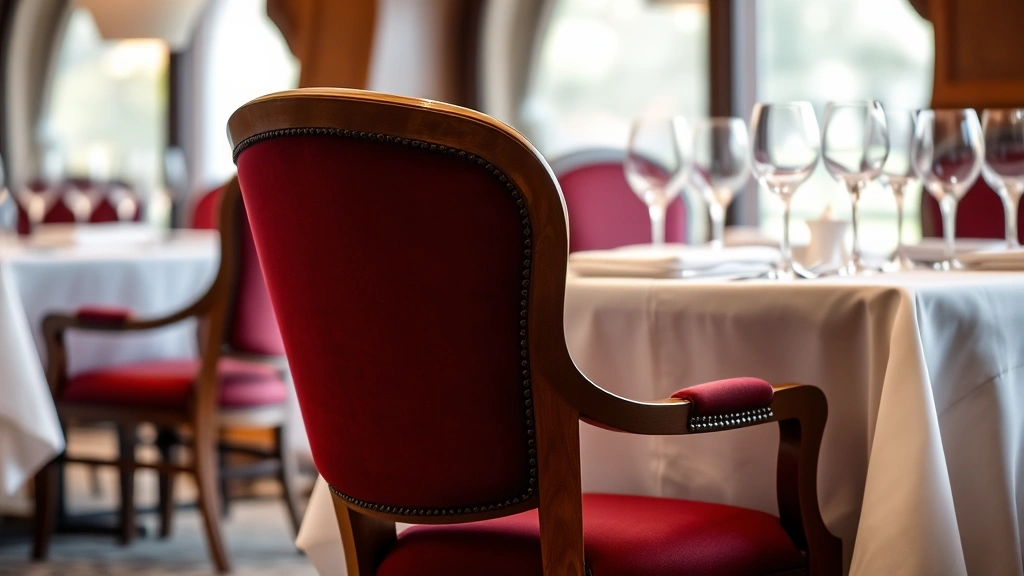
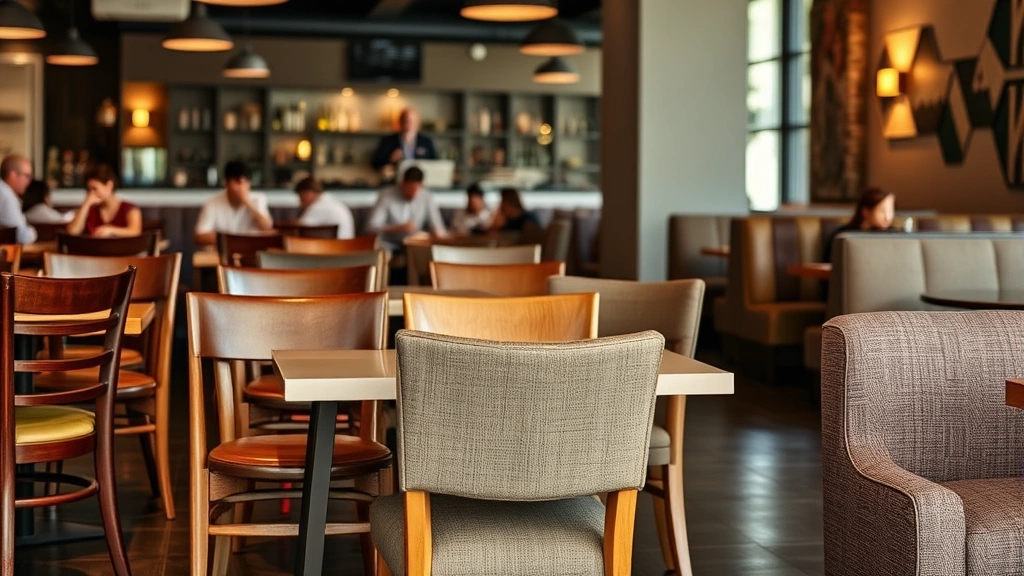
Beyond ergonomics, chairs communicate messages about the restaurant’s identity and your anticipated experience. A restaurant with live music might employ different seating strategies than a quiet, contemplative fine dining establishment. Hard wooden chairs at a casual pizzeria signal informality and quick turnover, subtly conditioning your palate to expect bold, straightforward flavors. Upholstered chairs with arms at an upscale restaurant suggest leisure and indulgence, priming your mind to anticipate complex, nuanced dishes.
The material composition of chairs influences temperature regulation—a critical factor in taste perception. Cold metal or wood conducts heat away from your body, potentially causing subtle shivers that distract from flavor concentration. Fabric upholstery retains warmth, creating a cocooned sensation that allows deeper sensory focus. Leather, often found in steakhouses and elevated establishments, offers a tactile luxury that subconsciously elevates expectations for the cuisine itself. When your tactile senses are pleasantly engaged by a chair’s material, your brain releases dopamine, enhancing your overall satisfaction with the meal and making flavors seem more vibrant than they might otherwise.
Color psychology extends to chairs as well. Deep jewel tones and earth tones create intimate, flavor-focused atmospheres, while bright whites and pastels feel more casual and social. The visual context established by chair design primes your palate before the first bite arrives. Restaurants specializing in gluten free options often employ modern, minimalist seating that communicates health-consciousness and precision—qualities that extend to their ingredient sourcing and preparation methods.
Seat depth and back support height deserve particular attention. A shallow seat forces your weight onto your tailbone, creating pressure that increases after 20-30 minutes of dining. Deep seats distribute weight across your thighs and buttocks, allowing sustained comfort throughout multi-course meals. Back support height should cradle the natural curve of your lumbar spine without forcing you into an unnatural posture. These seemingly minor design considerations determine whether your body remains relaxed enough to taste the subtle interplay of flavors in each dish.
Comfort’s Effect on Digestion and Appetite
Your digestive system responds dramatically to comfort and stress levels. When seated in an uncomfortable chair, your body triggers a fight-or-flight response that shunts blood away from your digestive organs and toward your extremities and brain. This physiological shift impairs your stomach’s ability to produce adequate gastric juices and reduces intestinal motility. Consequently, you may feel uncomfortably full despite eating less, or experience bloating and indigestion later—not because of the food’s quality but because of your body’s stress response during eating.
Comfortable seating, conversely, activates your parasympathetic nervous system—the “rest and digest” mode that optimizes digestive function. Your stomach relaxes, gastric secretions increase, and your intestines prepare to efficiently process nutrients. This physiological state also enhances appetite signaling. When comfortable, you’re more likely to recognize satiety cues accurately, allowing you to enjoy appropriate portion sizes without overeating or feeling deprived. The appetite enhancement extends to flavor perception; your taste buds function optimally when your body isn’t in stress mode.
At family restaurants near me, seating comfort becomes even more critical. Children seated uncomfortably become restless and distracted, their palates less receptive to new flavors. Parents stressed about their child’s fidgeting eat more mechanically, missing the nuanced flavors they’re consuming. Thoughtfully designed family seating—with appropriate height for children, adequate support, and stable bases that prevent tipping—creates an environment where all diners can focus on the food rather than managing physical discomfort.
The duration of your meal also interacts with chair comfort. A 45-minute lunch at a good lunch restaurant on a moderately uncomfortable chair might feel acceptable, but the same chair becomes unbearable during a three-hour fine dining experience. Restaurants that understand their typical meal duration design seating accordingly, recognizing that comfort requirements scale with time spent seated.
Seating and Dining Ambiance
The arrangement and spacing of chairs within a restaurant create the overall ambiance that frames your meal. Closely spaced tables with high-backed chairs create intimate cocoons that encourage focused, sensory-rich dining. This configuration reduces ambient noise and visual distractions, allowing your palate to dominate your conscious experience. Such environments suit complex, multi-layered dishes that demand full attention. Open layouts with lightweight chairs spaced farther apart create social, energetic atmospheres where conversation flows freely and the meal becomes secondary to the experience of companionship.
Swivel chairs, sometimes found in casual dining establishments, introduce an element of restlessness that can subtly undermine flavor focus. The ability to pivot and rotate encourages fidgeting and environmental scanning rather than directed attention toward your plate. Fixed chairs, particularly those with arms, anchor you in position and psychologically signal that you should settle in and stay present with your meal.
The texture and sound profile of chairs matter more than most diners realize. Chairs that creak or squeak create acoustic distractions that interrupt the sensory experience. Chairs with smooth, silent mechanisms allow you to shift position without generating sounds that draw attention to the physical act of sitting. This silence creates a subtle psychological permission to be fully present with the cuisine rather than aware of your body’s mechanical requirements.
Restaurants featuring live music must calibrate chair comfort differently than silent establishments. When ambient noise from music is present, slightly firmer seating can help maintain alertness and prevent the drowsiness that might otherwise set in during a long meal. The stimulation from music pairs with slightly stimulating seating to create dynamic engagement rather than passive consumption.
What to Look for When Choosing Restaurants
Discerning diners can evaluate restaurants’ commitment to optimal dining experiences by observing their seating choices. Visit during off-peak hours to examine chairs closely. Test the height by sitting and assessing whether your elbows naturally align at 90 degrees to the table. Notice whether the seat depth accommodates your thigh length comfortably, supporting your weight without creating pressure points. Evaluate the backrest’s curve—does it support your natural spinal alignment or force you into an unnatural posture?
Consider the material in context of the restaurant’s cuisine and atmosphere. A fine dining establishment serving delicate seafood should feature upholstered seating that facilitates deep relaxation and sensory focus. A casual pizzeria can employ simpler seating since the dining experience emphasizes social interaction and bold flavors that require less concentrated attention. Mismatches between seating and cuisine signal either oversight or intentional design choices that might reveal the restaurant’s true priorities.
Armrests deserve particular attention. They should be low enough that your arms rest comfortably while eating, supporting your forearms without creating shoulder tension. Missing armrests can feel utilitarian and slightly uncomfortable, while armrests that are too high create awkward angles that interfere with eating mechanics. For restaurants specializing in cuisine comparable to easy homemade bread recipes in simplicity—comfort food and casual fare—minimal armrests work fine. For complex, presentation-focused cuisine, proper armrest support enhances the dining experience.
Evaluate how the restaurant maintains its chairs. Worn, stained upholstery or wobbly frames suggest neglect that likely extends to other aspects of restaurant operations. Well-maintained seating indicates that management cares about every element of the dining experience, including those details most guests don’t consciously register but feel throughout their meal.
Technology integration in seating has emerged as a modern consideration. Some upscale establishments now incorporate subtle heating elements into chairs, maintaining optimal body temperature throughout multi-course meals. Others employ ergonomic memory foam that adapts to individual body shapes. These innovations represent restaurants’ growing recognition that seating significantly impacts dining satisfaction. When you encounter such thoughtful details, you’re experiencing a restaurant that understands the holistic nature of culinary pleasure.
The evolution of restaurant technology and AI increasingly includes data about optimal dining conditions, incorporating findings about seating comfort into restaurant design recommendations. Forward-thinking establishments leverage this research to create environments where chairs facilitate rather than hinder your ability to taste, savor, and remember exceptional meals.
FAQ
Can uncomfortable restaurant seating actually affect how food tastes?
Yes, definitively. Physical discomfort triggers stress responses that reduce saliva production, limit aromatic compound detection, and impair digestive function. When your body is managing discomfort, fewer cognitive resources are available for sensory perception, making flavors seem muted or unpleasant. The same dish consumed in a comfortable setting will taste noticeably better because your palate can engage fully.
Why do expensive restaurants invest more in seating than casual restaurants?
Fine dining establishments charge premium prices partly because they create comprehensive sensory experiences where every element supports flavor focus. Expensive seating isn’t purely about luxury—it’s a functional investment in allowing diners’ palates to perceive the complexity and nuance in the cuisine. Casual restaurants expect shorter meal durations and social interaction rather than sensory concentration, so their seating priorities differ appropriately.
What’s the ideal chair height for dining?
The ideal height positions your elbows at approximately 90 degrees when your forearms rest on the table, with your feet flat on the floor. This positioning typically means a seat height between 17-19 inches from the floor, though individual proportions vary. Tables are usually 30 inches high, so the relationship between seat and table height matters more than absolute measurements.
Do chair colors influence how I taste food?
Indirectly, yes. Chair colors create visual contexts that prime your expectations and influence your emotional state. Warm, saturated colors create intimate, indulgent moods that enhance perception of rich, complex flavors. Cool, neutral colors feel more clinical and might enhance appreciation for delicate, refined dishes. The psychological priming doesn’t change the food’s actual flavor, but it does influence how your brain processes and perceives those flavors.
Should I avoid restaurants with uncomfortable-looking chairs?
Not necessarily—some excellent casual restaurants intentionally use simple seating because their cuisine and dining culture don’t require extended comfort periods. However, if you’re seeking a leisurely, multi-course dining experience where flavor appreciation is paramount, comfortable seating becomes essential. Match the seating style to the restaurant’s stated purpose and your intended meal duration.
How does seating affect digestion?
Comfortable seating activates your parasympathetic nervous system, promoting gastric secretion and intestinal motility. Uncomfortable seating triggers stress responses that redirect blood away from digestive organs. This physiological difference can noticeably affect how you feel after eating—comfortable diners experience better digestion and fewer feelings of bloating or heaviness.