Santiago’s Tacos: Worth the Hype? Local Review
Walking into Santiago’s Mexican Restaurant, you’re immediately enveloped by the aroma of charred carnitas and fresh cilantro—a sensory welcome that sets expectations high. The restaurant has garnered significant local buzz, with lines often wrapping around the corner during peak hours. But does Santiago’s live up to its reputation, or is it merely riding a wave of social media momentum? After multiple visits and careful palate analysis, I’m here to provide an honest assessment of what this establishment truly delivers.
Santiago’s positions itself as an authentic Mexican taquería, emphasizing traditional preparation methods and locally sourced ingredients where possible. The establishment occupies a modest corner space with weathered wooden tables, vintage Mexican tile work, and an open kitchen that allows diners to witness the craft behind each dish. The casual atmosphere contrasts beautifully with the meticulous attention paid to flavor development and ingredient quality—a combination that initially drew me in and kept me returning.
First Impression and Atmosphere
The moment you cross the threshold of Santiago’s, you understand the restaurant’s philosophy: substance over style. The decor is minimalist—exposed brick walls adorned with hand-painted murals depicting Mexican countryside scenes, string lights casting warm amber glows, and a long counter where you can observe the taqueros executing their craft with practiced precision. The soundtrack features a rotating selection of regional Mexican music, from norteño to ranchero, which creates an immersive cultural experience without feeling forced or overly theatrical.
The counter service model is refreshingly efficient. You approach the line, study the menu board with its rotating daily specials, and place your order directly with the staff. This transparency allows you to ask questions about preparation methods, ingredient sourcing, and customization options. During my visits, the staff demonstrated genuine enthusiasm about their offerings, often providing recommendations based on my expressed preferences. This personalized touch elevates the experience beyond typical fast-casual Mexican fare.
Seating is communal and intimate, with small tables that encourage conversation and connection. The noise level remains moderate despite the consistent flow of customers, making it suitable for both casual lunch breaks and more intentional dining experiences. If you’re seeking a restaurant with a patio near you, Santiago’s outdoor seating area provides a pleasant alternative during temperate weather, complete with umbrellas and string lighting that extends the dining experience into evening hours.
The Taco Selection: A Deep Dive
Santiago’s taco menu is deceptively simple, featuring approximately eight to ten proteins available daily, with seasonal variations and specials rotating regularly. Rather than overwhelming customers with excessive options, the restaurant demonstrates focused expertise in perfecting a curated selection. This philosophy aligns with the principles of mastering fundamental cooking techniques across culinary traditions.
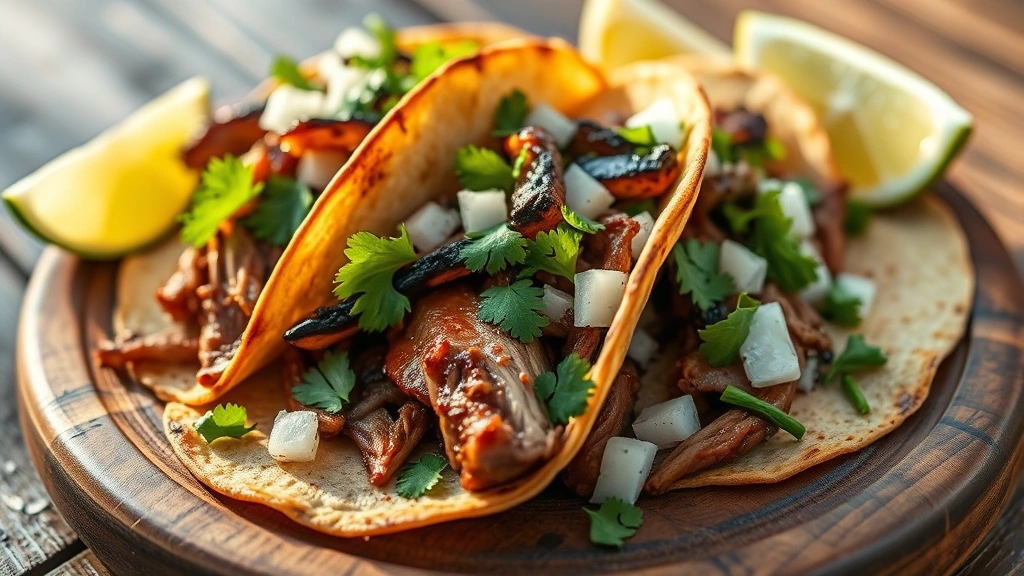
The carnitas deserve particular attention. These slow-braised pork shoulder pieces are tender to the point of melting, with rendered fat that provides richness without greasiness. The meat demonstrates the result of extended braising—likely six to eight hours—in a combination of lard, citrus, and aromatic spices. When you bite into a carnitas taco, the meat practically dissolves across your palate, releasing subtle notes of orange zest and cumin beneath the primary pork flavors. The textural contrast between the soft meat and crispy tortilla edges creates a satisfying eating experience.
The barbacoa offers an entirely different flavor profile. This traditionally slow-cooked beef, prepared with dried chiles and aromatic vegetables, possesses a deeper, more complex taste. The chile flavor—likely derived from guajillo or ancho varieties—permeates the meat without overwhelming it. There’s a subtle earthiness that suggests careful spice layering rather than heavy-handed seasoning. The meat achieves that ideal tender consistency where it shreds under minimal pressure, yet maintains structural integrity throughout the taco.
Al pastor tacos represent Santiago’s nod to creative tradition. Rather than the typical vertical spit presentation, the kitchen executes this preparation using a flattop, creating uniformly caramelized edges while maintaining a juicy interior. The pineapple component provides bright acidity that cuts through the pork’s richness, while the achiote-based marinade delivers peppery warmth and subtle smokiness. This taco successfully bridges traditional Mexican cuisine with Lebanese-influenced cooking techniques that historically influenced this preparation method.
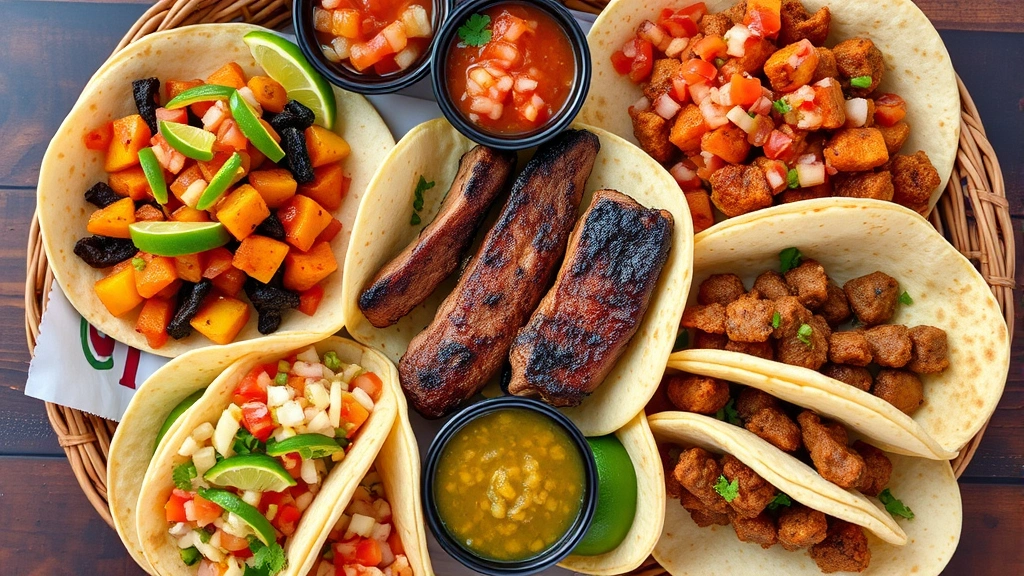
The carne asada tacos showcase grilled beef with impressive char development and a pink, warm center. The marinade—likely incorporating lime, cilantro, garlic, and cumin—has thoroughly penetrated the meat without overwhelming its inherent beef flavor. The grilling technique demonstrates restraint; the meat isn’t overseasoned or over-charred, allowing the beef’s natural savory qualities to shine. This is where you recognize that Santiago’s respects ingredient quality and doesn’t mask premium proteins with excessive seasoning.
Protein Preparation and Quality
What distinguishes Santiago’s from casual Mexican establishments is the evident commitment to protein preparation fundamentals. Each protein category demonstrates mastery of its specific cooking method, whether braising, grilling, or spit-cooking. This consistency suggests either an experienced head chef or a strong kitchen culture emphasizing technique.
The carnitas, for instance, show no signs of the common pitfalls that plague lesser establishments—no dry, stringy texture, no excessive saltiness, no off-flavors suggesting improper storage. Instead, each piece exhibits the glossy sheen of properly rendered fat and the pale golden color indicating careful heat management during the braising process. The flavor develops gradually across your palate, beginning with savory pork notes and transitioning into subtle citrus and spice undertones.
Sourcing appears thoughtful, though the restaurant’s website and staff communications don’t extensively detail supplier relationships. However, the quality of the proteins themselves—their texture, flavor development, and overall freshness—suggests either excellent supplier relationships or frequent inventory turnover. The beef in particular demonstrates the characteristics of quality cuts, with appropriate marbling and a natural, unadulterated taste.
The preparation consistency across multiple visits is noteworthy. Restaurant quality can fluctuate based on staffing levels, time of day, and various operational factors. Santiago’s maintains remarkable consistency, suggesting strong training protocols and kitchen discipline. Whether you visit during lunch rush or a quieter afternoon, the proteins maintain their quality standards.
Sides, Salsas, and Supporting Cast
A taco is only as excellent as its supporting components, and Santiago’s recognizes this principle. The flour tortillas are made fresh, exhibiting that characteristic slight chew and subtle wheat flavor that distinguishes handmade tortillas from industrial alternatives. The corn tortillas offer authentic corn flavor—sweet, slightly nutty, with that distinctive nixtamalized corn aroma. Both options are warmed just before serving, maintaining pliability and temperature.
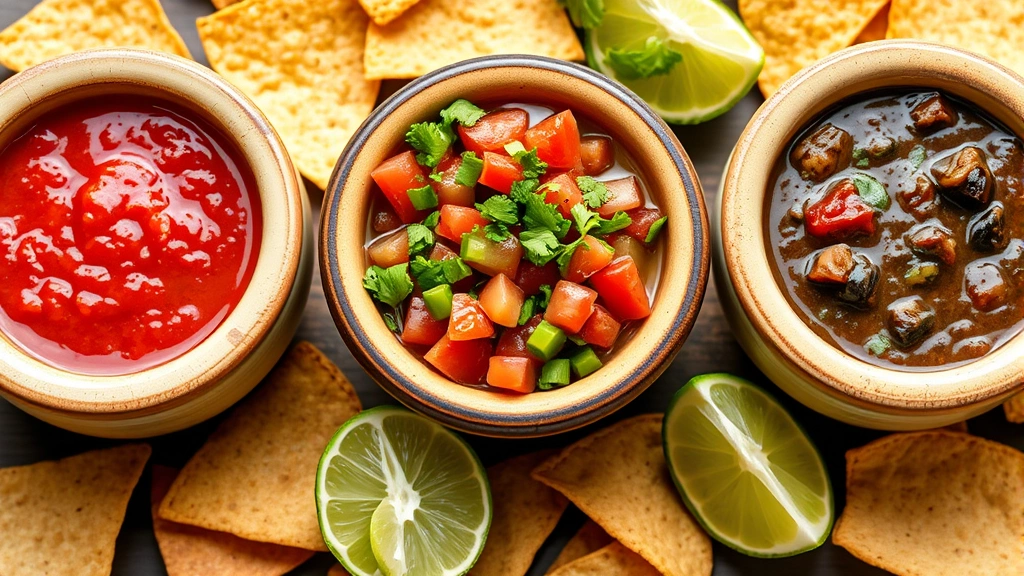
The salsa selection represents perhaps the most revealing aspect of Santiago’s culinary philosophy. Rather than offering five varieties of increasingly spicy salsas, the restaurant provides three carefully crafted options: a bright pico de gallo, a deeper red chile salsa, and a smoky roasted poblano salsa. Each demonstrates distinct preparation methods and flavor profiles. The pico de gallo emphasizes freshness, with diced tomatoes, onions, cilantro, and lime juice creating a bright, acidic component that complements rich proteins. The red chile salsa achieves complexity through chile selection and roasting techniques, delivering heat that builds gradually rather than assaulting the palate immediately.
The roasted poblano salsa surprised me most pleasantly. The mild heat allows the poblano’s natural earthiness and subtle sweetness to emerge, creating a sophisticated accompaniment that pairs particularly well with the carne asada. This salsa demonstrates that spice doesn’t require extreme heat levels to provide culinary interest.
Complimentary chips and a house salsa arrive at the table, though I’d recommend focusing your appetite on the tacos themselves. The chips are fried fresh and maintain appropriate crispness, but they’re primarily palate preparation rather than the restaurant’s strength. The accompanying salsa is serviceable—a basic tomato-based preparation that serves its functional purpose without demanding attention.
Refried beans and Mexican rice round out the plate. The beans achieve a creamy texture through proper cooking and fat incorporation, with subtle bean flavor rather than excessive seasoning. The rice exhibits individual grain separation with flecks of cilantro and tomato distributed throughout, suggesting careful technique and appropriate liquid ratios during cooking.
Value and Pricing Analysis
Santiago’s pricing sits comfortably in the mid-range for quality Mexican restaurants. Individual tacos cost between $2.50 and $4.00 depending on protein selection, with combo plates including three tacos, beans, rice, and salsa ranging from $11.00 to $15.00. These prices reflect fair value given the evident ingredient quality and preparation care. You’re not paying premium prices for trendy plating or upscale ambiance; instead, you’re investing in flavorful, well-executed food.
The restaurant’s approach to portion sizes is honest. Tacos are appropriately sized—substantial enough to constitute a satisfying meal in a trio, yet not bloated to the point of diminishing your ability to taste multiple preparations. This restraint demonstrates confidence in the product; Santiago’s doesn’t need to overwhelm you with volume because the flavor speaks for itself.
For those interested in exploring date night restaurant options or casual dining experiences, Santiago’s offers excellent value. You receive quality food at reasonable prices in a pleasant atmosphere, making it accessible for regular visits without breaking your dining budget.
Service and Overall Experience
Counter service removes certain expectations around table attention while introducing different service dynamics. The staff at Santiago’s executes this model with efficiency and genuine warmth. Orders are called out promptly, food arrives hot and properly assembled, and the team demonstrates patience even during peak rush periods. I never felt rushed or dismissed, despite the high-volume service model.
The kitchen’s pace is impressive. From order placement to receiving your food typically takes eight to twelve minutes, even during busy lunch periods. This speed doesn’t compromise quality—each taco is individually constructed with care, proteins are portioned appropriately, and everything arrives at optimal temperature. This operational efficiency suggests strong kitchen management and clear communication protocols.
The restaurant’s beverage program is straightforward: traditional Mexican sodas, agua fresca options, and a modest beer selection. The agua fresca—whether horchata, Jamaica, or tamarindo—provides refreshing complements to the rich, savory taco preparations. The natural sweetness and subtle flavors pair beautifully with the meal without overwhelming your palate.
Final Verdict: Is Santiago’s Worth the Hype?
After multiple visits and careful palate assessment, I can confidently state that Santiago’s tacos merit the local attention they’ve garnered. The restaurant succeeds not through gimmicks or trendy presentations, but through fundamental culinary execution: quality ingredients, proper technique, and focused menu curation. Each taco demonstrates respect for Mexican culinary traditions while maintaining contemporary execution standards.
The carnitas alone justify a visit—this preparation showcases what’s possible when time, technique, and quality ingredients converge. The supporting components—fresh tortillas, thoughtfully crafted salsas, and properly prepared sides—elevate the experience beyond merely eating tacos to engaging in a culinary experience that respects tradition while maintaining accessibility.
Santiago’s occupies a sweet spot in the local dining landscape. It’s elevated enough to satisfy those seeking authentic, well-prepared Mexican food, yet casual and reasonably priced enough for regular visits without guilt. The atmosphere encourages lingering and conversation without pretension. Whether you’re seeking a quick lunch or a more intentional dining experience, Santiago’s delivers.
The hype isn’t unwarranted, though it’s important to understand what the restaurant offers: not fine dining Mexican cuisine or innovative reinterpretations of traditional dishes, but rather excellent execution of classic preparations. If you appreciate well-made tacos, quality ingredients, and genuine hospitality, Santiago’s absolutely warrants a visit. It’s the kind of restaurant that reminds you why certain dishes have endured across centuries and cultures—because when executed properly, they’re simply delicious.
For those interested in exploring other culinary directions, consider complementary dining experiences like homemade pasta sauce preparation or paleo dinner recipes for home cooking inspiration. Santiago’s demonstrates how fundamental technique and ingredient respect create memorable food experiences.
FAQ
What are Santiago’s hours of operation?
Santiago’s typically operates from 11:00 AM to 10:00 PM daily, though hours may vary seasonally. I recommend calling ahead or checking their social media for current operating hours, especially during holidays or special events.
Does Santiago’s accommodate dietary restrictions?
Yes, the counter service model allows for extensive customization. Staff can prepare tacos without certain components, accommodate vegetarian preferences by substituting proteins with beans or grilled vegetables, and address most dietary concerns. The transparency of the counter service makes communication straightforward.
Is Santiago’s suitable for large groups?
While Santiago’s accommodates groups, the seating arrangement and counter service model work best for parties of six or fewer. Larger groups may experience wait times and logistical challenges with seating. I’d recommend calling ahead for group reservations or visiting during off-peak hours.
What payment methods does Santiago’s accept?
Most modern Mexican restaurants accept both cash and card payments. Santiago’s accepts major credit cards and debit cards, though I’d recommend confirming their specific payment options before visiting.
Can I order Santiago’s tacos for delivery?
Many established taquería operations now offer delivery through third-party platforms. Contact Santiago’s directly or check delivery apps to confirm current availability in your area.
What makes Santiago’s different from other local Mexican restaurants?
Santiago’s distinguishes itself through consistent execution of traditional preparations, evident attention to ingredient quality, and a focused menu approach. Rather than offering extensive options, the restaurant masters a curated selection, which generally results in higher quality and consistency than establishments attempting to do everything.
Are there vegetarian options at Santiago’s?
Yes, the restaurant offers bean-based tacos and can prepare vegetable-forward options using grilled peppers, onions, and other vegetables. The refried beans and Mexican rice provide satisfying protein alternatives, and the salsas and supporting components shine even without meat proteins.