Sasa Sushi Review: Is It Worth the Hype? Chef’s Opinion
After years of dining across countless sushi establishments and evaluating the nuances of Japanese culinary craftsmanship, I approached Sasa Sushi with considerable anticipation. The restaurant has cultivated a reputation that precedes it—whispered recommendations in culinary circles, sold-out reservations, and social media fervor suggesting something genuinely special exists behind those doors. Yet reputation and reality often diverge dramatically in the restaurant world. My mission was to investigate whether Sasa Sushi transcends the hype or merely capitalizes on it.
Walking through the entrance, I immediately sensed the deliberate curation of atmosphere. The minimalist aesthetic—clean lines, soft lighting, and strategic use of natural wood—creates an environment where the food becomes the undisputed focal point. This design philosophy aligns with authentic Japanese kaiseki principles, where simplicity elevates the dining experience rather than distracting from it. From the moment I settled into my seat, I understood that Sasa Sushi approaches dining as an art form, not merely a meal service.
The Omakase Experience: A Journey Through Precision
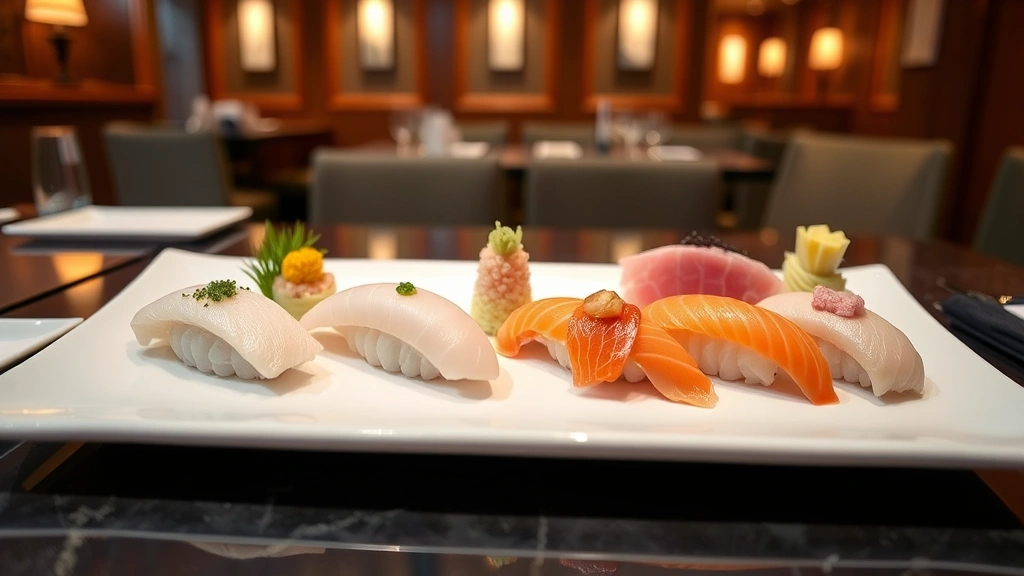
Sasa Sushi’s omakase offering represents the chef’s creative vision distilled into approximately sixteen pieces of artfully prepared sushi. Rather than presenting a formulaic progression, the experience unfolds with intentionality. The sequence began with lighter, more delicate flavors—white fish varieties that possess subtle sweetness and buttery texture—before advancing toward richer, more assertive profiles. This architectural approach to menu progression demonstrates sophisticated understanding of palate management, a principle often overlooked by establishments that prioritize quantity over sensory strategy.
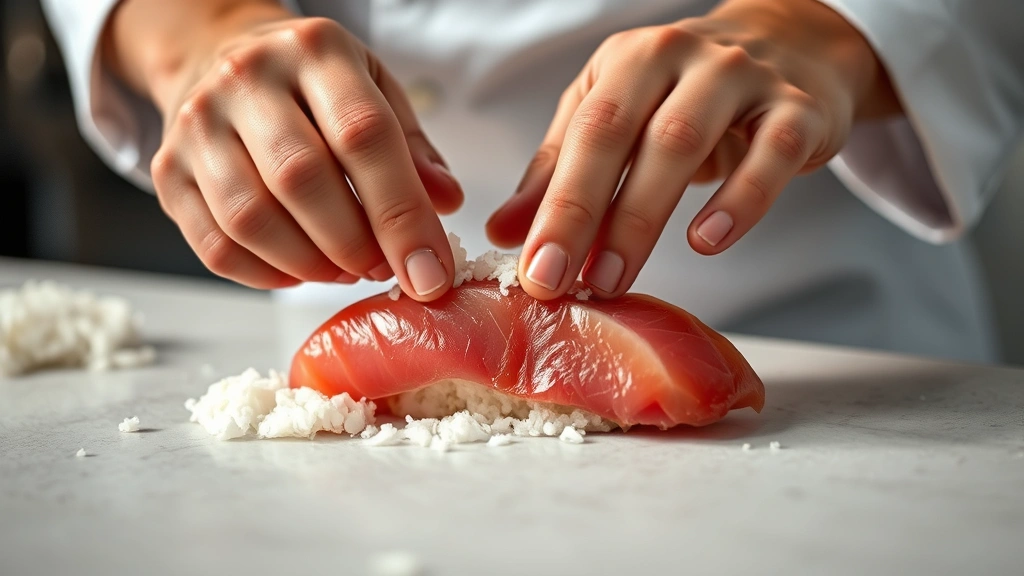
The chef’s hands moved with practiced efficiency, each motion economical and purposeful. Watching sushi preparation unfolds like observing a surgeon at work; every action serves a function. The rice was shaped with gentle pressure, never aggressive or heavy-handed. The fish was sliced at precise angles that maximize surface area contact with the palate, allowing flavors to register fully. This technical precision distinguishes professional omakase from casual sushi preparation. When you’re paying premium prices, you’re investing in decades of training compressed into minutes of performance.
What impressed me most was the chef’s responsiveness to individual preferences. Rather than adhering rigidly to a predetermined menu, adjustments were made based on my expressed interests and observed reactions. This flexibility within structure—maintaining artistic vision while accommodating guest preferences—reflects confidence in one’s craft and genuine hospitality commitment. It’s the difference between a chef performing for an audience and a chef creating an experience with a guest.
Rice, Nigiri, and Technical Mastery
The foundation of exceptional sushi lies in rice preparation, a reality that separates masterful establishments from mediocre ones. Sasa Sushi’s sushi rice achieved that elusive balance between structural integrity and tender delicacy. The grains maintained individual definition while cohering into a unified form. Temperature was precisely calibrated—warm enough to complement the fish’s natural oils but cool enough to prevent thermal degradation of delicate proteins.
The seasoning profile revealed restraint and sophistication. Rather than aggressive vinegar domination, the rice presented subtle acidity that enhanced rather than overpowered. The salt content suggested careful measurement and tasting, not casual seasoning application. This attention to foundational elements indicates a chef who understands that sushi mastery begins with rice excellence. Many establishments treat rice as background; Sasa Sushi recognizes it as essential architecture.
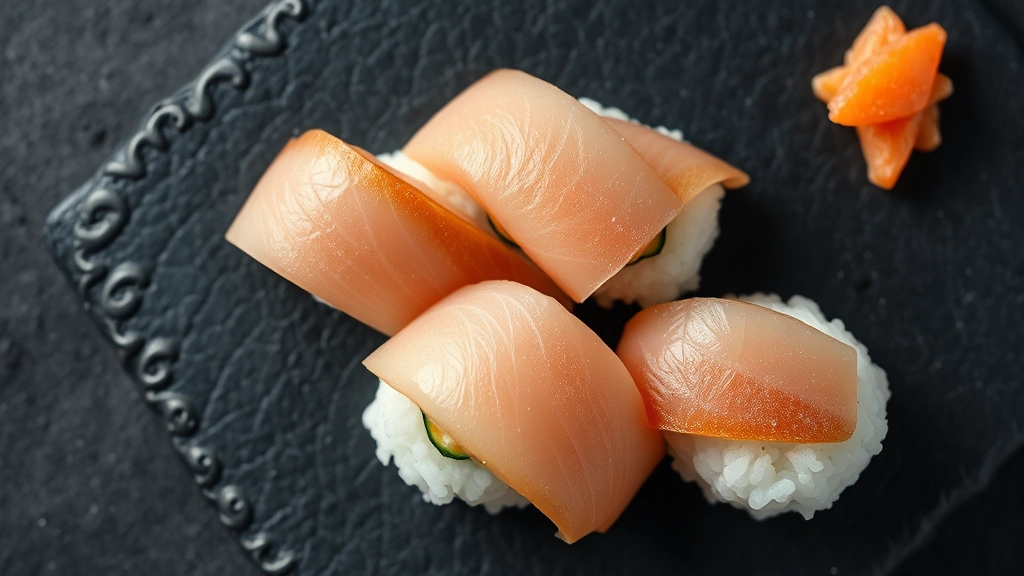
Nigiri presentation demonstrated consistent technique across all sixteen pieces. Each mound maintained uniform dimensions, suggesting the chef’s hands instinctively replicate precise measurements. The fish drape fell naturally over the rice base, creating visual harmony while ensuring proper flavor delivery. Some pieces featured subtle scoring—fine knife marks that served both aesthetic and functional purposes, creating texture variation and allowing sauce penetration where desired.
If you’re exploring City Center Restaurants, Sasa Sushi deserves consideration among premium dining destinations. Its technical execution rivals establishments with significantly higher price points.
The Fish Selection and Sourcing Philosophy
Discussing fish quality requires understanding sourcing realities. Premium sushi establishments maintain relationships with specialized purveyors who understand quality indicators that transcend simple freshness metrics. Sasa Sushi clearly prioritizes these relationships. The fish displayed characteristics of proper handling—firm texture, clean aroma, and visual clarity suggesting optimal storage and aging protocols.
The tuna selection encompassed multiple grades, each showcasing different muscle groups and fat content. The otoro (fatty belly) possessed that distinctive silken quality that emerges only from perfectly aged, properly handled specimens. The chu-toro (medium-fatty) offered balanced richness without overwhelming the palate. The akami (lean back muscle) demonstrated clean, pure tuna flavor with subtle mineral undertones. This variety within a single fish type suggests access to premium suppliers and knowledge to differentiate quality grades.
White fish selections—hirame (flounder), tai (sea bream), and others—displayed the translucent quality that indicates peak freshness. The subtle sweetness present in these varieties suggests fish that reached the sushi counter within optimal time windows after harvest. Fish degradation happens gradually; professional sushi chefs understand these timelines and structure sourcing accordingly. The absence of any off-flavors or textural irregularities indicated meticulous vendor selection.
Specialty items like uni (sea urchin) and otoro require particular sourcing precision. Sasa Sushi’s uni possessed that distinctive briny sweetness without any hint of ammonia or degradation. The texture remained custard-like and delicate, suggesting proper storage temperature and minimal handling. These details matter profoundly; uni is unforgiving—any quality compromise becomes immediately apparent on the palate.
Flavor Profiles and Palate Progression
The omakase progression reflected sophisticated understanding of flavor architecture. Initial pieces featured white fish—delicate, subtle, allowing the palate to acclimate to the experience. The rice’s subtle vinegar sweetness harmonized with the fish’s natural umami, creating foundation-level satisfaction. Nothing challenged; everything pleased. This opening phase sets expectations and prepares the palate for more complex experiences ahead.
Mid-course selections introduced increasing richness and intensity. Fatty tuna varieties followed lean cuts, creating flavor contrast that stimulated palate interest. Cooked preparations—briefly torched or seared selections—introduced textural variation and caramelized depth. These middle courses represented the omakase’s conceptual heart, where technical skill and creative vision most clearly intersect.
The progression toward conclusion featured the most assertive flavors—aged fish with concentrated umami, specialty preparations with added elements like ponzu or sea salt, and pieces designed to linger on the palate. The final piece—a perfectly prepared nigiri of the chef’s choice—concluded the experience with appropriate weight and satisfaction without overpowering.
Between courses, palate cleansers arrived—ginger slices that reset taste receptors, allowing each subsequent piece to register with full sensory impact. This thoughtful service detail reveals hospitality understanding that extends beyond food preparation into comprehensive experience design. When you’re paying premium prices, these considerations compound into perceived value.
For those interested in Steak and Seafood Restaurants Near Me, Sasa Sushi deserves comparison despite its sushi focus. The quality standards parallel high-end steakhouse execution.
Ambiance and Service Excellence
The dining room’s design philosophy prioritizes the sushi counter experience. Rather than relegating diners to tables, Sasa Sushi positions guests directly before the chef, creating intimacy and allowing observation of technique. This counter-centric design democratizes the premium experience—everyone receives identical attention and participation in the culinary theater.
Service personnel demonstrated extensive training. Water glasses remained optimally filled without intrusion. Courses arrived at appropriate intervals, allowing adequate digestion time without creating awkward pacing delays. Staff members answered technical questions about fish varieties and preparation methods with knowledgeable responses, indicating comprehensive training beyond standard service protocols.
The chef himself proved engaging without being performative. Rather than theatrical flourishes designed to impress, interactions remained focused on ensuring guest satisfaction and explaining culinary choices. This professional demeanor suggests confidence in the food’s ability to speak for itself—a characteristic of truly excellent establishments.
Ambient noise levels remained controlled, allowing conversation without shouting. Lighting proved adequate for observing food details without creating institutional harshness. Temperature regulation maintained comfort throughout the extended omakase experience. These environmental factors accumulate into comprehensive hospitality that extends far beyond food quality alone.
Value Proposition and Pricing
Sasa Sushi’s pricing reflects market positioning as a premium establishment. The omakase experience costs approximately $150-$180 per person before beverages and service charges. This positions it above casual sushi restaurants but below ultra-luxury omakase experiences in major metropolitan areas. The question becomes whether the execution justifies this price point.
Analyzing value requires considering multiple factors beyond ingredient costs. The chef’s expertise—developed through years of training and refinement—carries inherent value. The sourcing relationships that ensure premium fish quality involve ongoing investment. The restaurant’s overhead—prime location, skilled staff, careful inventory management—factors into pricing. Viewed holistically, the pricing seems appropriately calibrated to the experience delivered.
Compared to similar establishments offering comparable technical execution, Sasa Sushi represents reasonable value. You’re not paying for celebrity chef status or Instagram-famous plating; you’re investing in genuine craftsmanship and quality ingredients executed with precision. This straightforward value proposition appeals to discerning diners who prioritize substance over marketing.
For those exploring Family Friendly Restaurants, Sasa Sushi may be appropriate for special occasions when children are old enough to appreciate the experience without distraction.
Comparative Analysis: How Sasa Stacks Up
Evaluating Sasa Sushi requires context. In the sushi landscape, establishments range from conveyor-belt casual to Michelin-starred temples of culinary precision. Sasa Sushi occupies the upper-middle segment—serious about craft without the rarefied air of three-star establishments.
Compared to casual sushi venues, Sasa Sushi demonstrates technical superiority across every dimension. Rice quality, fish freshness, knife skills, and palate progression all exceed casual standards. The difference justifies the significant price increase; you’re not simply paying more for identical products.
Compared to ultra-luxury omakase experiences in major cities, Sasa Sushi offers slightly less theatrical presentation and potentially less exclusive sourcing. However, the core culinary experience remains genuinely excellent. The chef’s skill registers clearly in every piece. If you’re seeking the absolute pinnacle of omakase, three-Michelin-star establishments may offer marginal improvements that justify substantially higher pricing. For most diners seeking excellent sushi without excessive expense, Sasa Sushi delivers superior value.
The honest assessment: Sasa Sushi justifies its reputation. The hype reflects genuine quality rather than marketing fabrication. This establishment represents the standard that should define premium sushi dining—technical excellence, quality ingredients, thoughtful service, and reasonable pricing. It’s not revolutionary or groundbreaking, but it executes fundamentally sound principles with consistency and care.
Regarding broader dining exploration, consider how Sasa Sushi compares to Warm and Cozy Restaurants in your area. While different in style, both represent thoughtful hospitality approaches.
FAQ
Should I choose omakase or à la carte at Sasa Sushi?
The omakase experience represents the chef’s vision and allows optimal palate progression. À la carte ordering, while available, misses the architectural approach that makes the omakase special. For a first visit, omakase is strongly recommended. The chef’s expertise shines through course sequencing and customization based on your preferences and reactions.
How far in advance should I book reservations?
Sasa Sushi’s popularity means reservations book weeks in advance during peak seasons. For optimal availability, attempt booking 3-4 weeks ahead. Walk-ins occasionally secure counter seats during off-peak hours, but relying on this proves risky. The experience’s quality merits planning ahead.
What wine or beverage pairings does Sasa Sushi offer?
The beverage program includes sake selections curated to complement the omakase progression. Staff members can recommend specific pairings for different courses. Japanese beer and premium tea options also pair beautifully with sushi. Wine pairings are possible but less traditional with Japanese cuisine.
Are there dietary accommodations for allergies or restrictions?
Inform the restaurant of allergies or dietary restrictions when booking. The chef can modify the omakase to accommodate most preferences. However, the experience functions optimally when the chef retains creative freedom. Severe restrictions may limit the experience’s scope.
How long does the omakase experience typically last?
Plan for approximately 60-75 minutes for the complete omakase. The pacing allows adequate time between courses for digestion and conversation. Rushing through sushi diminishes the experience; the timing reflects the chef’s intention for optimal enjoyment.
Is Sasa Sushi appropriate for special occasions?
Absolutely. The intimate counter setting, attentive service, and exceptional food create memorable experiences. Anniversaries, promotions, or celebrations of culinary appreciation all find appropriate expression at Sasa Sushi. The chef can often incorporate special touches for occasions when informed in advance.
How does Sasa Sushi compare to other premium sushi establishments?
Sasa Sushi ranks among the finest sushi experiences available at its price point. Technical execution rivals establishments with significantly higher pricing. While ultra-luxury omakase experiences may offer marginal improvements, Sasa Sushi delivers exceptional value for discerning diners seeking serious sushi craftsmanship.