Top Pizza Spots in Manhattan: Local Reviews & Hidden Gems
Manhattan’s pizza landscape represents one of the most evolved and fiercely debated culinary scenes in America. From iconic coal-fired ovens in SoHo to innovative Sicilian-style slices in the East Village, this borough has transformed pizza from simple street food into an art form worthy of serious gastronomic exploration. Whether you’re a native New Yorker or visiting for the first time, understanding where to find the best pizza restaurants in Manhattan requires navigating decades of tradition, passionate purists, and bold culinary experimentation.
The quest for exceptional pizza in Manhattan goes beyond merely finding a place to grab lunch. It’s about experiencing the culmination of imported ingredients, precise fermentation techniques, wood-fired mastery, and the unwavering commitment of pizzaiolos who treat their craft with the reverence of Renaissance artisans. This guide explores Manhattan’s most celebrated pizza destinations, examining what makes each establishment worthy of your palate’s attention and your limited dining budget.
Classic New York Slice Traditions
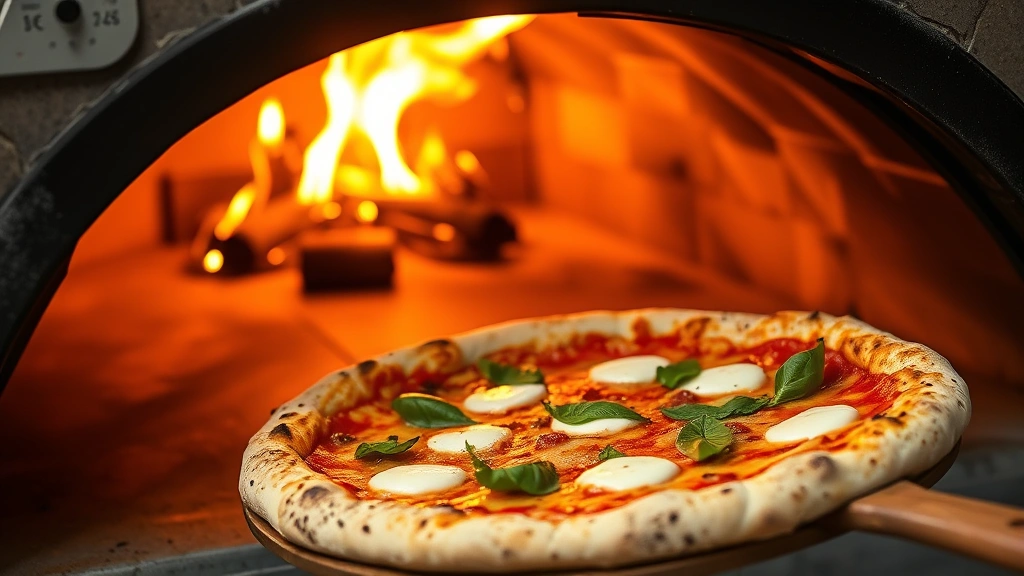
The classic New York pizza slice represents centuries of Italian immigration, New York water chemistry, and the democratization of fine dining. These establishments maintain the time-honored traditions that made Manhattan synonymous with pizza excellence. The hallmark characteristics—a thin, crispy crust with a slight char, perfectly balanced cheese-to-sauce ratios, and toppings that enhance rather than overwhelm—define this enduring style.
Joe’s Pizza stands as perhaps the most iconic representative of this tradition. Operating since 1975, this Greenwich Village institution has maintained unwavering quality standards while expanding to multiple locations. The crust exhibits that signature snap—crispy exterior giving way to a tender, slightly chewy interior. The sauce, made from San Marzano tomatoes, provides bright acidity that cuts through the richness of whole milk mozzarella. Each slice costs mere dollars, yet the flavor complexity rivals restaurants charging ten times the price. The simplicity is deceptive; achieving this level of consistency requires obsessive attention to ingredient sourcing, water temperature, fermentation timing, and oven management.
Prince Street Pizza, another Greenwich Village legend, offers similar excellence with subtle variations. Their square Sicilian slices present a thicker, airier crumb structure than Joe’s thin rounds. The rectangular format allows for more even distribution of toppings and superior structural integrity when folded. The pepperoni cups from the edges, creating crispy, rendered fat pools that provide textural contrast and savory depth. outdoor seating options nearby make this an excellent choice for al fresco dining during warmer months.
L&B Spumoni Gardens, though technically in Brooklyn, influences Manhattan’s pizza conversation significantly. Their Sicilian rectangular slices feature a distinctive fluffy crumb structure achieved through extended fermentation and generous hydration. The crust’s interior resembles bread more than traditional pizza, with irregular air pockets that trap sauce and provide a cloud-like mouthfeel. The flavor develops slowly across the palate, revealing layers of fermented wheat, subtle nuttiness, and caramelized crust edges.
Coal-Fired Oven Masterpieces
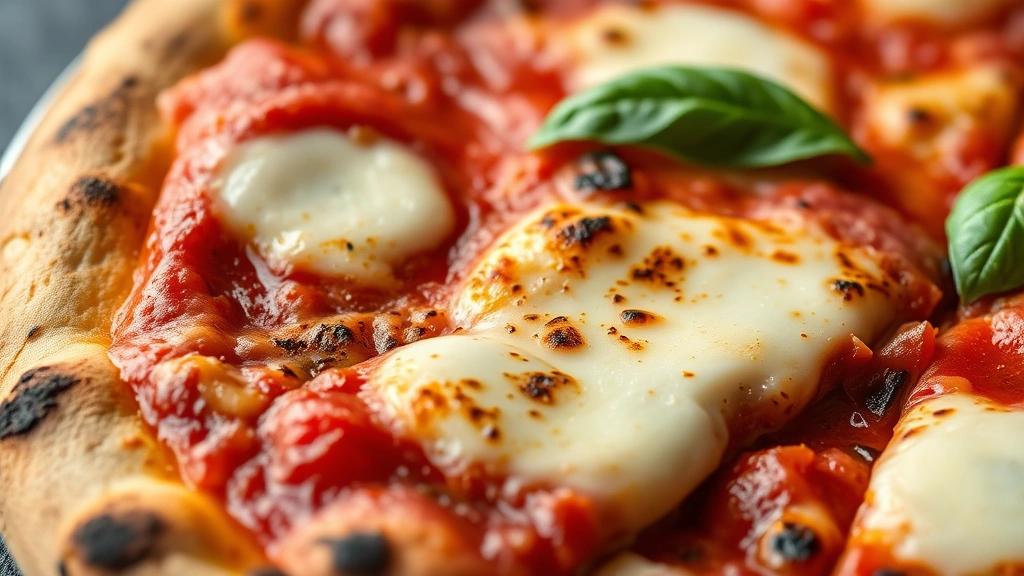
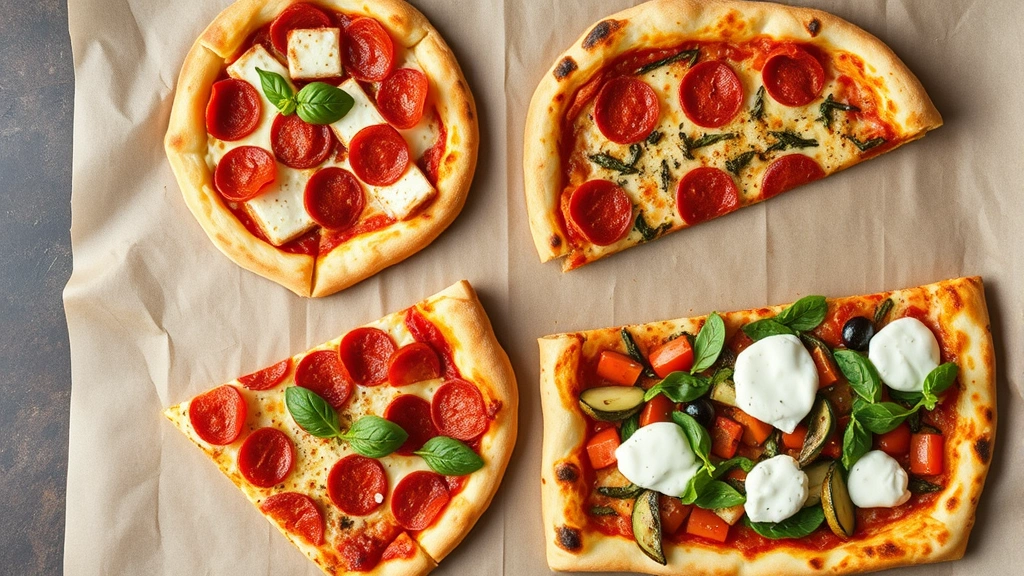
Coal-fired ovens represent pizza’s most dramatic cooking methodology, reaching temperatures exceeding 800 degrees Fahrenheit. These intense conditions create the characteristic leopard-spotted crust—dark, blistered patches that result from rapid Maillard reactions. The extreme heat also drives moisture from the dough rapidly, creating a crispy exterior while the interior remains tender.
Lombardi’s, America’s first pizzeria (established 1905), pioneered the coal-fired approach in Manhattan. Their original Spring Street location maintains the original coal oven, a piece of culinary history that has baked countless thousands of pizzas. The crust from this oven exhibits remarkable character—crispy yet tender, with charred bubbles that provide textural interest. The coal imparts subtle smoky undertones that enhance rather than dominate the flavor profile. Lombardi’s uses fresh mozzarella, allowing the cheese’s delicate, milky sweetness to shine without competing with other elements.
Patsy’s Pizzeria represents another coal-fired institution, with multiple Manhattan locations maintaining founder Patsy Lancieri’s original 1933 recipes. Their pies showcase the marriage of Italian tradition and New York practicality. The crust develops a satisfying crust-to-interior ratio, with enough char to suggest authenticity without overwhelming the palate. The sauce-to-cheese balance tilts slightly toward sauce, allowing San Marzano tomatoes’ subtle sweetness and acidity to contribute meaningfully to each bite. The mozzarella, sourced from trusted suppliers, maintains consistent quality across all locations.
Totonno’s, another legendary coal-fired establishment, demands pilgrimage from serious pizza enthusiasts. Their pies emerge from the oven with dramatic char patterns, each pizza bearing its own unique blistering signature. The crust achieves remarkable crispness while maintaining slight chewiness—a balance requiring precise timing and dough handling. The simplicity of their ingredient list (flour, water, salt, yeast, tomato, mozzarella, olive oil) emphasizes how excellence emerges from mastery rather than complexity.
Neapolitan Authenticity in Manhattan
Neapolitan pizza, originating from Naples, Italy, represents pizza’s most codified and regulated style. The Associazione Verace Pizza Napoletana establishes strict guidelines: San Marzano tomatoes, buffalo mozzarella, specific flour types, and precise cooking methodology. Manhattan restaurants pursuing this certification bring authentic Neapolitan tradition to Manhattan’s demanding palates.
Franco Pepe’s Pepe in Grani influenced Manhattan’s Neapolitan movement significantly. Though based in Campania, Italy, its philosophy shaped how Manhattan pizzerias approach ingredient sourcing and preparation. Local establishments following this philosophy prioritize Italian imports: buffalo mozzarella di bufala from Campania, San Marzano tomatoes from the volcanic soils near Mount Vesuvius, and flour milled specifically for Neapolitan pizza.
Una Pizza Napoletana, located in Manhattan’s East Village, earned three Michelin stars—remarkable recognition for pizza. Chef Franco Pepe brought his Campania expertise to Manhattan, creating pies that honor tradition while reflecting New York’s cosmopolitan sensibilities. The crust exhibits the characteristic leopard spotting, with a puffy cornicione (outer rim) that’s charred externally yet wonderfully airy internally. The toppings are restrained—perhaps just tomato, mozzarella, and basil—allowing each ingredient’s quality to register distinctly on the palate. The buffalo mozzarella provides creamy richness and delicate flavor that contrasts beautifully with bright tomato acidity.
Kesté Pizza & Vino brings Naples directly to Manhattan’s West Village. Their wood-fired oven, imported from Italy, maintains the precise temperature control necessary for Neapolitan excellence. The pizzaiolos, many trained in Naples, execute traditional techniques with evident passion. The margherita pizza—arguably pizza’s most revealing preparation—showcases this commitment. The tomato sauce, made from San Marzano tomatoes, provides subtle sweetness balanced by gentle acidity. The buffalo mozzarella melts into creamy pools, providing rich contrast to the crispy, charred crust. The basil’s peppery, aromatic notes integrate seamlessly with other elements.
Modern Pizza Innovation
While tradition anchors Manhattan’s pizza scene, innovative pizzerias push boundaries, incorporating contemporary techniques and unexpected flavor combinations. These establishments respect pizza’s fundamental principles while exploring new directions.
Scarr’s Pizza, located in the Lower East Side, combines New York slice tradition with contemporary sourcing and technique. Their dough ferments for extended periods, developing complex flavors that emerge during baking. Toppings emphasize seasonal ingredients and artisanal producers—perhaps house-cured pork, locally foraged mushrooms, or heirloom tomatoes at peak ripeness. The result honors pizza tradition while reflecting contemporary culinary consciousness.
L’Industrie Pizzeria brings Sicilian-Calabrese traditions to Manhattan while incorporating modern sensibilities. Their rectangular pies feature a thick, airy crumb structure—almost focaccia-like—topped with seasonal vegetables, house-made charcuterie, and carefully sourced cheeses. The crust’s fermentation develops subtle sour notes and nutty undertones that provide depth without heaviness. The innovation feels natural rather than forced, enhancing rather than replacing pizza’s essential character.
Rezdôôôd represents perhaps Manhattan’s most avant-garde pizza offering. Chef Evan Funke, trained in Rome, creates pies that challenge pizza conventions. The dough incorporates ancient grain varieties and extended fermentation periods extending days. Toppings might include burrata, bottarga (cured fish roe), or unexpected vegetables prepared with modern techniques. Yet despite their contemporary presentation, these pizzas maintain pizza’s essential appeal—satisfying, flavorful, and communal.
Neighborhood Pizza Destinations
Manhattan’s diverse neighborhoods each maintain distinctive pizza cultures, reflecting local demographics, ingredient availability, and historical influences.
Lower East Side & East Village: This historic neighborhood, home to massive Italian immigration waves, maintains deep pizza roots. Beyond Una Pizza Napoletana and Scarr’s, establishments like Lombardi’s original location anchor this district. The neighborhood’s bohemian character attracts innovative pizzerias willing to experiment while respecting tradition.
Greenwich Village & SoHo: Joe’s Pizza and Prince Street Pizza dominate this area, representing classic New York slice excellence. The neighborhood’s cobblestone streets and historic buildings create an atmosphere that complements pizza consumption. holiday dining options abound here, with most establishments remaining open throughout the year.
Midtown Manhattan: While less associated with pizza tradition, Midtown offers convenient options for office workers and tourists. Establishments here often maintain reliable quality across multiple locations, prioritizing consistency and efficiency. The pace differs from downtown’s leisurely pizza consumption culture.
Upper West Side: This affluent neighborhood hosts pizzerias emphasizing quality over volume. Establishments here often feature imported ingredients, longer fermentation periods, and chef-driven approaches. The clientele’s sophistication encourages pizzerias to innovate while maintaining quality standards.
What Makes Manhattan Pizza Special
Manhattan’s pizza excellence emerges from several converging factors. First, the water chemistry—Manhattan’s soft water, historically sourced from upstate reservoirs, provides ideal conditions for dough development. The mineral content influences gluten development, fermentation timing, and ultimately, crust texture and flavor. Italian immigrants understood this advantage, choosing Manhattan specifically for pizza production.
Second, ingredient access represents a crucial advantage. Manhattan’s position as America’s primary import hub provides pizzerias with first access to Italian ingredients. San Marzano tomatoes, buffalo mozzarella, and specialty flours arrive before reaching other American cities. This ingredient advantage, combined with competitive pricing from volume purchasing, allows even modest pizzerias to maintain high standards.
Third, the competitive environment drives constant improvement. With hundreds of pizza establishments across Manhattan, mediocrity doesn’t survive. Pizzerias must distinguish themselves through ingredient quality, technique mastery, or innovation. This competitive pressure benefits consumers, who enjoy access to exceptional pizza at reasonable prices.
Fourth, the cultural expectation of pizza excellence influences pizzerias’ standards. New Yorkers possess sophisticated pizza palates, developed through decades of exposure to quality establishments. Pizzerias understand that their clientele can discern subtle differences in dough fermentation, sauce composition, and cheese quality. This discerning market encourages pizzerias to invest in proper technique and ingredient sourcing.
Finally, the presence of culinary pioneers who elevated pizza’s status contributed significantly. Figures like pizza historians and critics documented pizza’s evolution, while culinary associations established standards for excellence. professional pizza organizations continue promoting quality standards and technique mastery.
Understanding Manhattan’s pizza scene requires appreciating how tradition, ingredient quality, technique, and competitive excellence combine. Each slice consumed at these establishments represents the culmination of careful sourcing, precise fermentation, masterful oven management, and genuine passion for pizza excellence.
FAQ
What’s the difference between New York and Neapolitan pizza?
New York pizza features thinner, crispier crust, often cooked in gas or coal ovens at moderate temperatures. Neapolitan pizza uses thicker crust with puffy cornicione (rim), cooked in wood-fired ovens at extremely high temperatures. Neapolitan style follows strict ingredient guidelines, while New York style emphasizes technique and quality over rigid specifications.
Why is Manhattan pizza water important?
Manhattan’s soft water provides ideal mineral content for dough development. The water’s chemistry influences gluten formation, fermentation timing, and ultimately affects crust texture, browning, and flavor development. This natural advantage contributed historically to Manhattan’s pizza excellence.
What should I look for in quality pizza?
Examine the crust for appropriate char and texture—crispy exterior with tender interior. The sauce should provide balanced acidity and sweetness without overwhelming other flavors. Cheese should melt evenly, with visible browning spots. Toppings should enhance rather than mask pizza’s essential character. The overall pizza should feel balanced and satisfying rather than greasy or heavy.
Are outdoor seating options available at Manhattan pizza restaurants?
Many establishments offer outdoor seating options during warmer months. Greenwich Village and SoHo locations particularly offer street-side seating. Check specific restaurants’ websites or call ahead to confirm current outdoor seating availability.
Which Manhattan pizza restaurants are open during holidays?
Most traditional pizza establishments remain open during holidays, though hours may vary. For specific holiday information, check Christmas Eve dining options or Thanksgiving restaurant availability. Call ahead to confirm hours during holiday periods.
How does coal-fired cooking affect pizza flavor?
Coal-fired ovens reach extreme temperatures, creating rapid browning and characteristic leopard spotting. The intense heat drives moisture quickly, creating crispy crust while maintaining tender interior. Coal imparts subtle smoky undertones that enhance the overall flavor profile without overwhelming other ingredients.
What makes a proper margherita pizza?
Quality margherita pizza requires excellent individual ingredients: flavorful tomato sauce from quality tomatoes, creamy buffalo mozzarella, fresh basil, and quality olive oil on a perfectly executed crust. The simplicity demands that each component’s quality registers distinctly. The pizza should taste balanced, with no single element dominating the palate.
Should I visit international pizza destinations beyond Manhattan?
While Manhattan offers exceptional pizza, exploring international destinations provides valuable context. Visiting Naples offers insight into Neapolitan tradition’s origins. However, Manhattan’s competitive environment and ingredient access make it an excellent primary destination for serious pizza exploration.


