Is China Sea’s Dim Sum Worth It? Food Critic Review
Walking into China Sea restaurant, you’re immediately enveloped by the unmistakable aroma of steaming bamboo baskets, wok-kissed vegetables, and the subtle sweetness of soy-glazed meats. The dim sum experience here presents a fascinating paradox: it delivers the authentic theatrical charm of traditional Hong Kong tea service while maintaining accessibility for the uninitiated palate. After multiple visits spanning breakfast through late afternoon service, I’ve meticulously evaluated whether this establishment justifies its reputation and price point in the competitive landscape of contemporary dim sum dining.
The question of worthiness extends beyond mere flavor profiles—it encompasses the entire sensory experience, value proposition, and consistency that separates exceptional dim sum establishments from mediocre ones. China Sea positions itself as a bridge between heritage cuisine and modern expectations, and this review examines whether it successfully navigates that delicate balance.
Ambiance and Dining Experience
China Sea captures the essence of a traditional dim sum parlor without veering into theatrical kitsch. Red lacquered columns frame the spacious dining room, while round tables—the preferred configuration for dim sum service—encourage communal eating and conversation. The soft golden lighting bathes diners in warm tones, creating an atmosphere that feels both celebratory and intimate simultaneously.
The trolley service remains the heart of the dim sum experience here, and watching servers navigate the dining room with their laden carts presents a choreographed dance of culinary tradition. This isn’t merely about convenience; it’s about the visual assessment and anticipatory pleasure of selecting dishes. You can observe the glistening exterior of har gow before committing, examine the burnished color of siu mai, and gauge the filling-to-wrapper ratio of spring rolls. This tactile element transforms dim sum from a meal into a participatory event.
One particularly commendable aspect is the restaurant’s commitment to cleanliness and cart rotation. Unlike some establishments where carts seem to linger indefinitely, China Sea maintains brisk circulation, ensuring fresh items reach your table while they’re at optimal temperature. The bamboo steamers themselves are impeccably maintained, with no warping or discoloration that might suggest inadequate sterilization.
The ambient noise level deserves mention—it’s that perfect Cantonese restaurant buzz where conversations blend into a pleasant hum rather than a cacophony. Families, business associates, and groups of elderly regulars occupy tables, each engaged in their own dim sum journey, creating an authenticity that cannot be manufactured.
The Dim Sum Selection
China Sea’s menu encompasses approximately forty-five distinct dim sum offerings, an impressive range that balances traditional classics with contemporary innovations. The breadth prevents decision fatigue while maintaining quality control—a delicate equilibrium many restaurants fail to achieve.
The shrimp dumplings (har gow) represent the foundational test of any dim sum kitchen’s competence. Here, the translucent rice flour wrapper achieves that coveted slightly chewy yet delicate texture, with precisely three plump shrimp visible through the wrapper’s surface. The filling includes a whisper of bamboo shoot and water chestnut for textural contrast, seasoned with white pepper rather than the heavier black pepper that some establishments employ. Each dumpling holds together through the picking-up process without tearing—a technical achievement that speaks to proper steaming technique and precise wrapper hydration.
The pork and shrimp siu mai (open-faced pork dumplings) demonstrate equally impressive execution. The filling combines ground pork with minced shrimp, creating a dual-protein umami foundation enhanced by subtle soy undertones and a delicate hint of sesame oil. The topping—a single golden pea—provides both visual appeal and textural punctuation. The wrapper itself maintains structural integrity while remaining tender enough to dissolve on the palate without requiring vigorous chewing.
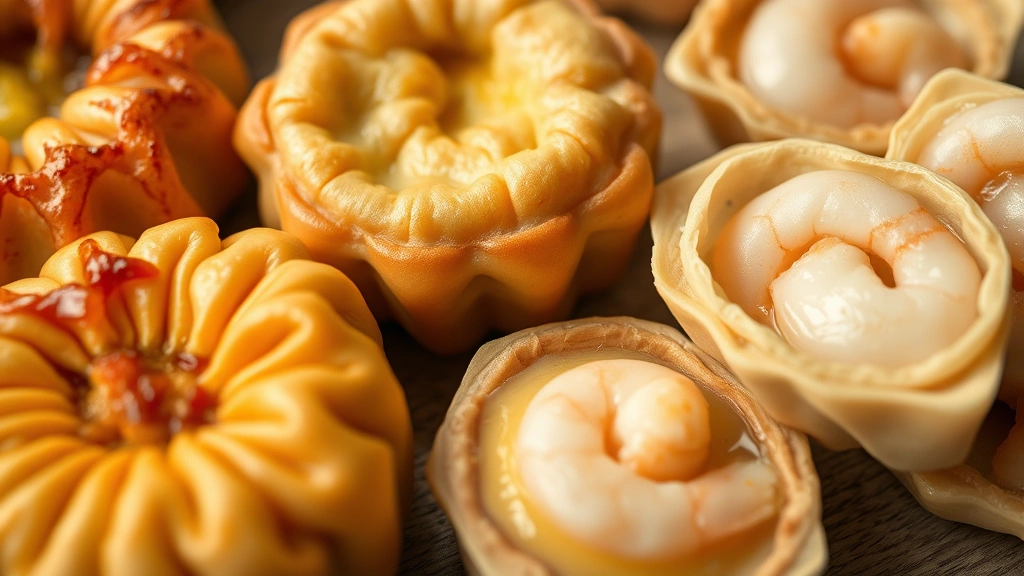
Where China Sea distinguishes itself is through its fun restaurants category offerings, including lesser-seen varieties like taro puffs (wu gok) and shrimp cheung fun. The taro puffs achieve that ideal contrast between the crispy exterior shell and creamy, earthy taro interior, with visible shrimp pieces providing bursts of brininess. The shrimp cheung fun—silky rice noodle rolls enveloping tender shrimp—possesses that barely-set, almost trembling texture that indicates proper steaming rather than overcooking.
The chicken feet in black bean sauce (fung zau) deserve particular attention, as this dish often reveals a restaurant’s confidence in its core clientele and traditional techniques. China Sea presents feet that are tender without mushiness, with the cartilage providing pleasant textural resistance and the black bean sauce coating each piece with its fermented, slightly funky essence. This is not a dish for the faint of palate, but rather a marker of authentic dim sum credibility.
Vegetarian options prove surprisingly sophisticated. The vegetable spring rolls maintain a delicate crispness and contain a medley of vegetables—julienned carrots, cabbage, mushrooms—rather than the filler-heavy versions common elsewhere. The taro and black bean cake offers earthy complexity, with the black beans providing peppery notes against the mild sweetness of taro.
Signature Dishes Worth Ordering
Certain items at China Sea transcend typical dim sum competence and achieve genuine distinction. The sticky rice wrapped in lotus leaf (lo mai gai) exemplifies this category. The rice itself carries subtle fragrance from the lotus leaf, with individually perceptible grains rather than the mushy amalgamation found in lesser preparations. The filling—chicken, Chinese sausage, and shiitake mushrooms—creates a flavor profile that builds complexity with each bite: initial saltiness from the sausage, umami from the mushrooms, and subtle sweetness from the chicken’s caramelization.
The shrimp and scallop dumpling represents another standout, combining two proteins that could easily overpower each other but instead achieve harmonious balance. The shrimp provides delicate brininess while the scallop contributes subtle sweetness and that characteristic tender texture. A thin layer of fish roe adds a gentle pop of briny intensity, elevating the dish from excellent to memorable.
The pan-fried turnip cake (lo bak go) arrives crispy on the exterior with a golden-brown crust that yields to reveal a tender, slightly gelatinous interior studded with preserved turnip and Chinese sausage. The contrast between exterior and interior—between crispness and yielding softness—creates textural interest that justifies ordering multiple pieces.
Perhaps most impressive is the egg custard tart (dan tat), a dessert dim sum that represents the pinnacle of pastry craftsmanship. The butter-based pastry shell shatters delicately under tooth, releasing layers of flaky texture. The custard filling achieves that ideal consistency—silky and smooth with a faint wobble when the plate is moved, not too firm and certainly not watery. The egg custard flavor is clean and pure, with a subtle caramel note from proper baking that never ventures into burnt territory.
For those seeking lunch restaurants with sophisticated offerings, China Sea’s dim sum selection provides excellent value during midday service when prices typically decrease compared to weekend brunch.
Tea Pairing and Beverage Program
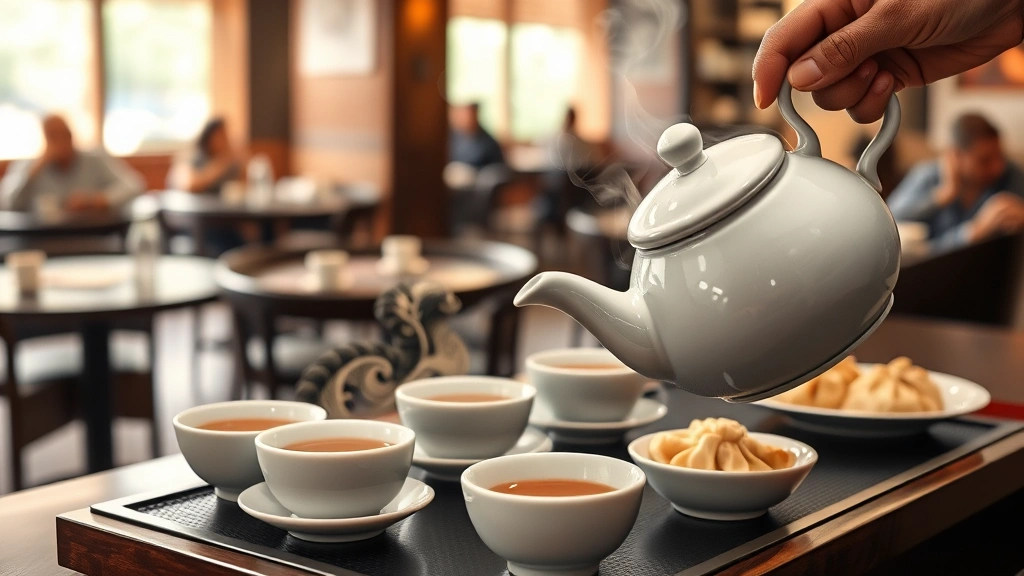
The dim sum experience fundamentally intertwines with tea selection, and China Sea maintains an impressive tea menu that educates rather than merely serves. The server presents options ranging from delicate white teas to robust pu-erh varieties, with genuine knowledge about each selection’s flavor profile and compatibility with specific dim sum items.
The jasmine green tea serves as an excellent foundational choice, its floral notes complementing lighter items like shrimp dumplings and vegetable preparations without overwhelming delicate flavors. The oolong selection—specifically a premium tie guan yin—pairs beautifully with richer items like fatty pork preparations and cream-based fillings. The tea’s partial oxidation creates sufficient body to cleanse the palate without the astringency that can accompany fully oxidized black teas.
For those preferring darker varieties, the pu-erh offerings—both aged sheng and shou styles—provide earthy, mineral-forward profiles that cut through richness and prepare the palate for subsequent bites. The shou pu-erh, with its smooth, almost chocolatey undertones, pairs particularly well with the sticky rice and custard tart selections.
Water temperature and steeping time receive appropriate attention from servers, indicating a commitment to proper tea service that extends beyond merely pouring hot water over leaves. This attention to detail reflects the restaurant’s overall philosophy regarding quality execution.
Value Assessment and Pricing
The pricing structure at China Sea operates on a tiered system based on plate color, a transparent methodology that allows diners to understand cost implications before ordering. Small plates range from approximately $3-4, medium selections occupy the $4-6 range, and premium items reach $7-9. This pricing aligns with comparable establishments in major metropolitan markets, positioning China Sea within the mid-to-upper tier of dim sum dining.
Evaluating value requires contextualizing portion sizes and ingredient quality. The shrimp dumplings, priced at $4.50 for three pieces, contain visibly substantial shrimp that would command premium pricing at any seafood restaurant. The pork and shrimp siu mai, similarly priced, deliver multiple protein elements and precise execution. When compared to best lunch restaurants near me offerings, China Sea provides superior ingredient quality and technical skill relative to pricing.
The tea service, while technically complimentary, adds value through the breadth of selection and knowledge provided. Premium oolong and aged pu-erh selections that might cost $8-12 per pot in specialty tea houses are included in the service charge without upcharge—a generous inclusion that enhances overall value proposition.
Weekend brunch service does command a slight premium over weekday lunch, consistent with industry standards. However, the restaurant offers early-bird pricing for services concluding by 11:00 AM, providing genuine savings for those willing to adjust dining schedules.
A typical dim sum experience for two diners—ordering approximately eight to ten items plus tea service—costs between $45-65 before beverages and gratuity. This positions China Sea as accessible fine dining rather than casual budget dining, appropriate for special occasions while remaining feasible for regular patronage.
Service Quality and Execution
The service model at China Sea operates on multiple levels, each executed with professionalism. The cart servers—primarily older women who embody the traditional dim sum service aesthetic—navigate the dining room with practiced efficiency. They present items clearly, respond to dietary preferences, and maintain genuine warmth in their interactions.
The station manager oversees table-to-table coordination, ensuring carts circulate equitably and returning frequently to check satisfaction levels. This oversight prevents the common dim sum problem of certain tables being neglected while others receive excessive attention. The manager also possesses authority to address concerns immediately rather than requiring escalation through multiple channels.
Water glasses remain filled throughout service, a seemingly minor detail that indicates attentive hospitality standards. Plates are cleared promptly to prevent visual clutter while maintaining easy counting for final billing. When requesting specific items not immediately available on circulating carts, servers consult with the kitchen and typically retrieve items within five to seven minutes.
The only minor service inconsistency involves occasional communication gaps regarding dietary restrictions, suggesting that server training could emphasize initial inquiry about allergies and preferences. However, when restrictions are clearly communicated, the kitchen demonstrates flexibility and accommodation.
For those exploring hole in the wall restaurants near me, China Sea offers a more refined service experience while maintaining authentic Cantonese restaurant character without pretension.
Final Verdict
Is China Sea’s dim sum worth it? The answer is unequivocally affirmative, with important qualifications regarding expectations and dining context.
The restaurant succeeds magnificently at its core mission: delivering authentic, technically accomplished dim sum in an atmosphere that honors traditional Cantonese service conventions while remaining accessible to contemporary diners. The ingredient quality justifies premium pricing, the execution demonstrates consistent technical mastery, and the tea program elevates the experience beyond mere sustenance.
Where China Sea particularly excels is the balance between traditionalism and accessibility. This is not a museum piece attempting to preserve dim sum in amber; rather, it’s a living, evolving restaurant that respects foundational techniques while accommodating modern preferences. The vegetarian options, slightly lighter flavor profiles, and attentive service cater to contemporary sensibilities without compromising authenticity.
The restaurant justifies consideration as a anniversary restaurants near me option for special occasions, offering sophistication and cultural richness that elevate celebrations beyond standard fine dining. The communal nature of dim sum service—particularly with round tables—facilitates conversation and connection in ways that individual plating cannot replicate.
For regular dim sum enthusiasts, China Sea merits frequent patronage. For newcomers seeking to understand dim sum’s appeal and technical excellence, it serves as an exemplary educational experience. The prices, while not budget-friendly, reflect honest value for ingredient quality and skilled execution.
The only caveat applies to those seeking experimentation or molecular gastronomy interpretations of dim sum. China Sea remains devoted to classical preparations, which represents either a strength or limitation depending on one’s dining philosophy.
In conclusion, China Sea delivers on its promise of authentic dim sum dining with contemporary execution. It ranks among the finest dim sum establishments in its market, justifying both its reputation and its prices through consistent quality, respectful service, and genuine commitment to culinary excellence.
FAQ
What are the best times to visit China Sea for dim sum?
Weekday mornings between 10:00 AM and 11:30 AM offer the optimal experience with shorter wait times and early-bird pricing. Weekend brunch service from 10:00 AM to 2:00 PM accommodates larger crowds but requires patience. Avoid peak hours between 11:30 AM and 1:00 PM on Saturdays and Sundays unless you enjoy bustling energy and potential wait times exceeding thirty minutes.
Are reservations recommended or required?
Reservations are accepted and strongly recommended for groups exceeding four people, particularly during weekend service. Individual diners and pairs can typically walk in during off-peak hours without substantial waits. The restaurant’s open seating policy means reservation benefits primarily apply to larger groups seeking guaranteed table availability.
Does China Sea accommodate dietary restrictions?
The restaurant accommodates vegetarian and pescatarian preferences through its dedicated vegetable dim sum selection. Gluten-free accommodations prove more challenging, as soy sauce and many sauces contain gluten, though the kitchen will prepare steamed items without sauce upon request. Shellfish allergies require careful communication, as cross-contamination risk exists in the open kitchen environment.
What is the average cost per person for a complete dim sum experience?
A satisfying dim sum experience typically costs $22-32 per person before beverages and gratuity, depending on portion consumption and item selection. Ordering eight to ten items provides adequate variety and satisfaction for most diners. Premium items and additional proteins increase costs proportionally.
How does China Sea compare to other dim sum establishments in the area?
China Sea distinguishes itself through superior ingredient quality, particularly in shrimp and pork selections, combined with more attentive service than comparable establishments. The tea program exceeds most competitors’ offerings. While some nearby restaurants offer lower prices, they typically sacrifice ingredient quality and consistency. China Sea represents the value-to-quality sweet spot rather than the absolute lowest price point.
Are there options for those unfamiliar with dim sum?
Absolutely. The server staff demonstrates patience with newcomers and provides recommendations tailored to individual preferences. Starting with approachable items like shrimp dumplings, spring rolls, and custard tarts allows gradual palate expansion toward more adventurous offerings like chicken feet and tripe. The communal nature of dim sum encourages sharing and exploration.
Can dim sum be ordered for takeout or delivery?
China Sea offers limited takeout service for dim sum, though items do not travel as well as other cuisines due to texture and temperature sensitivity. Delivery is not recommended, as dim sum quality degrades significantly during transport. The restaurant experience—with tea service and cart interaction—forms an essential component of the dim sum value proposition, making dine-in service vastly superior to takeout alternatives.