Chincoteague’s Best Dishes? Local Taste Test
Nestled on a barrier island off Virginia’s Eastern Shore, Chincoteague Island has quietly cultivated a thriving culinary scene that punches well above its small-town weight. Known for wild ponies and pristine beaches, this charming destination deserves equal recognition for its exceptional dining establishments and distinctive regional flavors. Our comprehensive local taste test explores the most memorable dishes that define Chincoteague restaurants, from fresh-caught seafood to innovative coastal cuisine that captures the essence of the Mid-Atlantic.
When you venture to this island paradise, you’re not just visiting a tourist destination—you’re entering a gastronomic playground where local ingredients reign supreme and chefs honor traditional preparation methods while embracing creative experimentation. The restaurants here source from nearby waters, local farms, and established purveyors who understand the importance of quality and authenticity. Whether you’re seeking casual waterfront dining or upscale culinary experiences, Chincoteague delivers memorable meals that linger on your palate long after your visit ends.
Signature Seafood Experiences
The crown jewel of Chincoteague’s culinary offerings centers on pristine seafood preparations that showcase the island’s bounty. Local oysters represent a cornerstone of the dining experience here, with their briny minerality and subtle sweetness creating an unforgettable first impression. These mollusks arrive at your table with proper chilling, often accompanied by mignonette sauce, cocktail sauce, and fresh lemon wedges that enhance rather than mask their natural essence.
Chincoteague clams deserve particular mention, as these hard-shell specimens possess a tender texture and clean, oceanic flavor that reflects their healthy growing environment. When steamed in white wine with garlic, butter, and fresh herbs, they transform into an elegant appetizer or light entrée that exemplifies coastal simplicity. The clam preparation methodology here honors tradition—minimal intervention allows the ingredient’s inherent quality to shine through without unnecessary embellishment.
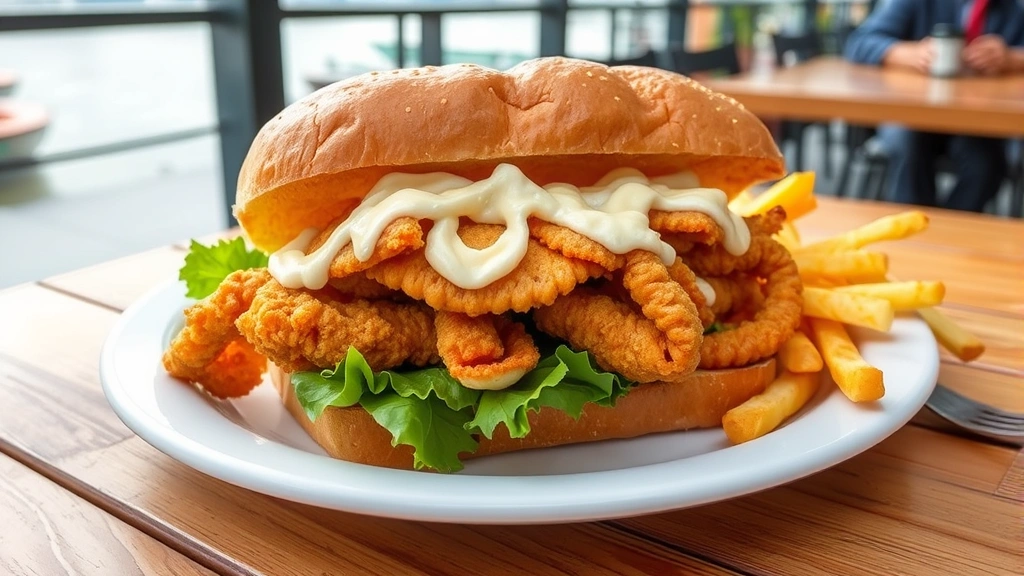
Crab-centric dishes dominate many menus throughout the island, with soft-shell crab representing a seasonal delicacy that locals and visitors anticipate eagerly. The meat’s delicate, sweet character becomes apparent when these crustaceans are lightly breaded and pan-fried until golden, then served alongside seasonal vegetables and drawn butter. The texture contrast—crispy exterior giving way to tender, succulent flesh—creates a sensory experience that defines Mid-Atlantic coastal dining.
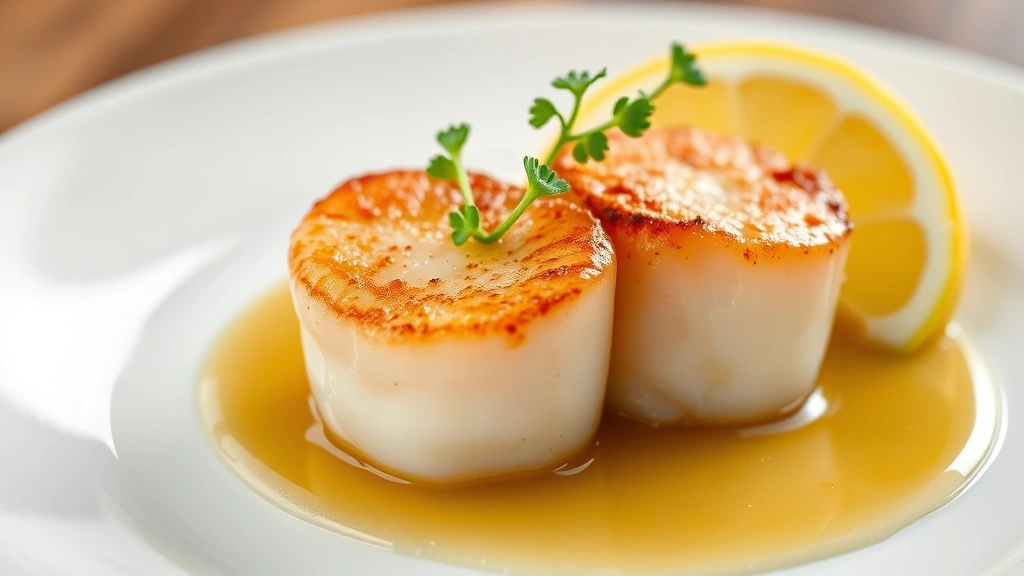
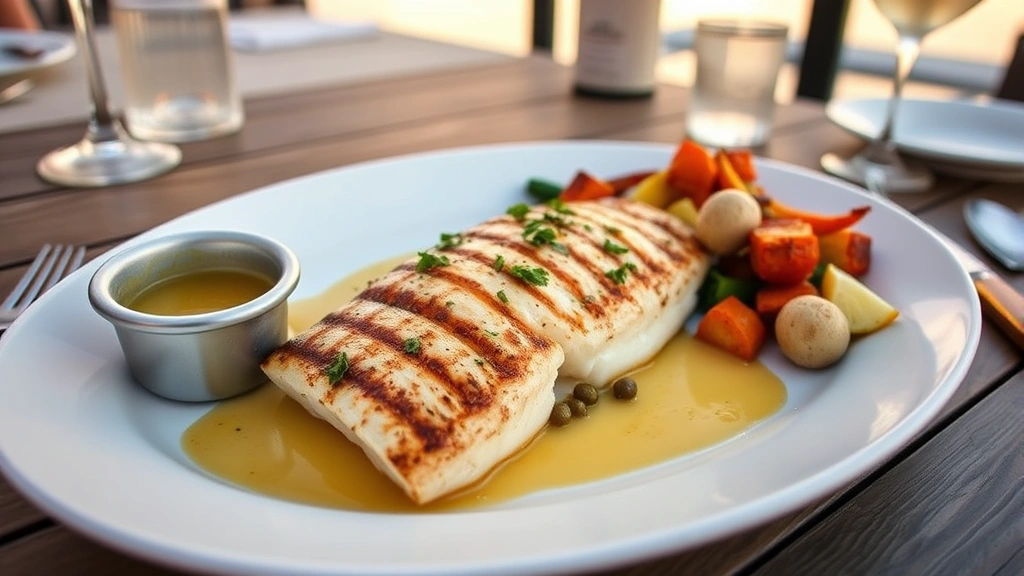
Flounder and other local fish species appear regularly on locally owned restaurants near the area, prepared with techniques that respect their delicate structure and subtle flavor profiles. Whether pan-seared with brown butter and capers or grilled whole with Mediterranean herbs, these fish showcase the pristine quality of local catches. The flesh remains moist and flaky, never overcooked, delivering that perfect balance between textural integrity and flavor development.
Casual Dining Gems
Beyond fine dining establishments, Chincoteague harbors numerous casual restaurants where families and budget-conscious travelers discover exceptional value and genuine hospitality. These establishments often feature relaxed atmospheres, generous portions, and menu items that reflect true island living rather than pretentious culinary posturing. The fish and chips here transcend the typical boardwalk stereotype—crispy beer-battered exteriors encase flaky white fish, accompanied by hand-cut fries with skin-on character that suggests authentic preparation.
Crab cake sandwiches represent another casual category that separates quality establishments from mediocre competitors. The finest versions feature maximum crab content with minimal binder, allowing the meat’s sweetness to dominate each bite. Served on toasted brioche with remoulade and crisp lettuce, these sandwiches provide handheld satisfaction that works equally well for lunch or casual dinner. The contrast between cool, creamy interior and warm bread creates textural complexity that rewards attention.
Shrimp preparations in casual settings range from simple steamed versions with cocktail sauce to more elaborate treatments involving garlic butter, Old Bay seasoning, and fresh herbs. When sourced locally and prepared fresh, shrimp delivers subtle briny notes and tender meat that transcends frozen imports found elsewhere. The sweetness becomes apparent when you taste properly handled specimens, particularly when accompanied by crusty bread for sauce absorption.
Discover more about best lunch restaurants near you to understand how casual establishments create memorable midday experiences. Chincoteague’s lunch scene deserves particular attention, as many restaurants offer lighter preparations and tasting portions that allow exploration across multiple dishes without overwhelming satiation.
Waterfront Atmosphere Dining
The physical setting of dining establishments throughout Chincoteague significantly enhances the overall experience, with outdoor restaurants capitalizing on the island’s natural beauty. Waterfront locations provide sunset views, gentle ocean breezes, and the ambient soundtrack of lapping waves that create an atmosphere impossible to replicate inland. Many establishments feature outdoor seating restaurants near you with covered areas accommodating seasonal weather variations.
The sensory experience of waterfront dining extends beyond visual aesthetics. Salt-tinged breezes carry oceanic aromas that prime your palate for seafood courses ahead. The ambient temperature modulation created by proximity to water keeps diners comfortable during warm summer months. The natural lighting during golden hour transforms simple presentations into photogenic displays that enhance perceived flavor complexity through visual appeal.
Establishments featuring deck seating above the water create intimate connections with the marine environment. Watching fishing boats return with their daily catches while consuming meals prepared from similar specimens creates philosophical resonance with your dining choice. This direct connection between source and plate elevates consciousness about food provenance and sustainable sourcing practices.
Unique Flavor Profiles
Chincoteague’s culinary identity extends beyond straightforward seafood preparations into creative territory where chefs experiment with complementary flavors and unexpected ingredient combinations. Asian-influenced preparations incorporating soy, ginger, and sesame appear alongside traditional European techniques, reflecting contemporary culinary cross-pollination. These fusion approaches work particularly well when respecting ingredient integrity rather than overwhelming delicate flavors with aggressive seasoning.
Mediterranean influences manifest through olive oil-based preparations, fresh herb applications, and vegetable-forward sides that balance rich seafood proteins. Grilled fish with romesco sauce, fennel preparations, and citrus components create brightness that cuts through richness while complementing subtle briny notes. These combinations demonstrate sophisticated understanding of flavor architecture and palate progression.
Old Bay seasoning—the iconic Chesapeake Bay spice blend—appears throughout Chincoteague restaurants with varying degrees of restraint and application. When used judiciously, this complex spice mixture enhances rather than dominates, adding subtle warmth and complexity to crab, shrimp, and fish preparations. Overuse, conversely, masks delicate flavors beneath aggressive spice intensity, demonstrating the importance of chef discretion and ingredient respect.
Cream-based sauces incorporate local ingredients like butter from regional dairies, fresh herbs from nearby farms, and seafood stocks derived from cooking processes. These preparations create luxurious mouthfeel while maintaining focus on primary ingredients rather than sauce dominance. The balance between richness and restraint separates exceptional preparations from heavy, overwrought versions that leave diners feeling satiated rather than satisfied.
Explore Mediterranean dining concepts to understand how international flavor profiles integrate into coastal American cuisine. Greek preparation methods, Spanish techniques, and Italian traditions all influence contemporary Chincoteague dining, creating hybrid approaches that honor tradition while embracing innovation.
Where to Find Local Favorites
Navigating Chincoteague’s restaurant landscape requires understanding neighborhood distributions and establishment specializations. Main Street venues tend toward casual, family-friendly atmospheres with generous portions and approachable menus. These restaurants serve both tourists and local residents, maintaining quality standards that ensure repeat patronage from year-round inhabitants who possess intimate knowledge of food quality and preparation standards.
Waterfront establishments cluster near the harbor, positioning themselves to capitalize on views and fresh ingredient access. These locations typically command premium pricing justified by ambiance, preparation quality, and ingredient freshness that reflects daily deliveries from local fishing operations. The investment in location reflects commitment to sourcing practices and operational excellence.
Residential neighborhoods occasionally harbor hidden gems—smaller establishments operating with minimal marketing that rely entirely on word-of-mouth reputation and repeat customer loyalty. These venues often feature seasonal menus reflecting ingredient availability, limited seating creating intimate atmospheres, and chef-owners maintaining direct quality control. Discovering these establishments requires local guidance or adventurous exploration, but rewards justify the effort.
Understanding family-friendly dining options helps visitors with children navigate menus and atmospheres. Chincoteague restaurants generally maintain welcoming attitudes toward families, offering children’s portions, simplified preparations, and patient service that accommodates younger diners’ needs without condescension.
Seasonal variations significantly impact menu availability and restaurant operating schedules. Summer months feature extended hours, full staffing, and complete menu offerings, while shoulder seasons and winter months may see reduced operations and simplified menus. Planning visits during peak season ensures maximum selection and availability, though off-season dining offers advantages including reduced crowds, more personalized service, and occasionally better pricing for multi-course experiences.
FAQ
What’s the best season to visit Chincoteague for dining experiences?
Summer months (June through August) offer complete menu selections, extended operating hours, and full restaurant staffing, making this optimal for culinary exploration. Shoulder seasons (May and September) provide pleasant weather with reduced crowds and occasionally better service ratios. Winter months feature limited operations, though dedicated food enthusiasts appreciate reduced tourist density and more intimate dining atmospheres.
Are reservations necessary at Chincoteague restaurants?
During peak summer season, reservations prove essential at upscale establishments and popular waterfront venues. Casual restaurants and lunch-focused spots typically operate on first-come, first-served bases, though calling ahead confirms current seating availability. Off-season dining rarely requires reservations except for special occasions or group reservations.
What seafood specialties define Chincoteague’s culinary identity?
Local oysters, clams, crab, and flounder represent cornerstone ingredients that appear throughout the restaurant scene. These ingredients reflect the island’s geographic location and fishing heritage, appearing in preparations ranging from simple steamed presentations to elaborate composed plates. Seasonal variations determine specific availability, with soft-shell crab representing a summer delicacy and oyster season peaking during cooler months.
How do Chincoteague restaurants source their ingredients?
Most establishments maintain direct relationships with local fishermen, farmers, and purveyors who understand quality standards and sustainable harvesting practices. This direct sourcing model ensures ingredient freshness, supports local economy, and reduces environmental impact associated with long-distance transportation. Many restaurants proudly display information about ingredient sources, reflecting commitment to transparency and community relationships.
What price ranges should visitors expect at Chincoteague restaurants?
Casual establishments typically feature entrees ranging from $12-$25, while upscale waterfront restaurants command $25-$50+ per entree. These price points reflect preparation quality, ingredient freshness, and ambiance rather than pretentious fine dining markup culture. Value-conscious diners discover excellent quality at reasonable prices throughout the island, particularly during lunch service and off-season periods.
Are there non-seafood options at Chincoteague restaurants?
While seafood dominates menus, most establishments offer beef, chicken, and vegetarian preparations for diners with different preferences or dietary restrictions. These alternatives receive equal attention regarding sourcing and preparation quality, though they don’t represent the primary culinary focus. Requesting special accommodations typically receives enthusiastic chef response, particularly at smaller establishments.