Best Indian Restaurants? Food Critic’s Top Picks for Authentic Dining
Selecting the right Indian restaurant can transform your culinary journey into an unforgettable exploration of complex spices, time-honored cooking techniques, and regional flavors that span an entire subcontinent. Whether you’re seeking the smoky char of tandoori preparations, the silky richness of cream-based curries, or the fiery heat of South Indian specialties, the choice of Indian restaurant matters significantly. Food critics and seasoned palates understand that authenticity, ingredient quality, and chef expertise create the foundation for exceptional dining experiences that transcend typical restaurant visits.
The contemporary Indian dining landscape has evolved dramatically, with establishments ranging from casual neighborhood gems to refined fine-dining temples of gastronomy. Each venue offers distinct interpretations of traditional recipes, regional specialties, and innovative fusion concepts. This comprehensive guide examines what distinguishes truly exceptional Indian restaurants from mediocre alternatives, helping you make informed decisions about where to invest your dining time and resources.
What Makes an Indian Restaurant Exceptional
The distinction between average and exceptional Indian restaurants begins with fundamental principles that extend far beyond simply serving curries. Authentic Indian establishments demonstrate mastery over tempering techniques—the practice of blooming whole spices in hot oil or ghee to release their essential oils and create layered aromatics. This foundational skill separates restaurants that understand traditional cooking from those merely following recipes. When you taste a properly executed tadka, you experience individual spice notes harmonizing rather than blending into uniform heat.
Exceptional restaurants maintain relationships with specialty spice suppliers, often importing directly from regions where specific varieties are cultivated. The difference between mass-produced turmeric and freshly ground turmeric from the Telangana region becomes immediately apparent on your palate. Similarly, authentic ghee sourced from cultured butter carries a complexity that clarified butter simply cannot replicate. These choices reflect a restaurant’s commitment to quality and understanding of how ingredients impact final dishes.
The best Indian restaurants employ chefs trained through apprenticeship systems or culinary schools that emphasize traditional methodology. The Culinary Institute of America and similar organizations increasingly recognize Indian cuisine’s technical complexity, but many exceptional chefs learned their craft through family traditions or mentorship in India itself. This training background typically manifests in precise heat management, intuitive seasoning adjustments, and understanding of how proteins and vegetables should transform during cooking.
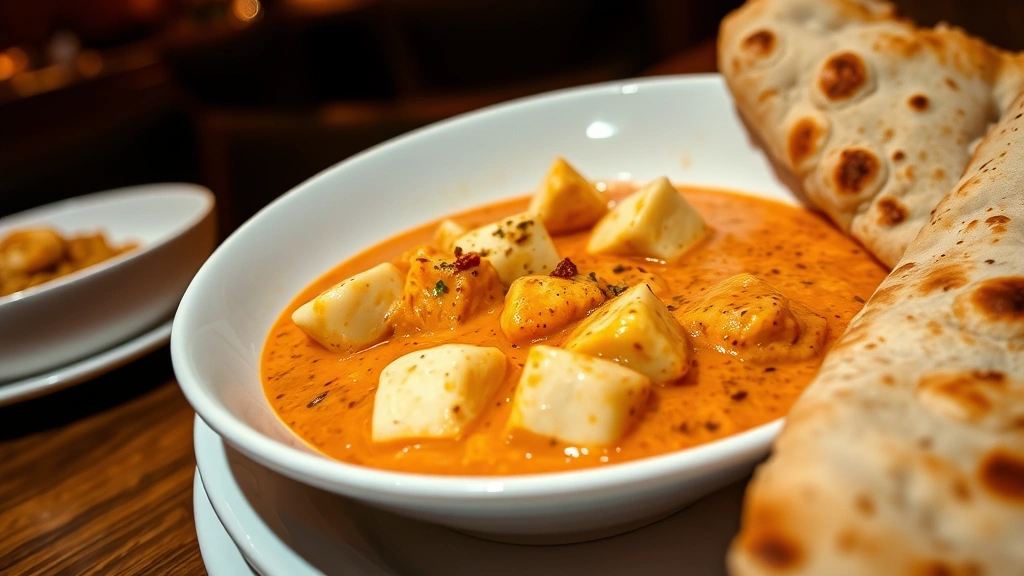
Bread preparation represents another critical indicator of restaurant quality. Hand-rolled rotis, naans blistered in tandoor ovens, and parathas layered with precision require skill and attention that casual establishments rarely prioritize. When you bite into properly prepared naan, the interior should remain slightly chewy while the exterior exhibits charred bubbles and a faint smoky fragrance. This detail alone can define your entire meal experience.
Regional Cuisine Specializations
India’s vast geography encompasses dramatically different culinary traditions, and understanding regional specializations helps you select restaurants aligned with your preferences. North Indian cuisine, characterized by the use of cream, yogurt, and tandoor ovens, dominates many Western markets. However, this regional focus often overshadows equally compelling Southern, Eastern, and Northeastern traditions that deserve exploration.
South Indian restaurants typically emphasize rice-based dishes, coconut preparations, and tamarind-forward flavor profiles. If you seek lighter, more vegetable-intensive options, a best vegan restaurants near me search might reveal South Indian establishments naturally accommodating plant-based preferences. Dosa, uttapam, and sambar represent South Indian excellence, with flavors building through careful spice layering rather than heavy cream additions.
Bengali cuisine introduces mustard oil, fish preparations, and subtle spicing that contrasts sharply with typical North Indian restaurants. The regional emphasis on balance between sweet, salty, and sour creates palates that feel fresh and sophisticated. West Indian Maharashtrian and Gujarati cuisines offer vegetarian sophistication and unique spice combinations rarely encountered outside specialized establishments.
When evaluating a choice Indian restaurant, investigate whether they specialize in specific regions or attempt comprehensive menus spanning all traditions. Specialization typically indicates deeper expertise and more authentic preparations. A restaurant excelling in Hyderabadi biryani or Kerala seafood curries will likely outperform establishments attempting equal excellence across fifteen different regional styles.
Signature Dishes Worth Seeking
Certain preparations serve as quality benchmarks, revealing a restaurant’s technical capabilities and ingredient sourcing. Chicken tikka masala, while sometimes dismissed as inauthentic, demonstrates whether a restaurant understands balance between richness and acidity. The sauce should coat your palate with creamy tomato undertones while maintaining brightness from cream and spices. Poor versions taste one-dimensional, either excessively sweet or aggressively tangy.
Paneer preparations showcase vegetable cookery and understanding of how to handle delicate cheese. Palak paneer, when executed excellently, presents vibrant spinach color and silky texture without the grainy quality that indicates overcooked cheese. The paneer pieces should maintain structural integrity while absorbing sauce flavors.
Biryani represents perhaps the most technically demanding dish, requiring perfect rice cooking, protein marination, and precise layering. Exceptional biryani develops subtle floral aromatics from cardamom and bay leaves, with each grain remaining individually distinct while absorbing meat juices and spice essences. The bottom layer develops a crispy, caramelized texture called tahdig that adds textural complexity.
Tandoori preparations reveal oven management and marination expertise. Properly cooked tandoori chicken emerges with charred exterior, smoky aromatics, and juicy interior. The marinade should penetrate deeply, infusing yogurt and spice flavors throughout the meat rather than remaining superficial.
When exploring restaurants, order these signature dishes before adventuring into specialty preparations. They provide reliable quality indicators and reveal whether you’ve found an establishment worth returning to repeatedly. Restaurants with vegan options near me searches often highlight establishments understanding vegetable cookery fundamentals, which translates to better overall technique.
Spice Complexity and Flavor Profiles
Exceptional Indian restaurants demonstrate mastery over spice complexity rather than simply delivering heat. Your palate should experience individual spice notes—the warming notes of cinnamon, the citrusy brightness of coriander, the earthy undertones of cumin—rather than unified burn. This distinction separates restaurants using spice as a flavor element from those treating it as punishment.
Garam masala quality varies dramatically between restaurants. Freshly ground blends incorporating cinnamon, cardamom, cloves, and black peppercorns offer aromatic complexity that pre-mixed supermarket versions cannot approach. When a restaurant grinds spices in-house, you taste the difference immediately—brighter, more nuanced, with individual components still distinguishable.
Temperature management during cooking dramatically impacts spice expression. High-heat cooking burns spices, creating bitter undertones that mask other flavors. Exceptional restaurants understand that many Indian preparations require moderate heat and extended cooking times, allowing spices to infuse gradually and develop rounded complexity. This patience separates ambitious restaurants from technically proficient ones.
The balance between heat and flavor represents another critical distinction. Restaurants catering to uninitiated palates often increase chili quantity without developing complementary flavor dimensions. Truly exceptional establishments offer spice levels accommodating various tolerances while maintaining flavor sophistication across all heat levels. A mild preparation should taste complex and satisfying, not merely bland with reduced chili powder.
Sourcing practices directly impact spice quality. Restaurants importing spices regularly, particularly from Indian suppliers maintaining freshness standards, deliver noticeably superior results. Stale spices lose volatile aromatics responsible for complexity and brightness. This investment in quality sourcing often correlates with overall restaurant excellence.
Ingredient Quality and Sourcing
The quality of individual ingredients fundamentally determines final dish quality. Exceptional Indian restaurants maintain relationships with specialty suppliers, often seeking ingredients unavailable through standard restaurant distribution channels. This commitment requires additional effort and expense, but discerning palates recognize the difference immediately.
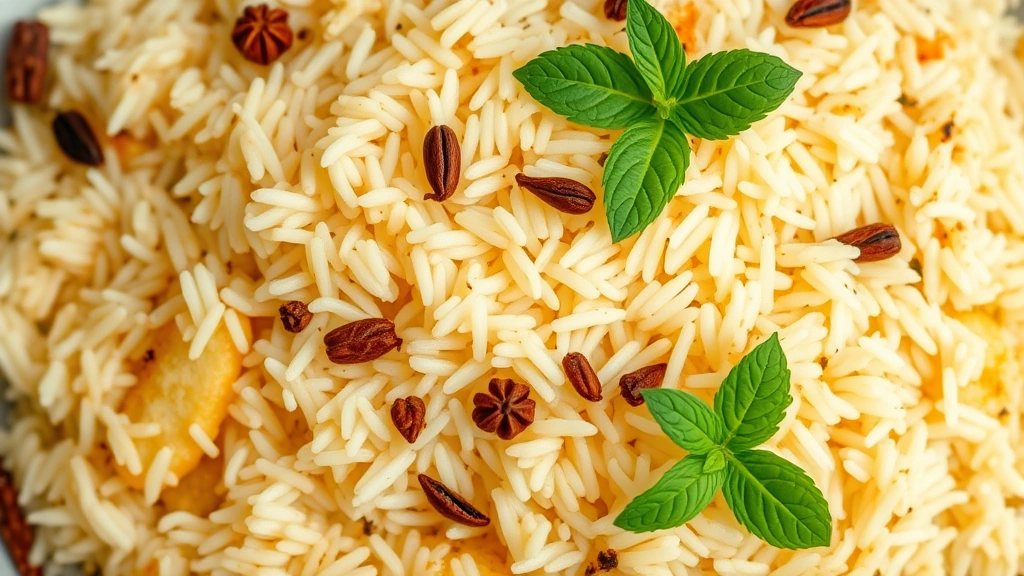
Basmati rice quality varies significantly. Aged basmati develops superior fragrance and texture compared to younger rice. Premium restaurants source aged basmati, often from specific growing regions, understanding that this ingredient represents a substantial portion of many dishes. The rice should remain fluffy and individual after cooking, never mushy or clumped.
Ghee sourcing represents another quality indicator. Cultured ghee from grass-fed dairy carries complexity that standard clarified butter lacks. The aroma should be richly nutty with subtle caramel notes. When ghee appears as a finishing element, its quality becomes immediately apparent on your palate.
Protein selection matters equally. Restaurants sourcing premium chicken, lamb, and seafood deliver noticeably superior results. The texture of properly sourced proteins remains tender and flavorful rather than becoming stringy or dry. Additionally, ethical sourcing practices often correlate with superior ingredient quality, as producers maintaining higher animal welfare standards typically emphasize overall product quality.
Dairy products including yogurt, paneer, and cream significantly impact numerous preparations. Full-fat yogurt with live cultures provides better marination and sauce development than low-fat alternatives. Paneer made fresh in-house or sourced from specialty producers offers superior texture compared to mass-produced versions.
Vegetable sourcing, while often overlooked, impacts dishes substantially. Restaurants purchasing from local farmers markets or maintaining relationships with specialty produce suppliers access fresher, more flavorful vegetables. This becomes particularly apparent in vegetable-forward dishes where produce quality cannot be masked by heavy sauces.
Dining Atmosphere and Service Excellence
The dining environment contributes significantly to your overall experience and perception of food quality. Exceptional Indian restaurants balance authentic atmosphere with modern comfort, creating spaces where you feel welcomed rather than like tourists observing cultural display.
Service quality distinguishes truly exceptional establishments. Staff should understand menu items thoroughly, offering informed recommendations based on your preferences and spice tolerance. They should explain preparation methods, ingredient origins, and regional significance without condescension. This knowledge indicates training depth and restaurant investment in customer education.
Pacing represents another service element often overlooked. Courses should arrive at appropriate intervals, allowing you to savor each dish fully before the next arrives. Rushed service diminishes your ability to appreciate subtle flavors and complexity. Conversely, excessive delays between courses disrupt your dining rhythm.
Temperature management during service matters significantly. Hot dishes should arrive genuinely hot, not lukewarm. Proper plating and service techniques ensure food reaches your table at optimal temperatures for flavor perception. The difference between tasting a curry at proper temperature versus slightly cooled is substantial.
Ambiance should enhance rather than distract from your meal. Thoughtful lighting, appropriate music volume, and comfortable seating create environments conducive to focused eating and conversation. While many exceptional Indian restaurants embrace vibrant colors and traditional décor, execution matters—restaurants should feel intentional rather than cluttered or overwhelming.
Price Points and Value Assessment
Determining fair pricing for Indian restaurants requires understanding ingredient costs, labor investments, and operational expenses. Exceptionally cheap restaurants often compromise on ingredient quality and preparation techniques. However, extremely high prices don’t necessarily guarantee superior food—sometimes you’re paying for ambiance or location rather than culinary excellence.
Value-conscious diners should seek restaurants offering lunch specials or prix-fixe menus. These offerings often provide excellent value while allowing you to sample multiple dishes. Many exceptional restaurants price lunch service more affordably than dinner, making this an excellent strategy for budget-conscious exploration.
When comparing prices between restaurants, consider ingredient quality, portion sizes, and preparation complexity. A biryani priced significantly below competitors’ offerings likely reflects inferior ingredients or shortcuts in preparation. Conversely, restaurants charging premium prices should demonstrate corresponding quality in every element—from spice freshness to service attentiveness.
Beverage programs represent another value consideration. Exceptional Indian restaurants offer thoughtful pairings including traditional beverages like lassi and modern options like craft cocktails. Restaurants investing in quality beverages often demonstrate overall commitment to customer experience.
Building relationships with restaurants you enjoy often yields benefits. Regular patrons frequently receive complimentary items, menu accommodations, and special pricing. This loyalty creates incentives for restaurants to maintain quality standards and personal connections with returning customers.
If you’re exploring diverse cuisines, 24 hours restaurants near me searches might reveal Indian establishments offering extended service hours, though remember that exceptional food requires proper preparation time—restaurants rushing to serve 24-hour menus may compromise quality.
Complementary Dining Experiences
Expanding your culinary horizons beyond Indian cuisine enhances your appreciation for diverse cooking techniques and flavor philosophies. Authentic Italian restaurants near me exploration reveals different approaches to ingredient quality, technique precision, and regional specialization that parallel Indian cuisine’s complexity. Both traditions emphasize fresh ingredients, technical skill, and regional variation.
Similarly, exploring Armenian restaurant near me options exposes you to Middle Eastern spice applications and cooking methodologies that share certain philosophical similarities with Indian traditions. Understanding how various cuisines approach similar ingredients—spices, ghee, yogurt—deepens your overall culinary literacy.
For those interested in vegetable-forward cooking, understanding best sauce recipes for pasta techniques reveals how different cuisines create complex flavors through sauce development. Indian cooking shares with Italian traditions an emphasis on building layered flavors through careful ingredient combination and cooking technique.
These complementary explorations enhance your ability to evaluate Indian restaurants by providing comparative context. You develop refined palates recognizing quality ingredients, proper technique, and thoughtful execution across diverse culinary traditions.
How to Evaluate Your First Visit
Approaching your first visit to a potentially exceptional Indian restaurant with intentional evaluation strategies maximizes learning. Order signature dishes you can compare across multiple restaurants—this builds a database of quality standards. Take mental notes about spice freshness, sauce consistency, protein texture, and overall balance.
Pay attention to how flavors evolve as you eat. Exceptional dishes reveal complexity as you progress through your meal, with different spice notes becoming apparent at different moments. Poor preparations taste consistent throughout, with flavors remaining flat and one-dimensional.
Notice your palate’s response to heat. Authentic spice should create warmth that builds gradually and lingers pleasantly rather than immediate sharp pain. Quality spice hits the back of your throat gently, warming your palate without overwhelming other flavors.
Observe service details. How staff responds to special requests, how attentively they monitor your needs, and how knowledgeable they are about menu items all indicate restaurant quality. Exceptional establishments prioritize customer satisfaction and education.
Consider the overall experience—not just individual dishes but how elements combine to create a cohesive dining journey. The best restaurants balance food quality, service excellence, reasonable pricing, and welcoming atmosphere.
FAQ
What distinguishes authentic Indian restaurants from Americanized versions?
Authentic Indian restaurants emphasize ingredient quality, traditional cooking techniques, and regional specialization. They source specialty ingredients, employ chefs trained in classical methods, and maintain recipes reflecting regional traditions rather than simplified versions accommodating Western palates. While adaptation isn’t inherently negative, authentic establishments balance accessibility with culinary integrity.
How important is chef background when evaluating Indian restaurants?
Chef background significantly impacts restaurant quality. Chefs trained through apprenticeship in India or classical culinary schools typically demonstrate superior technique, ingredient knowledge, and understanding of traditional flavor development. However, talented self-taught chefs and those trained through family traditions also produce exceptional food. Focus on results rather than exclusively on credentials.
Should I avoid restaurants with extensive menus?
Extensive menus don’t automatically indicate poor quality, but specialization often correlates with excellence. Restaurants attempting comprehensive coverage of multiple regional cuisines may lack depth in any single area. However, well-established restaurants with substantial resources can maintain quality across diverse offerings. Evaluate execution rather than menu size exclusively.
What questions should I ask servers about dishes?
Ask about preparation methods, primary ingredients, spice levels, and regional origins. Inquire about specialty items or chef’s recommendations. Ask whether dishes contain common allergens or ingredients you prefer avoiding. Knowledgeable servers provide detailed answers, while unprepared staff may deflect or provide vague responses—this indicates training quality.
How do I know if a restaurant uses fresh spices?
Fresh spices smell vibrant and aromatic. When you taste dishes, individual spice notes should be distinguishable rather than blended into uniform flavor. Stale spices taste dull and slightly bitter. Additionally, restaurants discussing spice sourcing or mentioning in-house grinding typically prioritize freshness. Ask directly—quality establishments proudly discuss their sourcing practices.
What’s the relationship between price and quality in Indian restaurants?
Higher prices don’t guarantee superior food, but exceptionally low prices often indicate compromised ingredients or preparation shortcuts. Mid-to-premium pricing typically reflects quality ingredients and skilled labor. Evaluate pricing relative to ingredient quality, portion sizes, and preparation complexity rather than accepting price as sole quality indicator.
How should I approach exploring unfamiliar dishes?
Start with signature items providing quality benchmarks, then gradually explore unfamiliar preparations. Ask servers about dishes you don’t recognize—their explanations help you make informed choices. Don’t hesitate requesting modifications if you have spice tolerance concerns. Exceptional restaurants accommodate requests while maintaining dish integrity.
What role does regional specialization play in restaurant selection?
Regional specialization often indicates deeper expertise and more authentic preparations. A restaurant excelling in Hyderabadi biryani or Kerala seafood likely demonstrates superior technique in those areas compared to establishments attempting equal excellence across all Indian regions. However, well-executed comprehensive menus exist—evaluate execution rather than specialization exclusively.
How frequently do exceptional restaurants change their menus?
Truly exceptional Indian restaurants typically maintain consistent core menus reflecting signature expertise while offering seasonal specials featuring fresh ingredients. Frequent menu changes might indicate inconsistency or lack of refined focus. However, thoughtful seasonal updates demonstrate attention to ingredient quality and culinary creativity.