Late-Night Dining? Chef-Approved Spots Here!
When midnight hunger strikes or you’re craving an exceptional meal after the sun sets, knowing where to find quality late-night dining transforms your evening from ordinary to unforgettable. The culinary landscape after dark reveals a different breed of restaurants—establishments where chefs truly showcase their artistry, where the pace slows enough to perfect each plate, and where night owls discover some of the most innovative flavors in the city. Late-night restaurants operate with a distinct philosophy, often featuring specialized menus that differ dramatically from daytime offerings, staffed by chefs who have honed their craft through years of service and experimentation.
The experience of late-night dining extends far beyond simply satisfying hunger; it’s about discovering establishments where culinary professionals gather after their own shifts end, where the atmosphere crackles with creative energy, and where you’ll encounter dishes that push boundaries and celebrate bold flavor combinations. Whether you’re seeking vibrant street food, sophisticated small plates, or hearty comfort fare, the nocturnal dining scene offers treasures that reward exploration. This guide reveals chef-approved late-night establishments that deliver exceptional taste experiences, thoughtfully curated menus, and the kind of authentic hospitality that transforms a simple meal into a memorable occasion.
Understanding Late-Night Dining Culture
Late-night dining represents a fascinating subculture within the broader culinary world, one where different rules apply and exceptional quality often emerges from unexpected venues. The chefs who staff these establishments typically possess a particular philosophy—they understand that customers arriving after midnight aren’t seeking rushed experiences or mediocre execution. Instead, these diners represent the most dedicated food enthusiasts, those willing to sacrifice sleep for remarkable flavors and genuine hospitality. This clientele attracts the most passionate culinary professionals, creating a virtuous cycle where excellence becomes the standard rather than the exception.
The rhythm of late-night kitchens differs fundamentally from daytime operations. Without the volume pressures of lunch rushes or early dinner service, chefs can dedicate attention to technique, presentation, and flavor development that might seem impossible during peak hours. Many establishments use their late-night hours to experiment with new concepts, test innovative preparations, and refine signature dishes. This experimental environment frequently produces breakthrough flavors and techniques that eventually influence the broader culinary landscape. The atmosphere carries an intimate quality—fewer tables mean more personal attention from both kitchen and front-of-house staff, creating connections between chef and diner that rarely occur in busier settings.
When exploring restaurante mexicano cerca de mi options, you’ll discover that many exceptional Mexican establishments thrive during late-night hours, offering traditional preparations and regional specialties that showcase the depth of Mexican culinary traditions. These venues often feature family recipes passed through generations, with chefs who have dedicated their entire careers to perfecting traditional techniques. The late-night Mexican dining scene particularly excels at delivering authentic flavors—from complex mole preparations to perfectly executed ceviche—that demand the kind of focused attention only possible outside peak service periods.
Understanding this culture means recognizing that late-night dining isn’t simply about availability; it’s about accessing a different tier of culinary expertise and authenticity. The chefs working these hours have typically chosen this schedule deliberately, often because they find greater creative satisfaction in the relaxed environment and more engaged clientele. This intentional choice distinguishes truly excellent late-night establishments from those merely extending hours out of commercial necessity.
Chef-Approved Late-Night Cuisine Styles
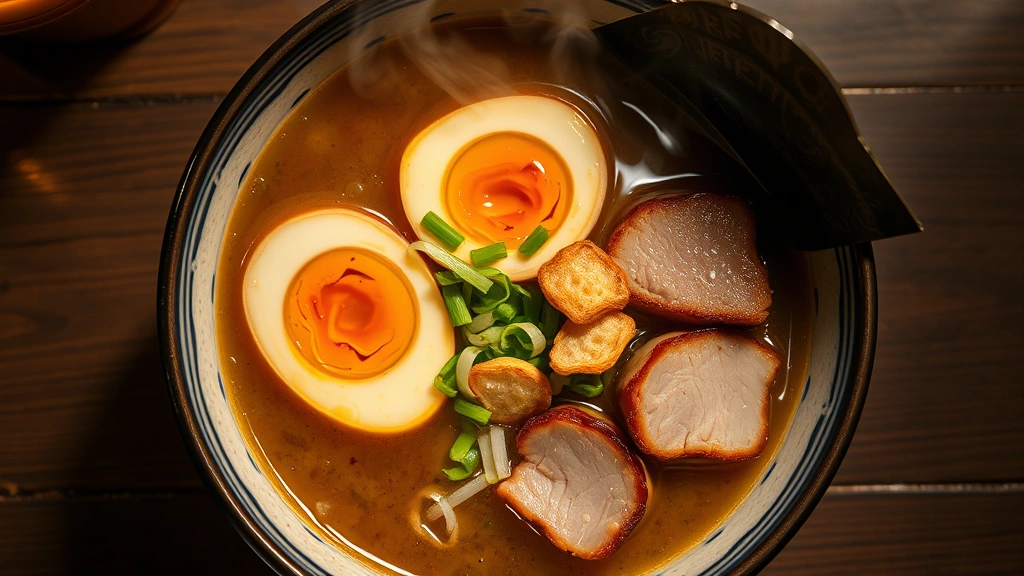
The most celebrated late-night dining destinations across North America showcase diverse culinary traditions, each bringing distinctive flavor profiles and preparation philosophies to the after-hours table. Asian cuisine dominates the late-night scene, with ramen shops, Korean BBQ establishments, and Chinese dim sum venues operating into the early morning hours. These restaurants thrive on late-night service because their cuisine aligns perfectly with nocturnal dining—the warming, restorative qualities of ramen broths, the interactive and social nature of Korean grilling, and the variety available through dim sum service all create compelling reasons to dine late. The flavors in these cuisines—layered broths developed over days, perfectly charred proteins, delicate dumpling wrappers encasing complex fillings—reward the patient appreciation that late-night diners can offer.
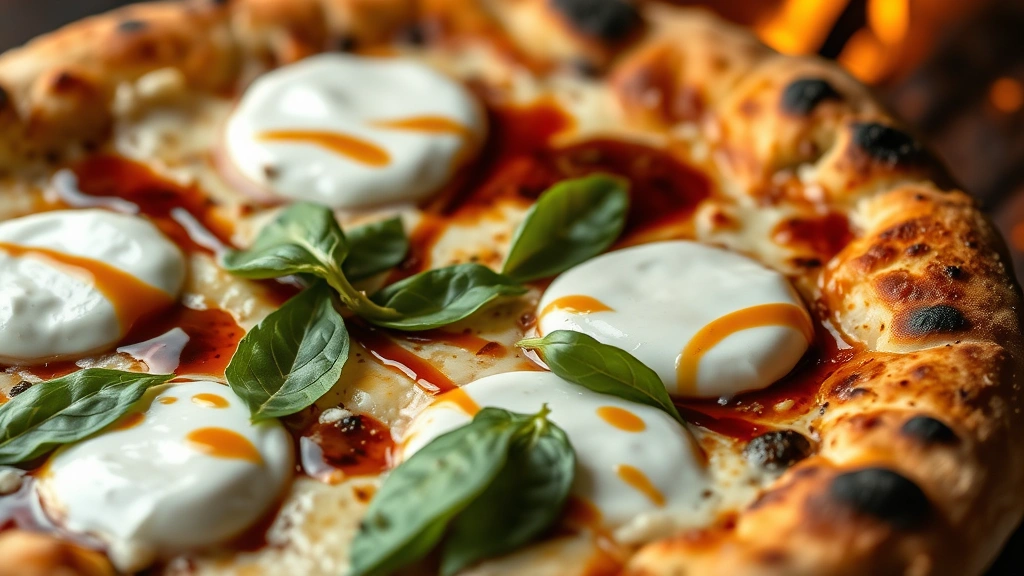
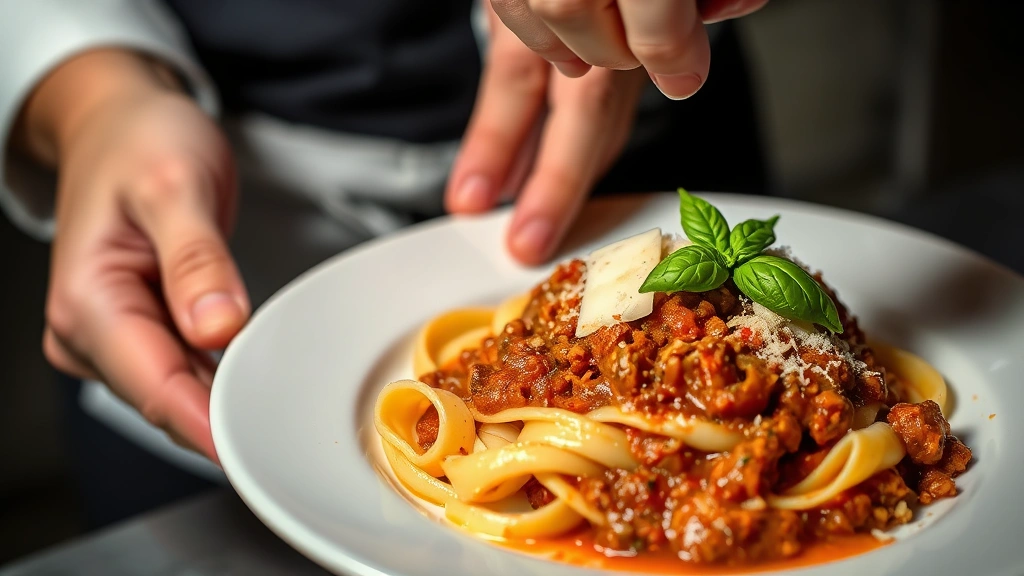
Mediterranean and Italian establishments have emerged as late-night champions, particularly those focusing on best homemade pasta recipes executed with rigorous precision. These restaurants understand that late-night diners often seek comfort alongside sophistication—a bowl of hand-rolled pappardelle with rich Bolognese sauce or delicate ravioli filled with seasonal ingredients provides exactly this balance. The pasta-forward approach allows chefs to showcase their technical mastery while delivering genuinely satisfying meals that never feel heavy despite arriving close to midnight. The tomato-based sauces, herb-infused olive oils, and properly aged cheeses create flavor combinations that taste even more vibrant in the quiet hours when your palate isn’t fatigued by earlier meals.
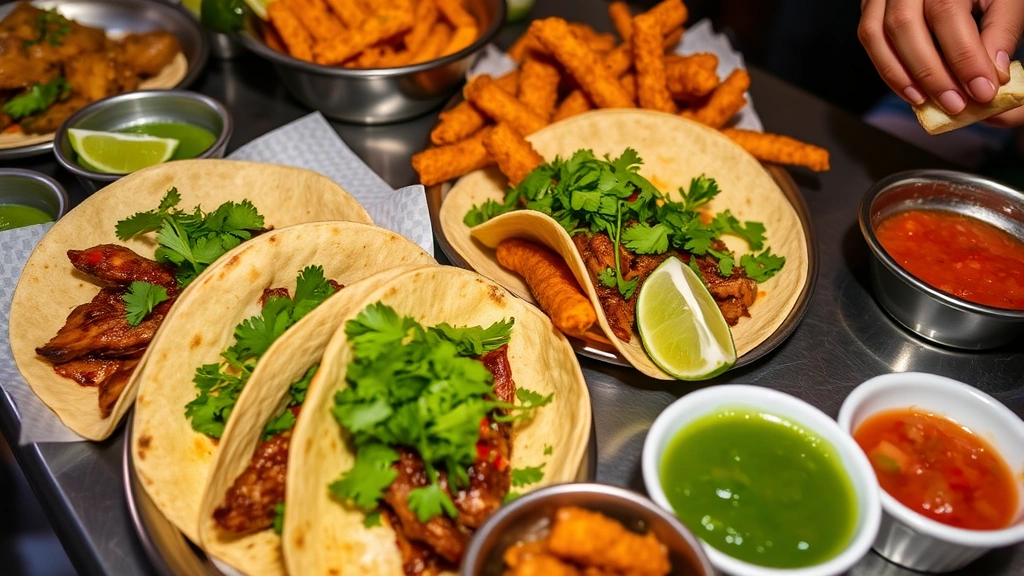
Mexican cuisine maintains a powerful presence in late-night dining, with establishments ranging from casual taquerias to upscale restaurants exploring regional specialties. When seeking quality restaurante mexicano cerca de mi, prioritize venues where chefs demonstrate genuine knowledge of regional variations—the differences between Oaxacan and Yucatán preparations, the proper techniques for building layer-upon-layer of flavor in traditional moles, the art of achieving perfect char on grilled proteins. Late-night Mexican establishments often feature mezcal programs and craft cocktails that pair beautifully with the bold, complex flavors characteristic of the cuisine. The smoky undertones, bright citrus notes, and careful balance of heat and richness in quality Mexican food actually improve when experienced without the fatigue of a full day’s eating.
American comfort food and barbecue restaurants have successfully adapted to late-night service, recognizing that their flavor profiles—smoky, rich, deeply savory—appeal to night owls seeking substantial, flavorful meals. The smoking process, which often extends through overnight hours anyway, makes these establishments natural fits for extended service. Smoked brisket, ribs glazed with carefully balanced sauces, and properly rendered pork shoulder offer the kind of satisfaction that late-night diners crave. The umami-rich flavors from slow-smoking processes create deeply gratifying taste experiences that feel appropriate for evening indulgence.
For those seeking lighter options during late-night hours, easy Asian dinner recipes executed by skilled chefs showcase how Asian cuisines excel at balancing richness with brightness. Vietnamese pho, Thai curries with carefully calibrated spice levels, and Japanese yakitori all demonstrate how Asian chefs use acid, heat, and aromatic elements to create meals that feel nourishing rather than heavy, even when consumed late.
Indian restaurants have increasingly embraced late-night service, offering complex spice combinations and slow-cooked preparations that benefit from unhurried execution. The layering of spices in proper Indian cooking—the tempering of whole seeds, the careful building of aromatics, the precise timing of ingredient additions—requires the focused attention that late-night kitchens can provide. A properly executed butter chicken or lamb vindaloo showcases why Indian chefs command respect in professional kitchens worldwide.
Evaluating Quality Late-Night Establishments
Distinguishing genuinely excellent late-night restaurants from mediocre ones requires understanding specific markers of quality that extend beyond basic cleanliness or service speed. Begin by examining the chef’s background and training—establishments where the executive chef or owner has trained at recognized culinary institutions or worked under respected mentors typically maintain higher standards. Research whether the establishment has received recognition from culinary organizations, food critics, or industry peers. Look for Michelin Guide recognition, mentions in James Beard Award considerations, or consistent praise from International Association of Culinary Professionals members.
Examine the sourcing practices—quality late-night establishments maintain relationships with specific purveyors, often featuring seasonal menus that reflect ingredient availability rather than forcing consistency through frozen or pre-prepared components. Ask servers about protein sources, produce origins, and preparation methods. Chefs passionate about their craft enthusiastically discuss these details, while those cutting corners typically provide vague responses. The presence of a detailed menu with clear descriptions indicates a chef confident in their preparations and willing to educate diners about their approach.
Observe the kitchen’s organization and efficiency during your visit. Professional kitchens maintain clear stations, communicate through established protocols, and execute orders with precision regardless of volume. Even during busy service, you should notice calm focus rather than chaos. The plating should demonstrate consistent quality and attention to detail—garnishes shouldn’t appear haphazard, sauces should be applied with intention, and components should be arranged thoughtfully rather than simply deposited on the plate.
Pay attention to beverage programs, particularly cocktail offerings. Establishments investing in late-night service typically employ skilled mixologists who understand flavor pairing and can discuss their creations intelligently. The presence of fresh juices, house-made syrups, and carefully selected spirits suggests an operation that considers every element of the dining experience. Similarly, wine programs should reflect thoughtful curation rather than simply featuring popular labels at inflated markups.
The staff’s knowledge represents another crucial quality indicator. Servers should understand their menu thoroughly, including preparation methods, ingredient sources, and chef’s intentions behind specific dishes. They should be able to make informed recommendations based on your preferences and dietary considerations. Front-of-house staff working in quality establishments typically receive ongoing training from management and chefs, ensuring consistent communication of the restaurant’s philosophy and values.
Finding Hidden Gems in Your Area
Discovering exceptional cheap restaurants near me that maintain quality standards requires strategic exploration and willingness to venture beyond obvious choices. Begin by researching chef-operated establishments in your area—when chefs own their restaurants, they typically maintain stricter quality control because their reputation depends directly on consistent excellence. Look for venues where the owner’s name appears prominently and where they maintain visible presence during service hours.
Social media provides valuable reconnaissance tools for identifying quality establishments. Rather than simply scrolling through photos, examine how restaurants engage with customers—do they respond thoughtfully to questions and feedback? Do they showcase their ingredients and preparation processes? Do their posts reflect genuine passion for their craft? Accounts demonstrating these characteristics typically represent establishments worth visiting. Follow local food critics, culinary educators, and chef associations to discover recommendations from experienced professionals rather than relying solely on algorithm-driven review sites.
Visiting during off-peak hours allows you to assess an establishment’s true standards. A restaurant maintaining quality during slow late-night service demonstrates genuine commitment to excellence rather than simply performing well during busy periods. Order simple dishes that reveal fundamental technique—a perfectly cooked egg, a simple pasta, a well-executed sauce—rather than complex preparations that might mask mediocre execution through sheer elaborateness.
Connect with your local culinary community through cooking classes, farmers market visits, and food-focused events. These connections often lead to insider knowledge about which establishments deserve your patronage and which chefs are currently doing interesting work. Professional chefs frequently recommend each other’s restaurants, so asking your favorite chef where they dine late-night typically yields excellent suggestions.
For those seeking family restaurants near me with late-night service, look for establishments that balance accessibility with quality—venues where children feel welcome without the restaurant compromising its culinary standards. These establishments typically feature simpler menu options alongside sophisticated preparations, allowing families to dine together without sacrificing quality.
Menu Strategies for Late-Night Dining
Approaching late-night menus strategically enhances your dining experience and reveals chef’s capabilities. Many establishments feature different menus during late-night hours—sometimes simplified versions focusing on kitchen strengths, sometimes entirely different offerings tailored to the after-hours clientele. Ask servers about these variations and understand the reasoning behind menu selections. Late-night menus often emphasize dishes that maintain quality during service rushes while showcasing particular technical expertise.
Consider ordering family-style when dining with companions—this approach allows you to sample broader menu selections and experience how different dishes interact on your palate. Professional chefs often recommend this dining style because it encourages conversation, slows the pace of consumption, and creates more engaging flavor experiences. The contrast between different dishes, the way flavors build and evolve across multiple courses, and the social element of shared dining all contribute to more memorable meals.
Don’t hesitate to ask chefs or servers for recommendations—this demonstrates respect for their expertise and often results in exceptional dishes you might have overlooked. Express any preferences, dietary restrictions, or flavor preferences clearly, and allow the kitchen flexibility in executing recommendations. Many chefs appreciate the opportunity to prepare off-menu items or modifications when they understand your preferences and can create something tailored specifically to your tastes.
Late-night dining often pairs beautifully with vegetarian pasta recipes executed with the same technical precision as meat-based preparations. Quality establishments understand that vegetarian dining shouldn’t mean simplified or less interesting food—instead, skilled chefs approach vegetable-forward preparations with the same creativity and technique they apply to protein-based dishes. Seasonal vegetable pastas, properly executed, showcase how vegetables can deliver complex, satisfying flavors when given appropriate attention and preparation.
Build your meal progression thoughtfully—begin with lighter preparations that awaken the palate, progress to richer or more complex dishes as your taste receptors acclimate, and consider finishing with lighter courses or palate cleansers. This progression, familiar from fine dining but applicable in any quality restaurant, ensures that each course tastes optimal and that later dishes don’t suffer from palate fatigue.
Pairing Beverages with Late-Night Fare
Late-night dining calls for thoughtful beverage pairing that complements food while considering the hour and your energy level. Quality establishments employ knowledgeable servers or sommeliers who understand how different beverages interact with specific dishes and can make recommendations aligned with your preferences. Wine pairings should account for the richness and intensity of late-night cuisine—heavier preparations often pair beautifully with wines offering good acidity to cut through richness, while lighter dishes benefit from more delicate wines.
Craft cocktails designed specifically for late-night service often feature ingredients and flavor profiles that pair thoughtfully with the restaurant’s cuisine. Ask mixologists about house specialties and their inspiration—the best cocktails tell stories about the establishment’s philosophy and often incorporate locally-sourced or house-made components. These beverages should enhance rather than overshadow food flavors, providing complementary notes that create harmonious dining experiences.
Beer programs deserve serious consideration in late-night establishments, particularly those serving Asian, Mexican, or American cuisine. Skilled bartenders understand how different beer styles—from crisp pilsners to complex IPAs to smooth stouts—interact with specific dishes. The carbonation in beer provides palate cleansing properties particularly valuable during rich meals, while beer’s flavor complexity can echo and complement food preparations in sophisticated ways.
Non-alcoholic options should receive equal attention in quality establishments. Thoughtfully crafted mocktails, fresh-pressed juices, interesting tea selections, and house-made sodas demonstrate respect for diners choosing not to consume alcohol. These beverages should taste equally considered and delicious as their alcoholic counterparts, never feeling like afterthoughts.
FAQ
What time do most chef-approved late-night restaurants open their kitchens?
Most quality late-night establishments begin service around 10 PM or 11 PM, though some remain open significantly later—until 2 AM, 3 AM, or even 24 hours in certain markets. Research specific venues to understand their hours, as late-night service varies considerably by location, cuisine type, and establishment philosophy. Many restaurants maintain different kitchen operations during late-night hours, sometimes with specialized menus optimized for these periods.
How do I know if a late-night restaurant maintains quality standards?
Examine the chef’s training and background, research critical recognition and industry awards, observe kitchen organization during your visit, assess staff knowledge about menu items, and evaluate ingredient sourcing practices. Quality establishments consistently demonstrate these markers across all service periods. Don’t hesitate to ask servers about preparation methods, ingredient sources, and chef’s intentions—knowledgeable, enthusiastic responses indicate genuine commitment to excellence.
Are late-night restaurants more expensive than daytime establishments?
Pricing varies considerably among late-night establishments. Some offer exceptional value because reduced volume allows lower overhead, while others command premium pricing due to specialized ingredients or renowned chefs. Research specific venues to understand pricing structures. Many quality late-night establishments actually offer better value than comparable daytime restaurants because they focus on efficiency and specialized menus rather than broad appeal.
What should I order to best experience a late-night restaurant’s capabilities?
Order signature dishes where the chef has invested particular attention, ask for staff recommendations, and consider ordering family-style to sample broader menu selections. Simple preparations often reveal fundamental technique better than complex dishes—a perfectly cooked protein, a well-executed sauce, or a simple pasta demonstrates whether a kitchen maintains quality standards. Don’t hesitate to ask the chef to prepare something special based on your preferences.
How does late-night dining differ flavor-wise from daytime meals?
Your palate changes throughout the day—morning palates appreciate brightness and acidity, while evening palates often crave richer, more complex flavors. Late-night kitchens often adjust preparations to reflect these shifts, emphasizing umami-rich components, deeper spice profiles, and more substantial preparations. Additionally, eating without the fatigue of earlier meals allows you to appreciate subtle flavor nuances more fully, making even familiar dishes taste more vibrant and interesting.
Should I make reservations at late-night restaurants?
Many quality late-night establishments operate on first-come, first-served bases, though some accept reservations. Research specific venues and call ahead to understand their policies. Making reservations when available demonstrates respect for the kitchen’s planning and typically ensures better service and potentially more attention from chefs and servers. Even establishments without formal reservation systems often appreciate advance notice for larger parties.