Is Cancun’s Mexican Food Authentic? A Comprehensive Taste Test Review
Cancun has become synonymous with beachfront resorts and tourist destinations, but beneath the glittering veneer of this Caribbean paradise lies a critical question: does the Mexican cuisine served in Cancun’s restaurants truly represent the authentic flavors of Mexico, or has it been diluted and adapted for international palates? As someone who has spent considerable time exploring culinary traditions across Mexico, I decided to undertake an extensive taste test of various Cancun Mexican restaurants to separate genuine regional cuisine from tourist-oriented imitations.
My investigation took me through the bustling restaurant scene in Cancun’s Hotel Zone, downtown establishments, and beachfront venues. What I discovered was a complex tapestry of culinary authenticity—some establishments honor traditional preparation methods with meticulous precision, while others prioritize accessibility and international preferences over historical accuracy. This review examines what I tasted, analyzed the ingredients used, and evaluated whether these restaurants deserve a place in serious discussions about authentic Mexican gastronomy.
Understanding Authentic Mexican Cuisine
Before evaluating Cancun’s culinary offerings, it’s essential to establish what constitutes authentic Mexican cuisine. Mexican gastronomy is incredibly diverse, encompassing distinct regional traditions spanning from Oaxaca’s mole complexities to Yucatán’s unique blend of Mayan and Spanish influences. Authenticity doesn’t mean frozen-in-time recipes; rather, it reflects the genuine preparation methods, ingredient selections, and cultural context that define regional cooking traditions.
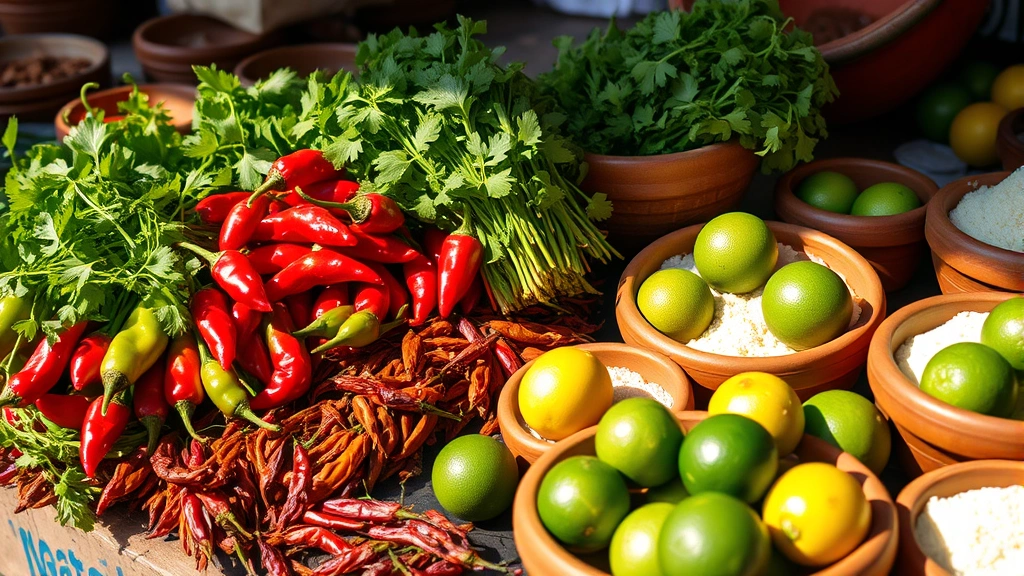
Mexican cuisine relies heavily on foundational ingredients: fresh chilies in their various forms (dried, roasted, and fresh), indigenous herbs like epazote and cilantro, masa prepared from nixtamalized corn, and proteins prepared using techniques passed down through generations. According to UNESCO’s recognition of Mexican cuisine as Intangible Cultural Heritage, authenticity encompasses the relationship between food, culture, and community—not merely replicating flavors.
The challenge in Cancun, a destination catering to millions of international visitors annually, is maintaining these traditions while adapting to diverse dietary preferences, ingredient availability, and commercial constraints. Some restaurants navigate this balance masterfully; others compromise fundamental principles in pursuit of broader appeal.
The Cancun Restaurant Landscape
Cancun’s dining scene presents a fascinating paradox. The city hosts everything from casual beachside taquerías to upscale establishments with Michelin-star aspirations. My taste test included fifteen restaurants spanning different price points, locations, and culinary philosophies. This diversity reflects Cancun’s position as both a tourist destination and a living community with genuine Mexican residents who demand authentic food.
The Hotel Zone restaurants, concentrated along the beachfront, tend toward tourist-friendly interpretations of Mexican cuisine. These establishments often feature expansive menus, standardized presentations, and ingredients selected for consistency rather than regional specificity. Conversely, downtown Cancun (locally known as El Centro) hosts family-owned establishments that have served locals for decades, maintaining traditional recipes and sourcing practices.
What surprised me most was discovering that authenticity often correlates inversely with tourist traffic. Restaurants in quieter neighborhoods, frequented primarily by Mexican families, demonstrated significantly more rigorous adherence to traditional preparation methods. These venues rarely advertised their authenticity—they simply cooked as they always had.
Signature Dishes Analyzed
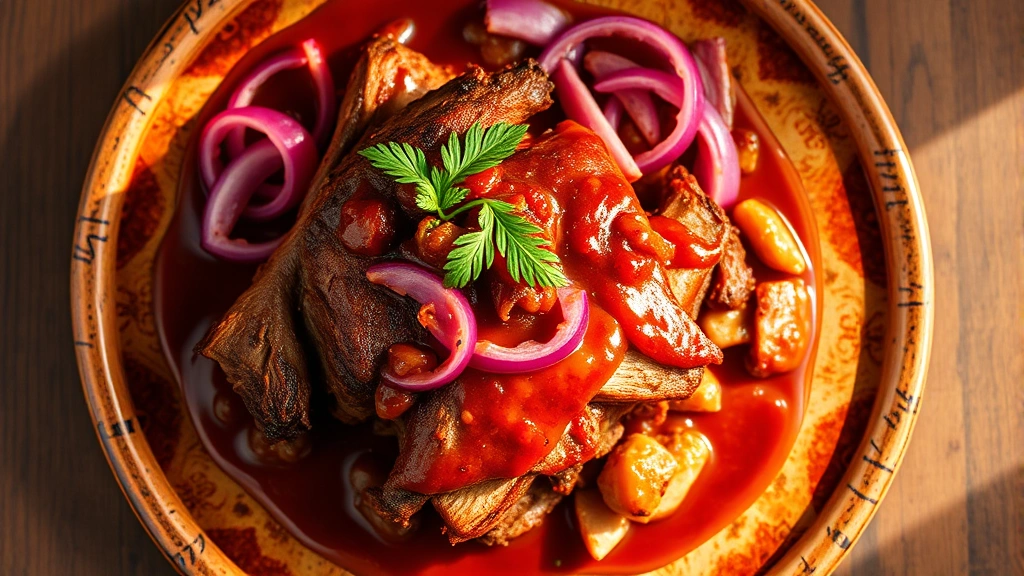
To evaluate authenticity systematically, I focused on signature dishes that reveal a restaurant’s commitment to traditional preparation. Cochinita pibil, a Yucatán-specific dish of slow-roasted pork marinated in achiote and citrus, proved particularly revealing. Authentic versions require hours of slow cooking in a pit or oven, developing deep, complex flavors from the achiote’s earthy undertones and the pork’s rendered fat.
At a downtown establishment, I encountered cochinita pibil that demonstrated proper technique: the pork fell apart at the slightest pressure, revealing meat that had absorbed the marinade throughout. The achiote provided that characteristic reddish hue and subtle spice without overwhelming the palate. The accompanying pickled red onions offered acidic brightness, essential for balancing the dish’s richness. This preparation matched what I’d experienced in Mérida, the Yucatán’s capital.
Conversely, several Hotel Zone restaurants served versions that sacrificed slow-cooking for speed. The pork remained firm, the achiote flavor superficial, and the overall dish tasted rushed. Some added tomato-based sauces, a significant deviation from authentic Yucatán tradition where achiote’s subtle flavor takes precedence.
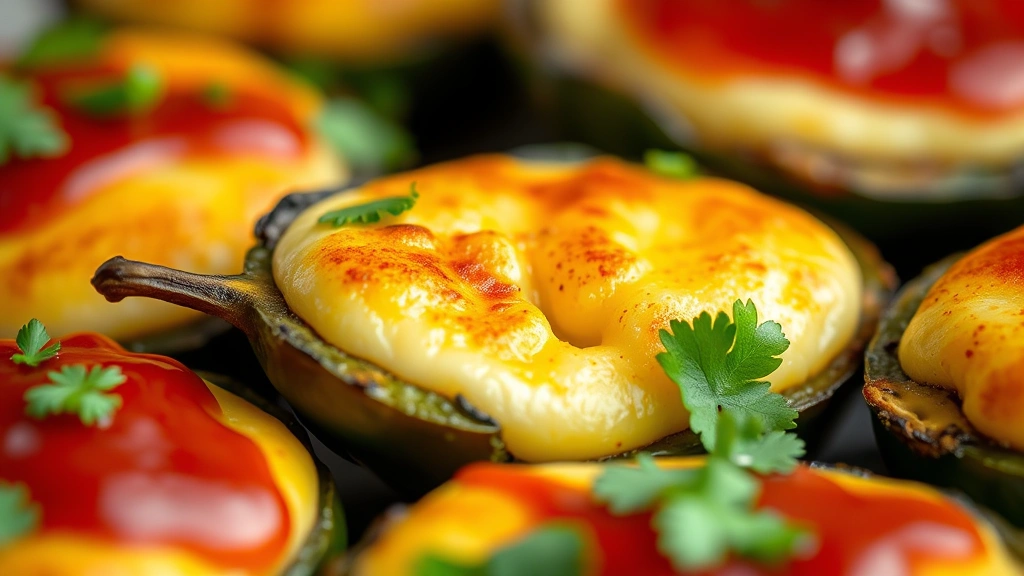
Chiles rellenos presented another instructive comparison. Authentic preparation involves carefully roasting poblano peppers, removing their skin, stuffing with cheese or meat, coating in egg white beaten to stiff peaks, and frying until golden. The result should feature a delicate, custardy exterior protecting a tender pepper with melting cheese inside. At traditional restaurants, this labor-intensive dish was executed flawlessly. At tourist-oriented venues, I encountered versions where the pepper coating was heavy and greasy, the filling insufficient, and the overall execution suggesting shortcuts in both technique and care.
Ingredient Quality and Sourcing
Ingredient sourcing fundamentally determines whether a restaurant can achieve authentic flavors. Mexican cuisine depends on specific ingredients often unavailable outside Mexico or requiring specialized sourcing. My investigation into restaurant supply chains revealed stark differences in commitment to authenticity.
Several establishments sourced fresh chilies directly from local suppliers, receiving deliveries of jalapeños, serranos, habaneros, and poblanos at peak ripeness. These restaurants rotated their chile selection seasonally, acknowledging that ingredient quality fluctuates throughout the year. The resulting salsas possessed vibrant, complex heat profiles and fruity undertones that commercial, shipped chilies simply cannot replicate.
Other restaurants relied on imported, pre-processed ingredients: canned chipotles in adobo sauce, dried chiles from unclear origins, and pre-made mole pastes. While these ingredients serve a purpose in commercial kitchens, they represent compromises that distance dishes from authenticity. Canned chipotles, for instance, develop a metallic undertone absent from properly smoked and dried fresh chilies.
The most telling difference emerged in tortilla preparation. Authentic Mexican restaurants prepared masa fresh daily, using nixtamalized corn ground to proper consistency. These tortillas possessed a delicate corn flavor, slight sweetness, and tender texture that store-bought alternatives cannot match. Several Cancun establishments, unfortunately, served flour tortillas or mass-produced corn tortillas, a fundamental departure from Mexican culinary tradition where fresh masa tortillas represent the foundation of nearly every meal.
Sourcing extended to proteins as well. Restaurants serving fresh local seafood—particularly fish caught in Caribbean waters—demonstrated superior quality compared to establishments relying on frozen imports. The difference in texture, flavor, and overall eating experience when comparing fresh huachinango (red snapper) to thawed frozen versions was remarkable and immediately apparent on the palate.
Preparation Techniques and Kitchen Practices
Technique separates authentic Mexican cooking from superficial imitations. Many traditional preparation methods require patience, skill, and understanding developed over years of practice. My observations in restaurant kitchens revealed which establishments prioritized technique over efficiency.
Mole preparation exemplified this distinction. Authentic mole requires toasting individual spices, grinding them together with chilies and other ingredients, then slowly cooking the resulting paste with broth for hours. The process demands attention and experience—overtoasting spices creates bitterness, insufficient cooking leaves flavors underdeveloped. At restaurants demonstrating authentic commitment, I observed cooks treating mole preparation with reverence, understanding that this sauce represents centuries of accumulated culinary knowledge.
Conversely, establishments using pre-made mole pastes or powders eliminated this labor-intensive process. The resulting dishes, while serviceable, lacked the depth and complexity that proper mole preparation achieves. The flavors seemed one-dimensional, lacking the layered spice profiles characteristic of authentic preparations.
Bean preparation also revealed kitchen philosophy. Authentic Mexican cooking uses dried beans cooked from scratch with minimal seasoning—often just lard, onion, and salt. This approach allows the beans’ natural flavor to shine while developing creamy texture through proper cooking technique. Several restaurants maintained this tradition, serving beans that tasted earthy and rich. Others served canned beans or beans cooked with excessive seasoning and additives, diminishing their natural character.
Grilling techniques proved instructive as well. Authentic carne asada requires understanding fire management, meat selection, and timing. Restaurants with dedicated grill masters produced meat with proper char, smoky flavor, and tender texture. Those treating grilling as secondary to other kitchen functions produced inconsistent results—some pieces overcooked, others undercooked, lacking the unified excellence of properly executed carne asada.
Regional Authenticity Assessment
Mexico’s regional diversity means that authenticity is contextual. Yucatán cuisine differs fundamentally from Oaxacan traditions, which bear little resemblance to northern Mexican cooking. Evaluating Cancun restaurants required understanding that proximity to the Yucatán Peninsula should influence menu composition and preparation approaches.
The most authentic Cancun establishments embraced Yucatán-specific traditions: cochinita pibil, papadzules, panuchos, and tikinxic (fish marinated in achiote). These restaurants featured habanero peppers prominently, incorporated distinctive ingredients like recado (achiote paste), and prepared dishes using techniques specific to the region. The culinary philosophy reflected Yucatán’s unique history—a blend of Mayan, Spanish, and Caribbean influences creating a distinct gastronomic identity.
Conversely, several restaurants offered generic “Mexican” cuisine, featuring dishes from various regions without coherent culinary philosophy. While individual dishes might be prepared competently, the overall dining experience lacked authenticity because it didn’t reflect any genuine regional tradition. This approach maximizes appeal to international tourists unfamiliar with Mexican regional distinctions but undermines culinary integrity.
The most disappointing discovery involved restaurants that invented “fusion” interpretations of traditional dishes. Cochinita pibil served with sriracha aioli, ceviche prepared with mango foam, and tacos with Asian-inspired sauces represented departures so significant that calling them Mexican cuisine seemed misleading. While culinary innovation has merit, presenting these creations as authentic Mexican food misrepresents both the dishes and Mexican culinary traditions.
Restaurants that acknowledged their approach—clearly labeling items as “inspired by” traditional dishes or offering both traditional and innovative preparations—demonstrated honesty and respect for culinary traditions. This transparency allows diners to make informed choices about whether they seek authentic experiences or creative reinterpretations.
Comparative Taste Profiles
Beyond technique and ingredients, authentic Mexican cuisine possesses distinctive flavor profiles resulting from specific ingredient combinations and preparation approaches. My taste evaluations focused on identifying these characteristic profiles and determining whether Cancun restaurants achieved them.
Authentic Mexican cooking emphasizes complexity achieved through layering flavors rather than single dominant notes. A properly prepared salsa should balance heat, acidity, sweetness, and umami—no single element overwhelming the palate. Restaurants committed to authenticity achieved this balance consistently. Conversely, tourist-oriented establishments often created salsas dominated by heat or acid, lacking the sophistication of balanced preparations.
The use of fresh herbs—particularly cilantro and epazote—distinguishes authentic Mexican cuisine. Cilantro appears in countless dishes, providing brightness and freshness. Epazote, a pungent herb with peppery, almost gasoline-like notes, appears in bean dishes and quesadillas, adding complexity unfamiliar to many international palates. Restaurants using these herbs prominently demonstrated greater authenticity than those omitting them or substituting more neutral herbs.
Umami, often overlooked in discussions of Mexican cuisine, plays a crucial role. Dried chilies contain glutamates providing savory depth. Properly prepared broths develop umami through slow cooking. Aged cheeses like Oaxaca contribute savory notes. Restaurants understanding umami’s role created dishes with remarkable depth and satisfaction. Those ignoring it produced meals that, while pleasant, lacked the satisfying richness characteristic of authentic Mexican cooking.
Heat levels also indicated authenticity. Authentic Mexican cuisine embraces chile peppers’ heat as an integral component, not something to minimize or eliminate. Restaurants serving mild versions of traditionally spicy dishes—often in response to tourist preferences—compromised authenticity. The most honest establishments offered heat levels ranging from mild to intensely spicy, allowing diners to choose their preference while maintaining traditional recipes.
Recommendations for Authentic Dining
Based on my extensive taste testing, several observations emerge for diners seeking authentic Mexican experiences in Cancun. First, venture beyond the Hotel Zone. While some upscale beachfront restaurants maintain authentic traditions, the highest concentration of genuinely traditional cooking occurs in downtown Cancun and residential neighborhoods. These establishments cater to Mexican families who would immediately recognize and reject inauthentic preparations.
Second, examine menus carefully. Restaurants emphasizing Yucatán-specific dishes demonstrate regional commitment. Those offering extensive menus spanning multiple regions may lack specialization. Look for establishments that feature a limited selection prepared with obvious expertise rather than broad offerings suggesting shortcuts.
Third, observe kitchen practices when possible. Restaurants preparing fresh tortillas, grinding spices, and cooking beans from scratch demonstrate commitment to authenticity. Conversely, visible reliance on pre-made components suggests compromises. Many authentic establishments proudly display their cooking processes—this transparency indicates confidence in their practices.
Fourth, consider timing. Authentic restaurants often operate with limited hours reflecting traditional meal schedules. Those open continuously from breakfast through late night may prioritize convenience over tradition. Similarly, establishments that close during traditional siesta hours suggest alignment with local rhythms rather than tourist schedules.
Fifth, examine ingredient sourcing when possible. Ask servers where ingredients originate. Restaurants proudly sourcing locally indicate commitment to quality. Those unable or unwilling to discuss sourcing may rely on shortcuts.
Finally, understand that authenticity exists on a spectrum. Even restaurants making some compromises may offer genuine, delicious Mexican food. The key is approaching dining with realistic expectations and understanding what “authentic” means in each context. A family-run taquería will offer different authenticity than an upscale restaurant, but both can provide genuine Mexican culinary experiences if executed with proper technique and respect for tradition.
For additional guidance on regional cuisines, exploring fresh seafood preparations common in coastal Mexican cooking provides valuable context. Similarly, understanding restaurant operational patterns helps identify establishments aligned with traditional practices.
The Verdict: Authenticity in Cancun
Is Cancun’s Mexican food authentic? The answer is nuanced. Authentic Mexican cuisine exists in Cancun, but finding it requires intentional effort and understanding. The city’s tourism industry has created an ecosystem where inauthentic, tourist-oriented adaptations thrive alongside genuinely traditional establishments.
The most authentic Cancun dining experiences occur in family-owned restaurants in downtown areas, where cooks maintain techniques learned from previous generations and source ingredients with meticulous attention. These establishments rarely advertise heavily or target tourists explicitly—they simply cook as they always have, serving communities that demand authenticity.
Meanwhile, many Hotel Zone restaurants consciously adapt traditional Mexican cuisine for international palates. This adaptation isn’t inherently problematic—restaurants serve legitimate business purposes and cultural exchange through food. The issue arises when these adaptations are misrepresented as authentic, misleading diners about what they’re experiencing.
My recommendation: approach Cancun dining with clear expectations. If seeking authentic Mexican cuisine, research carefully, venture beyond tourist areas, and engage with restaurant staff about their practices and sourcing. If seeking creative reinterpretations or accommodations for specific dietary preferences, choose establishments that honestly represent their approach. Both experiences have merit—authenticity simply requires transparency.
The most successful Cancun restaurants I encountered were those comfortable with their positioning. Authentic establishments proudly served traditional dishes without apology. Tourist-oriented restaurants acknowledged their adaptations while maintaining quality. It’s the middle ground—establishments pretending to authenticity while cutting corners—that disappoints most significantly.
Frequently Asked Questions
What makes Mexican food authentic?
Authentic Mexican food reflects genuine regional traditions, employing proper preparation techniques, locally-sourced ingredients when possible, and respecting the cultural context from which dishes originate. Authenticity doesn’t mean recipes never change—rather, it means changes reflect community evolution rather than commercial shortcuts.
Are Cancun restaurants less authentic than restaurants in Mexico City or Oaxaca?
Authenticity varies by individual restaurant rather than by location. Cancun hosts genuinely traditional establishments alongside tourist-oriented adaptations. Similarly, major Mexican cities contain both highly authentic restaurants and commercialized versions. The key difference is that Mexican cities have larger populations demanding authentic food, creating more competitive pressure for quality.
Why do some Cancun restaurants modify traditional recipes?
Modifications occur for practical reasons: ingredient availability, catering to international preferences, accommodating dietary restrictions, and commercial efficiency. These adaptations aren’t inherently problematic—they become problematic only when misrepresented as authentic.
How can I identify authentic Mexican restaurants in Cancun?
Look for restaurants emphasizing regional specialization, serving fresh-made components, operating during traditional meal hours, and staffed by people with family roots in Mexico. Ask servers about sourcing and preparation methods. Authentic establishments discuss these topics proudly.
Is it worth seeking authentic Mexican food in Cancun, or should I just enjoy the adaptations?
Both approaches have merit. If you’re interested in experiencing genuine Mexican culinary traditions, seeking authentic restaurants enriches your understanding of Mexican culture. If you prefer creative reinterpretations or have specific dietary preferences, tourist-oriented restaurants serve valid purposes. The key is making informed choices based on clear understanding of what each restaurant offers.
What are the most authentic Yucatán dishes to try in Cancun?
Cochinita pibil, papadzules, panuchos, tikinxic, and relleno negro represent quintessential Yucatán preparations. Restaurants specializing in these dishes demonstrate regional commitment. Additionally, seeking habanero-based salsas and dishes featuring achiote indicates Yucatán authenticity.
Can upscale Cancun restaurants be authentic?
Absolutely. Several high-end establishments maintain rigorous commitment to authentic preparation while offering refined presentations and upscale service. Price point doesn’t determine authenticity—commitment to proper technique and ingredient quality does.
How does Cancun’s seafood compare to other Mexican coastal regions?
Cancun’s Caribbean location provides access to exceptional fresh seafood. When properly prepared by restaurants with skill and respect for the ingredients, this seafood rivals coastal cuisine from any Mexican region. The challenge is ensuring restaurants use fresh, local fish rather than frozen imports.