Top Mexico City Restaurants: Local Expert Picks
Mexico City stands as one of the world’s most vibrant culinary destinations, where centuries-old traditions collide with innovative gastronomic techniques. The capital’s restaurant scene reflects the complexity of Mexican cuisine itself—layered with regional flavors, pre-Hispanic ingredients, and contemporary creativity that transforms dining into an unforgettable sensory experience. Whether you’re seeking traditional mole negro from Oaxaca, ultra-fresh ceviches that dance on your palate, or avant-garde interpretations of street food classics, Mexico City delivers with uncompromising excellence.
This guide draws from conversations with local food critics, sommelier recommendations, and countless hours spent navigating the city’s most celebrated establishments. From intimate mezcal bars tucked into colonial neighborhoods to Michelin-starred temples of gastronomy, we’ve curated selections that represent the pinnacle of what Mexico City’s dining landscape offers. Each restaurant tells a story through its food—a narrative of terroir, tradition, and the relentless pursuit of culinary perfection that defines this extraordinary city.
Fine Dining Excellence
Mexico City’s fine dining sector has matured into world-class sophistication, with restaurants earning recognition from prestigious culinary institutions. Pujol remains the crown jewel, consistently ranking among Latin America’s best establishments. Chef Enrique Olvera orchestrates a tasting menu that reads like a love letter to Mexico—each course builds upon layers of flavor, technique, and conceptual depth. The signature dish, a seemingly humble tortilla served with different preparations of corn, becomes a meditation on the ingredient that has sustained Mexican civilization for millennia. The progression flows from delicate ceviches infused with coastal essences to complex mains where indigenous ingredients meet French precision.
The dining experience at our culinary blog philosophy emphasizes understanding the journey of each ingredient. At Pujol, this translates to courses that reveal the biodiversity of Mexico’s ecosystems—a plate might feature foraged herbs from mountain regions, chile varieties from specific microclimates, and proteins sourced from heritage breed producers. The wine program showcases Mexican producers alongside international selections, with sommeliers demonstrating encyclopedic knowledge about pairing strategies that enhance rather than overshadow the food’s delicate architecture.
Contramar, located in the bohemian Coyoacán neighborhood, represents a different expression of fine dining—one rooted in coastal simplicity elevated through obsessive attention to detail. The restaurant’s open kitchen allows diners to witness the theatrical preparation of whole grilled fish, their surfaces blistered to crackling perfection while interiors remain impossibly tender. The tostadas layered with ceviche, crema, and caviar deliver textural contrasts that exemplify how Mexican cuisine achieves complexity through ingredient interplay rather than elaborate techniques.
Quintonil presents yet another interpretation of excellence, where Chef Jorge Vallejo constructs narratives through seasonal menus that evolve with Mexico’s agricultural rhythms. The intimate space feels more like a chef’s private dining room than a public restaurant, fostering connection between kitchen and table. Dishes arrive with theatrical presentations—dry ice swirling around a plate of mole, or a single quail egg perched atop a bed of charred vegetables, its yolk promising richness against the surrounding umami-forward elements.
Traditional Mexican Cuisine
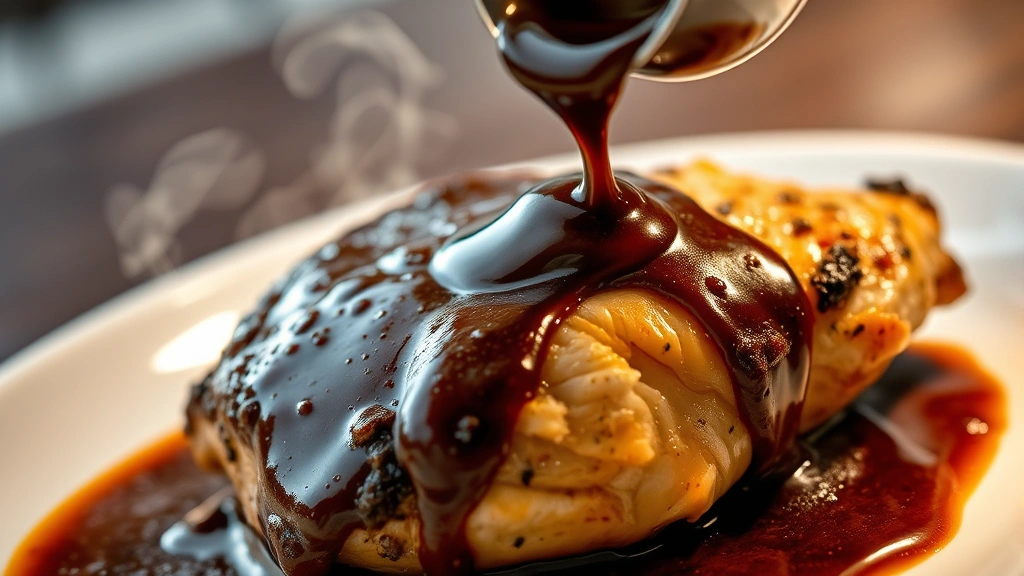
For those seeking authentic expressions of regional Mexican cooking, the city offers establishments where recipes have been refined across generations. Casa Oaxaca transports diners to the southern state through its dedication to Oaxacan specialties. The mole negro requires months of preparation, with over thirty ingredients ground and combined to create a sauce of almost supernatural complexity. On the palate, it unfolds like a symphony—initial sweetness from chocolate and plantain, followed by heat from chiles, then layers of spice, earthiness, and subtle bitterness that linger long after swallowing. The dish pairs traditionally with chicken, though the sauce deserves appreciation as a standalone achievement.
The restaurant’s tlayudas—large, crispy corn tortillas topped with refried beans, cheese, and your choice of proteins—represent casual dining elevated. When topped with chorizo, the rendered fat carries paprika and garlic notes that penetrate the bean layer, while fresh queso fresco provides cooling contrast. Accompany this with a smoky mezcal, and you’ve experienced Oaxacan hospitality in its purest form.
Fonda Fina specializes in recipes from Puebla, a state with its own distinct culinary identity. Mole poblano differs from its Oaxacan cousin—slightly sweeter, with more prominent chocolate notes, yet possessing equally impressive depth. The restaurant’s chile en nogada, a seasonal dish served during Mexican independence celebrations, showcases poblano chiles stuffed with picadillo (seasoned ground meat), topped with walnut-based cream sauce and pomegranate seeds. The combination of warm, spiced filling with cool, luxurious sauce and the tartness of pomegranate creates a dish that captures Mexican culinary philosophy—balancing contrasts to achieve harmony.
Paxia focuses on Yucatecan cuisine, bringing the peninsula’s distinctive flavors to the capital. Cochinita pibil, traditionally slow-roasted pork marinated in achiote and citrus, arrives at the table practically dissolving under fork pressure. The meat’s caramel-like exterior contrasts with impossibly tender interior, while the marinade provides citric brightness and subtle spice. Served with pickled red onions and warm corn tortillas, this dish demonstrates how Mexico’s regional cuisines each possess their own logic and sophistication.
Contemporary Fusion & Innovation
Mexico City’s younger generation of chefs approaches tradition not as constraint but as foundation for experimentation. Boca Negra reinterprets classic Mexican dishes through molecular gastronomy and unusual ingredient combinations. A ceviche might arrive as a spherified liquid that bursts on the tongue, releasing bright citric and seafood flavors in concentrated form. These techniques never feel gratuitous—instead, they heighten sensory perception and create moments of genuine surprise within familiar flavor profiles.
The restaurant emphasizes collaboration with culinary research institutions studying flavor science and ingredient interactions. This scientific approach to cooking has yielded fascinating discoveries about how traditional Mexican cooking techniques actually operate at molecular levels—the chemistry of mole creation, the transformation of proteins during slow-roasting, the flavor development in fermented ingredients.
Punto MX represents another innovative direction, focusing on the intersection of Mexican ingredients and Japanese technique. The tasting menu weaves together both cuisines’ philosophies—respect for ingredient quality, precision in execution, and balance between simplicity and sophistication. A course might feature Mexican sea urchin prepared with the minimalism of nigiri, or a mole-inspired sauce accompanying sashimi-grade fish. This fusion never feels confused; instead, it reveals unexpected commonalities between two cuisines separated by geography but united by philosophical approach.
Lardo takes a more casual approach to innovation, focusing on elevated Mexican comfort food. Their tortas, the iconic Mexican sandwich, become vehicles for experimentation—perhaps featuring duck confit with mole negro, or cured fish with avocado mousse. Each component receives individual attention, yet the whole maintains the accessibility and joy that makes tortas beloved street food.
Seafood Specialists
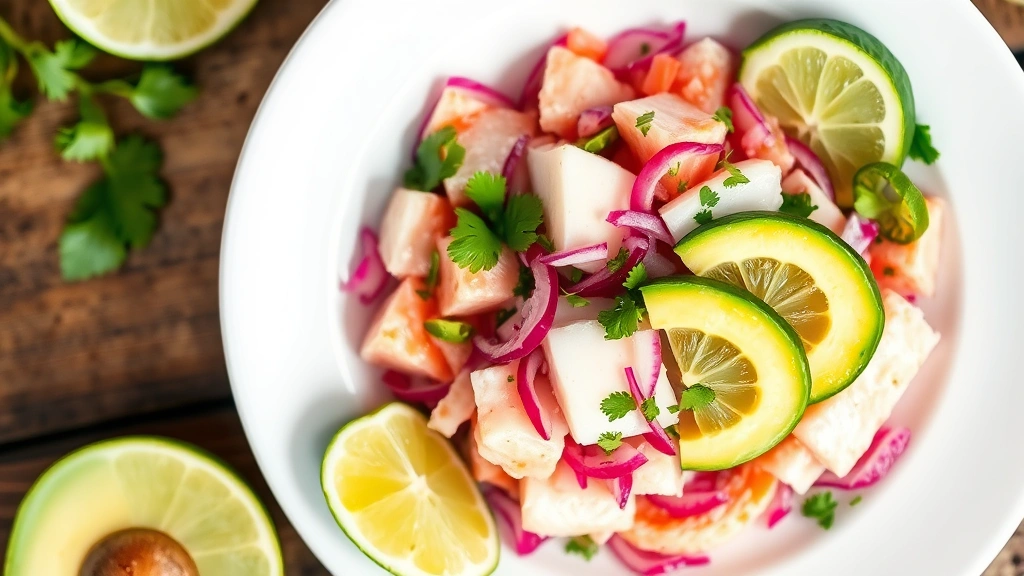
Mexico’s coastlines provide extraordinary seafood that reaches Mexico City’s finest restaurants. Cote focuses on preparations of fish and shellfish, with menus changing based on daily catches from Pacific and Caribbean sources. The ceviche bar showcases different regional preparations—Baja-style with cucumber and serrano chiles, Peruvian-influenced with tiger’s milk and potato, Yucatecan with habanero and lime. Each style reveals how geography influences technique; coastal communities developed ceviche because raw fish preparation required no fuel, a practical advantage that became culinary tradition.
The restaurant’s grilled whole fish, prepared simply with citrus and herbs, allows the seafood’s natural sweetness to shine. Fresh-caught fish possesses a delicate, almost floral quality that disappears within days of capture—tasting it here, you understand why proximity to source matters so profoundly. The kitchen sources from suppliers who understand sustainable fishing, a philosophy increasingly important as diners recognize their role in preserving marine ecosystems.
For a more casual seafood experience, Mariscos Playa Hermosa delivers ceviches and seafood cocktails with the authenticity of coastal restaurants. Their ceviche tostadas layer the raw fish preparation onto crispy corn tortillas, adding textural contrast and the ability to consume the dish with hands—a more pleasurable eating experience than plate-based presentation. The seafood cocktail, a chilled mixture of shrimp, octopus, and ceviche in tomato-based broth, provides warming spice from habanero and depth from cilantro.
Maximo Bistrot, while not exclusively seafood-focused, sources pristine fish and shellfish from Mexico’s coasts, prepared with French technique and Mexican sensibility. Their whole roasted fish, served with brown butter and capers, demonstrates how simplicity requires perfection—the fish must be impeccably fresh, the technique flawless, and the timing precise. No sauce complexity can mask inferior ingredients; the dish succeeds entirely through quality and restraint.
Street Food Elevated
Some of Mexico City’s most memorable meals occur in establishments that honor street food traditions while applying fine dining principles. Contramar, mentioned earlier for fine dining, also excels at elevated street food preparations. Their ceviches and tostadas achieve restaurant-quality execution while maintaining the casual joy of casual eating. The distinction between fine dining and street food elevation becomes blurred when both pursue excellence with equal dedication.
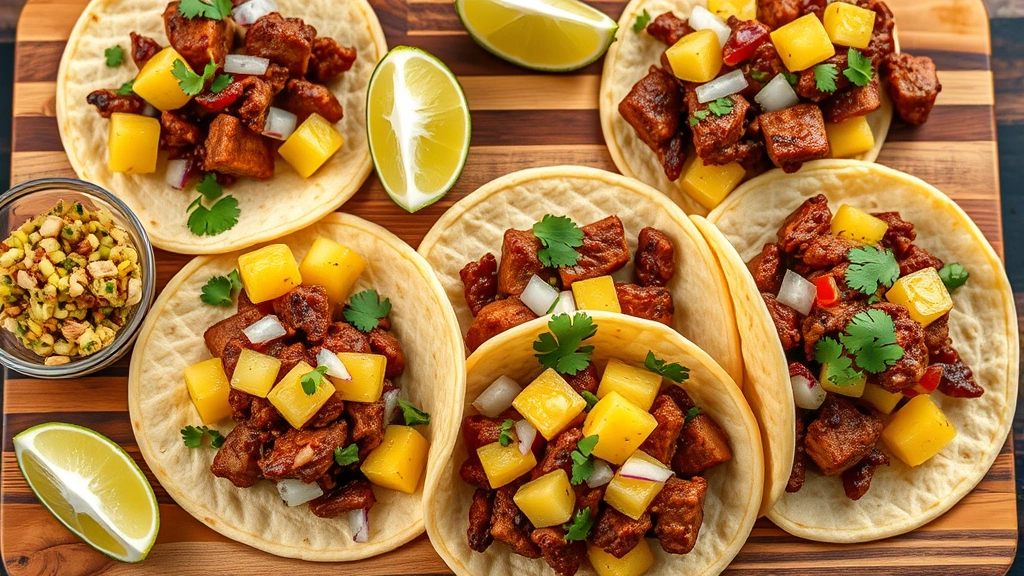
Visit kid-friendly restaurants near me guide for family-suitable options that maintain culinary integrity. Many elevated street food establishments welcome children while preserving the adult-focused quality of their cuisine. Tótem specializes in tacos prepared with heritage technique and premium ingredients. Their al pastor tacos feature meat marinated in dried chiles and spices, stacked on a vertical spit and shaved tableside. The meat’s exterior develops caramelized complexity while the interior remains juicy, with the rendered fat carrying all the marinade’s flavors. Topped with fresh pineapple, cilantro, and onion, these tacos achieve perfect balance—spice, sweetness, freshness, and richness in each bite.
Tamales y Atoles de Oaxaca might seem like a casual spot, but the execution of these traditional breakfast items deserves serious attention. Tamales, corn dough wrapped around fillings and steamed in corn husks, represent one of Mexico’s oldest preparations. The best versions achieve light, almost fluffy texture in the masa (corn dough), with flavorful fillings—perhaps rajas with cheese, mole negro with chicken, or chile verde with pork. Accompanied by atole, a warm corn-based beverage, these humble items provide profound satisfaction.
The preparation of simple seafood recipes for every home cook often mirrors techniques used in these traditional establishments. The precision required for perfect tamales rivals that of any fine dining dish—the masa must achieve exact consistency, steaming time must be precise, and flavors must balance despite the limitations of wrapped, steamed preparation.
Mezcal & Cocktail Culture
Mexico City’s mezcal bars represent more than drinking establishments—they function as cultural institutions preserving and celebrating this complex spirit. Gracias a Dios maintains an extensive mezcal selection, with knowledgeable staff capable of guiding drinkers through flavor profiles and production methods. Mezcal, distilled from agave plants, encompasses tremendous variation—single-village mezcals might display mineral, floral, or smoky characteristics depending on production methods and agave variety. Tasting mezcal neat, at room temperature, allows full flavor appreciation without ice dilution or cocktail modifications.
The pairing of mezcal with food demonstrates the spirit’s versatility. Smoky mezcals complement rich moles and grilled preparations, while lighter versions pair beautifully with ceviches and fresh seafood. Mezcalería Amores structures their menu to facilitate these pairings, offering small plates specifically designed to enhance mezcal appreciation. A simple plate of tlayuda provides textural contrast and salt that heightens subsequent mezcal sips, while rich mole dishes showcase how smoke and spice complement each other.
For cocktails incorporating mezcal, Cantina Lagunilla creates drinks that honor both the spirit and Mexican culinary traditions. A mezcal margarita, the most accessible cocktail application, becomes entirely different when prepared with quality mezcal—the smoke adds complexity to the traditional lime and triple sec combination, creating layers rather than simple sweetness and citric brightness. Other preparations might incorporate Mexican ingredients like chile, cilantro, or Mexican chocolate, creating drinks that taste distinctly of place.
The sommelier and spirits education community increasingly recognizes mezcal’s importance in beverage programs. Mexico City’s bars lead this recognition, with bartenders pursuing certification and studying agave production with the same rigor wine professionals apply to viticulture. This elevation of mezcal knowledge ensures that when you order this spirit, you’re receiving informed recommendations rather than marketing-driven suggestions.
FAQ
What is the best time to visit Mexico City restaurants?
Dinner service, typically beginning around 8 PM, represents the primary dining time in Mexico City. Lunch service exists but often feels secondary; restaurants reach their peak energy and kitchen focus during evening hours. For fine dining establishments, reservations become essential, sometimes requiring booking weeks in advance. Casual restaurants and street food operate throughout the day, with breakfast offerings particularly strong between 7-10 AM when locals consume tamales, chilaquiles, and fresh juices.
How should I navigate dietary restrictions at Mexican restaurants?
Mexican cuisine, rooted in indigenous traditions, naturally accommodates various dietary approaches. Vegetarian diners find numerous options—mole negro, rajas poblanas, chiles rellenos, bean preparations, and vegetable-based ceviches (using mushrooms or hearts of palm as protein substitutes). Gluten-free diners benefit from corn-based preparations, though some moles contain wheat flour as thickener. Communicate restrictions clearly with servers; most establishments gladly modify dishes or suggest alternatives. Fine dining restaurants maintain greater flexibility for customization, while casual spots might have more limited options.
What dishes must I try in Mexico City?
Beyond specific restaurant recommendations, certain dishes define the city’s culinary identity. Mole negro and mole poblano represent centuries of Mexican cooking tradition. Ceviche showcases Mexico’s coastal bounty. Tamales and tlayudas demonstrate corn preparation mastery. Chiles rellenos—poblano chiles stuffed, battered, and served in sauce—achieve perfect balance of textural contrast and flavor complexity. Chilaquiles, fried tortilla strips combined with salsa and topped with crema and cheese, provide comfort in every bite. Carnitas, slow-roasted pork achieving maximum tenderness, deserve appreciation in their own right.
Are Mexico City restaurants expensive?
Pricing varies dramatically based on establishment type. Street food and casual restaurants cost mere dollars per meal. Mid-range establishments charge $15-30 per person. Fine dining restaurants typically range from $60-150+ per person, depending on whether you order à la carte or choose tasting menus. Mexico City offers exceptional value compared to fine dining in other major cities—world-class cuisine at prices substantially lower than equivalent experiences in New York or Los Angeles. Budget travelers can eat magnificently by focusing on taquerías, mezcal bars, and traditional eateries.
What beverage pairings work best with Mexican food?
Mezcal remains the obvious choice, particularly for rich, complex dishes. Mexican wines, increasingly produced in regions like Baja California, offer interesting pairings—some producers craft wines specifically designed for Mexican cuisine. Beer, particularly craft options from Mexican breweries, provides refreshing contrast to spiced preparations. Agua fresca, traditional Mexican beverages made from fruits, seeds, or flowers, offers non-alcoholic sophistication. Mexican chocolate-based beverages, served warm or cold, provide dessert-like indulgence. Tequila, while famous globally, represents just one agave spirit; mezcal and raicilla offer greater flavor complexity for food pairing.
How do I find authentic versus touristy restaurants?
Authentic establishments often lack extensive English menus or international marketing. Look for restaurants packed with local diners during meal times—genuine popularity suggests quality. Ask hotel staff or local residents for recommendations; they’ll direct you toward neighborhood favorites rather than obvious tourist destinations. Restaurants in neighborhoods like Coyoacán, Roma, and Condesa tend toward authenticity, though gentrification has brought tourist-focused establishments to these areas. Finally, trust your instincts—if a restaurant feels designed primarily for visitors rather than community members, it probably is.


