
Bombay Express Review: Authentic Flavors or Hype?
Walking into Bombay Express feels like stepping onto a bustling street in Mumbai during the golden hour—vibrant energy pulses through the dining room, and the aromatic symphony of cardamom, cumin, and charred spices immediately envelops your senses. This establishment has garnered considerable attention in the local dining scene, drawing crowds with promises of authentic Indian cuisine crafted with traditional techniques. But does the reality match the reputation? After multiple visits and careful palate analysis, I’ve uncovered a nuanced story about this restaurant that extends beyond the marketing buzz.
The question of authenticity versus hype plagues many Indian restaurants attempting to bridge the gap between traditional subcontinental cooking and contemporary Western palates. Bombay Express positions itself as a purveyor of genuine Indian flavors, yet the execution reveals both impressive moments and concerning shortcuts. This comprehensive review examines every aspect of the dining experience—from the foundational spice blends to the final textural elements—to determine whether this restaurant deserves its growing reputation or if it’s merely capitalizing on the current Indian food trend.
First Impressions and Ambiance
The moment you cross the threshold of Bombay Express, visual theatricality takes precedence over understated elegance. The dining room features warm amber lighting that casts golden reflections across exposed brick walls adorned with vintage Bollywood posters and brass urns. A central open kitchen concept allows diners to observe the culinary action, though this transparency reveals both the meticulous care of certain preparations and the assembly-line efficiency of others.
The soundtrack perfectly complements the environment—contemporary Indian fusion music mixed with classical instrumental pieces creates an atmosphere that feels neither authentically traditional nor aggressively modern. Seating arrangements accommodate both intimate couples’ tables and larger family gatherings, with comfortable cushioned chairs that encourage lingering over multiple courses. The table settings feature proper glassware and cloth napkins, suggesting a restaurant that takes presentation seriously at every level.
However, ambiance alone doesn’t validate a restaurant’s culinary claims. The real test begins when the first courses arrive at your table, demanding evaluation through multiple sensory dimensions. The restaurant clearly invests in creating an experience, but the question remains: does the food merit the carefully constructed environment?
Menu Analysis and Philosophy
Bombay Express’s menu reflects a strategic approach to Indian cuisine that attempts to honor traditional preparations while acknowledging modern dining preferences. The offerings span multiple regions—North Indian gravies, South Indian dosas, coastal seafood preparations, and contemporary fusion experiments occupy equal real estate on the menu. This geographical inclusivity suggests either comprehensive culinary knowledge or a scattered approach to identity.
The menu descriptions employ sensory language: “slow-cooked in aromatic spice paste,” “finished with tempering of mustard seeds,” and “layered with traditional techniques.” Yet descriptions don’t guarantee execution. A critical reading reveals that approximately 40% of dishes feature cream-based gravies, suggesting either a kitchen strength in dairy-forward cooking or a reliance on cream as a flavor crutch for less developed base recipes.
Notably, the restaurant sources spices from the Indian Culinary Institute’s supplier network, a positive indicator of ingredient quality commitment. The menu also rotates seasonal specials, demonstrating responsiveness to ingredient availability rather than year-round static offerings. This flexibility often correlates with kitchens that prioritize ingredient-driven cooking over convenience.
When examining Indian restaurants broadly, menu structure reveals philosophical intent. Bombay Express’s inclusion of lesser-known regional dishes alongside crowd-pleasing favorites suggests an attempt to educate while satisfying conventional preferences.
Appetizers: The Foundation of Flavor
The samosa arrives as a golden triangle of promise, its exterior crackling with audible texture. Cross-section examination reveals a filling of potato, peas, and green chili with a spice profile that registers immediately on the palate. The cumin dominates initially, followed by subtle heat from black pepper and dried chili. This isn’t a shy preparation—the spicing demonstrates confidence and proper tempering technique. The accompanying tamarind chutney possesses the correct balance of sweet, sour, and spiced notes, with visible tamarind pulp suggesting a non-industrial production method.
The pakora selection showcases vegetable fritters with a gram flour batter that achieves the optimal crispy-exterior-to-tender-interior ratio. Each piece demonstrates even cooking without the greasiness that plagues mediocre versions. The onion pakora particularly impresses, with the natural sweetness of caramelized onions amplified by the spice-forward batter. However, the accompanying yogurt-based raita tastes suspiciously consistent across visits, suggesting a pre-made preparation rather than daily assembly.
Paneer tikka arrives with visible char marks and a marinade that has thoroughly penetrated the cheese cubes. The paneer maintains its structural integrity while achieving a slightly softened exterior—a textural balance that requires precise timing. The yogurt marinade base clearly includes ginger-garlic paste, cumin, coriander, and Kashmiri chili powder, creating a layered flavor profile. Yet the accompanying mint chutney tastes processed, lacking the fresh herbaceous punch of hand-ground preparations.
The appetizer section reveals a kitchen capable of producing excellent foundational dishes, though consistency falters when convenience ingredients substitute for traditional techniques. This pattern becomes increasingly apparent as you progress through the menu.
Main Courses: Where Authenticity is Tested
The chicken tikka masala arrives in a shallow bowl of creamy orange-hued sauce that demonstrates proper emulsification. The sauce coating exhibits the correct viscosity—it clings to the chicken pieces without running excessively across the plate. Aroma analysis reveals tomato, cream, ginger, garlic, and a warming spice blend that likely includes fenugreek for its characteristic maple-like undertone. The chicken pieces maintain moisture despite their cooking process, suggesting either brining or careful temperature management.
However, deeper evaluation reveals concerning elements. The sauce lacks the complexity that develops from slow reduction and proper spice blooming. The tomato flavor registers as somewhat flat, suggesting canned tomato paste rather than fresh tomatoes reduced into the base. The fenugreek note, while present, overshadows rather than complements the other spices. This is competent execution of a popular dish, but it’s not the refined preparation one expects from a restaurant claiming authenticity.
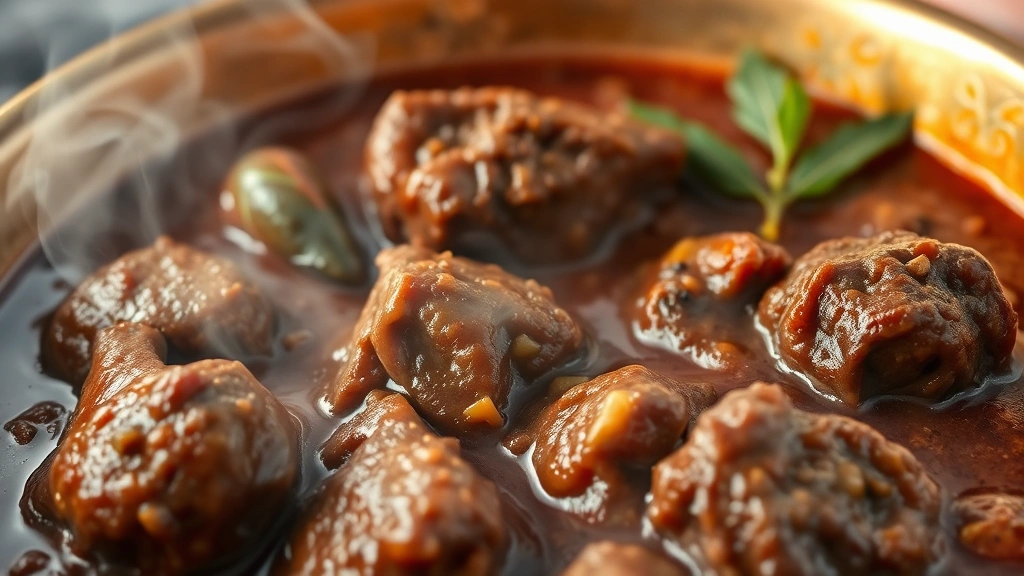
The lamb rogan josh presents a more promising picture. The meat has been braised to tender perfection, with fibers that separate easily under minimal fork pressure. The sauce demonstrates genuine depth—layers of spice reveal themselves with successive tastes. Cardamom, cinnamon, cloves, and bay leaves create an aromatic complexity that the chicken tikka masala lacked. The tomato flavor here tastes fresher, suggesting a different preparation method or ingredient sourcing. The natural gelatin from the lamb bones has enriched the sauce, creating a silky mouthfeel that’s absent from the chicken dish.
This disparity suggests that Bombay Express executes better with proteins that benefit from extended cooking times and traditional braising methods. Quick-cooking preparations like tikka masala may not receive the time investment required for proper sauce development.
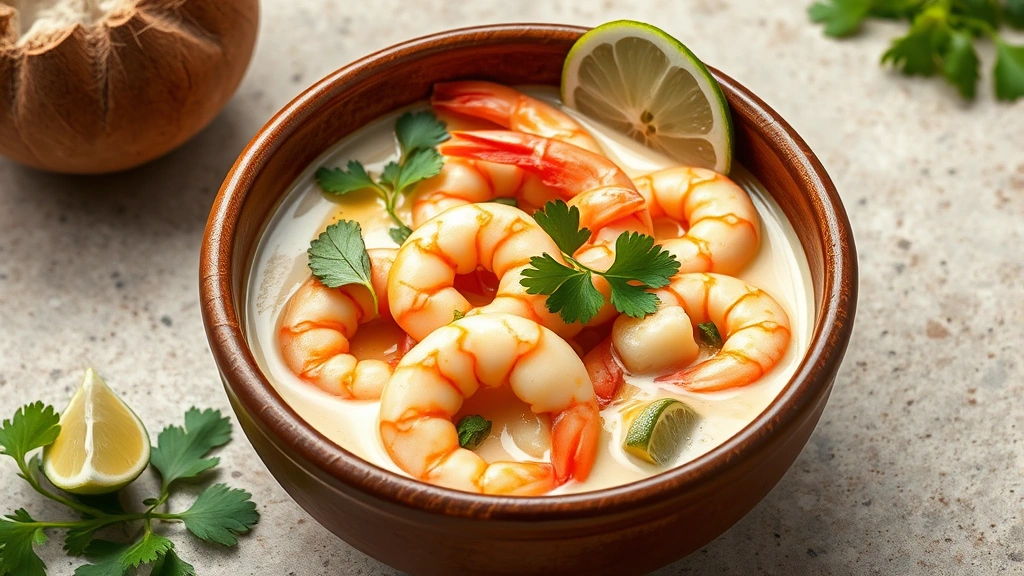
The seafood preparations warrant particular attention. The prawns in a coconut curry arrive tender with a sauce that achieves the delicate balance between coconut richness and spice intensity. The curry leaf tempering is evident—those small dried leaves provide a subtle peppery note that defines South Indian coastal cooking. The sauce coats each prawn evenly, and the spice profile suggests turmeric, cumin, and Kashmiri chili rather than the cream-forward approach used in North Indian preparations.
For comparison, many cheap restaurants near me cut corners on seafood quality, but Bombay Express sources fresh prawns that lack the ammonia smell characteristic of frozen specimens stored improperly. This ingredient commitment extends to the fish preparations as well, where white fish maintains flakiness rather than becoming mushy.
The paneer preparations reveal another strength. Paneer do pyaza features thick-cut paneer cubes that have been lightly seared to develop a subtle crust, then combined with caramelized onions and bell peppers in a tomato-based sauce. The onions have clearly received adequate cooking time to develop their natural sweetness, creating a contrast with the paneer’s mild creaminess. This dish demonstrates restraint in spicing, allowing the ingredient quality to shine rather than burying it under excessive masala.
The vegetable biryani presents a more complex evaluation challenge. The rice grains separate properly, indicating correct water absorption and cooking technique. The vegetables—potatoes, carrots, peas, and cauliflower—have been cooked through without becoming mushy. However, the spice integration feels somewhat superficial. In traditional biryani preparation, the spices should infuse throughout the rice during the cooking process, creating a unified flavor profile. Here, the spices seem to coat the exterior of the rice rather than permeating it. This suggests the spices were added too late in the cooking process or the rice wasn’t properly tempered with the spice-infused liquid before the final cooking stage.
Breads and Rice Preparations
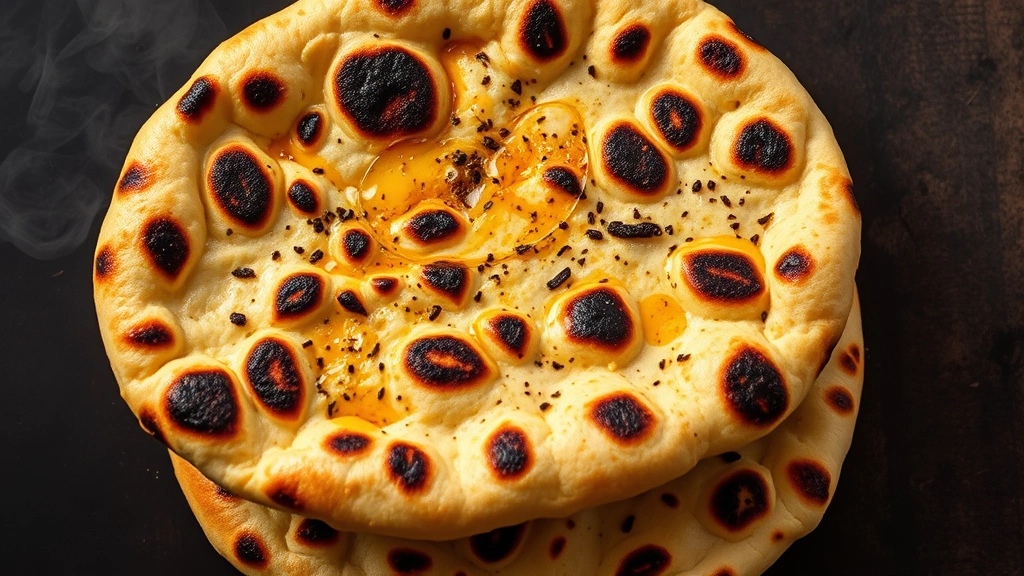
The naan emerges from the tandoor with a surface showing leopard-spotted char marks that indicate proper high-heat cooking. The bread maintains appropriate thickness—substantial enough to provide structure without becoming dense. The interior reveals a slight chewiness that suggests proper fermentation of the dough. When torn, the naan releases aromatic steam carrying notes of the tandoor’s heat and the clarified butter brushed on the surface.
However, the garlic naan disappoints. The garlic flavor registers as vague and background rather than pronounced and forward. The minced garlic appears to be raw rather than cooked into the dough, suggesting it was added after cooking rather than incorporated into the fermented dough. This represents a fundamental misunderstanding of how garlic’s flavor develops differently depending on when it’s introduced into a preparation.
The kulcha, a stuffed flatbread, demonstrates better execution. The paneer filling has been properly seasoned with green chili and cilantro, and its distribution throughout the bread is even. The dough itself possesses the characteristic slight sweetness that comes from proper fermentation, suggesting the kitchen understands yeast biology and flavor development.
Regarding rice preparations, the plain basmati serves as an excellent control for evaluating the kitchen’s technique. The grains separate cleanly, the cooking liquid has been properly absorbed, and the rice maintains a slight firmness rather than becoming soft. This suggests proper water ratios and cooking time management. The ghee rice elevates the preparation by infusing the rice with clarified butter and whole spices—the cumin seeds, cardamom pods, and bay leaves are visible and contribute aromatic notes.
Service, Pacing, and Overall Experience
The waitstaff demonstrates solid knowledge of the menu, offering suggestions based on spice tolerance and dietary preferences rather than pushing high-margin items. Water glasses remain filled throughout the meal, and plates are cleared promptly without hovering. However, the kitchen’s pacing occasionally falters. During a visit with appetizers, mains, and breads ordered simultaneously, the appetizers and mains arrived within five minutes of each other, leaving insufficient time to properly evaluate and finish the opening courses before the main event arrived.
This timing issue suggests either inadequate communication between front-of-house and kitchen or a kitchen setup that doesn’t allow for flexible pacing. When you’re attempting to evaluate authenticity and technique, such pacing creates evaluation challenges. The food isn’t given time to cool slightly and reveal its full flavor profile, nor are you provided the mental space to reflect on each course before the next arrives.
The restaurant’s noise level increases significantly during peak hours, making conversation difficult. While this indicates popularity, it detracts from the dining experience for those seeking to discuss flavors and techniques. The ambient music volume also increases during busy periods, suggesting an automatic system rather than responsive management.
Temperature management of served dishes varies. Hot curries maintain appropriate heat throughout consumption, but rice preparations cool quickly due to shallow bowls and service on room-temperature plates. Proper restaurant protocol would involve warming plates before service, yet this practice appears inconsistent here.
Value Proposition and Pricing
Bombay Express’s pricing positions it in the mid-range category for Indian dining. Main courses range from $12-18, with combination platters offering better value for parties of two or more. When compared to restaurants open late near me that offer Indian cuisine, Bombay Express’s pricing is competitive without being a bargain destination.
The value equation depends on your expectations. If you’re seeking casual Indian comfort food in a pleasant environment, the pricing is reasonable relative to portion sizes and ingredient quality. If you’re expecting the refined authenticity suggested by the marketing materials, the pricing feels somewhat elevated given the execution inconsistencies.
The lunch buffet offering provides particularly strong value, with access to a rotating selection of curries, breads, and rice preparations for under $15. However, buffet evaluations present challenges—dishes sit under heat lamps, drying out and losing their intended texture and nuance. The flavors in buffet settings also tend toward the conservative, designed to please the broadest possible palate rather than showcasing bold technique.
Beverage pricing appears standard for the category, with mango lassi, chai, and Indian soft drinks offered alongside standard alcoholic options. The wine list features selections that pair reasonably with Indian spice profiles, though a sommelier’s guidance would be beneficial for those unfamiliar with these pairings.
Final Verdict
Bombay Express occupies an interesting middle position in the restaurant landscape. It’s neither a casual quick-service establishment nor a fine-dining temple of Indian cuisine. It’s a well-executed neighborhood restaurant that demonstrates genuine competence in certain preparations while showing inconsistency in others.
The restaurant’s strengths are undeniable: quality ingredient sourcing, proper execution of braised dishes and seafood preparations, and an environment that encourages lingering. The staff’s knowledge and the kitchen’s ability to customize dishes for dietary requirements are genuine assets. The breads emerge from a tandoor with proper technique, and the spice blends suggest someone with legitimate Indian culinary training directing the kitchen.
However, the hype around Bombay Express exceeds its current execution. The restaurant markets itself as an authenticity purveyor, yet several dishes reveal shortcuts and convenience-driven decisions that undermine this claim. Cream-heavy gravies, processed chutneys, and timing inconsistencies in biryani preparation suggest a kitchen attempting to balance volume with quality—a balance it hasn’t quite perfected.
For diners seeking genuine Indian flavors prepared with traditional techniques, Bombay Express delivers approximately 70% of the time. For those seeking a pleasant Indian dining experience in a well-appointed setting at reasonable prices, the success rate approaches 85%. This discrepancy between promise and delivery is the restaurant’s fundamental challenge.
The restaurant would benefit from narrowing its menu focus, reducing the number of cream-based dishes, and investing in techniques that reward time and patience rather than speed. The bones of something excellent exist here—the question is whether the kitchen will evolve to match the ambitions suggested by its marketing.
FAQ
Is Bombay Express’s food authentically Indian?
Bombay Express demonstrates authentic technique in certain preparations, particularly braised dishes and seafood curries. However, other dishes reveal concessions to Western palates and kitchen convenience. The authenticity rating varies by dish rather than being consistent across the menu.
What are the best dishes to order at Bombay Express?
The lamb rogan josh, prawn coconut curry, paneer do pyaza, and naan represent the kitchen’s strongest work. These dishes showcase ingredient quality and proper technique. The chicken tikka masala, while competent, doesn’t demonstrate the same level of care.
How does Bombay Express compare to other Indian restaurants?
When compared to Indian restaurants in the broader category, Bombay Express ranks in the upper-middle tier. It exceeds casual fast-casual establishments but doesn’t achieve the refined execution of fine-dining Indian restaurants.
Is the pricing fair for the quality offered?
The pricing is reasonable for the ingredient quality and portion sizes. However, if you’re expecting the refined authenticity suggested by marketing materials, the pricing may feel slightly elevated relative to execution consistency.
Does Bombay Express accommodate dietary restrictions?
The kitchen demonstrates flexibility with dietary requests, offering vegetarian options, dairy-free preparations, and spice-level customization. The staff’s knowledge of ingredients allows for informed decision-making regarding allergens.
What’s the best time to visit Bombay Express?
Off-peak hours (early evening or mid-week) allow for better pacing and kitchen attention to individual dishes. Peak hours bring noise and service rushing, detracting from the evaluation experience.
How does the buffet compare to à la carte ordering?
The buffet offers strong value but sacrifices the nuance of freshly prepared dishes. À la carte ordering allows for proper plating, temperature management, and technique appreciation, making it the superior choice for authenticity evaluation.