Budget Eats Nearby? Local Foodie’s Guide to Finding Incredible Cheap Restaurants
Finding exceptional food without breaking the bank is an art form that separates true food enthusiasts from casual diners. The hunt for cheap restaurants near me isn’t about settling for mediocrity—it’s about discovering hidden gems where passionate chefs and resourceful owners prove that extraordinary flavors don’t require extraordinary prices. Whether you’re navigating your neighborhood on foot or scrolling through your phone searching for the next memorable meal, understanding where to look and what to prioritize can transform your dining experience.
The beauty of budget-conscious eating lies in its diversity. Street vendors, family-owned establishments, ethnic neighborhoods, and lunch-hour specials offer palate-expanding experiences that rival fine dining in terms of flavor complexity and culinary technique. From umami-rich broths simmered for hours to perfectly balanced spice profiles that sing across your taste buds, affordable eateries often showcase the most authentic and soul-satisfying cuisine available. This guide reveals insider secrets for locating these treasures and maximizing every dollar spent on delicious food.
Where to Find the Best Budget Restaurants
The most effective strategy for discovering affordable dining begins with understanding where budget restaurants cluster. Residential neighborhoods rather than tourist districts consistently offer better value and authenticity. Look for areas with significant immigrant populations—these communities have established networks of family-run restaurants where recipes passed down through generations meet reasonable pricing. The economics are simple: lower rent in secondary neighborhoods plus community patronage equals sustainable pricing that benefits everyone.
Digital tools have revolutionized the search for cheap eats. Google Maps filters by price range, while specialized apps focus exclusively on affordable dining discovery. However, the most reliable method remains old-fashioned exploration. Walk through neighborhoods during lunch hours, observe where locals queue, and note which establishments have worn menus and repeat customers. These are indicators of established quality and community trust. Pay attention to signage in multiple languages, which often signals authentic ethnic cuisine at local prices rather than adapted versions for broader audiences.
Community-focused websites and local food blogs frequently highlight budget restaurants that major review platforms overlook. Reddit communities dedicated to your city’s food scene provide unfiltered recommendations from genuine enthusiasts rather than paid reviewers. Food festivals and farmers markets also connect you with budding restaurant owners and food truck operators who deliver exceptional quality at introductory prices.
Social media platforms, particularly Instagram and TikTok, have become unexpected allies in the budget food hunt. Food creators often showcase affordable eats that have recently gone viral, though be cautious—popularity sometimes precedes price increases. Follow local food influencers who specifically focus on value dining rather than luxury establishments.
Ethnic Neighborhoods as Culinary Gold Mines
Authentic ethnic neighborhoods represent the apex of budget dining excellence. Vietnamese pho houses, Mexican taquerias, Indian curry establishments, and Chinese dim sum restaurants operate on thin margins supported by high volume and community loyalty. These kitchens prioritize ingredient quality and technique over ambiance, meaning your money flows directly into your bowl rather than toward decor, marketing, or premium location rent.
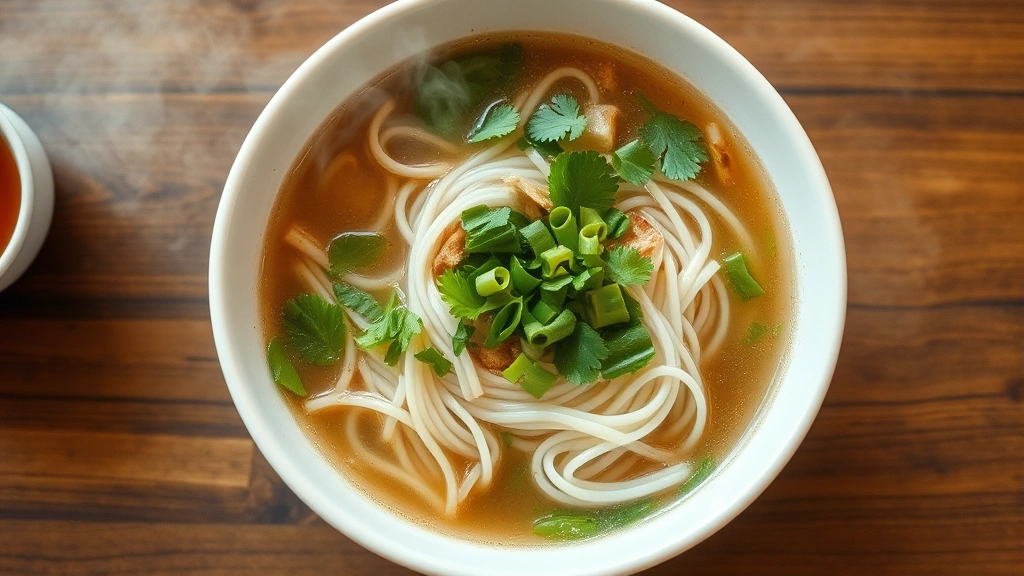
Vietnamese neighborhoods deserve particular attention. A bowl of pho—beef broth simmered for 12+ hours with charred onion, ginger, and spices—costs $8-12 and represents extraordinary value. The broth alone requires skill, patience, and quality beef bones. Banh mi sandwiches offer another remarkable value: crusty bread, pâté, Vietnamese cold cuts, pickled vegetables, and cilantro for $4-6. These aren’t budget compromises; they’re traditional Vietnamese working-class food elevated to an art form.
Mexican neighborhoods provide access to authentic regional cuisine often unavailable in Americanized restaurants. Street tacos with slow-cooked carnitas or barbacoa, fresh corn tortillas, and minimal garnish cost $1-3 each but deliver complex flavors developed through hours of careful preparation. Tamale vendors, often operating from home kitchens or small storefronts, offer handmade masa and fillings that reflect family recipes spanning generations. Explore beyond obvious taco stands to discover mole vendors, ceviche specialists, and regional Mexican cuisines like Oaxacan or Yucatecan that rarely appear in mainstream restaurants.
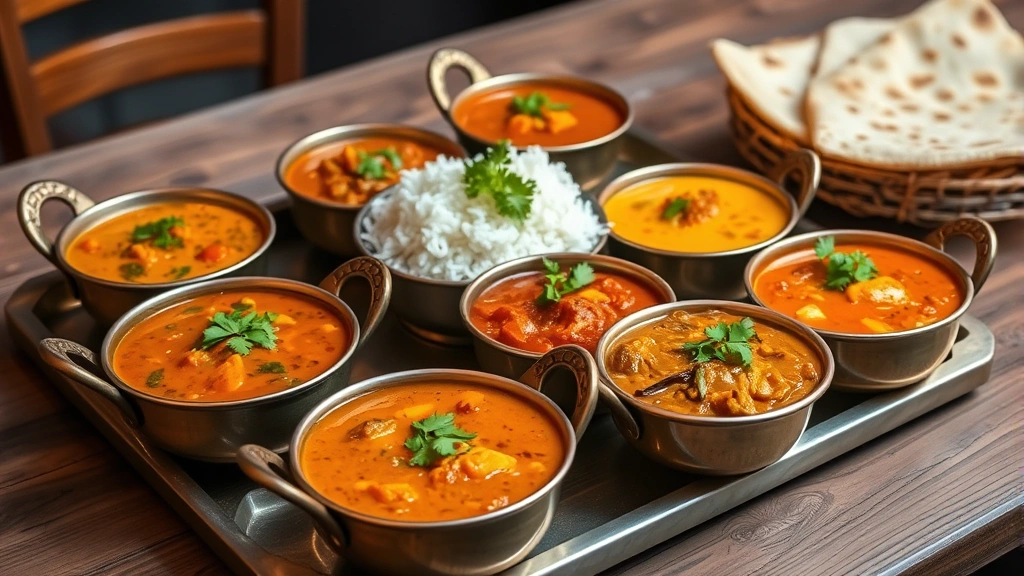
Indian neighborhoods offer perhaps the greatest flavor-per-dollar ratio available. Lunch buffets at curry houses provide access to multiple dishes—fragrant biryanis, creamy paneer curries, spiced dals—for $10-12. Even à la carte ordering remains economical; the spice complexity and ingredient quality rival restaurants charging three times the price. South Indian restaurants serving dosas, idlis, and uttapam provide gluten-free or lighter options at similarly accessible prices.
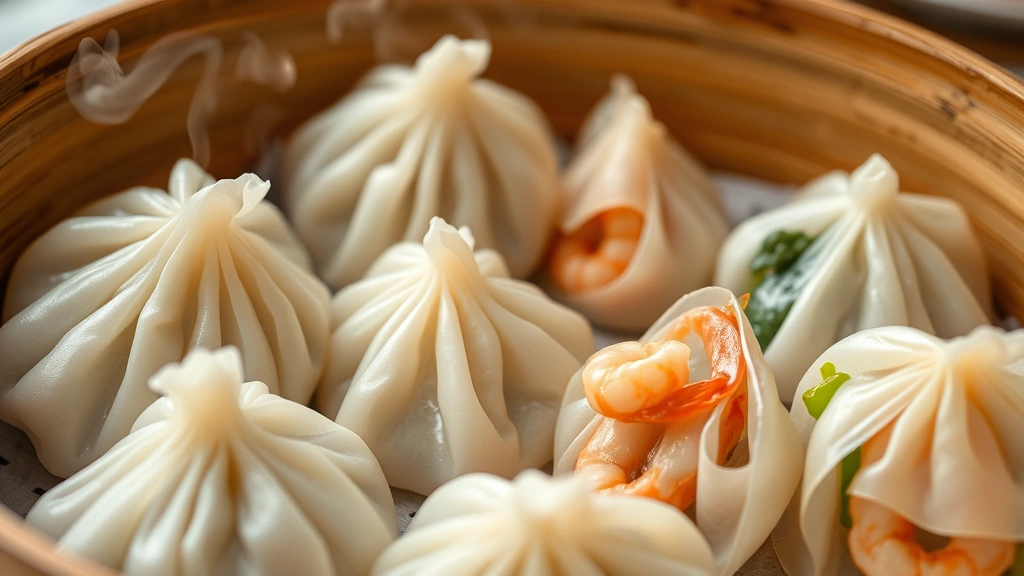
Chinese dim sum restaurants, particularly in established Chinese neighborhoods, deliver theatrical dining experiences at budget prices. Carts laden with steamed dumplings, baked pastries, and braised specialties roll past your table; you select what appeals to your palate. Pricing averages $2-4 per dish, and the variety allows you to taste broadly across the kitchen’s capabilities. Arrive early for optimal selection and authentic clientele rather than tourist crowds.
Japanese ramen shops have proliferated in many cities, offering deeply flavorful broths and carefully prepared noodles for $12-15. The best ramen restaurants simmer tonkotsu or miso broths for 18+ hours, developing umami complexity that elevates this humble noodle soup to comfort food perfection. Korean neighborhoods provide bibimbap—mixed rice, vegetables, protein, and gochujang sauce—and bulgogi that deliver Korean culinary excellence at accessible prices.
Timing Strategies for Maximum Value
When you dine dramatically impacts what you pay and what you receive. Lunch specials represent the most obvious value opportunity; restaurants typically offer prix fixe menus or reduced prices during midday service to drive traffic during slower periods. A dinner entrée costing $18 might be available as a lunch special for $11, often with identical preparation and portion sizes.
Happy hour extends beyond beverages to food pricing at many establishments. Appetizer portions often satisfy as complete meals, priced at 30-50% discounts during designated windows. Strategic happy hour dining—arriving at 5-6 PM when service transitions from lunch to dinner—allows you to eat substantial meals for $15-20 total including beverages.
Timing by day of week matters significantly. Weekday evenings bring lighter crowds and slower service; restaurants may offer discounts to fill tables. Tuesdays and Wednesdays are notoriously slow, making these optimal nights to visit upscale restaurants offering promotional pricing. Conversely, weekend brunch represents exceptional value at many establishments; brunch menus cost 30-40% less than dinner while featuring similar ingredient quality and culinary attention.
Seasonal timing affects both availability and pricing. Off-season ingredients cost less and taste better; summer tomatoes and stone fruits, winter root vegetables and squash, and spring asparagus and peas represent peak flavor at lowest prices. Restaurants featuring seasonal menus naturally offer better value during peak harvest periods when ingredient costs decline.
End-of-month timing sometimes reveals promotional pricing as restaurants attempt to reach revenue targets or clear inventory before menu changes. Subscribe to restaurant email lists to receive advance notice of specials, prix fixe offerings, and limited-time promotions.
Menu Navigation and Hidden Gems
Mastering menu reading separates savvy diners from those overpaying for similar quality. At ethnic restaurants, look for items marked with numbers or symbols indicating house specialties—these reflect what the kitchen excels at and what generates repeat business. Ask servers directly: “What do locals order?” or “What’s the most popular dish?” These questions often reveal items not featured prominently on menus but representing the kitchen’s true capabilities.
Vegetarian and plant-forward options at ethnic restaurants frequently offer superior value and flavor complexity. Indian dals, Chinese vegetable stir-fries, and Mexican bean-based dishes deliver sophisticated flavor development through spicing and technique rather than expensive proteins. These items showcase kitchen skill more clearly than protein-heavy dishes and cost 20-30% less.
Rice and noodle dishes anchor many ethnic menus at budget prices. Fried rice transforms leftover rice into flavor-packed meals; the technique—high heat, quick cooking, proper wok seasoning—determines quality more than ingredient expense. Noodle dishes similarly showcase technique and spice balance. Compare easy Asian dinner recipes to restaurant versions to understand flavor complexity achievable at minimal cost.
Broth-based soups represent unbeatable value. Pho, ramen, tom yum, and miso soup require hours of preparation for broths that can’t be rushed or compromised. A $10 bowl represents extraordinary value when considering ingredient cost and labor investment. These soups also showcase regional flavor profiles and culinary traditions most authentically.
Combination plates and family-style ordering maximize value when dining with companions. Many restaurants offer family portions at per-person prices lower than individual entrées. This approach also expands your palate exposure across multiple dishes in a single meal.
Building Your Food Discovery Toolkit
Systematic approaches to budget dining discovery yield better results than random exploration. Start by mapping ethnic neighborhoods in your area, identifying primary restaurant clusters by cuisine type. Research each neighborhood’s history to understand which immigrant communities established there; this context explains available cuisine types and authenticity levels.
Create a personal tracking system—spreadsheet, notes app, or dedicated food journal—documenting restaurants visited, dishes ordered, prices paid, and quality assessments. This prevents redundant visits and helps identify patterns in what offers genuine value. Over time, you’ll recognize pricing patterns and understand which establishments deliver consistent quality versus those capitalizing on novelty.
Follow local food writers and critics who specifically focus on budget dining. Many cities have journalists dedicated to accessible food discovery. Their recommendations carry credibility and often highlight restaurants before they become popular, allowing you to experience them at original pricing and lower crowds.
Engage with food delivery apps beyond ordering purposes. Browse menus and read customer reviews to identify promising restaurants worth visiting in person. Delivery reviews often highlight portion sizes and value perception that inform expectations. However, recognize that delivery pricing typically exceeds dine-in costs due to platform fees and markups.
Join local food groups and meetups focused on culinary exploration. Group dining experiences provide safety in trying unfamiliar cuisines, allow sharing of dishes for broader palate exposure, and often result in group discounts at partner restaurants. These communities also provide real-time recommendations and can alert you to closures, relocations, or pricing changes.
Learn basic cooking skills to contextualize restaurant food and understand value. Making best sauce recipes for pasta or attempting best homemade pasta recipes reveals the labor and technique involved in restaurant dishes, making budget pricing seem even more remarkable. Understanding preparation methods allows you to appreciate what skilled cooks accomplish and recognize when restaurants cut corners versus when they deliver genuine value.
Quality Indicators at Budget Eateries
Distinguishing between genuinely excellent budget restaurants and those cutting corners requires attention to specific quality markers. Ingredient visibility indicates confidence in quality; restaurants displaying fresh herbs, whole spices, or visible preparation suggest ingredient investment. Conversely, heavy reliance on pre-made sauces and components suggests cost-cutting that affects flavor.
Kitchen activity visible from dining areas reveals operational intensity. Busy kitchens with constant movement suggest high volume supporting competitive pricing while maintaining quality. Slow kitchens with minimal activity might indicate lower ingredient quality or less skilled preparation. The sound of active cooking—sizzling woks, clanging pans, rapid knife work—signals engagement and technique.
Repeat customer presence matters enormously. Establishments packed with locals during non-peak hours indicate community trust and satisfaction. Tourist-heavy restaurants might sacrifice quality knowing customers won’t return; community-dependent restaurants maintain consistency or lose business. Observe clientele composition to assess authenticity and value.
Menu stability suggests confidence in offerings and recipes. Restaurants constantly changing menus might struggle with execution consistency or ingredient sourcing. Stable menus with minor seasonal variations indicate refined recipes and reliable preparation. Long-standing items have been perfected through repetition.
Pricing consistency across similar items indicates fair value. If vegetable dishes cost significantly less than meat dishes at ethnic restaurants, this reflects authentic pricing rather than artificial markups. Significant price variations between similar items suggest menu engineering rather than honest value presentation.
Ingredient sourcing questions yield revealing answers. Ask servers or owners about ingredient origins, preparation methods, and sourcing philosophy. Passionate responses about quality sources indicate genuine commitment to ingredients. Vague answers suggest indifference to quality beyond cost minimization.
Cleanliness and organization reveal operational standards. Well-organized dining areas and visible kitchen cleanliness indicate management attention to details that extend to food preparation. Conversely, neglected spaces suggest corners cut throughout operations.
Staff knowledge indicates training investment. Servers who can describe dishes, suggest preparations, and answer questions about ingredients suggest restaurants investing in their teams. This investment typically correlates with ingredient quality and preparation care.
Waste observation provides insights into operational efficiency. Restaurants minimizing waste through careful portioning and ingredient utilization typically maintain better food costs, allowing competitive pricing while maintaining quality. Excessive waste suggests inefficiency that must be recovered through pricing or quality compromises.
Return visit motivation reveals true quality. If you find yourself planning return visits to budget restaurants, this indicates genuine excellence. If meals were merely acceptable but forgettable, the budget aspect becomes less relevant than the experience quality. The best budget restaurants inspire loyalty and repeat patronage.
Spice and sauce balancing demonstrates technical skill. Budget restaurants excelling at flavor development without expensive ingredients typically master spicing, sauce balance, and technique. A perfectly balanced curry, precisely seasoned stir-fry, or well-executed mole sauce showcases culinary skill independent of ingredient cost.
Texture and temperature consistency indicate attention to detail. Properly crispy fried items, hot soups served at ideal temperatures, and appropriately textured proteins suggest kitchen discipline and timing precision. These factors cost nothing but require skill and focus.
Portion sizing fairness suggests ethical business practices. Generous portions at budget prices indicate confidence in ingredient sourcing and operational efficiency. Stingy portions at any price point suggest restaurants prioritizing margins over customer satisfaction.
Advanced Strategies for Maximum Value
Strategic ordering multiplies budget dining value. Ordering family-style when dining with companions allows sampling multiple dishes while distributing costs. This approach also reveals kitchen breadth and allows experiencing diverse flavor profiles in single meals.
Requesting modifications or customizations often reveals kitchen flexibility and ingredient inventory. Asking for vegetable substitutions, sauce adjustments, or preparation modifications demonstrates your engagement while potentially improving dishes to your preferences. Accommodating restaurants indicate confidence in their ingredients and willingness to customize.
Off-menu ordering at restaurants with strong ingredient relationships yields exceptional value. Asking if the kitchen can prepare dishes not listed—utilizing available ingredients—sometimes results in creative preparations and negotiated pricing. This requires respect for kitchen capacity and genuine relationships with staff.
Combination strategies maximize variety within budget constraints. Rather than ordering single large dishes, order multiple smaller plates or appetizers. This approach costs similar amounts while expanding palate exposure and allowing greater tasting breadth.
Beverage strategy significantly impacts total dining cost. Water with meals is always free and appropriate at budget restaurants. If ordering beverages, consider house options rather than premium selections; quality differences often don’t justify cost premiums. At restaurants with strong beverage programs, house selections frequently represent excellent value.
Dessert and beverage timing affects pricing. Many restaurants offer discounted desserts after main service or provide complimentary items to loyal customers. Building relationships with servers and returning regularly sometimes yields unexpected perks.
Group dining coordination allows accessing group discounts or special pricing. Restaurants often offer reduced per-person rates for groups of 6+ or provide prix fixe menus for larger parties. Coordinating group visits to less-known budget restaurants introduces friends to discoveries while negotiating better rates.
Loyalty program participation accumulates value over time. Many budget restaurants offer punch cards or loyalty programs providing free items after specified purchase counts. These programs cost establishments nothing to implement but generate repeat business and customer loyalty.
Seasonal menu awareness allows planning visits around optimal ingredient availability. Spring visits to restaurants featuring fresh vegetables, summer visits for fruit-forward dishes, and winter visits for braised specialties align dining with peak ingredient quality and pricing.
Cooking at home informed by restaurant visits multiplies food knowledge and appreciation. Understanding how restaurants prepare vegetarian pasta recipes or simple pasta salad recipes reveals technique and flavor combinations achievable with home cooking. This knowledge enhances restaurant appreciation while reducing overall food spending through strategic home preparation.
Building relationships with restaurant owners and chefs yields long-term value. Regular customers often receive special treatment, advance notice of specials, and sometimes complimentary items. These relationships develop naturally through consistent patronage and genuine appreciation for their work.
FAQ
What’s the best way to find cheap restaurants near me?
Explore ethnic neighborhoods with significant immigrant populations, as these areas feature authentic restaurants with lower rent and community-based pricing. Use Google Maps price filters, check Reddit local food communities, and follow local food bloggers specializing in budget dining. Walk through residential areas during lunch hours to observe where locals dine.
Are budget restaurants always lower quality?
Absolutely not. Many budget restaurants excel in quality precisely because they emphasize ingredients and technique over ambiance and marketing. Ethnic family-run establishments often feature recipes refined across generations and showcase culinary skill through spicing and sauce balance rather than expensive proteins.
When should I visit restaurants for best value?
Lunch hours offer the best pricing through lunch specials, typically 30-40% cheaper than dinner. Happy hour (usually 5-7 PM) provides discounted appetizers. Weekday evenings, particularly Tuesday-Wednesday, often feature promotional pricing. Weekend brunch typically costs 30-40% less than dinner.
How do I know if a budget restaurant maintains quality?
Look for repeat local customers, visible kitchen activity, menu stability, and staff knowledge about dishes. Ask questions about ingredient sourcing and preparation methods; passionate responses indicate commitment. Cleanliness, organization, and attention to detail in dining areas suggest similar care in food preparation.
What cuisines offer the best budget dining value?
Vietnamese, Mexican, Indian, and Chinese cuisines typically offer exceptional value. Vietnamese pho and banh mi, Mexican tacos and tamales, Indian curries and dosas, and Chinese dim sum all deliver complex flavors at minimal cost. Japanese ramen and Korean bibimbap similarly offer excellent value.
Should I use food delivery apps to find budget restaurants?
Food delivery apps help identify restaurants and read reviews, but delivery pricing typically exceeds dine-in costs by 20-30% due to platform fees. Use apps for research and discovery, then visit restaurants in person for better value. This approach also supports restaurants by avoiding commission fees.
How can I maximize value when ordering?
Order family-style with companions to sample multiple dishes. Choose broth-based soups and rice/noodle dishes that showcase technique. Ask servers what locals order and which dishes are house specialties. Request modifications to customize dishes. Avoid premium beverages; water or house drinks cost less.
Do budget restaurants ever offer loyalty programs?
Many do, often through punch cards or simple loyalty programs. These accumulate value through repeat visits and cost establishments minimal overhead while generating loyalty. Building relationships with owners and staff also yields unexpected perks and special treatment for regular customers.
Can I negotiate pricing at budget restaurants?
Direct negotiation isn’t typical, but group dining sometimes allows discussing group rates. Respectfully asking about off-menu options utilizing available ingredients can result in creative preparations and potentially negotiated pricing. Building genuine relationships increases likelihood of receiving favorable treatment.
What’s the difference between authentic ethnic cuisine and Americanized versions?
Authentic ethnic restaurants in immigrant neighborhoods prioritize traditional recipes, ingredient quality, and technique over adaptation for broader American palates. These restaurants achieve lower prices through community volume and reduced overhead rather than ingredient cutting. Flavor complexity and regional authenticity distinguish authentic establishments from adapted versions in mainstream areas.