Eureka Springs Dining: Local Foodie Reviews
Nestled in the Ozark Mountains of Arkansas, Eureka Springs has quietly become a culinary destination that rivals larger metropolitan areas in creativity and execution. This Victorian-era mountain town, with its winding cobblestone streets and Victorian architecture, hosts a surprising array of restaurants that celebrate local ingredients, regional traditions, and innovative cooking techniques. Whether you’re seeking farm-to-table excellence, authentic comfort food, or experimental cuisine that pushes boundaries, Eureka Springs restaurants offer memorable dining experiences that reflect both the character of the region and the passion of its chef community.
As a dedicated food tasting enthusiast who has explored dining establishments across North America, I found Eureka Springs to be a hidden gem where culinary ambition thrives outside the traditional food media spotlight. The restaurant scene here demonstrates that exceptional food doesn’t require a major city address—it requires vision, quality sourcing, and an unwavering commitment to craft. This comprehensive guide explores the dining landscape through the lens of a seasoned palate, examining flavor profiles, ingredient integrity, and the sensory experiences that define Eureka Springs’ most noteworthy establishments.
The Ozark Food Philosophy
The culinary identity of Eureka Springs restaurants stems from a deep connection to Ozark terroir—the distinctive characteristics of ingredients grown and raised in this specific region. The philosophy emphasizes sustainability, seasonal awareness, and respect for traditional cooking methods that have sustained Ozark communities for generations. Chefs in Eureka Springs have increasingly partnered with local farmers, foragers, and artisanal producers, creating a closed-loop food system that enhances flavor while supporting the regional economy.
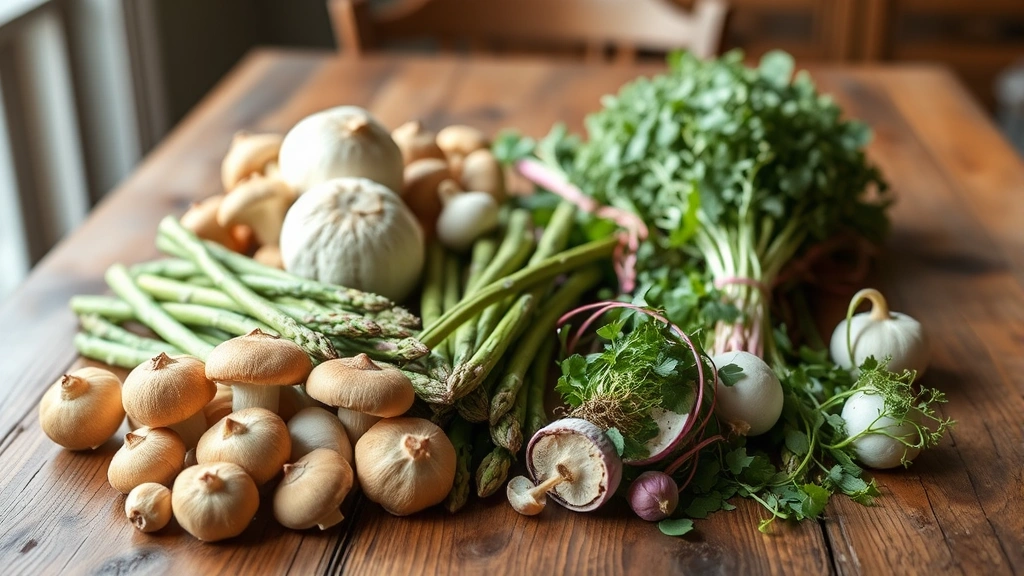
What distinguishes Eureka Springs dining from other mountain towns is the integration of sophisticated culinary techniques with humble ingredient profiles. You’ll encounter dishes that combine foraged mushrooms with classical French preparations, heritage pork breeds treated with the care of Japanese butchery standards, and vegetables grown using regenerative agriculture practices. This approach creates flavor complexities that reveal themselves across the palate in layers—initial impressions giving way to subtle mineral notes, umami undertones, and finishes that linger long after the meal concludes.
The Ozark food philosophy also honors the region’s cultural heritage. Native American influences, Scots-Irish traditions, and African American culinary contributions form the foundation upon which contemporary Eureka Springs chefs build their menus. This multicultural foundation ensures depth and authenticity that transcends mere nostalgia, instead creating dishes that feel both historically grounded and genuinely innovative.
Farm-to-Table Excellence
Several Eureka Springs restaurants have earned regional recognition for their exemplary farm-to-table practices. These establishments maintain direct relationships with specific growers, often featuring ingredient sources on their menus. The transparency about sourcing reflects confidence in quality and creates accountability that elevates entire supply chains.
The sensory experience of farm-to-table dining in Eureka Springs begins with produce that reaches the kitchen within hours of harvest. This immediacy translates to vegetables with intact cellular structure, vibrant color saturation, and flavor intensity that conventional supply chains cannot match. A spring pea prepared at peak ripeness carries sweetness that builds on the palate, complemented by the minerality of fresh soil clinging to pods. Summer tomatoes achieve the balance of acidity and natural sugars that make the difference between adequate and transcendent.
Protein sourcing deserves equal attention. Local beef operations practicing rotational grazing produce meat with superior marbling and flavor complexity. The grass-fed beef carries grassland notes—subtle herbal undertones that emerge when the meat is properly seared and rested. Heritage poultry breeds demonstrate textural superiority and depth of flavor that commodity birds cannot approach. Fish sourcing, while more challenging in a landlocked region, showcases chef commitment through relationships with responsible suppliers who prioritize freshness and sustainability.
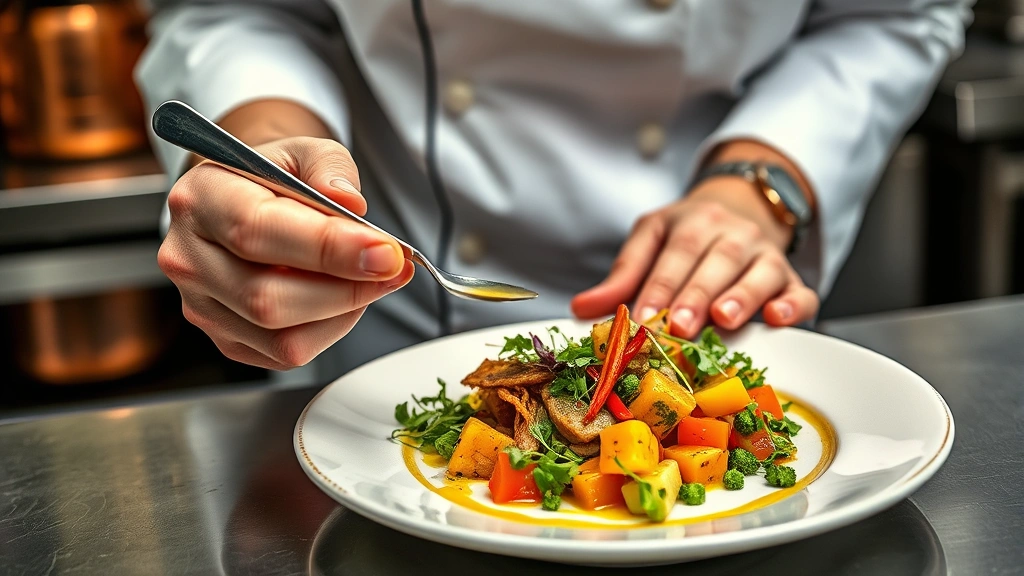
The plating philosophy at top farm-to-table Eureka Springs establishments emphasizes ingredient visibility. Rather than heavy sauces that obscure origins, chefs employ reductive cooking techniques that concentrate flavors, emulsions that highlight rather than mask components, and artistic presentations that celebrate the inherent beauty of well-grown ingredients. A carrot arrives as a carrot—but one that reveals the complete flavor spectrum of its variety, the terroir of its growing conditions, and the skill of its preparation.
Regional Comfort Reimagined
Beyond the elevated farm-to-table establishments, Eureka Springs hosts restaurants that reinterpret regional comfort food through a contemporary lens. These venues honor traditional Ozark dishes—chicken and dumplings, biscuits and gravy, slow-cooked beans, cornbread preparations—while applying modern technique and refined palate sensibilities.
The distinction between casual comfort food and elevated interpretations lies in execution precision and ingredient quality. A traditional chicken and dumpling preparation becomes extraordinary when the broth develops from roasted chicken bones simmered with aromatics for 12+ hours, dumplings feature hand-rolled pasta with proper gluten development and tender bite, and the finished dish achieves balance between rich broth, tender protein, and delicate starch. Each component maintains its identity while contributing to cohesive whole.
Biscuits exemplify this philosophy. Rather than utilizing commercial flour and shortcuts, quality operations employ heritage grain varieties, proper lamination techniques that create flaky layers, and butter quality that elevates the experience from functional carbohydrate to sensory centerpiece. The crumb structure should reveal itself as you bite through the golden exterior—thousands of butter-fat layers creating steam pockets that deliver textural contrast.
Gravy preparations deserve particular attention. Traditional cream gravies benefit from technique that prevents lumping, proper seasoning balance that highlights rather than masks sausage or meat components, and cooking duration that allows flavors to meld without separation. The finest gravies achieve silky mouthfeel through emulsion stability rather than heavy roux applications.
Dining on the Historic District
The historic downtown area contains the highest concentration of Eureka Springs dining options, with establishments ranging from casual cafes to fine dining venues. The Victorian architecture and pedestrian-friendly streets create an atmosphere that enhances the overall dining experience, encouraging lingering and exploration.
Street-level restaurants benefit from foot traffic and visual appeal, allowing diners to observe kitchen operations and witness ingredient handling. Transparency in food preparation builds confidence in quality and hygiene standards. The open-kitchen concept, when executed properly, becomes theater—the controlled chaos of service, the precision of plating, the coordination required to deliver multiple dishes simultaneously all contribute to appreciation of culinary craft.
Upper-story establishments often provide elevated views of the town and surrounding mountains. The visual context of dining—landscape vista, architectural detail, natural light quality—influences flavor perception through multisensory integration. Research from culinary institutes demonstrates that dining ambiance directly impacts taste perception, with positive environmental factors enhancing flavor recognition and satisfaction.
The seasonal transformation of the historic district affects dining dynamics. Spring brings renewal energy and lighter menu offerings. Summer crowds create vibrant atmosphere but challenge kitchen capacity. Fall’s temperature modulation and foliage transformation shift toward richer preparations. Winter’s quietude allows intimate dining experiences with reduced reservation pressure.
When exploring Eureka Springs restaurants in the historic district, consider timing your visits to align with ingredient seasonality. Early spring reservations capture the first tender greens and emerging vegetables. Peak summer offers abundance—berries at their sweetest, stone fruits at optimal ripeness, light preparations that celebrate produce quality. Fall transitions toward heartier fare as cooler temperatures arrive and root vegetables reach maturity. Winter showcases preserved preparations and long-cooked braises that develop complexity over hours.
Beverage Programs Worth Exploring
Exceptional Eureka Springs restaurants increasingly feature sophisticated beverage programs that extend beyond basic wine lists. Craft cocktail programs, curated beer selections, and innovative non-alcoholic preparations deserve equal attention to food offerings.
Wine programs reflecting regional philosophy emphasize natural wines, small-production vintages, and producers practicing sustainable viticulture. These selections often feature lower alcohol content, higher acidity, and flavor profiles that complement rather than overpower regional cuisine. A natural wine from a small Ozark producer carries terroir expression that mass-produced options cannot match. The slight unpredictability of natural wines—potential cork issues, sediment presence, variable carbonation—reflects authentic agricultural practice rather than industrial standardization.
Craft cocktail programs showcase mixology as culinary discipline. Bartenders employing fresh juices, house-made syrups, and quality spirits create beverages that demand attention. The sensory experience of a well-executed cocktail progresses through layers—initial spirit character, citrus brightness, herbal or spice complexity, and finish that builds rather than fades. Temperature control, dilution precision, and ice quality all influence final experience.
Beer selections merit consideration for food pairing versatility. Hoppy IPAs provide contrast to rich preparations. Sour ales complement acidic or fermented components. Stouts and darker styles offer textural interplay with chocolate-forward desserts. Local breweries contribute regional character while supporting community economy.
Non-alcoholic beverage programs demonstrate commitment to inclusive hospitality. House-made sodas, herbal infusions, and sophisticated non-alcoholic cocktails ensure all diners receive equal attention. The flavor complexity of zero-proof beverages rivals alcoholic preparations when executed with equivalent care.
Seasonal Ingredient Considerations
Understanding seasonal ingredient availability transforms how you approach Eureka Springs dining throughout the year. The region’s climate creates distinct growing seasons that influence menu composition and flavor profiles.
Spring (March-May) brings tender greens, asparagus, fresh herbs, and light proteins suited to warming but not yet hot temperatures. Menus transition from winter’s preserved preparations toward bright, acidic, and delicate flavors. Morel mushrooms—prized for earthy complexity and meaty texture—appear briefly and command premium pricing. Ramp season provides pungent allium character that dominates early spring menus.
Summer (June-August) delivers peak vegetable abundance and warmth-loving fruits. Tomatoes reach optimal sugar-acid balance, berries achieve maximum sweetness, stone fruits develop honeyed complexity. Lighter cooking methods—grilling, raw preparations, minimal cooking—celebrate ingredient quality. The challenge becomes ingredient selection—with such abundance available, menus can become unfocused. The finest chefs exercise restraint, featuring fewer components prepared with greater precision.
Fall (September-November) transitions toward heartier preparations as temperatures cool. Root vegetables develop sweetness through starch conversion during growth. Squash varieties offer varied textures and subtle flavor distinctions. Game meats become available, their complex, mineral-forward profiles demanding careful preparation and complementary accompaniments. The color palette shifts toward earth tones—oranges, deep reds, browns—influencing visual presentation and psychological associations.
Winter (December-February) emphasizes preserved ingredients, long-cooked preparations, and rich preparations that provide warmth and comfort. Fermented vegetables provide acidity and probiotic benefits. Root vegetables stored through fall maintain quality through proper conditions. Preserved proteins—cured meats, dried preparations—offer concentrated flavors and extended shelf life. Spices warm the palate, building heat through capsaicin and other compounds that trigger warmth sensations.
The most sophisticated Eureka Springs restaurants align menu changes with ingredient availability rather than arbitrary seasonal divisions. This approach requires close relationships with farmers, flexibility in menu planning, and commitment to quality over consistency. While predictability appeals to some diners, the genuine foodie community values restaurants that showcase ingredient-driven decision making.
Visiting the same restaurant across seasons provides educational value. Observing how chefs adapt to ingredient availability, watching flavor profiles evolve, and experiencing the restaurant’s response to seasonal rhythms deepens appreciation for culinary craft. The spring asparagus preparation differs fundamentally from summer tomato focus, which differs from fall squash applications and winter braised applications—yet all reflect the same kitchen philosophy and technique mastery.
FAQ
What makes Eureka Springs restaurants distinctive compared to other mountain dining destinations?
Eureka Springs combines sophisticated culinary technique with deep regional roots. Unlike some mountain towns that rely on nostalgia or tourist expectations, Eureka Springs chefs actively innovate while respecting Ozark traditions. The farm-to-table movement here feels authentic rather than marketed, reflecting genuine producer relationships and seasonal commitment. Additionally, the town’s artistic community attracts creative individuals across disciplines, fostering cultural environment that values excellence and experimentation.
How should I approach reservations and timing for optimal dining experiences?
Book well in advance for weekend dining, especially during peak seasons (spring and fall). Weekday visits offer advantages—smaller crowds, more attentive service, greater flexibility for kitchen special preparations. Consider visiting during shoulder seasons (early spring, late fall) for manageable crowds while maintaining excellent ingredient availability. For specific ingredient experiences (morel season, summer berries, fall game), contact restaurants directly to confirm availability before booking.
Are there significant price differences between Eureka Springs restaurants?
Yes, ranging from casual cafes under $15 per entree to fine dining establishments exceeding $60+ per person. However, value correlates with ingredient quality, technique sophistication, and experience caliber rather than simple price point. Some moderately-priced establishments deliver exceptional value through careful sourcing and skilled preparation, while premium pricing sometimes reflects atmosphere and service rather than food quality alone. Evaluate individual restaurants based on your priorities.
How do I identify truly fresh, quality preparations when dining?
Observe menu specificity—quality restaurants list ingredient sources and preparation methods. Request information about sourcing; knowledgeable servers confidently discuss producer relationships. Taste for clarity of flavors; quality ingredients require minimal manipulation, allowing distinct tastes to emerge. Notice texture precision; properly cooked vegetables maintain structural integrity while achieving tenderness. Evaluate finishes; excellent dishes reveal complexity as they cool slightly, flavors evolving rather than remaining static.
What resources help identify the best current Eureka Springs dining options?
Beyond traditional review platforms, consult International Association of Culinary Professionals resources for chef recognition and publications. The World Association of Food Journalists maintains curated dining guides. Local tourism boards increasingly feature chef profiles and restaurant features. Food-focused publications occasionally cover regional dining scenes. Most importantly, engage directly with the community—locals provide honest assessments and hidden gem recommendations that media outlets miss.
How do Eureka Springs dining experiences compare to Restaurant Week events in major cities?
While Restaurant Week Chicago 2025 and Restaurant Week NYC 2025 offer fixed-price menus at premium establishments, Eureka Springs provides year-round access to chef-driven cuisine without special promotions. The pace differs—major city events emphasize volume service, while Eureka Springs restaurants prioritize individual attention. For those interested in broader dining comparisons, explore resources covering Chicago Restaurant Week and Restaurant Week Philly to understand how seasonal dining promotions function in metropolitan markets.
Does Eureka Springs accommodate specialized dietary preferences?
Yes, with increasing sophistication. Many restaurants maintain vegan restaurants or offer creative plant-based preparations. Gluten-free accommodations have improved significantly. Communicate dietary needs when booking; quality establishments welcome advance notice, allowing kitchen planning for specialized preparations rather than menu substitutions. Farm-to-table restaurants often adapt more creatively than traditional establishments, viewing dietary restrictions as opportunities for ingredient showcase rather than limitations.
How does dining in Eureka Springs compare to international culinary destinations?
While Eureka Springs lacks the established culinary infrastructure of major international food cities, the quality and creativity rival destinations like best restaurants in Rome. The distinction lies in focus—rather than competing with centuries of tradition, Eureka Springs chefs build contemporary identity while honoring regional roots. The intimacy and accessibility exceed major tourist destinations, allowing direct chef-diner interaction and personalized experiences that larger establishments cannot provide. For culinary adventurers seeking authentic regional expression over international prestige, Eureka Springs delivers superior value and genuine innovation.