Top European Dishes? Chef’s Picks Revealed
European cuisine represents centuries of culinary tradition, regional pride, and meticulous technique refined across generations. From the sun-drenched Mediterranean coasts to the Alpine valleys and bustling Parisian bistros, each region has cultivated signature dishes that tell stories of culture, geography, and passion. When elite chefs gather to discuss their favorite European plates, certain classics emerge consistently—dishes that have transcended borders and become benchmarks for culinary excellence worldwide.
This exploration of top European dishes goes beyond simple recipes; it delves into the sensory experience, the historical context, and the precise execution that separates authentic European cuisine from mere imitation. Whether you’re planning a visit to an upscale European restaurant or seeking to understand what makes these dishes legendary, understanding the chef’s perspective transforms your appreciation entirely.
French Classics That Define Fine Dining
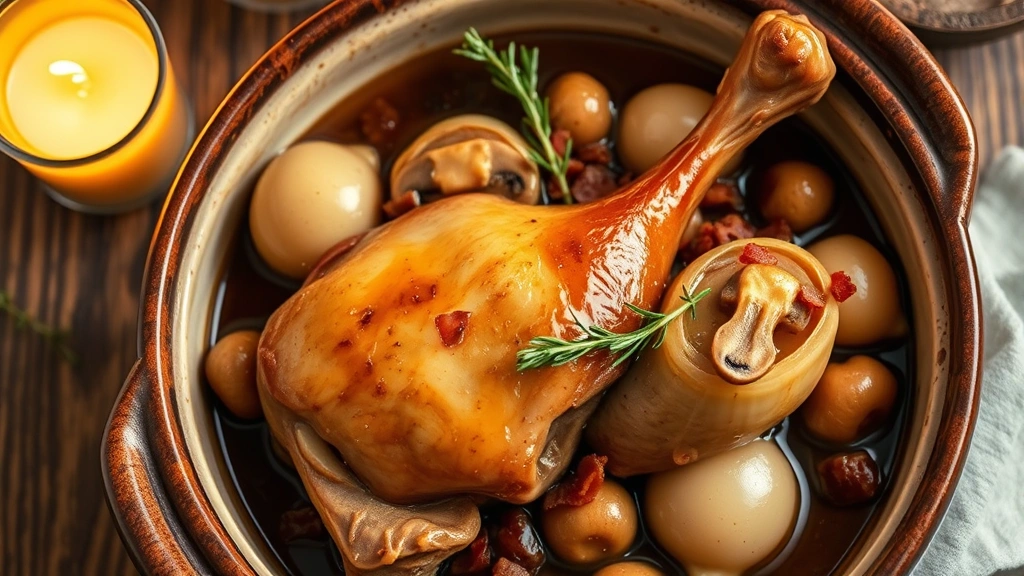
When chefs speak reverently about European cuisine, France inevitably dominates the conversation. Coq au Vin stands as perhaps the quintessential French braise—a dish where humble chicken transforms into something transcendent through patience, quality wine, and proper technique. The magic begins with searing chicken pieces until the skin achieves deep golden-brown caramelization, developing complex flavors through the Maillard reaction. Pearl onions, mushrooms, and lardons of bacon create layers of umami depth, while the braising liquid—typically a full-bodied Burgundy wine—reduces to a glossy, wine-dark sauce that clings to each morsel.
Chefs emphasize that Coq au Vin’s success hinges on several critical elements: the quality of the wine (never use cooking wine), the duration of the braise (minimum three hours to allow flavors to meld), and the final adjustment of seasoning. The dish exemplifies French culinary philosophy—transforming ordinary ingredients through technique and time into something extraordinary. The Culinary Institute of America consistently features this dish in classical French technique courses because it teaches fundamental braising principles applicable across countless preparations.
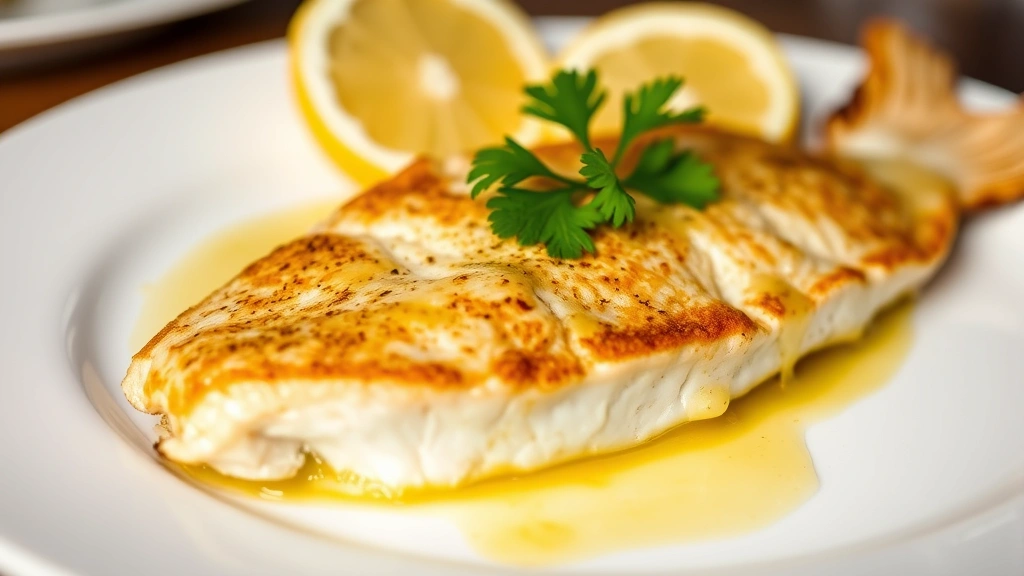
Sole Meunière represents French refinement at its most elegant. This deceptively simple preparation—sole dredged in flour and pan-fried in brown butter—demands absolute precision. The fish must be impeccably fresh, the butter clarified to perfection, and the pan temperature controlled with surgical accuracy. As the butter foams and the flour creates a delicate golden crust, the fish’s delicate flesh remains impossibly tender inside. A squeeze of fresh lemon and a scatter of parsley complete the composition, yet these final touches demonstrate how restraint and quality ingredients create maximum impact.
French chefs also champion Beef Bourguignon, Julia Child’s famous beef stew elevated to art form. Tender beef chuck becomes succulent through low-and-slow braising in red wine with pearl onions, mushrooms, and carrots. The initial searing creates a flavorful crust, while the long braise at gentle temperature allows collagen to transform into gelatin, creating a silky mouthfeel and rich body in the sauce. The aromatics—bay leaf, thyme, peppercorns—infuse subtly without overpowering the natural beef and wine flavors.
Italian Masterpieces Beyond Pasta
While pasta dominates Italian cuisine globally, discerning chefs point to dishes that showcase Italy’s broader culinary sophistication. Risotto alla Milanese transcends its rice-based simplicity through precise technique and ingredient quality. The Arborio or Carnaroli rice grains must retain their bite while releasing starches to create a creamy, flowing consistency—what Italians call all’onda (wave-like). Saffron threads steeped in warm broth impart their distinctive floral-earthy notes and golden hue, while butter and Parmigiano-Reggiano folded in at the end create luxurious richness.
Chefs stress that risotto cannot be rushed. The constant stirring and gradual broth addition demand attention and care, yet this active engagement creates a meditative cooking experience. The rice’s evolution from firm grains to flowing cream happens gradually, requiring the cook’s intuition and adjustment. This contrasts sharply with pasta cooking, where timing is critical but active involvement minimal.
Osso Buco—braised veal shanks—delivers profound satisfaction through humble presentation and complex flavor development. The thick marrow bone surrounded by tender meat becomes an interactive dining experience; diners extract the creamy marrow with tiny spoons, savoring its rich, buttery texture. The braise liquid, enriched with tomatoes, wine, and aromatics, reduces to a glossy glaze that clings to each morsel. Gremolata—finely minced lemon zest, garlic, and parsley—cuts through richness with its bright acidity and fresh herbal notes.
Vitello Tonnato represents Italian simplicity and sophistication intertwined. Tender veal roast, poached until perfectly tender, becomes a summer dish when sliced thin and draped with a creamy tuna-anchovy sauce. The sauce’s umami depth—from tuna, anchovies, and capers—might seem to clash with delicate veal, yet the combination achieves perfect balance. This dish exemplifies how Italian cuisine often subverts expectations, combining unlikely ingredients into harmonious wholes.
For those exploring farm to table restaurants, you’ll find Italian principles heavily influence modern interpretations, with seasonal vegetables and sustainable sourcing honoring traditional values.
Spanish Traditions and Iberian Excellence
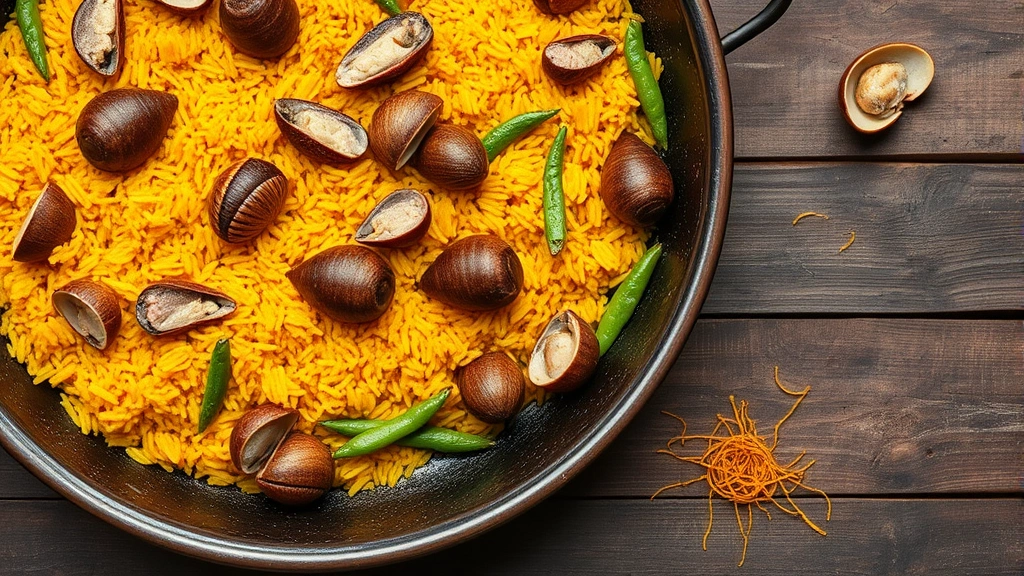
Spanish cuisine brings warmth, vibrancy, and bold flavors to the European table. Paella Valenciana, the iconic rice dish, represents regional pride and communal dining philosophy. The dish cooks in a wide, shallow pan over an open flame, creating a prized layer of caramelized rice at the bottom called socarrat. Saffron threads impart their precious flavor and color, while rabbit, beans, and snails (in traditional versions) provide protein and regional authenticity. The rice absorbs broth gradually, each grain remaining separate yet tender, achieving a completely different texture than Italian risotto.
Chefs emphasize that paella demands respect for tradition—shortcuts compromise the dish’s essential character. The quality of saffron, the type of rice (short-grain bomba varieties work best), and the open-flame cooking method all contribute to authentic results. Watching a skilled paella cook work the pan with practiced confidence—adjusting flame, listening for the socarrat’s subtle crackling sound—reveals cooking as performance and craft.
Jamón Ibérico represents Spain’s mastery of curing and preservation. The deep crimson, marbled flesh of Iberian ham achieves its character through the pig’s diet of acorns and the slow curing process spanning years. Sliced paper-thin, the fat melts on the tongue while the meat’s complex, slightly sweet flavor unfolds. This dish requires no cooking, no garnish, no enhancement—simply superb ingredients, time, and tradition creating something transcendent.
Gazpacho—cold tomato soup—demonstrates Spanish ingenuity in using summer’s abundance. Ripe tomatoes, garlic, olive oil, and vinegar blend into a refreshing, deeply flavorful soup served chilled. The tomato’s natural sweetness balances against sharp vinegar and peppery olive oil, while garlic’s pungency adds complexity. This peasant dish teaches that luxury need not mean complexity; rather, it means respecting ingredients and achieving balance.
Gambas al Ajillo showcases Spanish simplicity with prawns, garlic, and chili peppers cooked in olive oil until the prawns turn pink and opaque. The garlic infuses the oil with sweet, nutty notes, while dried chili adds gentle heat. This dish works beautifully in restaurants with music near me, where the casual elegance matches the dining atmosphere.
German and Central European Comfort
German cuisine, often dismissed in favor of lighter Mediterranean traditions, offers profound satisfaction and technical excellence. Sauerbraten—pot roast marinated in vinegar—demonstrates how acid transforms tough cuts into tender, flavorful dishes. The marinade of vinegar, wine, and aromatics penetrates the meat over days, tenderizing while infusing complex flavor. When braised, the meat becomes silky, while the reduced braising liquid creates a sauce with sweet-sour balance from the vinegar and caramelized meat juices.
Wiener Schnitzel represents Austrian refinement of a simple preparation. Pounded veal cutlet, dredged in flour, egg, and breadcrumbs, then fried in clarified butter until golden and crispy, delivers textural contrast—crunchy exterior giving way to tender, delicate meat. The preparation seems straightforward yet demands attention: the veal must be pounded to even thickness, the coating applied correctly, the butter temperature precise, and the frying duration exact. Served with lemon, lingonberry jam, and potato salad, it exemplifies how classical technique elevates simple ingredients.
Spätzle—egg noodles from Swabia—showcase German pasta traditions. The dough, wetter than Italian pasta, produces tender, slightly irregular noodles with ruffled edges that catch sauce beautifully. Often served with brown butter, crispy onions, and cheese, spätzle provides comfort and satisfaction. The noodles’ tender texture contrasts with the crispy onions’ crunch, creating complexity in a humble side dish.
Hungarian Goulash brings Central European spice and warmth. Beef stewed with onions, paprika, and caraway seeds creates a dish of remarkable depth. The paprika—whether sweet, hot, or smoked—defines the dish’s character, while slow braising allows flavors to marry and develop. Served with bread or dumplings, goulash exemplifies peasant cooking elevated through technique and ingredient quality.
Mediterranean Magic from Greece and Turkey
Greek cuisine celebrates simplicity, seasonality, and exceptional ingredients. Lamb Kleftiko—lamb wrapped in parchment and slow-roasted—emerges from the oven incredibly tender, infused with the aromatics cooked alongside it. Feta cheese, olives, tomatoes, and oregano create a Mediterranean flavor profile that feels simultaneously rustic and refined. The parchment traps steam, creating an environment where the lamb becomes supremely tender while the vegetables soften and release their juices.
Saganaki—fried cheese—represents Greek street food elevated to appetizer status. Firm cheese like kefalotyri, dredged in flour and fried until the exterior crisps while the interior remains creamy, delivers textural contrast and pure indulgence. A squeeze of lemon brightens the richness, while the dish’s theatrical presentation—sometimes flambéed tableside—adds drama to dining.
Turkish Meze represent the Mediterranean philosophy of small plates, shared dining, and ingredient celebration. Hummus, baba ganoush, stuffed grape leaves, and grilled vegetables showcase vegetables, legumes, and herbs prepared with care and respect. The emphasis on communal eating and the diversity of flavors across multiple small dishes create a richer dining experience than any single large plate could offer.
Turkish Kebab, whether döner (rotating spit) or shish (skewered), demonstrates mastery of meat cookery. Marinated lamb or chicken, cooked over open flame until the exterior chars while the interior remains juicy, achieves perfect balance between texture and flavor. The char creates complexity, while the marinade’s spices—cumin, sumac, paprika—infuse throughout.
Nordic Innovation and Scandinavian Minimalism
Northern European cuisine, once dismissed as heavy and uninspired, has experienced remarkable renaissance through chefs embracing local ingredients and seasons. Gravlax—cured salmon—represents Scandinavian sophistication. Fresh salmon fillets, cured with salt, sugar, and dill, develop a silky texture as the cure draws out moisture while infusing herbaceous dill flavor. Sliced thin and served with dark rye bread, crème fraîche, and capers, gravlax delivers elegance through simplicity and respect for pristine ingredients.
Swedish Meatballs, often dismissed as casual fare, achieve remarkable depth when prepared properly. Ground beef and pork, combined with onions, cream, and spices, create tender, juicy meatballs with subtle sweetness and savory complexity. The cream sauce, enriched with meat drippings and beef stock, coats each meatball luxuriously. This dish, served with lingonberry jam and creamed potatoes, demonstrates how comfort food and sophistication need not be mutually exclusive.
Modern Nordic cuisine, championed by restaurants like Noma in Copenhagen, emphasizes hyperlocal ingredients, seasonal variation, and innovative techniques. Chefs forage for wild mushrooms, herbs, and plants, creating menus that shift with nature’s offerings. This philosophy—respecting seasons and celebrating local terroir—represents a return to how European cuisine developed historically, before global supply chains enabled year-round availability of any ingredient.
Danish Smørrebrød—open-faced sandwiches—showcase Nordic ingredient quality and presentation artistry. Rye bread, spread with butter or mayo, topped with cured fish, roasted vegetables, pickled items, and fresh herbs, becomes a canvas for culinary creativity. The contrast between dense, slightly sour rye bread and delicate toppings creates textural and flavor complexity in each bite.
Sourcing and Preparation Philosophy
What unites these diverse European dishes is a philosophy prioritizing ingredient quality and proper technique. European chefs, particularly those working in restaurants featuring regional European cuisine, emphasize sourcing from trusted suppliers—often maintaining relationships spanning decades. A French chef might work with the same butcher, fishmonger, and produce merchant for years, ensuring consistent quality and understanding of how ingredients vary seasonally.
The European restaurant tradition values technique learned through apprenticeship, where young cooks spend years mastering fundamentals before advancing. This contrasts with modern cooking culture’s emphasis on innovation and individual expression. Traditional European training teaches that mastering classical techniques—proper knife skills, understanding heat control, recognizing doneness through appearance and touch—creates foundation enabling any future direction.
Seasonality remains central to authentic European cooking. Spring brings asparagus, peas, and tender greens; summer offers tomatoes, stone fruits, and fresh herbs; autumn provides mushrooms, game, and root vegetables; winter showcases preserved items, root vegetables, and hardy greens. Menus reflecting these seasons honor how European cuisine developed before global shipping, when cooks worked with what their region produced.
Wine pairing represents another distinctly European tradition. Rather than viewing wine as a beverage to consume alongside food, European dining culture sees wine as integral to the meal. Acidity in wine cuts through rich preparations, while tannins complement grilled or roasted items. This sophisticated approach to pairing elevates both food and wine, creating harmony greater than either could achieve alone.
For those seeking to experience these traditions, exploring quality takeout restaurants near me that emphasize European traditions offers accessibility, while vegetarian restaurants increasingly reinterpret European classics through plant-based preparations, proving these culinary principles transcend specific ingredients.
World Chefs organization maintains standards for professional cooking education, ensuring that chefs worldwide learn classical European techniques as foundation. Similarly, International Association of Culinary Professionals recognizes excellence across cooking disciplines, with European classical training remaining benchmark for technical mastery. Eater publication consistently covers European culinary trends, while Saveur Magazine explores regional European traditions with depth and respect.
Understanding these top European dishes through chef’s perspective transforms casual dining into educational experience. Each plate tells stories of geography, history, and human creativity refined across generations. Whether experiencing these dishes in formal dining settings or recreating them at home, respecting the traditions, ingredients, and techniques behind them honors the culinary heritage they represent.
FAQ
What makes European cuisine distinct from other culinary traditions?
European cuisine emphasizes classical technique, ingredient quality, and respect for tradition. The emphasis on proper training, seasonal cooking, and mastering fundamental skills distinguishes it from cuisines prioritizing spice, innovation, or fusion. European cooking teaches that excellence comes through understanding principles deeply rather than constantly seeking novelty.
Which European country’s cuisine is considered most refined?
French cuisine holds the position as culinary standard globally, with French classical techniques forming the foundation of professional cooking education worldwide. However, Italian, Spanish, and modern Nordic cuisines rival French traditions in sophistication and cultural significance. Rather than ranking, most chefs recognize different strengths across European regions.
Can I recreate these dishes at home successfully?
Yes, though results depend on ingredient quality, technique understanding, and patience. Start with simpler preparations like Sole Meunière or Gazpacho before attempting complex braises. Invest in quality ingredients, learn proper technique through reliable sources, and practice. Many European classics reward practice and attention more than innate talent.
How important is wine pairing with European dishes?
Wine pairing enhances European dining significantly, though it’s not essential for enjoyment. Understanding basic principles—acidity cutting richness, tannins complementing meat, aromatic wines matching herb-forward dishes—improves meals substantially. Even modest wines paired thoughtfully elevate dining experiences.
What’s the difference between European restaurant cooking and home preparation?
Professional kitchens offer advantages in equipment, ingredient access, and skill concentration. However, home cooks can achieve excellent results through quality ingredients, proper techniques, and patience. The fundamental principles remain identical; execution differs primarily in scale and efficiency.
How do modern chefs honor European traditions while innovating?
Respected chefs master classical techniques thoroughly before developing personal styles. Innovation built on solid foundation proves more successful than novelty without understanding. Many modern European chefs emphasize seasonality, sustainability, and local sourcing—returning to principles that governed European cooking historically while using contemporary techniques.