Top Family Restaurants? Parent-Approved Picks for Every Palate
Finding the perfect family restaurant can feel like an impossible task. You need a venue that satisfies the discerning tastes of adults while keeping children engaged and happy, all while maintaining an atmosphere where everyone feels genuinely welcome. The best family-friendly restaurants understand that parents crave bold, sophisticated flavors and quality ingredients, while younger diners appreciate familiar comforts presented with care and creativity. These establishments have mastered the delicate balance of culinary excellence and accessibility, proving that family dining doesn’t require compromising on taste or experience.
Over countless family meals, certain restaurants have consistently earned their reputation as parent-approved destinations. These establishments distinguish themselves through thoughtful menu curation, attentive service that understands the unique dynamics of dining with children, and an unwavering commitment to ingredient quality. Whether you’re seeking vibrant Asian cuisine, fresh seafood preparations, or globally-inspired comfort foods, the restaurants featured here demonstrate that family dining can be an enriching sensory experience for every generation at the table.
What Makes a Family Restaurant Truly Parent-Approved
The distinction between merely child-tolerant establishments and genuinely family-friendly restaurants lies in intentional design across multiple dimensions. Parent-approved restaurants recognize that families represent diverse flavor preferences, dietary restrictions, and dining timelines. They maintain sophisticated preparation standards while offering familiar options, understanding that a child’s expanding palate develops through exposure to quality ingredients and thoughtful seasoning rather than dumbed-down versions of adult cuisine.
Exceptional family restaurants prioritize several key elements: ingredient transparency that allows parents to make informed choices, kitchen flexibility for minor modifications without compromising dish integrity, pacing that accommodates slower eaters without rushing families, and staff training that treats children with genuine respect. The sensory experience matters tremendously—aromatic dishes that intrigue young diners, visually appealing plating that excites exploration, and flavor progressions that reward adventurous eating create memorable experiences that shape lifelong food appreciation.
Many parents discover that best family restaurants near me often feature cuisines that naturally accommodate varied preferences. Asian restaurants, in particular, excel at this balance through customizable heat levels, abundant vegetable options, and proteins prepared simply alongside more complex preparations.
Asian Cuisine Excellence for Mixed-Age Palates
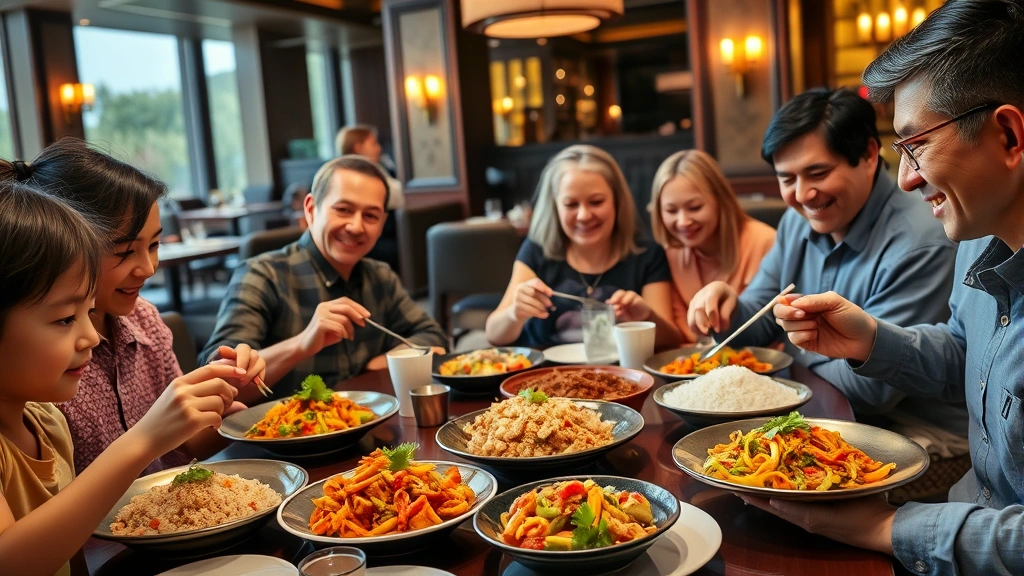
Asian cuisine represents perhaps the most naturally family-friendly culinary tradition, offering remarkable flexibility within a coherent flavor framework. Quality Asian restaurants, such as Restaurant Asian Delight, excel at serving multiple generations simultaneously through customizable spice levels, abundant fresh vegetables, and proteins prepared through techniques that preserve rather than obscure natural flavors.
The beauty of Asian dining for families lies in its fundamental building blocks. A stir-fried dish can be prepared with precisely controlled heat, allowing children to experience the same vegetables and proteins as adults while managing capsaicin levels appropriately. Rice and noodle dishes serve as gentle anchors for adventurous eaters, while aromatic elements—ginger, garlic, sesame, cilantro—introduce sophisticated flavor dimensions without aggressive intensity. Broths in soups carry umami depth that appeals to refined palates while remaining accessible to younger diners unfamiliar with complex flavor profiles.
Establishments like Dosa Grill Restaurant demonstrate how specialized Asian cuisines can serve families exceptionally well. South Indian preparations, with their emphasis on fermented bases, spice-layering rather than single-note heat, and abundant vegetable components, create natural opportunities for customization. A child might enjoy a mild dosa with familiar fillings while parents explore more adventurous spice combinations and complex fermented accompaniments. The crispy exterior provides textural excitement for younger palates, while the subtle sourdough fermentation of the batter appeals to sophisticated tastes.
When exploring easy Asian dinner recipes, families discover principles that translate directly to restaurant selections—emphasis on fresh ingredients, quick cooking that preserves nutritional value and bright flavors, and preparations that highlight individual components rather than masking them under heavy sauces.

Seafood-Forward Restaurants Everyone Enjoys
Quality seafood restaurants occupy a special category in family dining, offering proteins that cook quickly, present beautifully, and deliver distinctive flavors that educate young palates without overwhelming them. The finest family-friendly seafood establishments source impeccably fresh ingredients, understanding that children’s developing sensory systems can detect quality differences that adults might overlook.
Fresh fish prepared simply—grilled with minimal intervention, poached gently in aromatic broths, or lightly pan-seared—allows natural oceanic sweetness to shine. These preparations appeal simultaneously to adventurous young eaters and sophisticated adults who appreciate restraint and ingredient quality. Shellfish presents similar advantages: sweet scallops, tender shrimp, and briny oysters offer distinct flavor profiles that expand rather than intimidate developing palates.
Family seafood dining succeeds when restaurants recognize that children often prefer milder, slightly sweeter preparations while maintaining flavor integrity. A perfectly cooked piece of halibut requires no elaborate sauce to impress; its delicate texture and subtle brininess speak for themselves. Parents can enjoy the same fish prepared with more assertive seasonings, citrus elements, or complex sauce components while children experience the foundation ingredient in its purest form.
Exploring simple seafood recipes for every home cook reveals how professional kitchens approach family-friendly preparation: respecting ingredient quality, employing precise cooking techniques, and allowing natural flavors to dominate rather than competing with heavy additions.
Comfort Food with Sophisticated Execution
The most successful family restaurants elevate comfort food through technique, ingredient selection, and thoughtful preparation rather than adopting a condescending approach to familiar dishes. Parents appreciate when establishments take seriously the responsibility of introducing children to quality versions of recognizable foods—exceptional pasta, properly prepared roasted vegetables, and proteins cooked to precise doneness standards.
Comfort-focused family restaurants distinguish themselves through homemade stocks and sauces, locally-sourced proteins, and vegetables selected at peak ripeness. A child eating hand-rolled pasta with butter and locally-produced cheese experiences genuine culinary craftsmanship, developing taste memory that establishes quality benchmarks. Similarly, roasted chicken prepared with attention to proper seasoning, temperature control, and resting periods teaches young diners that familiar foods deserve respect and precision.
The sensory experience of exceptional comfort food resonates across age groups differently but meaningfully. Children appreciate straightforward satisfaction—warmth, familiar flavors, satisfying textures—while adults recognize the technique and ingredient quality that elevates simple preparations. This alignment allows families to share the same meal while each generation derives appropriate satisfaction.
International Flavors That Educate Young Palates
Parent-approved restaurants increasingly feature globally-inspired menus that treat children’s developing palates as worth educating rather than entertaining. Mediterranean establishments, for instance, introduce young diners to olive oil’s complexity, fresh herb combinations, and vegetable-forward preparations that establish healthy eating patterns while delivering genuine pleasure.
Mexican family restaurants excel at this balance through customizable heat levels, abundant fresh components, and preparations that highlight individual ingredients. A child might enjoy soft tacos with simple grilled chicken and fresh cilantro while parents explore more complex mole preparations, aged chiles, and fermented components. The shared table experience—passing salsas, sharing beans and rice, building individual plates—creates engagement and learning opportunities.
Mediterranean and Middle Eastern cuisines naturally accommodate family dining through their emphasis on fresh vegetables, legume-based proteins, and flavor-building through spice combinations rather than aggressive heat. Hummus, tahini-based sauces, and olive oil preparations appeal to sophisticated palates while remaining accessible to younger diners. Fresh herbs—parsley, mint, cilantro—provide aromatic excitement without challenging young taste systems.
Quality family restaurants use international cuisine intentionally, understanding that early exposure to diverse flavor profiles, cooking techniques, and ingredient combinations shapes lifelong eating patterns. A child who tastes properly-prepared Indian spices, learns to appreciate fermented components, and explores various vegetable preparations develops a palate capable of sophisticated enjoyment throughout life.

Practical Tips for Family Restaurant Success
Maximizing family restaurant experiences requires strategic planning and clear communication with establishments. Call ahead to discuss your family’s needs—dietary restrictions, preferred seating arrangements, or menu questions. Many parent-approved restaurants accommodate requests willingly when given advance notice, adjusting preparation methods or offering modifications that maintain dish integrity while serving your family’s preferences.
Arrive during off-peak hours when kitchens can focus attention on your meal without time pressure. Early dining times—5:30 to 6:30 PM—typically offer shorter waits, less noise, and staff availability for questions about preparations or ingredients. This approach respects both your family’s dining experience and the restaurant’s operational needs.
Encourage children to participate in menu exploration by asking questions about unfamiliar ingredients or preparations. Knowledgeable servers enjoy discussing food and can often suggest customizations that work within the kitchen’s capabilities. Teaching children to communicate their preferences respectfully while remaining open to new experiences establishes dining skills that serve them throughout life.
Consider the restaurant’s physical environment carefully. Optimal family dining venues feature adequate spacing between tables, sound management that prevents overwhelming noise levels, and restroom accessibility. These environmental factors significantly impact dining enjoyment for families with young children who may need quick access or feel overwhelmed by excessive stimulation.
Quality family restaurants understand that pacing matters. They don’t rush families through courses, recognizing that younger diners may eat more slowly or require time to acclimate to the dining experience. Conversely, they recognize when families are ready to move forward, ensuring meals maintain momentum without awkward waiting periods.
FAQ
What age range are family restaurants designed to accommodate?
Excellent family restaurants serve diners from toddlers through grandparents, adjusting service and menu options to accommodate varied developmental stages. They offer high chairs and appropriate seating for very young children, smaller portions for school-age diners, and sophisticated preparations for adult palates—all within the same venue, recognizing that families span multiple generations and eating capacities.
How can I identify truly family-friendly restaurants versus child-tolerant establishments?
Genuine family restaurants feature thoughtful menus with multiple options for different ages, trained staff who interact respectfully with children, and flexible kitchens willing to accommodate reasonable modifications. Review their approach to ingredients—quality establishments use the same excellent products across all menu items rather than offering separate “children’s” items prepared with lower standards. Read parent reviews specifically mentioning their experience with younger diners and how staff responded to various dining scenarios.
Should I request modifications at family restaurants?
Absolutely, when done respectfully. Quality family restaurants expect reasonable requests and view them as opportunities to serve your family better. Communicate clearly about allergies and strong dislikes, but remain open to the kitchen’s recommendations. Many parent-approved restaurants have experience with common modifications and can execute them while maintaining dish integrity.
How do I encourage my child to try new flavors at restaurants?
Model adventurous eating yourself, expressing genuine enthusiasm about new flavors and textures. Involve children in menu selection, asking questions about unfamiliar items and explaining what ingredients contribute to dishes. Allow them to taste from your plate in low-pressure situations. Consider ordering family-style when possible, allowing children to serve themselves small portions and control their exploration pace. Praise specific observations about flavors and textures rather than simply “good job trying something new.”
What cuisines work best for introducing children to diverse flavors?
Asian cuisines, particularly Thai, Indian, and Chinese preparations, excel at family dining through customizable heat levels and ingredient visibility. Mediterranean restaurants offer fresh, recognizable components in familiar combinations. Mexican establishments provide interactive dining experiences where families build individual plates. Middle Eastern restaurants feature vegetable-forward preparations and legume-based proteins that appeal across age groups. Quality versions of these cuisines educate palates while remaining accessible.
How important is restaurant atmosphere for family dining?
Atmosphere significantly impacts family dining success. Optimal environments feature moderate noise levels that don’t overwhelm young diners, adequate spacing between tables that provides privacy while maintaining social energy, and welcoming staff attitudes toward families. Some restaurants actively cultivate family-friendly atmospheres through thoughtful design and service training, while others tolerate families without genuinely accommodating their needs. The difference in dining experience proves substantial.