Authentic Hunan Flavors: Chef-Recommended Dishes at Your Local Hunan Restaurant
When you step into an authentic Hunan restaurant, you’re embarking on a culinary journey through one of China’s most fiercely flavored provinces. Hunan cuisine, originating from the Xiangjiang River region, stands as one of the Eight Great Culinary Traditions of China, yet it remains mysteriously underrepresented in many Western dining destinations. Unlike the more familiar Sichuan or Cantonese cuisines, Hunan cooking embraces a bold, unapologetic approach to heat, acidity, and umami that transforms every dish into a sensory awakening. The region’s subtropical climate, abundant freshwater fish, and access to fierce red chilies have cultivated a gastronomic identity that prioritizes intense flavors over delicate refinement.
What distinguishes a genuine Hunan restaurant from its competitors is the chef’s commitment to traditional preparation methods and ingredient authenticity. Many establishments across North America have diluted Hunan flavors to appeal to mainstream palates, but true devotees seek out kitchens where chefs understand the philosophical underpinnings of this regional cuisine. The heat in Hunan dishes doesn’t exist merely for shock value; instead, it serves as a vehicle for other flavor dimensions—the funky depth of preserved vegetables, the subtle sweetness of caramelized aromatics, and the complex brininess of fermented condiments. Experienced chefs recognize that balancing these elements requires years of practice and an intuitive understanding of how flavors interact on the palate.
Signature Hunan Dishes Every Enthusiast Must Try
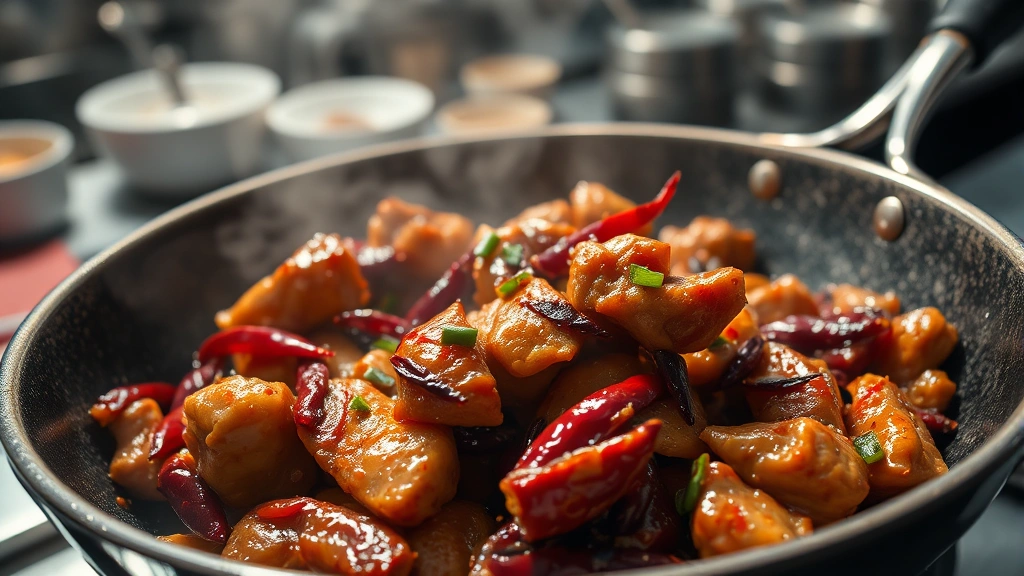
The most iconic dish at any respectable Hunan restaurant is undoubtedly Hunan Chicken, known locally as “Xiang La Ji” or “La Zi Ji.” This deceptively simple-sounding preparation showcases the chef’s technical mastery through its layered complexity. Cubed chicken is first marinated in rice wine and cornstarch, creating a tender interior when wok-tossed at high temperatures. The magic emerges when the chicken encounters a symphony of dried chilies, Sichuan peppercorns, garlic, ginger, and preserved black beans. The initial heat hits immediately, but rather than lingering painfully, it evolves into a warming sensation that accentuates the chicken’s natural sweetness. Expert chefs at authentic establishments understand that the chicken must achieve a precise textural balance—moist and tender within, with edges that have developed a slight char from the intense wok heat.
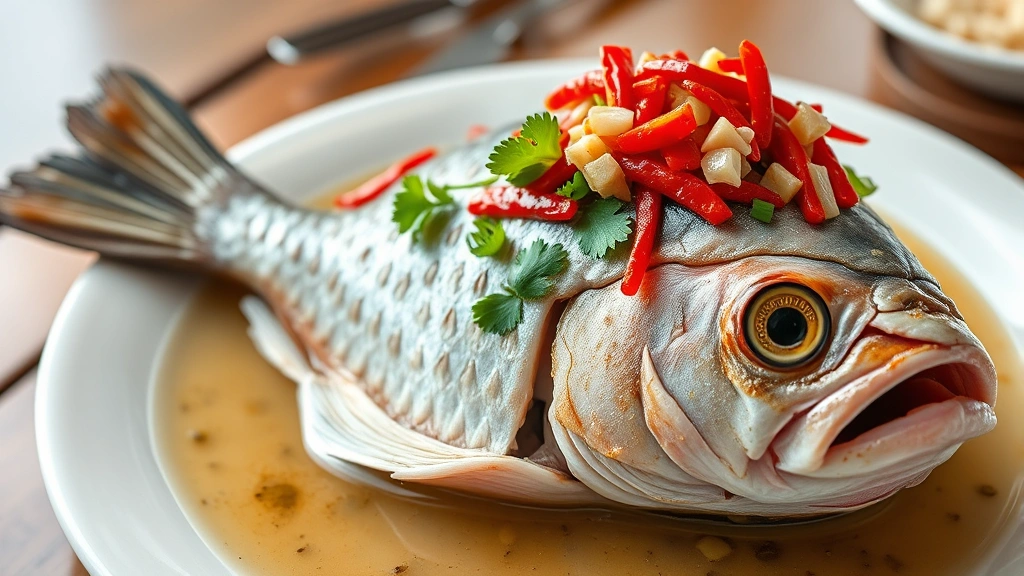
Another essential dish that defines Hunan authenticity is Steamed Fish Head with Chopped Chilies, a preparation that reveals the cuisine’s fearless approach to utilizing every ingredient. Fish heads, considered delicacies in Asian cuisines, offer tender flesh near the cheeks and jowls that many Western diners overlook. The steaming process, typically performed over aromatic ginger and scallions, preserves the fish’s delicate texture while allowing it to absorb surrounding flavors. When the server brings this dramatic presentation to your table and you encounter the blanket of vibrant red chilies covering the top, you’re witnessing a visual declaration of Hunan’s uncompromising flavor philosophy. The heat from fresh chilies, minced with garlic and sometimes fermented bean paste, penetrates the fish’s flesh during steaming, creating an intense experience that transforms with each bite as your palate acclimates.
Dong’an Chicken, another legendary preparation, represents Hunan’s contribution to China’s most celebrated poultry dishes. This cold appetizer features thinly sliced chicken breast that’s been poached in a fragrant broth infused with Sichuan peppercorns, creating a numbing sensation that precedes the heat from chilies and vinegar. The dish is typically finished with a spicy-sour sauce made from chili oil, vinegar, and sometimes mustard greens, creating a refreshing contrast to the tender chicken. The sensory experience unfolds progressively—initial numbing, followed by heat, then bright acidity that cleanses the palate and prepares it for the next bite. This interplay of sensations distinguishes authentic Hunan preparations from oversimplified versions that rely solely on chili heat.
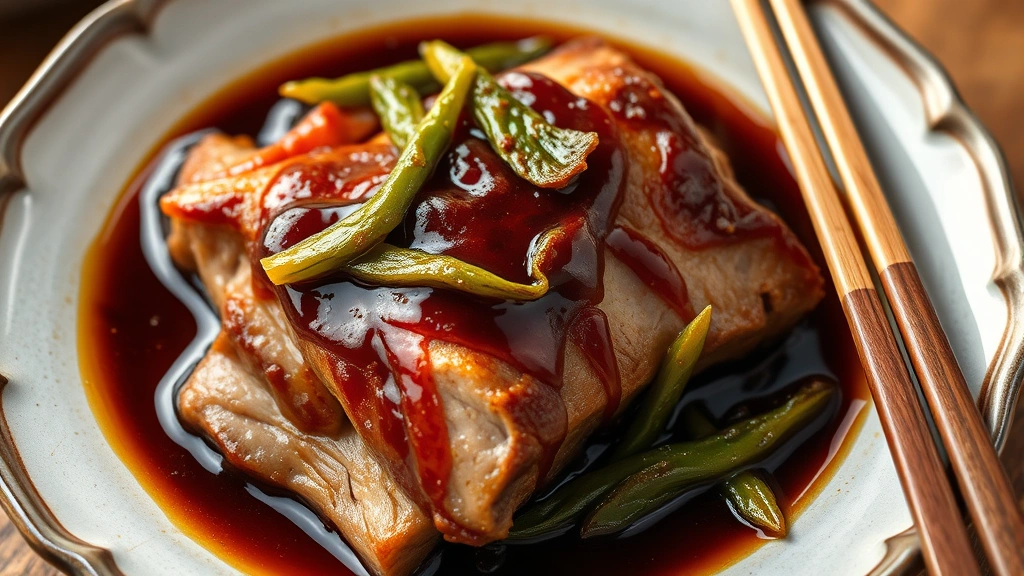
Preserved Vegetable with Pork Belly demonstrates Hunan’s mastery of fermentation and preservation techniques. The pork belly, braised until gelatinous and succulent, pairs with sour, funky preserved vegetables (often mustard greens or radish) that have been aged in salt and spices. The preserved vegetables contribute a complex umami depth and tangy brightness that cuts through the pork’s richness. When you taste this dish at an authentic Hunan restaurant, you’re experiencing centuries of culinary wisdom about how to preserve seasonal ingredients while intensifying their flavors. The interplay between tender meat, pungent vegetables, and the sauce they create together represents the philosophical heart of Hunan cuisine.
Crispy Fish with Spicy Sauce offers another window into Hunan technique and flavor philosophy. Small whole fish or fish fillets are fried until the exterior achieves a shatteringly crisp texture while the interior remains moist. The spicy sauce—typically composed of chilies, garlic, ginger, vinegar, and sometimes tomato—coats the fish without overwhelming its delicate flavor. The textural contrast between crispy exterior and tender interior, combined with the sauce’s multidimensional heat and acidity, creates an addictive eating experience. This dish particularly exemplifies why visiting an authentic Hunan restaurant matters; lesser establishments often produce soggy fish or overly aggressive sauces that mask rather than complement the primary ingredient.
The Role of Chilies in Hunan Cuisine
To understand Hunan cooking authentically, you must first comprehend the central role chilies play in shaping the cuisine’s identity and flavor profile. Unlike Sichuan cuisine, which emphasizes the numbing peppercorn alongside heat, Hunan relies almost exclusively on fresh and dried chilies to create its signature intensity. The region’s subtropical climate produces some of China’s finest chilies, and traditional Hunan restaurants source varieties that deliver specific flavor characteristics. Fresh chilies offer bright, grassy notes with immediate heat that fades relatively quickly. Dried chilies, conversely, develop deeper, more complex flavors—sometimes fruity, sometimes smoky—that build in intensity over several minutes on the palate.
The distinction between different chili preparations reveals a chef’s sophistication at an authentic Hunan restaurant. Whole dried chilies, often left in dishes for visual impact and flavor contribution, deliver heat gradually as you encounter them during eating. Chili flakes create more uniform heat distribution throughout a dish. Chili paste or sauce offers concentrated, complex flavor that’s been developed through fermentation or cooking. Ground chili powder provides quick heat with less texture. Master chefs strategically employ each form to achieve specific textural and flavor outcomes. When you encounter whole chilies in a dish, you’re not meant to eat them directly—instead, you push them aside while eating the primary ingredient, allowing their flavor to infuse your palate without overwhelming it.
Heat tolerance varies significantly among diners, and authentic Hunan chefs understand how to calibrate intensity for different preferences without compromising authenticity. Requesting a milder version doesn’t indicate weakness; rather, it allows you to appreciate the other flavor dimensions that heat often obscures. When you first visit a Hunan restaurant, ask your server about heat levels and communicate your tolerance clearly. Experienced chefs can adjust preparations by using fewer chilies, removing seeds (which concentrate heat), or providing chili-infused oil on the side rather than incorporated into the dish. This flexibility maintains authenticity while ensuring an enjoyable experience.
Traditional Cooking Techniques and Methods
The wok represents the fundamental tool through which Hunan chefs manifest their culinary philosophy. The wok’s curved shape and heat-retention properties enable the rapid cooking and intense flavor development that characterizes authentic preparations. High-heat wok cooking, known as “wok hei” or “breath of the wok,” creates Maillard reactions that develop complex, savory flavors impossible to achieve through gentler cooking methods. When you watch chefs working at an open kitchen in your Hunan restaurant, you’re witnessing the physical embodiment of technical mastery—the precise timing required to achieve optimal texture while developing appropriate color and flavor.
Steaming represents another essential Hunan technique, particularly for fish and vegetable preparations. The gentle, moist heat preserves delicate flavors while allowing aromatics placed beneath or alongside ingredients to infuse gradually. Hunan chefs often steam dishes in bamboo steamers lined with aromatic vegetables, creating flavor through proximity rather than direct contact. This technique demonstrates a sophisticated understanding of how flavors travel and mingle during cooking.
Braising, particularly for tougher cuts of meat, transforms collagen-rich proteins into gelatinous delicacies. Pork belly, chicken legs, and beef are slowly cooked in aromatic broths until tender enough to separate with a spoon. The long cooking time allows flavors to meld while the meat absorbs surrounding seasonings. This technique appears throughout Hunan cuisine, and experiencing a properly braised preparation at an authentic restaurant reveals why this method has endured for centuries.
Deep-frying, while not unique to Hunan, receives particular emphasis in the regional cuisine. Chefs master the precise oil temperature required to achieve crispy exteriors while maintaining moist interiors. This textural contrast, particularly important in fish preparations, defines many beloved dishes. The oil’s temperature and the ingredient’s moisture content interact in complex ways that require years of practice to perfect.
Essential Ingredients That Define Authenticity
Authentic Hunan preparations rely on specific ingredients that create the cuisine’s characteristic flavor profile. Fermented black beans, known as “dou chi,” contribute an earthy, umami-rich base to many dishes. These preserved soybeans develop complex flavors through fermentation and salt-curing, creating a funkiness that elevates simple preparations. When you taste black beans in a dish at your local Hunan restaurant, you’re experiencing a fundamental building block of Hunan flavor architecture.
Doubanjiang, or spicy bean paste, provides another essential flavor foundation. This fermented paste, made from soybeans and chilies, offers concentrated umami alongside heat and slight sweetness. Quality restaurants source premium versions that have been properly aged, developing deeper, more complex flavors than commercial shortcuts.
Preserved vegetables—particularly mustard greens, radishes, and bamboo shoots preserved in salt and spices—add functional acidity and umami complexity. These ingredients have been preserved for months or years, developing intense flavors that cut through rich preparations and stimulate appetite. Their presence in a dish signals a chef’s commitment to traditional methods.
Rice vinegar, particularly the darker varieties that have been aged, provides brightness and acidity essential to Hunan flavor balance. Unlike sharp distilled vinegars, aged rice vinegar offers subtle complexity alongside its acidic function.
Sichuan peppercorns, while more associated with Sichuan cuisine, appear in many Hunan preparations, creating the numbing sensation that precedes chili heat. This combination produces a unique sensory experience unavailable in cuisines that rely on single-flavor heat sources.
Aromatics—garlic, ginger, scallions, and cilantro—provide bright, fresh flavor notes that prevent Hunan dishes from becoming one-dimensional. Generous quantities of fresh aromatics, added at various stages of cooking, ensure complexity and prevent flavor fatigue.
Ordering Like a Local: Pro Tips for Your Visit
When you visit an authentic Hunan restaurant, approach your meal with curiosity and flexibility. Rather than ordering solely from the English menu, ask your server about daily specials and chef’s recommendations. Many restaurants prepare dishes not listed on printed menus, particularly seasonal preparations featuring fresh ingredients at peak flavor. These unlisted dishes often represent the chef’s creative interpretation of traditional Hunan cooking.
Order family-style, sharing multiple dishes rather than individual entrees. This approach allows you to experience broader flavor variety and understand how different preparations complement each other. A typical meal might include a spicy braise, a mild steamed fish, a stir-fried vegetable, and a cold appetizer—creating balance across your dining experience.
Pair your meal with appropriate beverages. While beer offers a classic pairing with spicy cuisine, consider exploring Chinese teas that cleanse the palate between bites without overwhelming delicate flavors. Jasmine tea, oolong, or chrysanthemum tea all complement Hunan preparations beautifully. If you enjoy restaurants on the water, many waterfront establishments feature Hunan offerings alongside scenic views.
Communicate openly about heat tolerance and dietary preferences. Authentic restaurants pride themselves on customization that maintains flavor integrity. If you’re exploring vegan restaurants or seeking vegetable-forward preparations, many Hunan chefs excel at creating compelling plant-based dishes using the same sophisticated flavor principles applied to meat preparations.
Request recommendations for building a balanced meal. An experienced server understands how to guide you toward complementary flavors and textures. They can suggest which dishes pair well together and help you navigate heat levels across your entire meal.
Visit during off-peak hours if possible. Lunch service often features more relaxed pacing, allowing chefs to focus on technique and enabling you to ask questions about preparation methods. You might also inquire about cheap restaurants near me that offer lunch specials featuring authentic preparations at accessible price points.
Don’t shy away from unfamiliar ingredients or preparations. Hunan cuisine celebrates ingredients that Western diners might initially find challenging. Fish heads, organ meats, and preserved vegetables might seem unconventional, but they represent centuries of culinary wisdom about flavor development and ingredient utilization. Approaching these preparations with openness often leads to discovering new favorite dishes.
Consider exploring easy fish recipes for dinner to understand how fresh fish preparation differs from restaurant techniques. This knowledge enriches your appreciation for the technical skill involved in professional fish cookery.
If you’re interested in expanding your culinary horizons beyond Hunan, explore best Italian restaurants near me to compare how different cuisines approach flavor balance and ingredient preparation. Understanding diverse culinary traditions deepens your appreciation for Hunan’s unique approach.
Ask your server about the chef’s background and training. Many Hunan chefs apprenticed in the Xiangjiang River region or trained under masters who preserved traditional techniques. Learning about their culinary journey enriches your understanding of the food’s cultural and historical context.
FAQ
What’s the difference between Hunan and Sichuan cuisine?
While both cuisines emphasize heat and bold flavors, they achieve these through different means. Sichuan cuisine relies heavily on numbing Sichuan peppercorns alongside chili heat, creating a distinctive tingling sensation. Hunan cuisine focuses primarily on fresh and dried chilies, emphasizing bright, evolving heat without numbing sensations. Additionally, Hunan preparations often incorporate more preserved ingredients and fermented elements, creating funkier, more complex flavor bases. Sichuan tends toward more elegant, refined presentations, while Hunan embraces rustic, unapologetic boldness.
Is authentic Hunan cuisine always extremely spicy?
Authentic Hunan cuisine certainly emphasizes heat, but this doesn’t mean every preparation burns your mouth into submission. Skilled chefs understand heat as one flavor component among many. Proper Hunan cooking balances heat with acidity, umami, sweetness, and aromatics. Many traditional dishes, particularly cold appetizers and braised preparations, offer moderate heat levels that allow other flavors to shine. Heat tolerance varies individually, and requesting milder preparations doesn’t compromise authenticity—it simply allows you to experience flavors that intense heat might otherwise obscure.
What should I look for when identifying an authentic Hunan restaurant?
Authentic establishments typically feature open kitchens where you can observe wok technique. The menu includes signature preparations like Hunan Chicken, Steamed Fish Head with Chilies, and Preserved Vegetable with Pork Belly. Staff can discuss preparation methods and ingredient sourcing. The dining room reflects unpretentious, casual atmosphere rather than upscale refinement. Most importantly, the food itself tastes unapologetically bold, with layered flavors rather than one-dimensional heat. Authentic restaurants often have significant Chinese clientele, particularly during lunch hours, which typically indicates quality that resonates with knowledgeable diners.
How do I build heat tolerance for spicy dishes?
Gradual exposure helps your palate acclimate to intense heat. Start with milder preparations and progress toward spicier options over multiple visits. Eat protein-rich foods alongside spicy dishes—dairy, oils, and proteins help mitigate capsaicin’s burning sensation better than water or sugary beverages. Develop a regular eating rhythm that includes some heat, allowing your mouth to adapt over weeks and months. Understand that heat tolerance is individual and influenced by genetics, so don’t feel pressured to match others’ capacity. The goal is enjoying food, not proving endurance.
What are the best dishes for first-time Hunan diners?
Start with Dong’an Chicken, a cold appetizer that introduces Hunan flavors in a refreshing format. Follow with a milder stir-fried vegetable to cleanse your palate. Then try Preserved Vegetable with Pork Belly, which showcases fermentation and braising techniques without overwhelming heat. Include a steamed fish preparation if you enjoy seafood. This progression allows you to experience diverse techniques and flavor profiles while building heat tolerance gradually. Ask your server for guidance—experienced staff excel at creating first-time experiences that lead to return visits.
Are there vegetarian options at Hunan restaurants?
Absolutely. Many Hunan preparations translate beautifully to vegetarian cooking. Stir-fried mushrooms, preserved vegetables, eggplant preparations, and leafy greens all receive the same sophisticated flavor treatment as meat dishes. Fermented black beans, chili pastes, and other umami-rich ingredients create satisfying depth without animal proteins. Discuss dietary preferences with your server, who can recommend preparations that maintain authenticity while respecting your choices. Some restaurants offer vegetable-forward dishes not listed on standard menus, so asking about possibilities often yields surprising options.