Is In Common NYC Worth a Visit? A Complete Foodie Review
Nestled in the heart of New York City’s competitive dining landscape, In Common NYC has emerged as a destination breakfast and brunch restaurant that commands attention from serious food enthusiasts. This establishment represents more than just another morning meal spot—it’s a thoughtfully curated culinary experience that challenges conventional brunch expectations with precision plating, ingredient-focused cooking, and an unmistakable commitment to flavor complexity. After multiple visits and careful palate analysis, this review explores whether In Common NYC truly deserves a place on your must-visit list.
The restaurant’s philosophy centers on accessibility without compromise, offering approachable yet sophisticated cuisine that respects both the ingredient and the diner’s intelligence. From the moment you settle into the minimalist dining room, the sensory experience begins—the aroma of fresh-baked goods mingles with the brightness of citrus, the earthiness of quality coffee, and the subtle perfume of herbs. Every component on the plate tells a story of intentional sourcing and technical precision, making In Common NYC a compelling destination for those seeking breakfast and brunch that transcends the ordinary.
First Impressions and Ambiance
Walking into In Common NYC immediately establishes a aesthetic that prioritizes intentionality over Instagram aesthetics. The space breathes with Scandinavian minimalism—light oak wood, soft neutral tones, and carefully considered negative space create an environment where food becomes the focal point rather than ornamental design elements. Unlike many trendy brunch destinations that prioritize visual spectacle, this restaurant understands that exceptional cuisine deserves an equally refined backdrop without unnecessary distraction.
The lighting design deserves particular mention, as natural daylight streams through large windows, illuminating each plate with restaurant-quality precision. This thoughtful consideration extends to table spacing, which provides comfortable conversation distances without the cacophony that plagues many New York establishments. The minimalist approach extends even to the service staff’s uniforms—understated and professional, allowing the food narrative to remain central. Upon arrival, you’re greeted with genuine warmth rather than performative enthusiasm, setting the tone for an experience grounded in substance rather than theater.
The background music selection demonstrates similarly refined curation—ambient soundscapes at conversational volumes that enhance rather than dominate the dining experience. This attention to sensory details creates an environment where you can truly focus on each component of your meal, a rarity in Manhattan’s bustling brunch scene.
Menu Philosophy and Ingredient Focus
In Common NYC’s menu philosophy reflects a deep understanding of how ingredient quality directly impacts flavor complexity. The kitchen sources from a carefully vetted network of producers, prioritizing seasonality and sustainability without sacrificing taste. This approach mirrors the principles found in quality baking and pastry preparation, where superior ingredients become non-negotiable foundations.
The menu rotates seasonally, a decision that reflects genuine commitment to ingredient-driven cooking rather than convenience. During spring visits, you’ll notice an emphasis on tender vegetables, delicate herbs, and bright acidic components. Winter iterations showcase root vegetables, richer preparations, and deeper umami notes. This seasonality isn’t merely aesthetic—it’s a reflection of how the kitchen’s palate shifts with agricultural availability.
Each dish description avoids unnecessary verbosity, instead providing clear ingredient lists that reveal the kitchen’s confidence in their selections. Rather than elaborate flourishes or trendy terminology, you’ll find straightforward honesty about what’s on your plate. This transparency builds immediate trust, particularly for diners with specific preferences or dietary considerations.
The kitchen demonstrates particular sophistication in how they handle proteins, employing techniques that honor rather than mask inherent flavors. Eggs are treated with reverence—whether poached, scrambled, or baked—with proper temperature control and timing that preserves their delicate texture. Cured meats appear in thoughtful portions that complement rather than dominate, suggesting a kitchen that understands balance and restraint.
Signature Dishes Worth Ordering
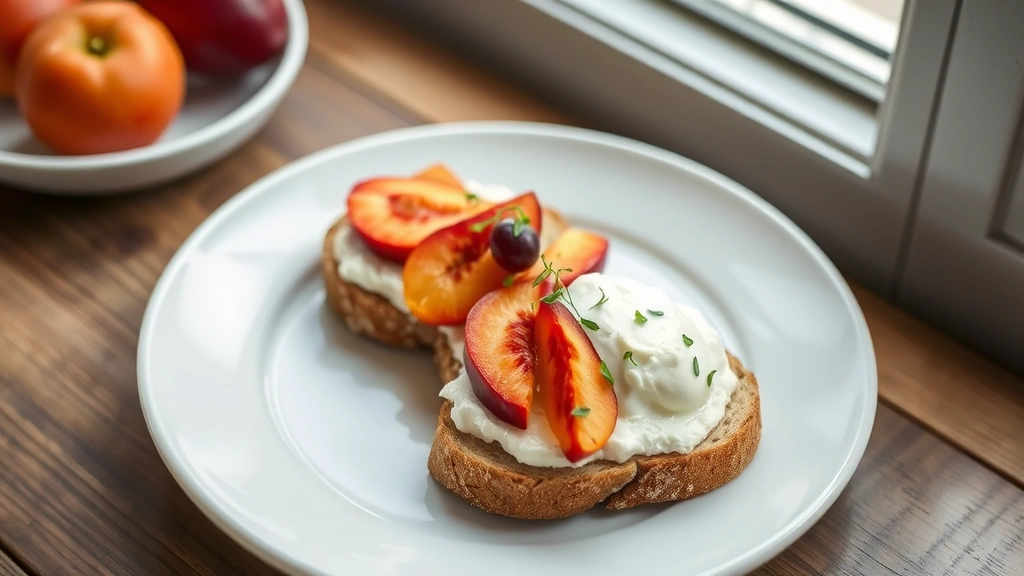
The ricotta toast with seasonal fruit represents In Common NYC’s philosophy in microcosm. The ricotta arrives fluffy and cloud-like, whipped to precise consistency that suggests mechanical technique combined with intuitive feel. The sourdough base—likely connected to their artisanal bread-making approach—provides structural integrity with a delicate crumb that neither crumbles nor becomes soggy. Seasonal fruit components vary, but each selection demonstrates careful consideration of flavor compatibility and textural contrast. The honey drizzle and subtle herb garnish add finishing touches that suggest a kitchen thinking in layers of flavor rather than single-note contributions.
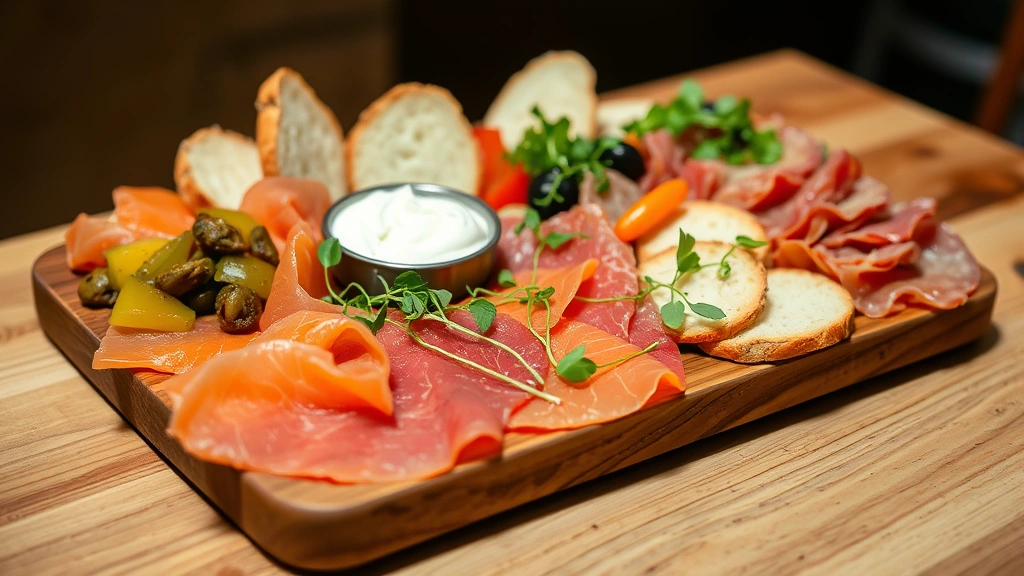
The smoked fish platter showcases technical precision in curing and smoking techniques. Fish arrives with proper moisture retention, indicating careful temperature control throughout the preservation process. Accompaniments—house-made cream cheese, pickled vegetables, and carefully selected breads—create a composition that rewards mixing and matching rather than prescriptive eating. Each component maintains its individual identity while contributing to a cohesive whole, demonstrating sophisticated understanding of how flavors interact.
The pasta dishes at breakfast might seem unconventional, yet they reflect a kitchen unafraid to challenge brunch conventions. These preparations echo the principles outlined in discussions of pasta sauce construction, where proper emulsification and flavor balance determine success. Whether featuring fresh egg pasta or dried varieties, each preparation demonstrates textural intelligence—pasta cooked to precise doneness that maintains al dente integrity while remaining accessible rather than aggressively toothsome.
The vegetable-forward plates deserve special attention in an era where vegetables often appear as afterthoughts. Here, they’re treated with the same technical consideration afforded proteins. Roasting techniques achieve proper caramelization while maintaining structural integrity. Grains and legumes appear in thoughtful portions that add satiety without overwhelming delicate vegetable flavors. The kitchen demonstrates understanding that vegetable-focused cooking requires different skill sets than protein preparation—managing moisture, timing, and temperature with particular precision.
Artisanal Baked Goods and Pastries
The baked goods program at In Common NYC justifies a solo visit, offering croissants and pastries that reflect proper lamination technique and ingredient respect. The butter croissant exhibits proper lamination layers—numerous, distinct, and properly flaked without excessive greasiness. The crust crackles audibly upon first bite, then yields to an interior that’s simultaneously airy and substantial. This textural complexity results from careful dough development, precise fermentation timing, and proper oven temperature management.
The pain au chocolat demonstrates how chocolate selection impacts final flavor. Rather than generic chocolate chips, the kitchen sources quality chocolate that contributes depth and slight bitterness, preventing the pastry from becoming one-dimensionally sweet. The lamination layers remain distinct, creating the signature flaking that defines proper execution. Interestingly, the pastries maintain ideal texture hours after baking, suggesting proper cooling techniques and storage considerations.
Seasonal fruit tarts showcase the kitchen’s pastry skills beyond laminated doughs. Custard bases achieve proper consistency—neither rubbery nor overly loose—through careful heat control. Fruit selection prioritizes flavor over visual perfection, with pieces arranged to suggest abundance rather than precious plating. The crust provides structural support while maintaining delicate texture, indicating proper hydration and mixing technique.
The sourdough program deserves particular attention, as bread-making represents one of cooking’s most technically demanding disciplines. House-made sourdough arrives with proper fermentation complexity—neither aggressively sour nor bland, instead presenting balanced tang that enhances rather than overwhelms accompaniments. The crumb structure suggests careful dough handling and proper bulk fermentation timing. Crust development indicates attentive oven management, with proper steam injection and temperature control creating exterior crackle without excessive hardness.
Beverage Program Excellence
In Common NYC’s beverage program extends beyond standard coffee service, though coffee quality forms the foundation. The espresso-based drinks demonstrate barista skill through proper milk steaming technique—microfoam consistency that integrates smoothly without excessive air incorporation. Temperature management ensures drinks arrive hot enough for proper flavor extraction without burning milk proteins. Single-origin espresso selections rotate seasonally, offering opportunities to explore how bean origins impact flavor profiles across different preparation methods.
The tea program reflects similar attention to detail. Rather than generic bags, the kitchen sources whole-leaf options that unfold properly during steeping. Water temperature appears calibrated to specific tea types, with service staff demonstrating knowledge about optimal brewing parameters. Seasonal tea selections might feature fresh herbs or fruit additions that complement meal components thoughtfully.
The fresh juice program showcases how proper technique impacts nutritional content and flavor. Cold-pressed juice preparation preserves delicate flavors and nutrients, with seasonal fruit combinations reflecting ingredient availability. The kitchen avoids excessive sweetness, allowing individual fruit flavors to express themselves rather than creating one-dimensional sweetness bombs common at other establishments.
Non-alcoholic beverage options deserve mention, as they indicate kitchen philosophy regarding inclusive hospitality. Rather than afterthought drinks, these selections receive equal attention—think herbal infusions with carefully considered flavor combinations, or sparkling beverages with fresh citrus and subtle botanical elements.
Connection to Home Baking Excellence
For those inspired by In Common NYC’s baked goods program, exploring beginner baking techniques can illuminate the technical foundations underlying their pastry excellence. Understanding lamination, fermentation timing, and hydration ratios transforms home baking from intuitive guesswork into intentional practice.
Value Proposition and Pricing
Pricing at In Common NYC positions itself in Manhattan’s upper-middle range for brunch establishments—not budget-friendly, but reasonable given ingredient quality and technical execution. Most entrees range from $16-$28, with pastries and baked goods priced individually from $4-$8. For context, comparable quality at other New York restaurants commands similar or higher prices.
The value proposition becomes clear when considering ingredient sourcing and technical skill. Each plate reflects hours of preparation, careful sourcing, and technical training. The kitchen’s commitment to seasonality means menu changes require constant adaptation and ingredient sourcing adjustments—costs reflected in pricing. Additionally, the restaurant maintains reasonable portions that encourage focused eating rather than excessive consumption, suggesting philosophy that prioritizes satisfaction over quantity.
Beverage pricing appears fair, with specialty coffee drinks ranging $5-$7 and fresh juices priced similarly. The wine and cocktail program (available at brunch on weekends) offers selections that complement food offerings thoughtfully without excessive markups.
For serious food enthusiasts, the pricing represents fair value. For casual diners seeking budget brunch, more economical options exist throughout the city. The question becomes whether ingredient quality, technical execution, and thoughtful preparation justify the investment—for many palates, the answer is unambiguously affirmative.
Final Verdict: Is In Common NYC Worth a Visit?
Yes, unequivocally. In Common NYC represents exactly what ambitious breakfast and brunch cuisine should be—ingredient-focused, technically precise, and philosophically coherent without pretension. The restaurant succeeds because it respects both its ingredients and its diners, refusing to compromise on either front.
This destination rewards multiple visits, as seasonal menu rotations reveal how the kitchen’s palate shifts with ingredient availability. Early visits establish baseline understanding of the kitchen’s approach, while subsequent visits reveal depth and nuance that reward careful attention. The consistency across multiple service periods suggests solid staff training and kitchen discipline—hallmarks of professional establishments.
The restaurant particularly appeals to diners who appreciate technical skill, ingredient sourcing, and thoughtful flavor development. Those seeking Instagram-worthy presentations or trendy fusion concepts might find the aesthetic minimalism and straightforward ingredient listings less exciting. However, for palate-focused food enthusiasts, In Common NYC represents compelling evidence that breakfast and brunch can achieve the same technical sophistication and ingredient respect as fine dining establishments.
The experience ultimately confirms that exceptional morning cuisine doesn’t require unnecessary complexity or performative plating. Instead, it demands respect for ingredients, technical precision, and genuine commitment to flavor development—qualities In Common NYC demonstrates across every component of the dining experience.
FAQ
What are the best times to visit In Common NYC?
Weekend mornings attract predictable crowds, so arriving early (before 9:30 AM) or visiting on weekdays ensures shorter waits and more relaxed service. The kitchen maintains consistency throughout service hours, so timing decisions should prioritize personal schedule rather than quality concerns.
Does In Common NYC accommodate dietary restrictions?
The kitchen demonstrates flexibility regarding dietary needs. Staff members provide knowledgeable guidance about ingredient compositions and preparation methods. Vegetarian and vegan options appear throughout the menu, though these aren’t always explicitly labeled. Direct communication with servers ensures proper accommodations without compromising dish integrity.
Is reservation necessary?
Reservations aren’t typically required but become advisable during peak weekend hours (10 AM-1 PM). Weekday visits rarely involve significant waits. Larger parties should definitely reserve ahead to ensure table availability.
How does In Common NYC compare to other NYC brunch destinations?
In Common NYC distinguishes itself through ingredient-driven philosophy and technical precision rather than novelty or presentation. Compared to establishments prioritizing atmosphere or trendiness, this restaurant emphasizes palate development and thoughtful preparation. For diners valuing substance over spectacle, In Common NYC outperforms most competitors.
Can I recreate In Common NYC’s dishes at home?
Many dishes inspire home cooking experimentation. The fresh pasta techniques and bread-making approaches are entirely reproducible with proper technique study. However, ingredient sourcing represents the primary challenge—accessing the same quality proteins, produce, and dairy requires research and relationship-building with specialty suppliers.
What’s the parking situation?
Street parking in the neighborhood is limited and unpredictable. Public transportation or rideshare services provide more reliable access than personal vehicles. The restaurant’s location offers reasonable accessibility via multiple subway lines.
Does In Common NYC offer takeout service?
Takeout availability depends on current operational policies. Pastries and baked goods travel reasonably well, while delicate prepared dishes may suffer during transport. Contacting the restaurant directly clarifies current takeout options and recommendations for items that maintain quality away from the dining room.