Little China Restaurant Review: Authentic Flavors?
Stepping through the doors of Little China Restaurant feels like crossing a threshold into culinary authenticity. The air carries the unmistakable aroma of wok-fired dishes, sesame oil, and dried chilies—scents that immediately transport your palate to the bustling night markets of Shanghai and the provincial kitchens of Sichuan. But does this intimate establishment deliver on its promise of genuine Chinese cuisine, or does it compromise tradition for accessibility? After multiple visits and careful attention to flavor profiles, cooking techniques, and ingredient quality, we’ve uncovered what makes Little China a standout destination among regional Chinese dining establishments.
The restaurant occupies a modest space with warm lighting and understated décor, allowing the food to command center stage. The menu spans several regional Chinese cuisines, from Cantonese dim sum preparations to fiery Sichuan specialties and Hunan comfort dishes. What distinguishes Little China from comparable establishments is the kitchen’s commitment to layered, complex flavors rather than the simplified, Americanized versions often found in casual Chinese restaurants. Every dish we sampled demonstrated technical precision and respect for traditional cooking methods.
Signature Dishes Worth Ordering
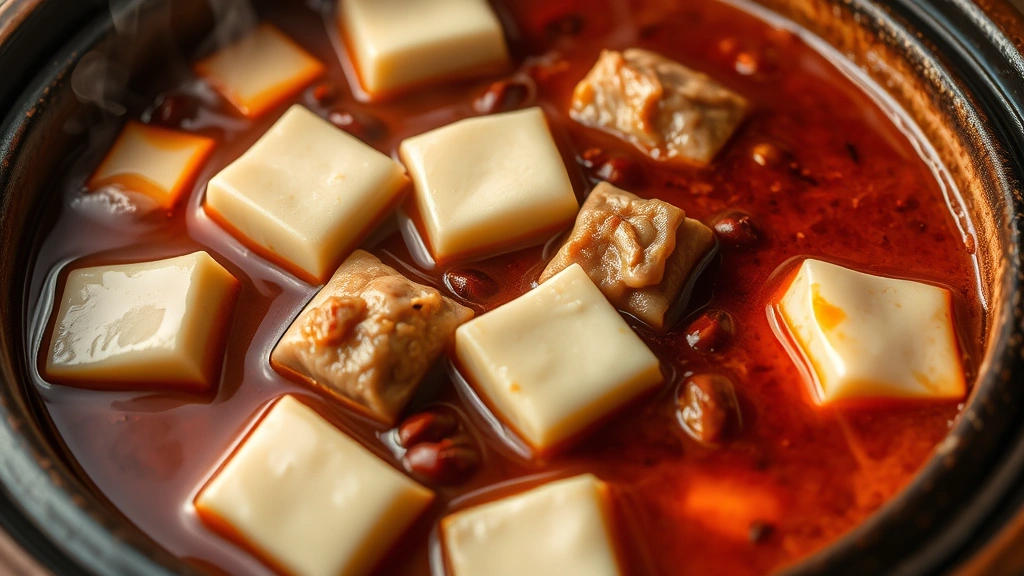
The mapo tofu stands as a masterclass in Sichuan flavor architecture. This iconic dish arrives sizzling in a small clay pot, the silken tofu cubes suspended in a mahogany-hued oil infused with Sichuan peppercorns, dried chilies, and fermented bean paste. The first spoonful delivers a three-part sensory experience: the initial heat from the chili oil, followed by the distinctive numbing sensation (málà) from the peppercorns, and finally a savory depth from the fermented aromatics. The tofu itself maintains a delicate texture, contrasting beautifully with the ground pork that adds textural complexity and richness. This dish exemplifies how Little China respects traditional preparation methods rather than diluting them for timid palates.
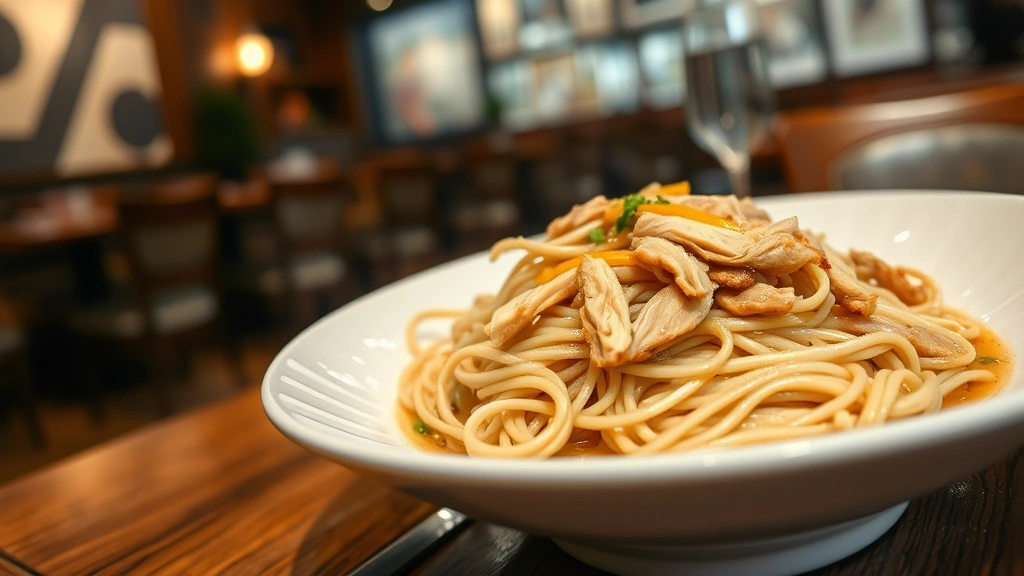
The hand-pulled noodles showcase exceptional knife work and dough mastery. Each strand possesses a slight chewiness and elasticity that indicates proper hydration, resting time, and technique. When dressed with a ginger-scallion oil and topped with shredded chicken, the noodles absorb the flavors without becoming soggy—a critical distinction that separates skilled preparation from mediocre execution. The chicken itself is poached to precise tenderness, retaining moisture while achieving the ideal texture.
Ordering the salt and pepper squid provides insight into the kitchen’s mastery of high-heat cooking. The squid rings emerge from the wok with a delicate, slightly charred exterior while maintaining tender interiors. The seasoning blend—a combination of salt, white pepper, and five-spice powder—clings to each piece without overwhelming the squid’s natural briny sweetness. This dish demonstrates how simple preparations, when executed with precision, can be more satisfying than complex sauces.
The braised pork belly in soy sauce represents the soul-warming comfort food tradition of Chinese home cooking. After hours of gentle braising, the meat becomes impossibly tender, with layers of fat that have transformed into something approaching silken richness. The braising liquid reduces to a glossy glaze coating each piece, and the flavor profile balances salty, sweet, and savory elements in perfect equilibrium. Serving it over steamed rice allows the sauce to permeate the grains, creating a cohesive dish greater than its components.
Authenticity Assessment and Regional Specialties
Evaluating authenticity requires understanding that Chinese cuisine encompasses vast regional variations, and Little China demonstrates knowledge across multiple traditions. The Cantonese section of the menu features dim sum preparations that reflect Guangdong’s dim sum heritage. The har gow (shrimp dumplings) possess translucent wrappers with visible pleating—indicating hand-folding rather than machine production. The shrimp filling maintains a bouncy texture from proper technique and fresh ingredients, with subtle flavoring that lets the protein shine.
The Sichuan offerings display the characteristic málà sensation and bold flavor profiles that define Sichuan cuisine. Rather than treating heat as an afterthought, the kitchen uses chili oil and Sichuan peppercorns as foundational flavor elements. The numbing sensation from peppercorns creates a unique mouthfeel that enhances rather than masks other flavors. This approach aligns with how professional chefs at institutions like the Culinary Institute of America teach regional cuisine appreciation—understanding that each region’s signature techniques serve specific flavor purposes.
Hunan specialties on the menu showcase the province’s preference for intense spice, preserved ingredients, and bold aromatics. The Chairman Mao’s Red-Braised Pork showcases preserved vegetables and fermented black beans that add umami depth beyond what fresh ingredients alone could provide. This dish demonstrates how traditional preservation methods aren’t merely historical curiosities but active flavor-building techniques that create complexity and depth.
If you’re exploring diverse dining experiences, comparing Little China with our guide to Fulton Market Restaurants reveals how regional specialists distinguish themselves from generalist establishments. Little China’s focused approach to regional authenticity contrasts with broader multicuisine venues.
Ingredient Quality and Sourcing
The foundation of authentic Chinese cooking rests on ingredient quality, and Little China demonstrates commitment to sourcing genuine components. The sesame oil carries the deep, nutty aroma of properly roasted seeds rather than the thin, characterless versions found in mass-market bottles. This distinction affects every dish where sesame oil appears, adding richness and complexity that elevates the final product.
The fermented bean paste used in several dishes possesses the complex, slightly funky aroma characteristic of properly aged products. This ingredient provides umami depth that cannot be replicated through salt or MSG alone. The kitchen’s use of authentic fermented ingredients suggests relationships with specialty suppliers who understand quality markers.
Fresh ingredients receive equal attention. The ginger used throughout the menu is pungent and fresh, with the characteristic heat that indicates proper storage and recent harvest. The scallions maintain their crisp texture and bright onion bite. Garlic appears in quantities that suggest the kitchen values its flavor contribution rather than treating it as a background element. These seemingly minor details accumulate into the overall impression that the kitchen respects ingredient integrity.
The chilies used in various preparations—whether fresh Thai chilies, dried chilies, or chili oil—demonstrate careful selection. Different dishes employ different chili varieties, suggesting the kitchen understands how chili type affects heat intensity, flavor profile, and finishing character. This nuanced approach distinguishes thoughtful cooking from one-dimensional spice application.
Cooking Techniques and Flavor Development
Wok cooking represents the technical heart of Chinese cuisine, and Little China’s kitchen demonstrates mastery of this demanding skill. The wok hei—literally “breath of the wok”—appears in properly prepared stir-fried dishes. This subtle smoky flavor develops only through high heat, proper oil temperature, and precise timing. When present, it adds a sophisticated dimension that signals proper technique.
The braising technique used for pork belly and other dishes shows understanding of low-and-slow cooking principles. The kitchen achieves meat tenderness through time and gentle heat rather than chemical tenderizers or excessive salt. The braising liquid absorbs flavors from aromatics and develops body from collagen breakdown, creating naturally rich sauces without cream or thickening agents.
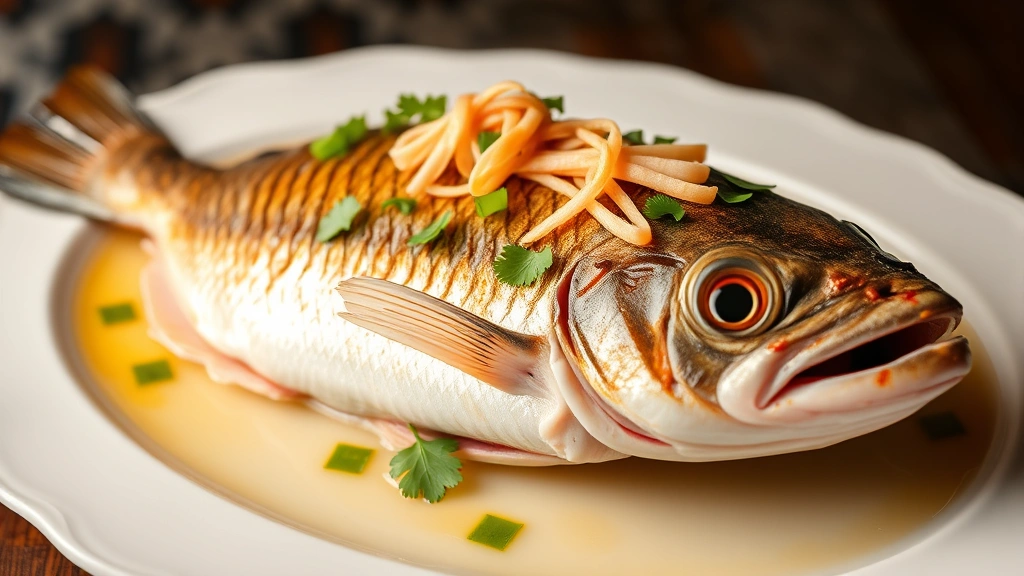
Steaming preparations—whether for dumplings or whole fish—demonstrate precision with moisture control. The delicate balance between steam circulation and condensation prevents the mushy texture that plagues poorly executed steamed dishes. Dumplings maintain their structural integrity while achieving tender, fully cooked wrappers. Steamed fish retains moisture while the flesh flakes properly when separated from the bone.
Deep-frying techniques appear in several preparations, and the kitchen maintains proper oil temperature and timing. Fried items emerge with crispy exteriors and moist interiors, never greasy despite the cooking method. The oil quality matters significantly—fresh oil without off-flavors or previous cooking residue ensures clean taste.
The knife work visible in hand-cut noodles, julienned vegetables, and protein preparations indicates trained kitchen staff. Consistent sizing ensures even cooking and proper texture. The precision cutting also affects how sauces coat ingredients and how flavors distribute throughout dishes.
Service and Dining Experience
The service staff at Little China demonstrates knowledge of the menu and genuine enthusiasm for the cuisine. Staff members offer informed recommendations based on spice tolerance and flavor preferences rather than simply suggesting the most expensive items. They explain unfamiliar preparations without condescension, helping diners understand what they’re ordering.
The pacing of service respects Chinese dining traditions. Dishes arrive in logical progression rather than simultaneously, allowing each preparation to receive proper attention. Hot dishes arrive appropriately hot, and temperature consistency indicates careful timing and kitchen organization.
The dining room maintains appropriate noise levels despite the open kitchen, suggesting thoughtful acoustic design and staff attention to ambiance. The modest décor focuses attention on the food while creating an unpretentious atmosphere that encourages relaxation and conversation.
Beverage service deserves mention. The tea selection includes proper brewing vessels and service techniques. The house tea arrives hot and complements the food without overshadowing it. This attention to beverage service reflects the restaurant’s overall commitment to the complete dining experience rather than viewing drinks as mere accompaniment.
Value Proposition and Pricing
Little China’s pricing reflects ingredient quality and technical skill without the markup associated with trendy establishments. Main courses typically fall in the $12-18 range, with premium items like whole fish preparations at the higher end. For the quality of ingredients and execution level, the pricing represents genuine value compared to both casual Chinese chains and upscale contemporary restaurants.
Portion sizes balance satisfaction with the ability to sample multiple dishes. The portions encourage ordering several preparations to experience the range of the menu, which aligns with traditional Chinese dining customs of shared plates and variety. A party of two or three can comfortably explore four to five dishes without excessive leftovers.
Special preparations—such as whole steamed fish or live seafood selections—command higher prices that reflect the ingredient cost and preparation complexity. These items represent premium offerings for diners seeking special occasion meals or particularly memorable experiences.
When comparing value across dining options, consider how Five Star Seafood Restaurant positions itself in the market. Little China offers more accessible pricing while maintaining comparable quality in specific categories, making it an excellent value destination for authentic regional Chinese cuisine.
Lunch service features discounted pricing on many menu items, making it an optimal time for budget-conscious diners to experience the kitchen’s capabilities. The lunch menu maintains quality standards despite reduced prices, indicating the restaurant’s commitment to consistent excellence across all service periods.
FAQ
Does Little China offer vegetarian options?
Yes, the menu includes several vegetarian preparations. The vegetable stir-fries showcase seasonal produce prepared with the same technical skill as meat dishes. Tofu-based preparations offer protein without animal products. However, some vegetable dishes may contain fish sauce or other animal-derived ingredients used for umami depth, so verification with staff is recommended for strict vegetarians.
Can the kitchen accommodate spice tolerance preferences?
Absolutely. The kitchen adjusts spice levels upon request without compromising flavor complexity. Diners should communicate their tolerance clearly, and the kitchen demonstrates flexibility in modifying preparations. However, signature dishes like mapo tofu derive their character partially from their heat level, so requesting modifications may alter the intended flavor profile.
What is the reservation policy?
Little China accepts reservations for parties of four or larger, with walk-ins accommodated for smaller parties. During peak hours (Friday and Saturday evenings), reservations are highly recommended. The modest dining room fills quickly during popular times, and wait times can exceed 30 minutes during peak service.
Are there private dining options?
The restaurant’s size limits private dining capacity, though small semi-private sections can sometimes be arranged for parties of 6-8 with advance notice. For larger private events, the restaurant can provide catering services with advance ordering.
How does Little China compare to other regional Chinese restaurants?
Little China distinguishes itself through consistent quality, regional specialization, and technical execution. Unlike generalist establishments, the kitchen focuses on authentic preparations rather than Americanized adaptations. The commitment to traditional techniques and ingredient quality exceeds many competitors in the casual dining segment, making it an excellent choice for diners seeking genuine regional Chinese cuisine.
What are the signature dishes we absolutely must try?
The mapo tofu and hand-pulled noodles represent the kitchen’s technical capabilities. The salt and pepper squid showcases high-heat cooking mastery. The braised pork belly demonstrates comfort food excellence. For seafood appreciation, the steamed whole fish with ginger and scallion oil offers a complete experience. Sampling these dishes provides comprehensive insight into the restaurant’s strengths.
Does Little China offer cooking classes or demonstrations?
Currently, the restaurant does not offer formal cooking classes, though staff occasionally engage in informal explanations of preparation techniques. The open kitchen design allows diners to observe wok cooking and other techniques, providing educational value through observation. For those interested in deeper culinary education, organizations like the International Association of Culinary Professionals offer resources for understanding Chinese cooking techniques.
What beverages pair well with Little China’s cuisine?
The house tea serves as the traditional pairing, complementing rich dishes and cleansing the palate between bites. Jasmine tea pairs beautifully with lighter preparations, while oolong tea complements richer, more complex dishes. For non-traditional pairings, crisp white wines or light beers provide refreshment without overwhelming delicate flavors. The staff offers knowledgeable recommendations based on dish selection.
In conclusion, Little China Restaurant delivers authentic regional Chinese cuisine with technical skill, respect for traditional methods, and commitment to ingredient quality. The menu spans multiple Chinese regional traditions while maintaining consistency in execution. Whether you’re seeking comfort food classics like braised pork belly or exploring the complex flavor architecture of Sichuan specialties, Little China demonstrates why regional expertise and technical mastery create dining experiences that transcend casual Chinese restaurants. The combination of fair pricing, knowledgeable service, and genuine flavor integrity makes it a destination worth visiting repeatedly, each visit revealing new appreciation for the kitchen’s capabilities and the depth of Chinese culinary tradition.


