Mazatlán Flavors: Locals’ Top Restaurant Picks
Perched on Mexico’s Pacific coast, Mazatlán has quietly evolved into a culinary destination that rivals more celebrated beach towns. While many travelers stick to resort buffets and tourist-trap seafood shacks, locals know the real magic happens in neighborhood restaurants where family recipes have been perfected over generations. The city’s dining scene reflects centuries of cultural fusion—Spanish colonial heritage, indigenous Sinaloan traditions, and contemporary Mexican creativity all converge on the plate.
Whether you’re craving ceviches that taste like the ocean itself, slow-roasted carnitas that dissolve on your tongue, or fresh-caught fish prepared with techniques passed down through fishing families, Mazatlán delivers authentic flavor experiences that transcend typical beach resort fare. This guide reveals where locals actually eat, the dishes that define their palate preferences, and why certain establishments have earned their devoted following through relentless commitment to quality and tradition.
Seafood Excellence: Where Mazatlán’s Fishing Heritage Shines
Mazatlán’s identity is inseparable from the sea. The city’s fishing boats return daily with catches that supply the best seafood restaurants, and locals have strong opinions about which establishments treat these precious proteins with proper reverence. The most celebrated seafood spots understand that impeccable sourcing is only half the battle—technique, temperature control, and respect for ingredient integrity determine whether a dish transcends or disappoints.
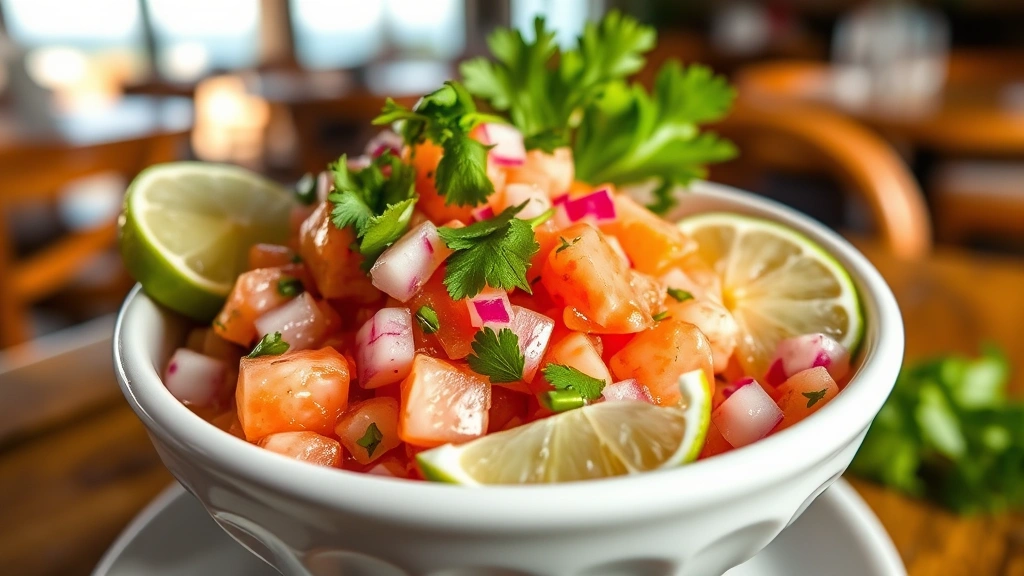
El Shrimp Bucket stands as an institution among locals, not because of its tourist reputation but because the kitchen’s commitment to simplicity allows the seafood’s natural sweetness and briny minerality to dominate. Their ceviche features Pacific white shrimp that’s been barely kissed by lime juice, tomato, cilantro, and onion—a preparation that demands the freshest possible catch. The texture remains firm and buttery, never mushy, indicating the shrimp were processed within hours of being pulled from nets. Locals order the aguachile, a spicy raw preparation where jalapeños, garlic, and lime create a symphony of heat and acid that awakens dormant taste receptors.
Mariscos Playa Cerritos has earned its loyal following through uncompromising quality standards. The restaurant sits steps from the beach where many of their suppliers still work traditional nets. Their fish ceviche changes daily based on what’s available—one day it might be dorado, the next huachinango (red snapper). This flexibility reflects a restaurant that prioritizes freshness over consistency, a philosophy locals deeply respect. The aguachile here leans spicier than competitors, with habanero peppers adding fruity heat beneath the lime’s brightness.
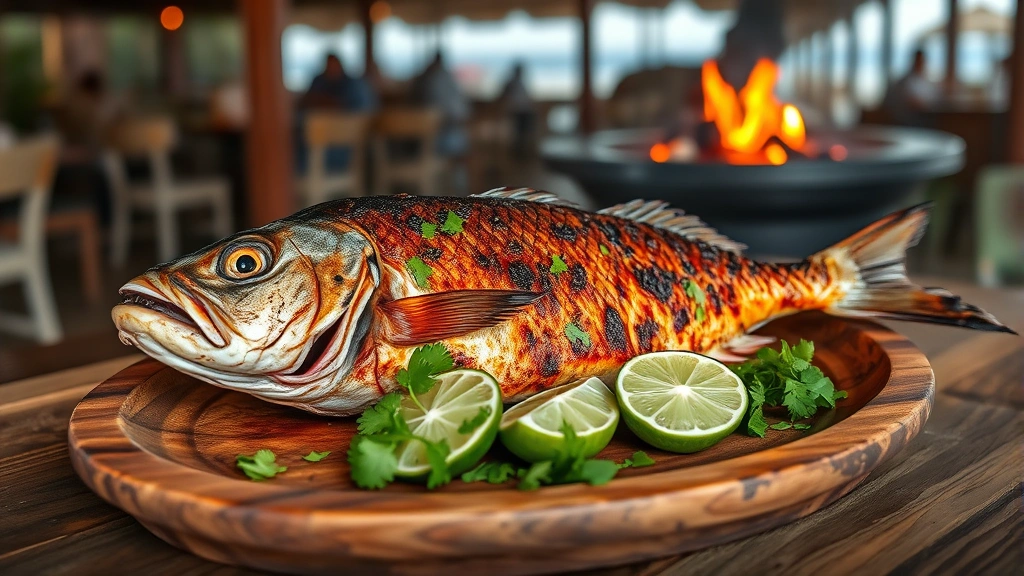
For grilled whole fish, locals direct visitors to establishments that maintain proper charcoal temperatures and understand that a perfectly executed fish requires nothing more than salt, lime, and heat. The flesh should separate easily from delicate bones, the skin should crackle with charred texture, and the interior should taste faintly of smoke without overwhelming the fish’s inherent sweetness. This is where technique reveals itself most transparently.
Traditional Mexican Cuisine with Modern Soul
Beyond seafood, Mazatlán’s restaurant scene celebrates regional Mexican traditions that have been refined through centuries of cultural evolution. These establishments often operate in unassuming spaces—modest storefronts, family-run kitchens, neighborhood gathering places—where the focus remains entirely on flavor rather than ambiance or presentation.
Casa Loma represents the pinnacle of traditional Sinaloan cooking, where regional specialties receive the attention they deserve. Their carne asada arrives perfectly charred on the exterior while maintaining a rosy, juicy interior that suggests precise heat management and impeccable beef quality. The meat carries a subtle smokiness that doesn’t overpower but rather enhances the natural beef flavors. Locals pair this with handmade flour tortillas that taste faintly of lard and salt—the kind of tortillas that transform simple grilled meat into transcendent eating experiences. The restaurant’s chile relleno showcases poblano peppers stuffed with cheese, dipped in egg batter, and smothered in ranchero sauce. The pepper’s natural sweetness and slight vegetable bitterness balances beautifully against the creamy cheese and tangy tomato sauce.
Tótem Restaurant specializes in contemporary interpretations of traditional recipes, proving that respect for heritage doesn’t preclude innovation. Their mole negro represents months of careful spice balancing—chocolate, chilhuacle peppers, cumin, cinnamon, and thirty other ingredients create a sauce of almost impossible complexity. A single spoonful reveals new flavor notes with each taste, from fruity undertones to subtle heat that builds gradually. The sauce coats chicken with silky richness that somehow feels light rather than heavy.
For carnitas—perhaps Mexico’s most iconic slow-roasted preparation—locals favor establishments that source heritage pork breeds and cook the meat at low temperatures for extended periods. Proper carnitas should shred with minimal pressure, the fat should be rendered until it’s silky rather than gelatinous, and the meat should taste intensely porky with subtle sweetness from the extended cooking process. Budget-friendly dining options throughout Mazatlán serve excellent carnitas, proving that exceptional flavor doesn’t require expensive venues or complicated preparations.
Street Food and Casual Eats Locals Crave
Some of Mazatlán’s most memorable eating experiences happen at street stalls, taco carts, and casual neighborhood spots where price points remain humble and portion sizes remain generous. These establishments often operate with minimal overhead, allowing them to invest entirely in ingredient quality and technique refinement.
Fish tacos represent Mazatlán’s most iconic street food, and locals have heated debates about which vendors execute them best. The ideal fish taco features lightly battered white fish—dorado, mahi-mahi, or snapper—that’s fried until the coating achieves golden crispness while the interior remains moist and delicate. The fish should taste purely oceanic without any hint of rancid oil, indicating the frying medium is maintained at proper temperature and changed regularly. Toppings matter enormously: shredded cabbage provides textural contrast and mild sweetness, pico de gallo adds brightness, crema adds richness, and a squeeze of lime unifies everything. The tortilla—ideally corn, warm, and handmade—should be sturdy enough to contain these components without falling apart.
Cochinita pibil, a Yucatecan specialty that’s become beloved throughout Mexico, appears on menus at casual restaurants throughout Mazatlán. This slow-roasted pork preparation involves marinating meat in achiote paste (made from annatto seeds), citrus, and spices before wrapping in banana leaves and cooking for hours. The result is meat so tender it shreds with a fork, with flavors that are simultaneously earthy, citrusy, and subtly smoky. Locals eat it in tacos, with pickled red onions providing sharp contrast to the meat’s richness.
Caldo de camarón—shrimp soup—represents comfort food at its most elemental. A proper version features shrimp stock that’s been simmered with vegetables until it achieves deep, concentrated flavor. Fresh shrimp are added at the last moment to prevent overcooking, and the soup is finished with cilantro, lime, and typically some heat from dried chilies. The broth should taste intensely shrimp-forward, coating the palate with umami richness that lingers pleasantly.
Family-friendly restaurant options throughout Mazatlán serve these casual specialties in welcoming environments perfect for travelers seeking authentic experiences without pretense.
Fine Dining Experiences Worth the Splurge
While Mazatlán’s soul lives in its casual, authentic establishments, the city also boasts fine dining restaurants where chefs approach their craft with technical precision and creative ambition. These venues attract both locals seeking special-occasion experiences and visitors willing to invest in memorable meals.
Establishments at this level typically source the same exceptional seafood as casual restaurants but apply refined techniques that highlight rather than obscure ingredient quality. A fine dining fish preparation might involve sous vide cooking followed by a quick sear, precise temperature control ensuring the flesh reaches optimal doneness throughout. Sauces receive careful construction, combining complementary flavors without overwhelming the protein’s essential character. Plating emphasizes visual composition without sacrificing functionality or taste.
The best fine dining in Mazatlán respects tradition while demonstrating technical mastery. A chef might prepare traditional aguachile but with hyper-precise knife work ensuring uniform cuts, carefully calibrated heat levels in the spice preparation, and artistic plating that doesn’t undermine the dish’s essential simplicity. This approach honors heritage while demonstrating the chef’s skill and respect for ingredients.
Hidden Gems Off the Tourist Trail
Locals consistently direct visitors toward neighborhood restaurants that rarely appear in guidebooks or tourism websites. These establishments thrive through word-of-mouth reputation and repeat customer loyalty rather than marketing or tourism promotion. Finding them requires venturing beyond the tourist-concentrated downtown areas into residential neighborhoods where families gather for authentic meals.
Mariscos El Toro operates in an unassuming location far from the tourist zone, serving some of Mazatlán’s finest ceviches to a clientele of locals who’ve been eating there for decades. The kitchen sources directly from fishing boats, ensuring ingredients arrive within hours of harvest. Their white fish ceviche features a delicate balance of lime acidity and heat from serrano peppers, with cilantro and onion providing aromatic complexity. The texture of properly treated raw fish should be buttery and delicate, never mushy or stringy.
For those seeking authentic preparations similar to homemade cooking, several family-run establishments in residential areas offer traditional recipes that have been perfected through generations. These restaurants often feature limited menus reflecting what’s available that day, seasonal ingredients, and the chef’s particular specialties. This approach prevents menu fatigue and ensures every dish receives proper attention.
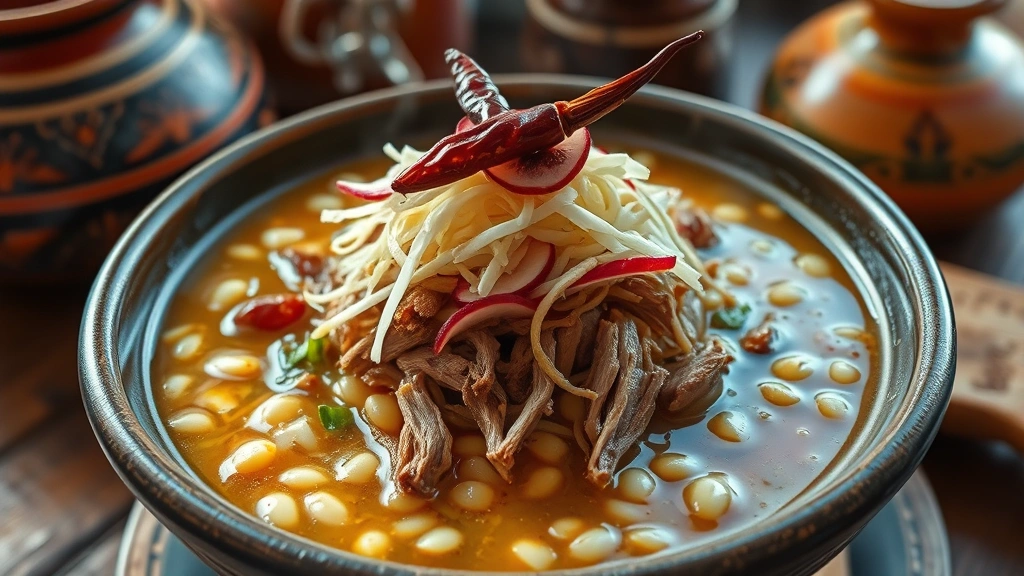
Pozole, a traditional Mexican stew featuring hominy and meat, appears on menus throughout Mazatlán, but locals know specific restaurants where the broth achieves proper depth through hours of slow simmering. A proper pozole broth should taste rich and complex, with subtle heat building gradually through the meal. The hominy should maintain slight firmness rather than dissolving into mush, and the meat should be tender enough to shred with a spoon. Toppings—shredded cabbage, radishes, dried chilies, lime—allow diners to customize flavor intensity and textural contrast.
Dining Tips and Seasonal Specialties
Understanding Mazatlán’s seasonal rhythms enhances dining experiences considerably. The city’s seafood availability fluctuates throughout the year, with different species reaching peak quality during specific months. Winter months bring the best shrimp, while summer months feature exceptional dorado and other game fish. Local restaurants adjust menus seasonally, and travelers willing to embrace these variations often discover their most memorable meals.
Timing matters significantly in Mazatlán’s restaurant scene. Many casual establishments open early for breakfast and close by early evening, reflecting traditional Mexican dining patterns. Lunch represents the largest meal, typically served between 1-3 PM, and many restaurants offer special lunch menus with lower prices than dinner service. Dinner service typically begins around 6-7 PM, though locals often eat later than international visitors expect.
Tipping practices in Mazatlán generally align with international standards, with 15-20% considered appropriate for good service. However, many casual establishments operate on such slim margins that even smaller tips substantially impact workers’ earnings. Locals understand this reality and tip accordingly, viewing gratuities as essential rather than optional.
The city’s restaurant scene increasingly accommodates dietary preferences and restrictions, though communicating specific needs clearly remains important. Spanish language skills prove helpful in casual establishments, though many staff members in tourist areas speak English adequately. Learning basic Spanish phrases—particularly those related to food preferences—enhances interactions and often results in more personalized service.
Water quality in Mazatlán’s tourist areas generally meets international standards, though many locals and long-term visitors prefer bottled water as a precaution. Most restaurants serve purified water, but confirming this prevents potential digestive issues that could derail travel plans.
FAQ
What’s the best time to visit Mazatlán for dining experiences?
Winter months (November-March) offer the most comfortable weather and peak seafood availability, particularly shrimp. Summer months bring exceptional fish varieties but higher temperatures and humidity. The shoulder seasons (April-May, September-October) offer moderate crowds and good ingredient availability. Avoid September-October during hurricane season when some establishments may have limited operations.
Are reservations necessary at Mazatlán restaurants?
Casual establishments rarely require reservations and often operate on first-come, first-served basis. Fine dining venues and popular tourist restaurants benefit from advance reservations, particularly during peak seasons. Calling ahead in Spanish often yields better results than online booking systems.
What dishes should first-time visitors prioritize?
Ceviche, fish tacos, carnitas, and aguachile represent essential Mazatlán culinary experiences. Trying multiple versions at different establishments reveals how technique and ingredient quality influence final results. Seasonal specialties and daily specials often represent restaurants’ best work.
How do local dining customs differ from international expectations?
Meals typically progress more slowly than in many Western countries, with courses served sequentially rather than simultaneously. Restaurants don’t rush diners, viewing meals as social experiences rather than transactions. Asking for the check requires initiative—servers won’t present it until requested.
What role does seafood play in Mazatlán’s culinary identity?
Seafood dominates the restaurant scene because of the city’s coastal location and fishing heritage. However, excellent meat dishes, traditional stews, and regional specialties ensure diverse dining experiences. The best restaurants source ingredients from local suppliers, maintaining direct relationships with producers and fishers.
Are there vegetarian and vegan options in Mazatlán restaurants?
Traditional Mexican cuisine features numerous vegetable-based dishes, though vegetarian dining requires communication about cooking methods and ingredient sourcing. Many restaurants can prepare vegetable-focused meals if requested in advance, though casual establishments may have limited options.
How do price points vary across Mazatlán’s restaurant spectrum?
Casual street food and neighborhood restaurants typically cost $3-8 USD per meal. Mid-range establishments charge $10-25 USD, while fine dining venues range from $30-75+ USD per person. Tourist-area restaurants generally cost more than equivalent quality in residential neighborhoods.


