Top Mexico City Restaurants? Food Critic’s Picks
Mexico City stands as one of the world’s most dynamic culinary capitals, where centuries-old traditions collide with innovative modern techniques in kitchens that command international respect. The city’s restaurant scene transcends simple dining—it represents a living archive of Mexican gastronomy, from pre-Hispanic ingredients to contemporary molecular interpretations. Whether you’re seeking the refined elegance of Michelin-starred establishments or the authentic soul of family-run fondas, Mexico City’s culinary landscape offers experiences that linger on the palate long after your visit concludes.
As a food critic who has spent considerable time navigating the city’s neighborhoods from Polanco to Coyoacán, I’ve witnessed how Mexico City’s chefs approach their craft with an almost spiritual reverence for ingredients and tradition. The city’s markets burst with heirloom chilies, obscure moles, and vegetables you won’t find elsewhere, and the finest restaurants leverage these treasures with profound understanding. This guide distills years of tastings and conversations with culinary professionals into actionable recommendations that will transform your Mexico City dining experience.
Fine Dining Pinnacles: Where Tradition Meets Innovation
Mexico City’s fine dining establishments have earned their place among the world’s greatest restaurants through an unwavering commitment to culinary excellence combined with deep cultural reverence. These aren’t establishments that chase trends—instead, they excavate the profound flavors buried within Mexican gastronomy and present them with technical precision that demands attention.
Pujol, consistently ranked among Latin America’s finest restaurants, represents the pinnacle of this approach. Chef Enrique Olvera’s tasting menu unfolds like a narrative of Mexican culinary identity, beginning with seemingly simple elements—a tortilla, an herb, a single chile—and building toward profound complexity. The palate experiences textures that shouldn’t coexist harmoniously yet do: the crispness of dehydrated corn against the unctuousness of bone marrow, the bright acidity of fermented ingredients against the umami depth of aged ingredients. Each course respects the ingredient while challenging conventional expectations about Mexican food.
Quintonil, another Michelin-starred institution, takes a more introspective approach, with chef Jorge Vallejo creating dishes that feel like personal meditations on flavor and memory. The tasting menu shifts seasonally but consistently demonstrates an almost archaeological interest in pre-Hispanic ingredients and cooking methods. Diners might encounter amaranth prepared in ways that honor its ancient significance while introducing contemporary technique, or mole recipes that have been deconstructed and reassembled with scholarly precision.
Boca Negra operates from a philosophy that respects both simplicity and sophistication with equal measure. The restaurant’s location near the Zócalo positions it as a cultural anchor, and the kitchen’s approach to seafood—particularly ceviche and crudo preparations—demonstrates technical mastery applied to the freshest ingredients the Pacific and Gulf can provide. The palate-cleansing preparations between courses show particular thoughtfulness, often featuring fermented elements or delicate broths that prepare the mouth for what follows.
These establishments share a crucial characteristic: they view Mexican cuisine not as a limiting category but as an expansive universe of possibilities. If you’re seeking restaurant experiences comparable to major city dining weeks, these Mexico City institutions operate at similar levels of culinary ambition and technical execution.
Contemporary Mexican Cuisine Worth the Reservation
Beyond the rarefied atmosphere of Michelin-starred dining, Mexico City hosts an impressive collection of restaurants that approach Mexican cuisine with contemporary sensibilities while maintaining authentic roots. These establishments often feel more relaxed than their fine dining counterparts but sacrifice nothing in terms of culinary thoughtfulness.
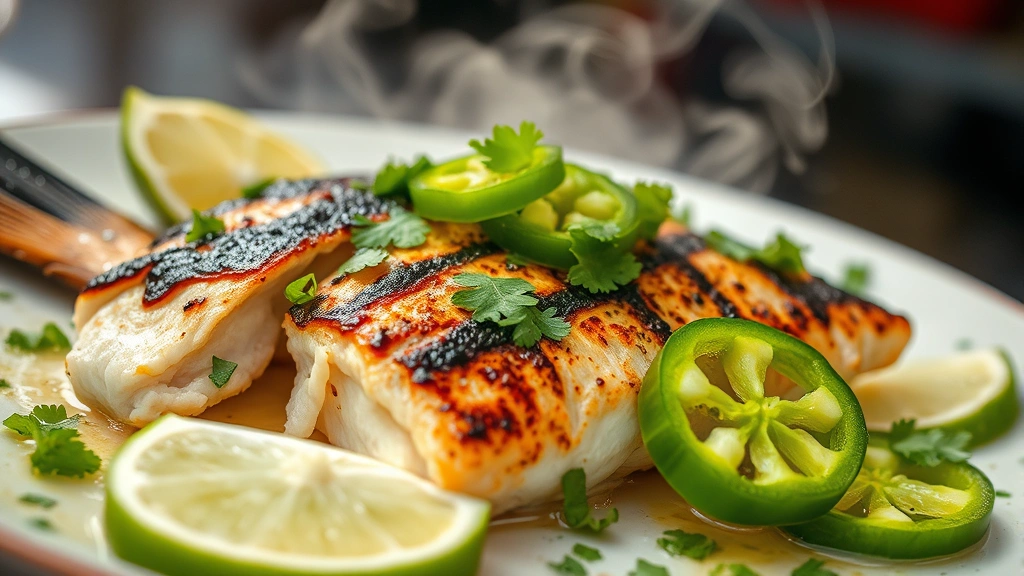
Contramar, located in the Coyoacán neighborhood, has influenced Mexican cuisine for decades through its philosophy of impeccable ingredients prepared with restraint. The grilled fish, seasoned simply with salt and finished with chile and lime, demonstrates how profound flavors emerge from technique and ingredient quality rather than complexity. The dining experience itself—on a terrace overlooking the Anahuac River—enhances the sensory experience, with natural light illuminating the dishes’ colors and textures in ways that amplify their visual appeal.
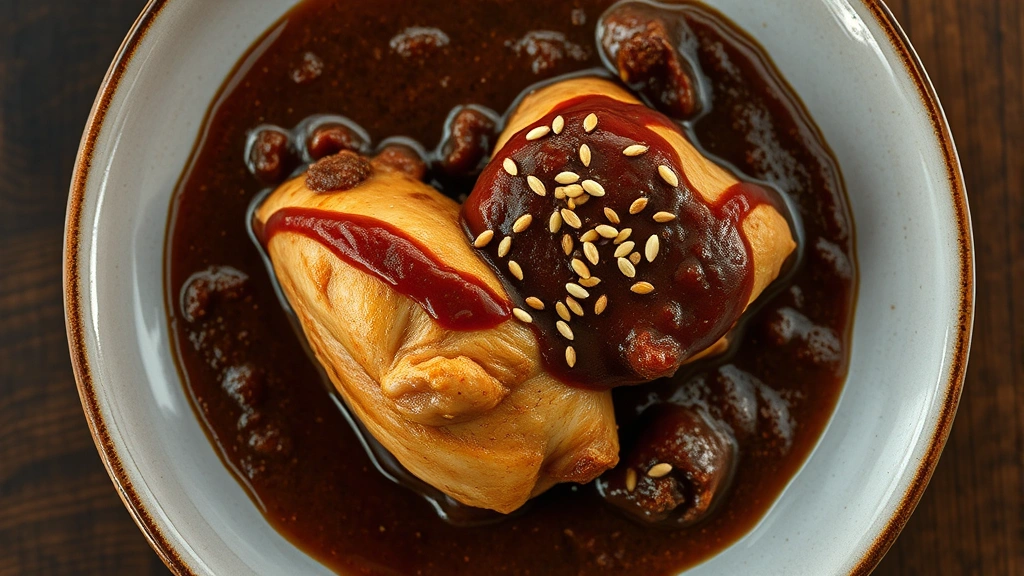
Nicos represents a different contemporary approach, where chef Enrique Olvera’s protégé focuses on regional Mexican cuisines often overlooked in Mexico City’s restaurant scene. The kitchen sources ingredients directly from specific regions—Oaxaca, Yucatán, the Gulf coast—and prepares them with reverence for local traditions while introducing subtle refinements. The mole negro arrives with the depth of flavor that only proper preparation yields, served with chicken that’s been cooked with such care that each fiber remains tender.
Paxia brings a more casual energy while maintaining impressive technical standards. The kitchen emphasizes natural wines and smaller plates that encourage exploration and sharing, creating a dining experience that feels collaborative rather than prescriptive. The palate moves through various flavor registers—from bright and acidic to rich and fermented—in ways that reflect how traditional Mexican meals actually progress.
These restaurants often provide experiences more aligned with what you might find at restaurant week events in other major cities—excellent value combined with genuine culinary creativity.
Market-to-Table Experiences and Ingredient-Driven Restaurants
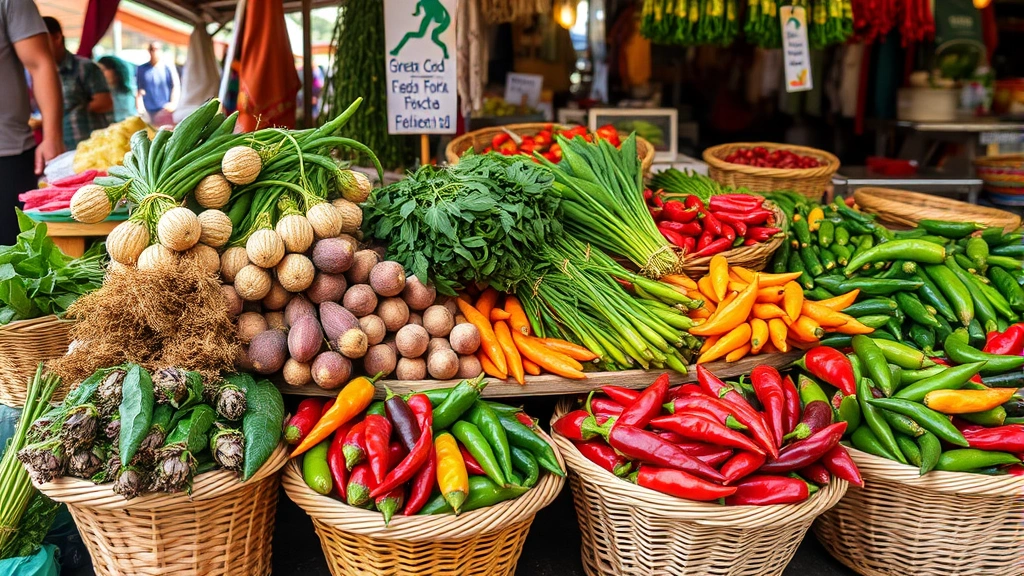
Mexico City’s proximity to extraordinary markets—Mercado de Medellín, Central de Abastos, Mercado Jamaica—creates unique opportunities for restaurants built entirely around ingredient availability and seasonal variation. These establishments often feature changing menus because the kitchen’s philosophy demands using what the market provides at peak quality.
Doña Tomasa operates with the philosophy that simplicity reveals ingredient quality more effectively than complexity ever could. The kitchen sources from specific vendors it has relationships with, often purchasing ingredients that morning for that evening’s service. The result feels almost shockingly fresh—vegetables taste like concentrated versions of themselves, herbs perfume dishes with aromatic intensity, and proteins arrive with the delicate texture that only careful sourcing and minimal manipulation provides.
Rosetta, while technically Italian, operates with such commitment to seasonal Mexican ingredients that it deserves mention here. The kitchen’s pasta preparations feature chilies, herbs, and vegetables sourced from the same markets that supply traditional Mexican restaurants, creating hybrid dishes that feel both innovative and somehow inevitable. The tagliatelle with amaranth pesto and aged cheese demonstrates how ingredients need not be used in their traditional contexts to honor their essential character.
These market-driven restaurants share a crucial characteristic: they refuse to compromise ingredient quality for menu consistency. Diners who return frequently will notice the menu shifting subtly, reflecting what was exceptional at market that morning. This approach creates genuine seasonal awareness—you understand viscerally that tomatoes taste different in different seasons, that certain chilies reach peak ripeness at specific times, that ingredient availability shapes cuisine more fundamentally than recipes do.
Neighborhood Gems and Local Favorites
While Mexico City’s most famous restaurants attract international pilgrims, the city’s true culinary richness often reveals itself in neighborhood establishments where locals gather for meals that reflect their communities’ specific traditions and preferences.
In Coyoacán, Los Danzantes serves traditional Oaxacan cuisine with particular emphasis on mole variations that have been refined over decades. The kitchen sources many ingredients directly from Oaxaca, maintaining relationships with specific producers who supply particular varieties of chilies, spices, and chocolate. Each mole tells a story about specific villages, specific seasons, specific cultural moments. The palate experiences flavors that feel both ancient and immediate—these recipes have existed for centuries, yet the care applied to their preparation makes them feel contemporary.
In Polanco, Punto MX has earned Michelin recognition while maintaining the energy of a neighborhood restaurant rather than a temple of gastronomy. The kitchen’s focus on tequila pairings and mezcal-influenced preparations reflects the owner’s deep knowledge of Mexican spirits beyond their typical cocktail applications. The palate experiences how smoke, minerality, and complexity in spirits can be echoed in food preparation—dishes finished with mezcal essence, preparations that emphasize charred and fermented elements.
In San Ángel, Café de Tacuba serves traditional Mexican food with such technical precision that it challenges assumptions about casual dining. The chilaquiles possess the perfect textural balance—crispy edges yielding to tender centers—that suggests hours of technique refinement applied to seemingly simple preparations. The tamales arrive with masa that’s been whipped to the correct consistency, resulting in a crumb structure that’s light without being airy, substantial without being heavy.
These neighborhood establishments often provide the kind of genuine value and authentic experience you might seek from restaurant week dining in other cities, but with the added benefit of discovering establishments that locals have been patronizing for years.
Street Food Elevated: Casual Excellence
Mexico City’s street food culture represents one of the world’s most sophisticated casual food scenes, where vendors who have been perfecting their craft for decades serve food that rivals fine dining in terms of flavor precision and technical execution.
Tacos El Vilsito operates from a simple cart near the Zócalo, where the owner prepares barbacoa with such care that the meat falls apart at the gentlest touch, releasing collagen-rich juices that create an almost broth-like consistency. The corn tortillas arrive warm from the comal, their surface bearing the delicate char marks that indicate proper heat and timing. The palate experiences how profound flavors emerge from simple ingredients treated with respect—meat, salt, heat, and time.
Quesadilla stands in Coyoacán near the market represent another category of street food excellence. The quesadillas arrive with cheese that has barely melted into the masa, maintaining its structural integrity while becoming creamy and rich. The fillings vary by day based on market availability—sometimes huitlacoche with epazote, sometimes flor de calabaza with oaxaca cheese, sometimes rajas with queso fresco. Each variation demonstrates how the same basic technique can yield entirely different flavor experiences based on ingredient selection.
Elotes and esquites vendors throughout the city represent perhaps the most straightforward expression of ingredient quality. The corn, often sourced that morning, arrives at peak sweetness and milky texture. The preparation—a simple char on the comal, a coating of mayonnaise mixed with cotija cheese and chile powder—enhances rather than masks the corn’s essential character. The palate experiences how simple preparations can be more satisfying than complex ones when ingredients are treated with respect.
These casual establishments often provide better value and more authentic flavor experiences than many formal restaurants. They represent the foundation upon which Mexico City’s entire culinary culture rests.
Regional Specialties and Forgotten Recipes
Mexico comprises 32 distinct regional cuisines, each with specific ingredients, techniques, and cultural significance. Mexico City’s finest restaurants have made recovering and honoring these regional traditions a central mission.
Yucatecan cuisine, with its unique blend of Mayan, Spanish, and Caribbean influences, appears on several Mexico City menus. Cochinita pibil—pork marinated in achiote and citrus, traditionally cooked in a pit—arrives with the deep mahogany color and complex spice profile that only proper preparation yields. The meat’s texture reveals how low-temperature cooking creates tenderness without drying out the protein. Accompanying habanero-based salsas provide bright heat that cuts through the richness.
Oaxacan cuisine receives particular attention from Mexico City chefs who recognize the region’s extraordinary ingredient diversity and complex flavor traditions. Mole negro, prepared with dozens of ingredients including chocolate, chilies, and spices, represents one of Mexico’s most complex dishes. The palate experiences layer upon layer of flavor—initial sweetness from chocolate yielding to deeper spice notes, subtle bitterness from chilies, umami depth from ingredients like sesame and nuts. Each spoonful seems to reveal new flavor dimensions.
Gulf coast seafood traditions appear throughout Mexico City’s restaurants, with particular emphasis on ceviches, tostadas, and grilled fish preparations that reflect centuries of coastal cooking. The freshness of the seafood becomes paramount—fish that’s been caught that morning and prepared within hours possesses a delicate sweetness and firm texture that frozen seafood cannot replicate. The acidic preparations—lime juice, vinegar, and fermented elements—brighten the seafood’s flavors while curing the protein to the perfect texture.
These regional specialties often represent ingredient-driven cuisine that vegetarian and pescatarian diners can particularly appreciate, as many regional Mexican traditions emphasize plant-based and seafood preparations.
Dining Logistics and Reservation Tips
Navigating Mexico City’s restaurant scene requires practical knowledge about reservations, neighborhoods, and dining customs that differ from North American and European expectations.
Reservation practices: Mexico City’s most acclaimed restaurants—Pujol, Quintonil, Boca Negra—require reservations weeks in advance, often through their websites or the World’s Best Restaurants platform. Many restaurants accept reservations through Michelin Guide selections or directly via email. Smaller establishments often operate on first-come, first-served bases, particularly for lunch service.
Neighborhood considerations: Polanco offers the highest concentration of fine dining and upscale restaurants, with particularly strong options near Paseo de la Reforma. Coyoacán provides a more bohemian atmosphere with excellent mid-range restaurants and street food. Roma and Condesa neighborhoods feature contemporary restaurants emphasizing natural wines and small plates. The historic center near the Zócalo offers both tourist-oriented establishments and excellent local restaurants serving traditional food.
Dining timing: Mexican meal timing differs from North American customs. Lunch remains the primary meal, typically served from 1 PM to 4 PM, with many restaurants offering excellent value during this window. Dinner service generally begins around 7 PM, with most restaurants reaching peak service between 8 PM and 10 PM. Breakfast and brunch service is increasingly popular in central neighborhoods.
Cost considerations: Fine dining establishments like Pujol and Quintonil operate at price points comparable to three-Michelin-star restaurants elsewhere—expect to spend $150-300 USD per person for tasting menus with wine pairings. Contemporary restaurants with Michelin recognition typically cost $60-120 USD. Excellent mid-range restaurants serving regional specialties often cost $20-50 USD. Street food and market-based casual restaurants typically cost $3-15 USD per meal.
These logistics matter because they determine how you’ll actually experience Mexico City’s culinary scene. Proper planning ensures you secure reservations at establishments you’re most interested in while leaving flexibility for spontaneous discoveries.
FAQ
What’s the best time to visit Mexico City for food tourism?
Mexico City’s restaurant scene operates year-round without significant seasonal closures. Spring (March-May) and fall (September-November) offer the most pleasant weather for exploring neighborhoods and markets. Many chefs emphasize seasonal ingredient availability, so visiting during specific seasons allows you to experience regional produce at peak quality. Winter months bring particular abundance to markets, with excellent citrus, root vegetables, and specific chile varieties reaching their peak.
Are there excellent vegetarian and vegan restaurants in Mexico City?
Yes, Mexico City has developed a robust vegetarian and vegan scene. Many traditional Mexican restaurants naturally accommodate plant-based diets through dishes emphasizing beans, chilies, corn, and seasonal vegetables. Contemporary restaurants increasingly offer vegetable-focused tasting menus that demonstrate how Mexican ingredients can create satisfying meals without animal proteins. Establishments like family-friendly restaurants often feature vegetarian options that don’t feel like afterthoughts.
Should I hire a guide or take a food tour?
Food tours can provide valuable context about neighborhood history, ingredient sourcing, and preparation techniques, particularly if you’re interested in street food and market experiences. However, many of Mexico City’s most acclaimed restaurants don’t accommodate group tours. Consider combining a guided market tour with individual restaurant reservations to maximize both educational value and culinary excellence.
What’s the etiquette for dining in Mexico City restaurants?
Mexican dining culture is generally more relaxed than European fine dining traditions. Casual dress is acceptable in most restaurants except the most formal establishments. Tipping practices follow North American conventions—15-20% for good service is standard. Arrive on time for reservations, as tables are often booked back-to-back. Engage with servers about ingredient sourcing and preparation methods; chefs and staff generally appreciate genuine curiosity about their work.
How do I find authentic street food and market restaurants?
Exploring neighborhoods on foot often yields the best discoveries, particularly in areas like Coyoacán, La Roma, and San Ángel. Ask hotel staff and local residents for recommendations; Mexicans are generally enthusiastic about sharing their favorite casual eating establishments. Markets like Mercado de Medellín and Mercado Jamaica have numerous prepared food stalls where you can observe preparation methods and taste multiple vendors’ specialties. Apps like Google Maps and local review platforms can help identify highly-rated casual restaurants.
What if I don’t speak Spanish fluently?
Many Mexico City restaurants, particularly in tourist areas and fine dining establishments, have English-speaking staff or menus available in English. Smaller, more local establishments may have limited English. Learning basic food-related Spanish terms enhances the experience and demonstrates respect for local culture. Many chefs and servers appreciate efforts to communicate in Spanish, even imperfectly. Translation apps can assist with menu navigation and ingredient inquiries.
Are there restaurants with patios and outdoor seating?
Yes, many Mexico City restaurants emphasize outdoor or semi-outdoor dining. Restaurants with patios near major neighborhoods include Contramar in Coyoacán, Punto MX in Polanco, and numerous establishments in Roma and Condesa with street-facing seating. Many restaurants feature covered patios or terraces that provide outdoor atmosphere while protecting from weather. Dining outdoors allows you to experience Mexico City’s climate and street energy while enjoying meals.