Best Over-the-Rhine Eats: Local Foodie’s Picks for Unforgettable Cincinnati Dining
Over-the-Rhine stands as Cincinnati’s most vibrant culinary destination, where historic brick warehouses have transformed into destination restaurants that rival major metropolitan food scenes. This neighborhood, nestled just north of downtown, has undergone a remarkable renaissance that extends far beyond its architectural charm—it’s become a haven for chefs pushing boundaries, sourcing locally, and crafting menus that celebrate both tradition and innovation. Walking these tree-lined streets, you’ll encounter everything from intimate farm-to-table establishments to bold international cuisines, each contributing to a dining landscape that feels distinctly Cincinnati yet undeniably sophisticated.
The Over-the-Rhine restaurant scene reflects a community-first philosophy that permeates the neighborhood’s identity. These aren’t merely places to eat; they’re gathering spaces where culinary passion meets genuine hospitality. Whether you’re seeking a casual lunch between gallery visits or planning an elaborate multi-course dinner experience, the restaurants here deliver with remarkable consistency. The neighborhood’s commitment to quality ingredients, often sourced from regional farms and purveyors, means every plate tells a story of local terroir and seasonal abundance.
The Neighborhood’s Culinary Identity
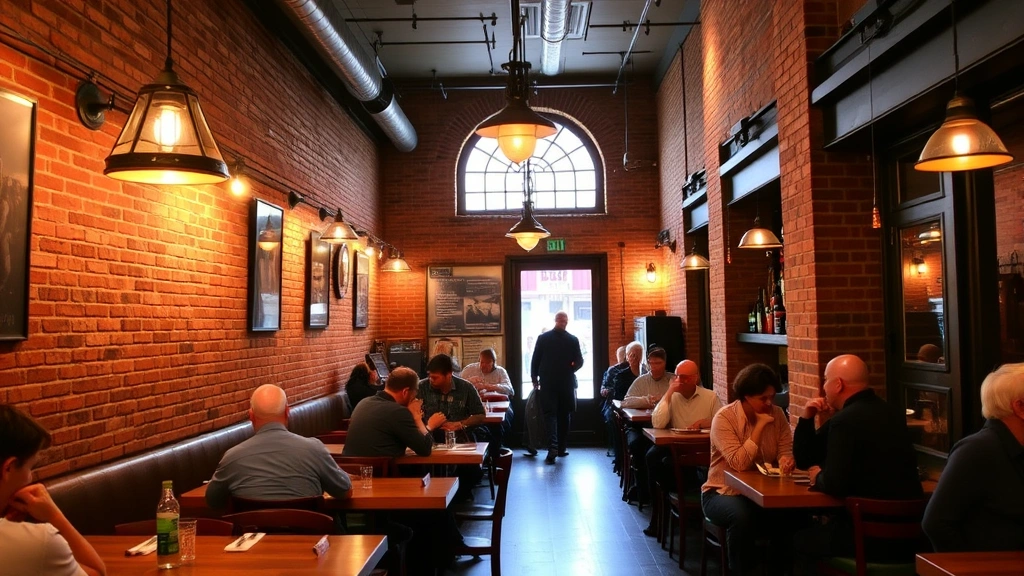
Over-the-Rhine’s food culture emerges from a unique confluence of historical preservation and contemporary vision. The neighborhood’s architecture—converted lofts, century-old storefronts, and reclaimed industrial spaces—creates an atmosphere where innovation feels grounded in authenticity. Restaurant owners here understand they’re not just operating businesses; they’re stewarding Cincinnati’s culinary future. This consciousness manifests in menu decisions that prioritize relationships with local farmers, sustainable sourcing practices, and a willingness to celebrate regional ingredients that might be overlooked elsewhere.
The neighborhood’s walkability transforms dining into an experience rather than a destination. You can begin your evening with craft cocktails at one establishment, transition to small plates across the street, and finish with dessert at a third venue—all within a five-minute radius. This interconnected dining ecosystem encourages exploration and discovery, making Over-the-Rhine perfect for those seeking unique restaurants near me that offer something genuinely different from suburban chains.
The neighborhood also attracts culinary professionals who’ve chosen to root themselves here rather than pursue opportunities in larger cities. These chefs bring refined techniques, international experience, and artistic sensibilities to their menus while maintaining deep connections to Cincinnati’s food heritage. The result is a dining scene that feels both elevated and accessible—sophisticated without pretension, innovative without abandoning flavor fundamentals.

Fine Dining Excellence in OTR
Cincinnati’s most prestigious fine dining establishments call Over-the-Rhine home, and they represent the pinnacle of the city’s gastronomic achievements. These restaurants approach dining as a comprehensive sensory experience where every element—from plate design to service pacing to wine pairings—receives meticulous attention. The chefs here often train at prestigious culinary institutions and work under renowned mentors before establishing their own visions.
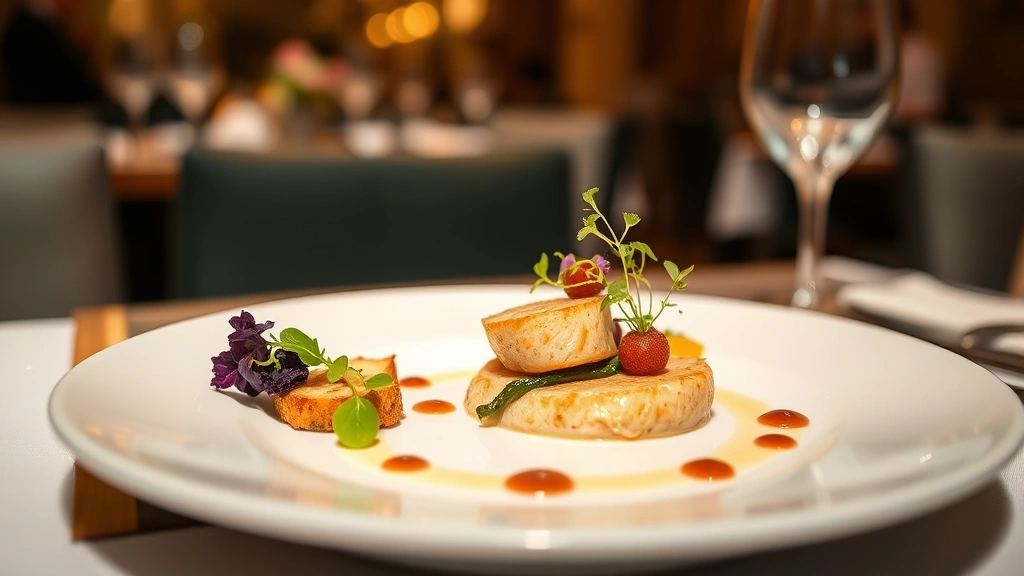
At the forefront of OTR’s fine dining scene are restaurants that have earned recognition from national critics and food publications. These establishments feature tasting menus that change seasonally, reflecting what’s currently at peak ripeness from local farms. The flavor profiles tend toward sophistication without unnecessary complexity—dishes that showcase ingredient quality rather than overshadowing it with technique. A perfectly seared piece of fish might be accompanied by seasonal vegetables and a delicate sauce that enhances rather than dominates, allowing diners to appreciate the ingredient’s essential character.
The wine programs at these restaurants reflect serious curation, with sommeliers who understand that pairing wine with food is about creating conversations between flavors rather than following rigid rules. Many feature natural wines, small-production bottles from independent vintners, and selections specifically chosen to complement the restaurant’s particular culinary philosophy. The service style emphasizes genuine knowledge and hospitality rather than stuffy formality—staff members can discuss menu decisions, ingredient sourcing, and flavor combinations with authentic enthusiasm.
These fine dining establishments also embrace the neighborhood’s community orientation. You’ll often find the chef or owner moving through the dining room, genuinely interested in guests’ experiences rather than performing obligatory hellos. This approachability, combined with technical excellence, creates dining experiences that feel both special and unpretentious—perfect for celebrations or simply treating yourself to an exceptional meal.
Casual Gems Worth Every Visit
Some of Over-the-Rhine’s most memorable meals happen in casual settings where the focus shifts entirely to flavor and value. These restaurants prove that elevated cooking doesn’t require white tablecloths or prix-fixe menus. Many operate from converted storefronts or intimate counter-service spaces, creating an immediacy and authenticity that more formal settings sometimes struggle to achieve. The chefs here are often as interested in perfecting a burger as they are in executing complex techniques—understanding that mastery means excellence at every level.
The casual dining scene includes sandwich shops where bread is made fresh daily, meat is sourced from specific farms, and flavor combinations reveal careful thought. These aren’t afterthought lunch spots; they’re destinations where people plan to eat. Similarly, casual pizza restaurants here employ techniques that might surprise those accustomed to conventional pies—perhaps sourdough fermentation, wood-fired ovens, or toppings that honor Italian traditions while celebrating local ingredients. A simple margherita pizza becomes an exploration of tomato quality, mozzarella texture, and basil freshness.
When seeking good lunch restaurants near me, Over-the-Rhine delivers consistently. Lunch menus at casual establishments often feature lighter preparations that highlight seasonal produce, making them perfect for midday dining. The pace feels relaxed, encouraging lingering over a meal without the time pressure sometimes present at busier establishments. Many feature outdoor seating, allowing you to enjoy neighborhood energy while eating—watching street activity, observing architectural details, and absorbing the OTR atmosphere.
The value proposition at casual restaurants here remains exceptional. You’re paying for quality ingredients and skilled preparation, not inflated prices based on neighborhood trendiness. This commitment to fairness reflects the community-first ethos permeating the neighborhood. Staff members at casual spots often have deep knowledge of menu items and can guide you toward flavor profiles matching your preferences, treating service as genuine hospitality rather than transactional necessity.
International Flavors & Global Cuisine
Over-the-Rhine’s international restaurant scene reflects Cincinnati’s diverse population and the neighborhood’s openness to culinary traditions from around the world. These restaurants aren’t attempts to recreate distant cuisines for unfamiliar audiences; they’re often operated by people with genuine connections to the food traditions they’re presenting. A Vietnamese restaurant might be run by a family that immigrated generations ago, maintaining recipes while adapting to available ingredients. A Latin American spot might feature a chef who trained in their homeland before bringing those techniques to Cincinnati.
The advantage of this authenticity is profound. You taste food prepared with understanding rather than interpretation—someone who grew up eating these dishes bringing their personal culinary heritage to professional cooking. The spice balances in Indian cuisine, the fermentation techniques in Korean food, the sauce preparations in Italian cooking—all reflect genuine knowledge rather than assumptions about what American palates might prefer. These restaurants often educate diners about flavor combinations and ingredient relationships they might not encounter elsewhere.
Many international restaurants in Over-the-Rhine also practice ingredient adaptation thoughtfully, sourcing locally when possible while maintaining traditional flavor profiles. This approach celebrates both respect for culinary tradition and commitment to local food systems. You might find a Mexican restaurant using Ohio-grown heirloom corn for tortillas, a Thai establishment featuring locally raised pork in traditional preparations, or a Mediterranean restaurant built around seasonal vegetables from nearby farms.
The neighborhood’s international options make it ideal for those exploring global cuisines or seeking familiar comfort foods prepared with exceptional care. Whether you’re craving Southeast Asian flavors, Middle Eastern spices, Latin American techniques, or European traditions, Over-the-Rhine likely offers authentic interpretations operated by people genuinely invested in their culinary heritage.
Breakfast & Brunch Destinations
Over-the-Rhine has become renowned for breakfast and brunch, with restaurants taking these meals as seriously as dinner service. The neighborhood’s brunch culture reflects a philosophy that morning meals deserve the same attention to ingredient quality and technique as any other service. Eggs come from specific farms, bread is made fresh, coffee is sourced from specialty roasters, and preparations showcase skill rather than merely assembling components.
The best breakfast experiences here feature seasonal ingredients treated with sophistication. Spring might bring asparagus and fresh herbs to morning preparations; summer introduces stone fruits and berries; fall brings squashes and mushrooms; winter features root vegetables and preserved elements. Chefs approach these seasons as opportunities to explore how ingredients can transform breakfast dishes, moving beyond standard preparations.
Brunch menus often include both sweet and savory options, with attention to balance and flavor development in both categories. Pastries might feature laminated doughs developed through extended fermentation, creating layers and complexity. Savory dishes employ techniques—braising, curing, fermentation—that elevate simple ingredients into compelling flavors. The beverage programs extend beyond coffee, with fresh juices, house-made sodas, and specialty drinks that complement morning meals.
These establishments work particularly well for kiddie friendly restaurants near me since many offer casual atmospheres where families feel welcome. The pace of brunch service suits families with children, portions are often shareable, and flavor profiles tend toward approachable rather than aggressively challenging. Many feature outdoor seating, which many parents appreciate for dining with younger diners.
Navigating Dietary Preferences
Over-the-Rhine’s restaurant community demonstrates genuine commitment to accommodating diverse dietary approaches. Whether you follow plant-based eating, maintain kosher practices, avoid gluten, or have other dietary requirements, the neighborhood’s restaurants approach these needs as opportunities for creative cooking rather than restrictions to begrudgingly accommodate.
Plant-based dining options here extend far beyond token vegetable sides. Restaurants feature vegetable-forward cooking that celebrates produce for its inherent qualities rather than as meat substitutes. Root vegetables might be roasted to concentrate sweetness and develop complex caramelization; leafy greens might be prepared with techniques that enhance their particular flavors; legumes might be cooked with aromatic elements that create depth. These preparations prove that exceptional cooking doesn’t require animal products—it requires understanding ingredients and technique.
Many chefs here have studied at institutions like the Culinary Institute of America, where sustainable and inclusive cooking practices receive serious attention. This training influences how restaurants approach dietary accommodations—not as complications but as normal parts of professional cooking. Servers can discuss menu modifications, chefs can suggest dishes matching specific dietary approaches, and the kitchen treats special requests with the same care given to standard orders.
For those exploring vegan restaurants or kosher restaurants near me, Over-the-Rhine offers options alongside restaurants that accommodate these practices within broader menus. This diversity allows groups with different dietary approaches to dine together, with everyone enjoying genuinely excellent food rather than someone settling for limited options.
Gluten-free dining has also evolved significantly in the neighborhood, with restaurants understanding celiac disease and non-celiac gluten sensitivity seriously. Rather than offering separate, inferior preparations, many establishments have developed gluten-free options that receive identical attention to standard dishes. Cross-contamination awareness is taken seriously, and staff members can discuss preparation methods with genuine knowledge.
The neighborhood’s approach to allergies and dietary restrictions reflects professional kitchens understanding that accommodation serves everyone. When restaurants take these needs seriously, they develop better systems overall, train staff more thoroughly, and demonstrate the kind of hospitality that makes dining experiences genuinely welcoming regardless of dietary approach.
Many Over-the-Rhine restaurants also participate in special dining events, including restaurants birthday free promotions and seasonal tasting events that celebrate Cincinnati’s food community. These gatherings often feature collaborative menus, guest chefs, and opportunities to experience the neighborhood’s culinary talent in innovative formats.
FAQ
What makes Over-the-Rhine’s restaurant scene unique compared to other Cincinnati neighborhoods?
Over-the-Rhine combines historic architecture, walkability, and a community-first philosophy that attracts chefs and restaurateurs genuinely invested in their neighborhood rather than pursuing trends. The neighborhood’s commitment to local sourcing, sustainable practices, and culinary excellence creates a cohesive dining scene where quality standards remain consistently high across price points.
Are reservations necessary for Over-the-Rhine restaurants?
Reservation requirements vary significantly. Fine dining establishments typically require reservations and often book weeks in advance. Casual restaurants range from first-come, first-served to reservation-friendly. The neighborhood’s popularity means that making reservations when possible is wise, particularly for dinner service on weekends.
What’s the best time to visit Over-the-Rhine restaurants?
Lunch offers excellent value and shorter wait times, making it ideal for exploring multiple restaurants. Dinner showcases full menus and wine programs but involves higher prices and busier atmospheres. Brunch represents a neighborhood highlight, with unique menu items and festive energy. Weekday visits generally provide more relaxed pacing than weekends.
How do Over-the-Rhine restaurants source their ingredients?
Most prioritize relationships with local farms, regional producers, and specialty purveyors. Many feature seasonal menus reflecting current harvest availability. Chefs often visit farms personally, developing relationships that inform menu decisions. This commitment to local sourcing supports regional agriculture while ensuring ingredient quality and freshness.
Can groups with diverse dietary needs dine together in Over-the-Rhine?
Yes. The neighborhood’s restaurants demonstrate genuine commitment to accommodating various dietary approaches, from plant-based to gluten-free to kosher. Rather than relegating special diets to limited options, most establishments develop thoughtful preparations for different dietary needs, allowing groups to share meals with everyone enjoying excellent food.
What price range should I expect for Over-the-Rhine dining?
The neighborhood offers exceptional range. Casual restaurants serve excellent meals for $12-20 per person. Mid-range establishments typically cost $25-45 per person. Fine dining experiences range from $60-150+ per person depending on whether you choose à la carte or tasting menus. The neighborhood’s commitment to value means even upscale restaurants offer reasonable pricing for quality delivered.
Are there outdoor dining options in Over-the-Rhine?
Yes. Many restaurants feature patios, sidewalk seating, or rooftop areas, particularly during warmer months. Outdoor dining allows you to experience the neighborhood’s energy while eating, watching street activity, and enjoying Cincinnati’s weather. Availability varies seasonally, with most outdoor options available May through October.
How can I discover new restaurants in Over-the-Rhine?
The neighborhood’s concentrated geography makes exploration rewarding—you can walk streets discovering new establishments. Local food critics and publications frequently cover OTR restaurants. Following neighborhood social media accounts and restaurant websites keeps you informed about new openings and seasonal menu changes. Asking staff at restaurants you enjoy often yields excellent recommendations for complementary establishments nearby.


