Peruvian Flavors Explored: Chef’s Top Picks
Peru stands as one of the world’s most underrated culinary destinations, a nation where ancient traditions collide with contemporary gastronomy to create dishes that captivate and challenge the palate in equal measure. The coastal regions, highland valleys, and Amazon rainforest each contribute distinct ingredients and preparation methods that define Peruvian cuisine, a complex tapestry woven from indigenous wisdom, Spanish colonial influence, African heritage, and Asian immigration. When exploring a Peruvian restaurant, diners embark on a sensory journey through time, tasting the evolution of South American food culture in every carefully plated composition.
The renaissance of Peruvian dining on the global stage owes much to visionary chefs who have elevated traditional recipes while maintaining their soul and authenticity. These culinary artists understand that Peruvian food transcends mere sustenance—it represents identity, geography, and the ingenuity of generations who transformed humble ingredients into extraordinary experiences. From the umami depths of ceviche to the comforting warmth of causa, each dish tells stories of terroir, technique, and passion that professional tasters and food critics increasingly recognize as world-class.
The Sacred Trinity: Ceviche, Causa, and Lomo Saltado
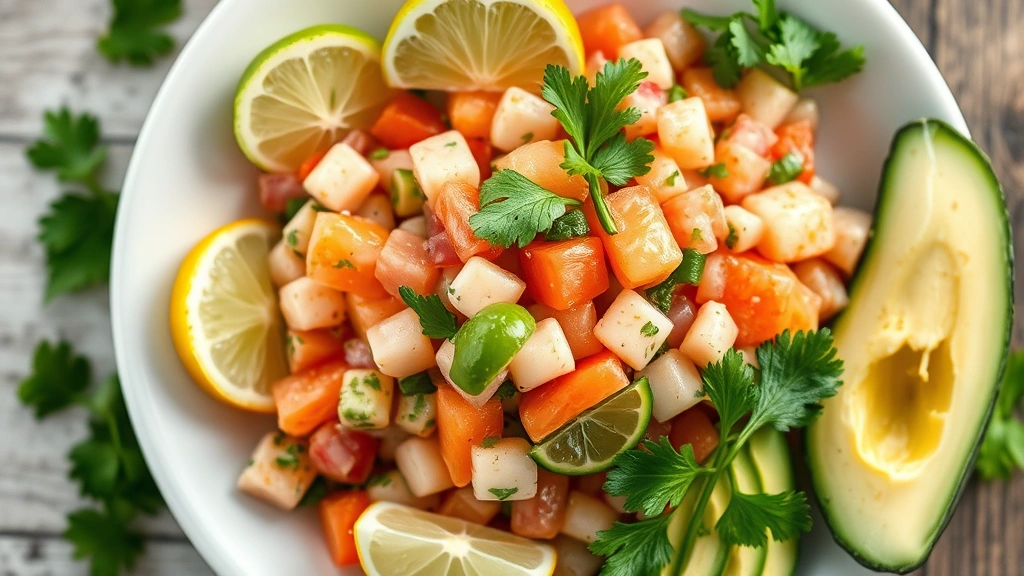
Any exploration of Peruvian culinary excellence must begin with ceviche, the nation’s most iconic dish and a masterclass in flavor balance. This raw fish preparation exemplifies how Peruvian chefs manipulate acid, heat, and texture to create something far greater than its constituent parts. The lime juice doesn’t merely cook the fish—it fundamentally transforms its structure, rendering the exterior opaque while maintaining a delicate, silken interior. The best ceviches incorporate sea urchin, tiger’s milk (the potent broth extracted from fish bones and aromatics), and a precise calibration of chili peppers that builds complexity rather than simple heat.
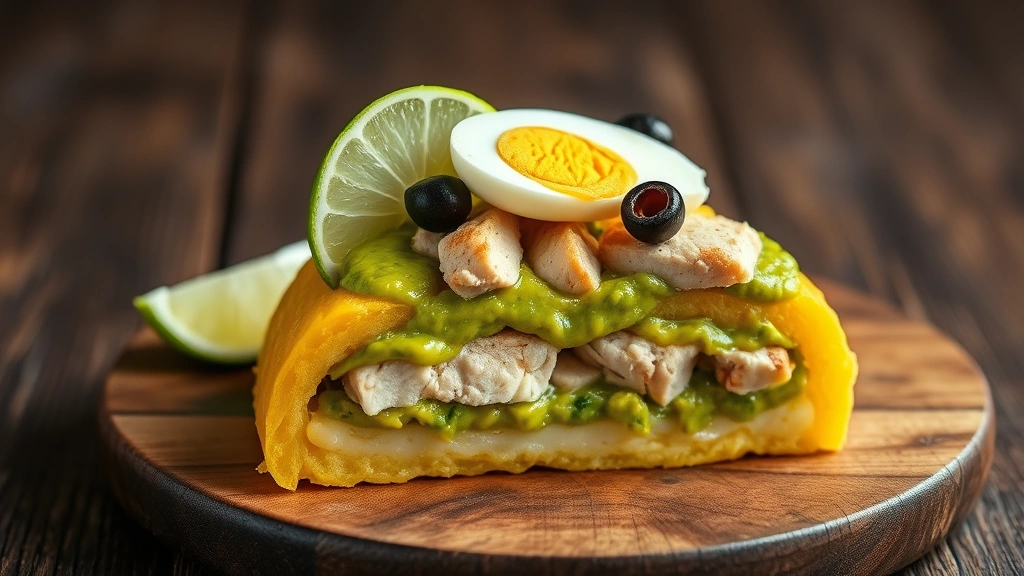
Causa represents another pillar of Peruvian gastronomy, a layered potato terrine that showcases the nation’s incredible diversity of potato varieties. Yellow potatoes form the base, infused with lime and aji amarillo, creating a vibrant golden hue and subtle heat that distinguishes causa from other potato preparations. The filling typically alternates between creamy avocado, tender chicken, or fresh seafood, each component adding textural contrast and complementary flavors. Professional tasters note that causa demands precision—the potato layers must achieve perfect consistency, neither too dense nor too loose, requiring the kind of technical skill that separates competent cooks from true culinary artisans.
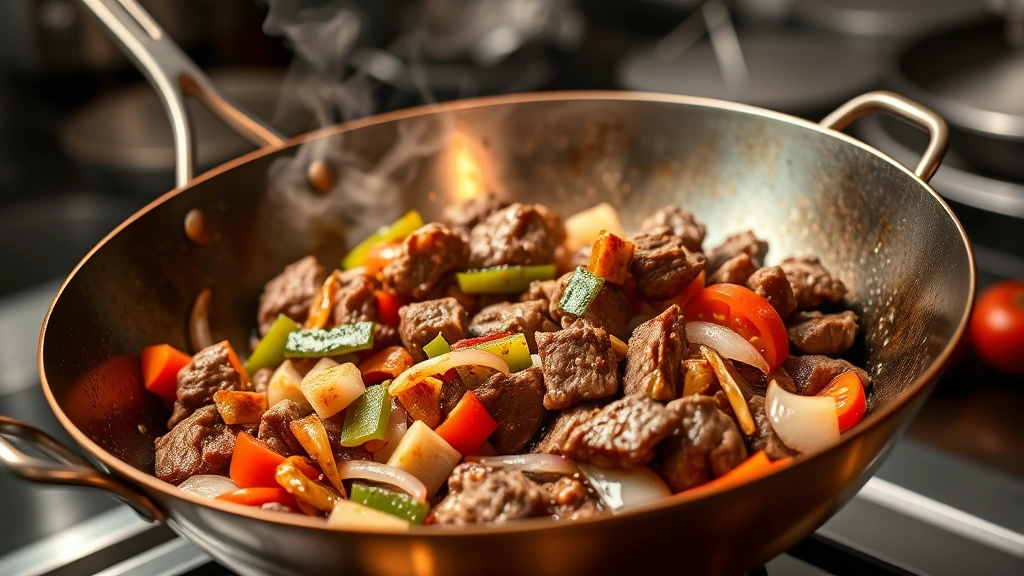
Lomo saltado bridges Peruvian and Asian cuisines, a wok-kissed beef stir-fry that emerged from Chinese immigration patterns in the nineteenth century. Tender strips of lomo (beef tenderloin) hit screaming-hot woks with red onions, tomatoes, and aji peppers, creating caramelized edges and a sauce that clings to each morsel. The dish arrives sizzling, aromatics rising in fragrant waves that prepare the palate for the textural interplay of crispy exterior and succulent interior. Served alongside rice and crispy potatoes, lomo saltado provides the kind of satisfying complexity that explains why it appears on virtually every restaurant menu across Peru.
Exploring Peru’s Regional Specialties
Peru’s geography creates distinct culinary regions, each with signature preparations that reflect local ingredients and cultural traditions. The coastal areas produce ceviches and seafood dishes of extraordinary refinement, while highland regions favor heartier preparations built around potatoes, corn, and slow-cooked meats. The Amazon contributes exotic proteins and fruits that rarely appear in Western restaurants but represent the true diversity of Peruvian cuisine.
Arequipa, Peru’s second-largest city, has earned recognition as a gastronomic powerhouse with its own distinctive flavor profile. The region’s rocoto relleno showcases red rocoto peppers stuffed with seasoned ground beef, onions, and spices, then baked until the pepper softens while maintaining structural integrity. The walnut-based cream sauce adds richness and subtle earthiness, creating a dish of surprising sophistication. Chefs trained in Arequipeño traditions understand how to balance the pepper’s heat with complementary ingredients, preventing the dish from devolving into simple spice.
Cusco, the ancient Incan capital, preserves traditional preparations alongside modern innovations. Cuy chactado (fried guinea pig) remains a beloved specialty, its meat remarkably tender and flavorful when properly prepared by experienced hands. The animal is pressed flat before frying, maximizing surface area for crispy skin while ensuring even cooking throughout. Served with potatoes, corn, and a peanut-based sauce, cuy represents Peru’s culinary continuity from pre-Columbian times to the present day.
The northern coast, particularly around Trujillo, specializes in preparations featuring caballo de paso horses and distinctive seafood dishes. Ceviche Trujillano incorporates cancha (toasted corn kernels) and sweet potatoes, adding textural elements and subtle sweetness that distinguish it from Lima’s versions. These regional variations demonstrate how Peruvian chefs maintain deep respect for local traditions while continuously refining technique and presentation.
Seafood Excellence and Coastal Traditions
Peru’s Pacific coastline provides access to some of the world’s most pristine seafood, a bounty that Peruvian chefs have learned to showcase with minimal intervention. The Humboldt Current brings cold waters rich with nutrients, supporting populations of fish, shellfish, and crustaceans of exceptional quality. When dining at an authentic Peruvian restaurant, the seafood quality becomes immediately apparent—the flesh tastes cleaner, more mineral-forward, with oceanic complexity that speaks to sustainable fishing practices and rapid handling.
Tiradito, often described as Peru’s answer to Japanese sashimi, demonstrates how local chefs have adapted international techniques to regional ingredients. Thin slices of pristine fish are arranged on the plate, then dressed with a vibrant sauce—typically aji amarillo-based or incorporating seafood roe for umami depth. Unlike ceviche’s aggressive lime cure, tiradito’s sauce merely caresses the fish, allowing the protein’s natural flavors to dominate. The interplay between delicate fish and assertive sauce creates balance that professional tasters recognize as evidence of sophisticated palate development.
Pulpo al olivo (octopus in olive sauce) showcases Peruvian chefs’ ability to transform challenging proteins into tender, flavorful preparations. The octopus undergoes extended cooking until its texture becomes silken rather than rubbery, then receives a finishing treatment with green olive sauce that adds briny complexity and richness. Each tentacle segment should yield easily to gentle pressure, indicating proper cooking and skilled execution.
Conchas negras (black clams) appear raw, often dressed simply with lime and aji peppers to highlight their briny minerality. The meat possesses a buttery texture and oceanic flavor that requires no embellishment, though talented chefs understand how to complement rather than overshadow these natural qualities. When you taste properly prepared conchas negras at a quality Peruvian restaurant, you experience the ocean’s essence captured on a single shell.
The Art of Peruvian Spice and Heat
Peruvian cuisine’s relationship with heat differs fundamentally from Mexican or Thai approaches. Rather than pursuing maximum spice levels, Peruvian chefs employ peppers as flavor instruments, each variety contributing distinct characteristics. Aji amarillo provides fruity heat and earthy undertones, forming the foundation for countless preparations. Rocoto peppers deliver sharper, more aggressive heat with fruity notes. Aji panca, a dried red pepper, offers smoky, almost chocolatey complexity that adds depth rather than simple fire.
Understanding these distinctions separates casual diners from those who truly appreciate Peruvian flavors. A well-executed dish should showcase heat as one element among many—balanced against acid, fat, and umami to create harmony rather than domination. The best Peruvian chefs demonstrate restraint, allowing diners to taste the full flavor spectrum rather than merely registering capsaicin burn.
Pepper pastes, or aji pastes, represent foundational elements in Peruvian cooking. These concentrated preparations combine fresh peppers, garlic, salt, and sometimes cumin or other spices, creating flavor bombs that add complexity to soups, stews, and sauces. A restaurant’s quality often correlates directly with the care taken in preparing these pastes—homemade versions from quality ingredients vastly outperform commercial alternatives.
The interplay between heat and other flavor components reaches its apex in dishes like ají de gallina, a creamy chicken preparation where aji amarillo provides warmth without overwhelming the dish’s overall delicacy. The sauce, enriched with ground nuts and cream, surrounds tender chicken pieces in a golden embrace that coating the palate with warmth and umami satisfaction.
Peruvian Beverages and Pairings
Peru’s beverage culture extends far beyond the pisco sour, though that iconic cocktail deserves its celebrated status. Pisco, a grape brandy distilled in Peru and Chile, possesses a unique character—fruity, aromatic, and clean—that distinguishes it from other brandies. A properly balanced pisco sour combines the spirit’s natural elegance with lime’s brightness, egg white’s silky texture, and bitters’ complexity. The best versions, found at top-tier Peruvian restaurants, demonstrate how this classic cocktail achieves its legendary status through balance and quality ingredients.
Chicha morada, a purple corn beverage, offers a non-alcoholic alternative that complements Peruvian food beautifully. The drink’s subtle sweetness and unique flavor profile—reminiscent of berries with hints of spice—cleanses the palate between courses while adding cultural authenticity to the dining experience. Many chefs now incorporate chicha morada into desserts and modern cocktails, expanding its applications beyond traditional service.
Peruvian wines, particularly from the Ica region, have gained international recognition for their quality and distinctive character. The coastal desert climate produces grapes with concentrated flavors and natural acidity that pairs exceptionally well with seafood-focused Peruvian cuisine. A crisp Peruvian sauvignon blanc or albariño complements ceviche and tiradito with remarkable synergy, while fuller-bodied reds work beautifully with meat-focused preparations like lomo saltado.
Pisco-based cocktails beyond the sour deserve exploration—the pisco punch, capitan, and chilcano each bring different dimensions to Peruvian dining. The chilcano, combining pisco with ginger beer and lime, provides effervescence and spice that enhances savory dishes while remaining refreshing throughout the meal.
Desserts and Sweet Traditions
Peruvian desserts reflect the nation’s agricultural abundance and cultural diversity. Lucuma, a subtropical fruit with custard-like texture and maple-like flavor, appears in ice creams, flans, and pastries throughout Peru. The fruit’s natural sweetness and unique taste profile make it instantly recognizable to those familiar with Peruvian cuisine. Try homemade ice cream recipes featuring lucuma for a gateway into this delicious tradition.
Suspiro a la limeña, literally “sigh of a Lima woman,” exemplifies Peruvian dessert sophistication. This layered creation combines dulce de leche (sweetened condensed milk cooked until caramelized) with meringue, creating textural contrast and flavor complexity. The meringue’s airy sweetness plays against the caramel’s deep richness, while a dusting of cinnamon adds warmth and aromatic interest. Each spoonful melts on the tongue, the flavors evolving as different components combine.
Mazamorra morada, a purple corn pudding, provides another authentic Peruvian dessert that appears on quality restaurant menus. The preparation involves cooking purple corn with dried fruits and spices, creating a deeply flavorful, almost wine-like sweetness. Served chilled with whipped cream, mazamorra morada offers comfort and sophistication in equal measure.
For those interested in expanding their dessert repertoire, exploring no-bake dessert recipes and simple chocolate dessert recipes provides accessible entry points into dessert creation. Peruvian flavors translate beautifully into home kitchen contexts, allowing enthusiasts to recreate restaurant experiences.
Arroz con leche, the traditional rice pudding, demonstrates how Peruvian chefs transform simple ingredients into comfort food that satisfies on multiple levels. The rice cooks slowly in milk until creamy, cinnamon and clove infusing the preparation with warmth. Condensed milk adds richness and sweetness, while raisins provide textural contrast and bursts of concentrated fruit flavor.
FAQ
What makes Peruvian cuisine unique compared to other Latin American cuisines?
Peruvian cuisine distinguishes itself through geographic diversity—coastal, highland, and Amazon regions each contribute distinct ingredients and techniques. The nation’s incredible potato diversity (over 4,000 native varieties), unique peppers like aji amarillo and rocoto, and access to pristine Pacific seafood create flavor profiles unavailable elsewhere. Additionally, Peru’s culinary history reflects unique cultural blending, with indigenous, Spanish, African, and Asian influences creating something genuinely distinct.
How should I approach dining at a Peruvian restaurant for the first time?
Begin with ceviche or tiradito to experience Peru’s seafood excellence, then progress to dishes like causa and lomo saltado to understand the cuisine’s broader range. Don’t hesitate to ask servers about regional specialties and ingredient sources—knowledgeable staff at quality restaurants take pride in explaining their preparations. Consider ordering family-style to sample multiple dishes, and definitely explore beverage pairings, particularly pisco cocktails and Peruvian wines.
What are the essential ingredients in Peruvian cooking?
Peruvian cuisine relies on potatoes (in countless varieties), peppers (especially aji amarillo, rocoto, and aji panca), lime juice, garlic, cumin, and high-quality seafood. Corn, both fresh and as cancha (toasted kernels), appears frequently. Nuts, particularly peanuts and walnuts, feature in sauces and preparations. Understanding how these ingredients interact forms the foundation for appreciating Peruvian food.
Can I recreate Peruvian dishes at home?
Absolutely. Many Peruvian preparations translate beautifully to home kitchens, particularly when sourcing quality ingredients. Ceviche, causa, and lomo saltado are accessible starting points. For more elaborate preparations, consider exploring baking recipes for beginners if tackling Peruvian pastries. Additionally, easy healthy snack recipes can incorporate Peruvian flavors and ingredients for everyday enjoyment.
What beverages pair best with Peruvian food?
Pisco cocktails, particularly pisco sours, represent the classic pairing. For wine, Peruvian whites from Ica pair beautifully with seafood, while fuller-bodied reds work with meat preparations. Chicha morada offers a traditional non-alcoholic option. Beer, particularly Peruvian craft varieties, also complements the cuisine nicely.
How do I identify an authentic Peruvian restaurant?
Authentic establishments feature ceviche, causa, and lomo saltado on their menus and take pride in explaining ingredient sourcing and preparation methods. Look for restaurants that emphasize regional specialties, employ Peruvian chefs or staff trained in Peruvian techniques, and source ingredients thoughtfully. Quality matters enormously—authentic Peruvian restaurants never compromise on ingredient freshness or preparation standards.