Top Dublin Restaurants: Expert Picks & Reviews
Dublin’s culinary landscape has undergone a remarkable transformation over the past decade, evolving from a city known primarily for traditional Irish fare into a vibrant gastronomic hub that rivals Europe’s finest dining destinations. The Irish capital now boasts an extraordinary array of restaurants where Michelin-starred establishments sit comfortably alongside innovative street food vendors, farm-to-table bistros, and ethnic cuisine that reflects the city’s increasingly cosmopolitan character. Whether you’re seeking refined tasting menus that showcase molecular gastronomy or authentic comfort food that celebrates local heritage, Dublin delivers an unforgettable palate experience at every price point.
What makes Dublin’s restaurant scene particularly compelling is the unwavering commitment to sourcing ingredients from Ireland’s pristine countryside. Local farmers, artisanal producers, and sustainable fisheries supply the city’s best establishments with exceptional raw materials that form the foundation of exceptional cuisine. This farm-to-fork philosophy, combined with chefs trained in prestigious culinary institutions worldwide, creates a dining environment where tradition meets innovation on every plate. From the cobblestoned streets of Temple Bar to the quieter neighborhoods of Ballsbridge, Dublin’s restaurants tell stories through food—stories of heritage, creativity, and an uncompromising dedication to culinary excellence.
Michelin-Starred Excellence
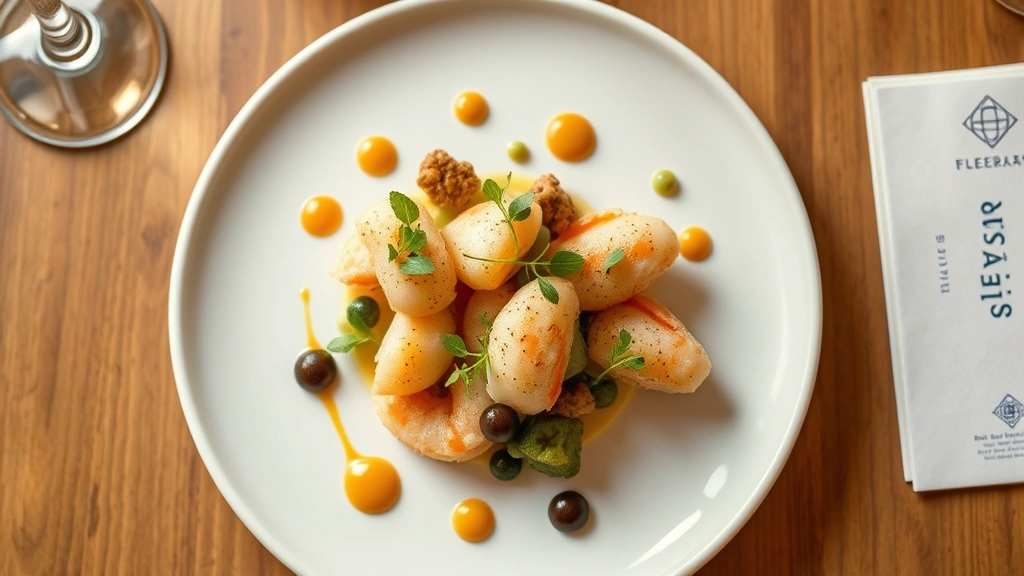
Dublin’s Michelin-starred restaurants represent the pinnacle of culinary achievement, where every element—from ingredient selection to plate presentation—reflects meticulous attention to detail and artistic vision. These establishments have earned their prestigious accolades through years of consistency, innovation, and an obsessive pursuit of flavor perfection. The experience of dining at a Michelin-starred venue transcends mere sustenance; it becomes a sensory journey where each course builds upon the last, creating a narrative arc that engages the palate, mind, and spirit.
Aniar stands as one of Dublin’s most celebrated restaurants, earning its Michelin star through an unwavering commitment to Irish ingredients and seasonal cooking. The restaurant’s tasting menu reads like a love letter to Ireland’s natural bounty—expect delicate preparations of local seafood, foraged vegetables, and innovative techniques that elevate humble ingredients into transcendent dishes. The flavor profiles emphasize purity and refinement; a simple piece of Irish fish arrives with the subtlety of a whispered secret, its natural sweetness enhanced rather than masked by thoughtful accompaniments. The dining experience here feels intimate and personal, with the kitchen visible to diners, creating transparency that builds trust and appreciation for the meticulous work happening before your eyes.
Chapter One, located in the historic Michelin House building, represents another jewel in Dublin’s culinary crown. Chef Ross Lewis commands the kitchen with precision and creativity, crafting tasting menus that showcase extraordinary technical skill combined with genuine innovation. The progression of courses demonstrates masterful understanding of flavor development—dishes begin with bright, delicate notes that gradually build in complexity and intensity. You’ll encounter unexpected flavor combinations that somehow feel inevitable once experienced: perhaps a seemingly simple vegetable preparation that reveals layers of umami depth, or a protein course where subtle smoking techniques add mysterious complexity to pristine ingredients.
These Michelin-starred establishments also function as laboratories where chefs experiment with modern culinary techniques while respecting classical foundations. Sous-vide preparations achieve perfect doneness impossible through conventional cooking methods. Foams and gels created through modernist techniques add textural sophistication. Yet these technical achievements never overshadow the fundamental principle: exceptional ingredients prepared with respect and creativity must always remain paramount. The best Michelin-starred dining in Dublin never forgets that technique serves flavor, not the reverse.
Contemporary Irish Cuisine
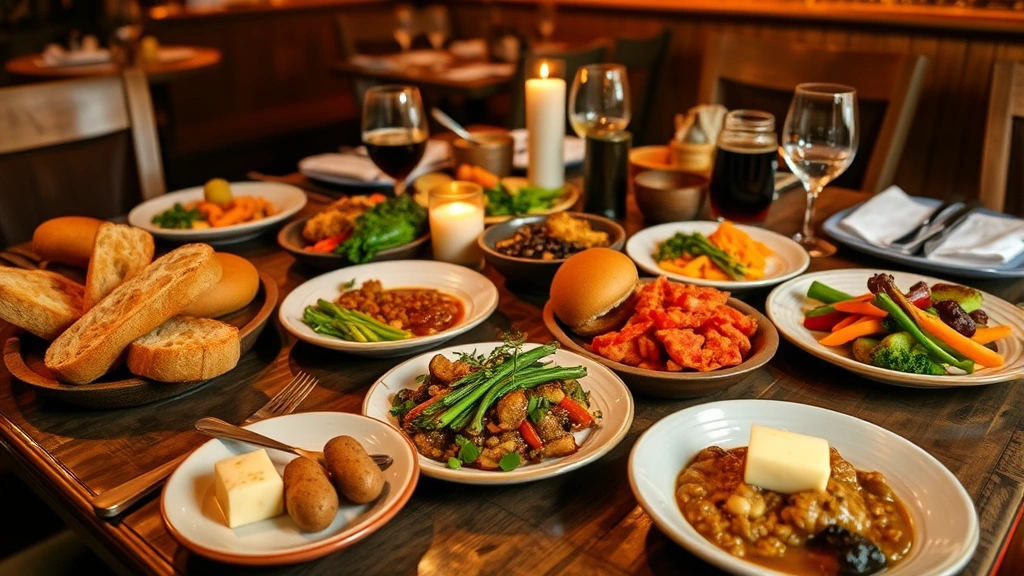
Beyond Michelin recognition, Dublin hosts numerous restaurants that brilliantly interpret Irish culinary traditions through a contemporary lens. These establishments celebrate the nation’s rich food heritage while embracing modern cooking philosophies and presentation styles. The result is cuisine that feels both deeply rooted and refreshingly innovative—food that honors where it comes from while pushing toward where it might go.
Restaurants focusing on locally-owned restaurant concepts near you thrive throughout Dublin, each bringing unique interpretations of Irish ingredients and techniques. These establishments often feature open kitchens where diners witness the choreography of professional cooking—the controlled chaos of multiple stations working in perfect synchronization, the precision knife work, the careful plating that transforms individual components into harmonious wholes. The flavor profiles emphasize quality over complexity, allowing superb ingredients to shine through thoughtful but restrained preparation.
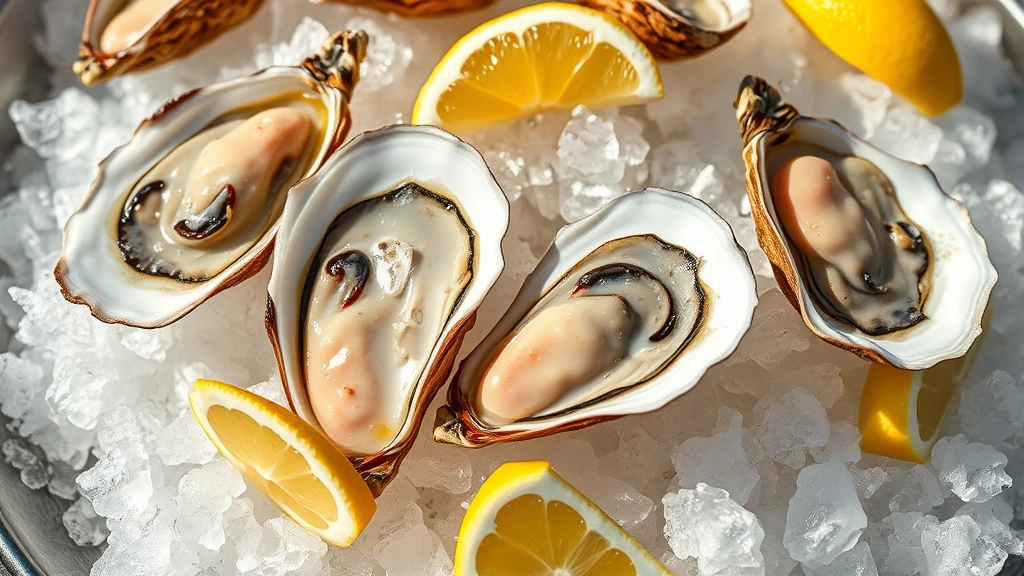
The contemporary Irish restaurant movement particularly excels at celebrating seafood traditions. Dublin’s proximity to Ireland’s Atlantic coastline means restaurants receive daily deliveries of extraordinary fish and shellfish. Crab arrives still twitching with vitality; oysters taste of salt spray and mineral terroir; wild salmon possesses the firm, delicate texture and subtle sweetness that comes from a life spent battling powerful currents. Chefs prepare these treasures with reverence—perhaps a simple grilling with Irish butter and lemon juice, or more elaborate preparations that build complementary flavors around the seafood’s natural character.
Meat preparations in contemporary Dublin restaurants equally reflect the quality of Irish livestock. Free-range chickens, grass-fed beef from specific herds, and heritage pork breeds receive attention from nose-to-tail cooking philosophies. A beef course might feature perfectly aged ribeye alongside a silky bone marrow emulsion, crispy beef fat chips, and a reduction built from roasted bones and vegetables. The umami depth achieved through proper aging and preparation creates flavors of extraordinary intensity—each bite delivers concentrated beef essence that coats the palate with savory richness.
International Flavors & Ethnic Cuisine
Dublin’s increasingly diverse population has catalyzed an explosion of authentic ethnic cuisines, offering palates the opportunity to explore global flavor profiles without leaving the Irish capital. These restaurants range from casual neighborhood spots to ambitious fine-dining interpretations of traditional cuisines, each bringing genuine expertise and passion to their respective culinary traditions.
The city’s Indian restaurant scene deserves particular attention, with establishments ranging from traditional curry houses to contemporary Indian fine dining. Quality Indian restaurants in Dublin demonstrate profound understanding of spice composition and flavor layering—the ability to balance heat, sweetness, sourness, bitterness, and umami into harmonious wholes. A properly executed curry builds complexity through careful spice toasting, creating flavor foundations that support subsequent additions of aromatics, proteins, and finishing touches. The best establishments source authentic spices directly, ensuring vibrant flavor profiles rather than the muted tastes that result from aged or poor-quality spice inventory.
For those interested in exploring specific acclaimed establishments, Bombay Express Restaurant represents the type of quality Indian dining available throughout Dublin’s diverse restaurant landscape. These venues offer opportunities to experience authentic flavor profiles while enjoying the casual, welcoming atmosphere that characterizes neighborhood ethnic restaurants.
Thai cuisine flourishes in Dublin, with restaurants capturing the essential balance that defines Thai cooking: the interplay between hot, sour, salty, and sweet elements that create dynamic, multidimensional flavor experiences. Tom yum broths deliver intense aromatics from lemongrass, galangal, and lime; the heat from fresh chilies builds gradually, allowing other flavor components to register before the burn intensifies. Pad Thai achieves perfect balance through tamarind’s sourness, fish sauce’s umami depth, lime juice’s brightness, and careful heat management. Curries built from proper curry pastes achieve complex flavor profiles impossible to replicate through shortcuts or substitutions.
Japanese restaurants in Dublin offer everything from casual ramen shops to sophisticated sushi-omakase experiences. Ramen broths demand hours of simmering bones and aromatics, creating rich, deeply flavored bases that support noodles and toppings. Sushi preparation requires years of training—the subtle differences between properly and improperly cooked rice dramatically affect the eating experience, as does the precision required for knife cuts that maximize surface area and visual appeal while maintaining structural integrity.
Middle Eastern and Mediterranean restaurants celebrate the bright, herbaceous flavors characteristic of these regions. Za’atar’s complex spice blend, sumac’s tart brightness, tahini’s nutty richness, and fresh herb abundance create flavor profiles emphasizing freshness and vitality. These cuisines often feature raw and cooked elements in single dishes, creating textural and temperature contrasts that engage the palate dynamically.
Casual Dining & Street Food
Beyond formal dining establishments, Dublin’s casual restaurant sector and street food scene delivers exceptional eating experiences at accessible price points. These venues often demonstrate technical skill and ingredient quality equal to their more formal counterparts, but with relaxed atmospheres and straightforward preparations that allow flavors to shine without elaborate presentations or lengthy service protocols.
Burger establishments throughout Dublin have elevated this humble form to genuine culinary art, with chefs sourcing exceptional beef, grinding it fresh, and building flavor through careful seasoning and cooking technique. The difference between mediocre and excellent burgers lies in details: the beef’s fat content affecting juiciness and flavor; the grind size determining texture; the cooking temperature ensuring proper crust development while maintaining interior tenderness; the bun’s freshness and toasting level affecting structural integrity and flavor contribution.
Pizza restaurants in Dublin increasingly feature wood-fired ovens and properly fermented doughs that develop complex, slightly sour flavor profiles. The contrast between a properly charred, crispy crust and soft, airy interior creates textural interest enhanced by quality toppings—San Marzano tomatoes, fresh mozzarella, quality cured meats, and seasonal vegetables prepared with restraint to allow each component to register distinctly.
Fish and chips establishments, representing Dublin’s traditional street food, remain popular destinations where quality varies dramatically based on ingredient sourcing and cooking technique. Exceptional fish and chips features flaky, delicate fish encased in crispy batter that shatters between teeth, releasing steam and the fish’s subtle sweetness. Hand-cut chips possess creamy interiors and crispy exteriors, seasoned simply with salt to allow the potato’s natural flavor to emerge. The accompanying tartar sauce should taste bright with pickle and lemon rather than heavy with mayonnaise.
For those seeking kid-friendly restaurant options, Dublin offers numerous casual establishments where families can enjoy quality food in welcoming, unpretentious environments. These venues understand that children benefit from exposure to diverse flavors and textures, offering menus that balance familiar comfort foods with opportunities for culinary exploration.
Seafood Specialists
Given Dublin’s coastal location and Ireland’s exceptional seafood resources, specialized seafood restaurants occupy a particularly important niche in the city’s culinary landscape. These establishments often feature daily-changing menus reflecting what local fishermen have brought ashore, requiring chefs to adapt preparations based on ingredient availability and quality.
Quality seafood restaurants demonstrate profound respect for their raw materials, often employing minimal preparation methods that allow the seafood’s natural character to dominate. Oysters arrive simply on ice, their briny minerality and subtle sweetness requiring no enhancement beyond perhaps a squeeze of lemon. Scallops receive gentle heat just long enough to develop subtle caramelization while maintaining tender, delicate interiors. Lobster and crab showcase their sweet, firm flesh through simple preparations—perhaps butter-poached to ensure gentle cooking—that prioritize texture and flavor over elaborate sauces or accompaniments.
Fish preparations in specialized seafood restaurants often embrace classical techniques refined through centuries of European culinary tradition. Whole fish roasted with aromatics and finished with brown butter develops flavor through the Maillard reaction while the flesh remains moist and tender. Poaching in court-bouillon creates delicate, subtle flavors ideal for fish with delicate flesh. Ceviche preparations, where acid cures raw fish, require exceptional ingredient quality and impeccable timing to achieve the correct texture—the fish should remain tender rather than becoming tough through over-curing.
The best seafood restaurants develop relationships with specific fishermen and boats, ensuring consistent access to preferred species and sizes. This direct sourcing often means seafood arrives fresher than fish distributed through wholesale channels, translating to superior texture, flavor, and eating quality. Some establishments maintain live tanks where customers can observe and select specific specimens, creating transparency that builds confidence in freshness and quality.
Vegetarian & Vegan Options
Dublin’s restaurant scene increasingly recognizes that vegetarian and vegan diners deserve menus of equal sophistication and creativity as their meat-eating counterparts. Many restaurants now feature dedicated vegetarian tasting menus demonstrating that vegetables, grains, legumes, and fruits can deliver flavor and satisfaction equal to animal proteins when approached with proper technique and creativity.
For those seeking gluten-free restaurant accommodations, Dublin’s better establishments demonstrate understanding that dietary restrictions require thoughtful menu planning rather than simple substitutions. Dedicated gluten-free kitchens eliminate cross-contamination risks while allowing chefs to develop preparations specifically designed for alternative grains and techniques.
Vegetable-focused cuisine in Dublin’s best restaurants emphasizes seasonal availability and proper cooking technique. Root vegetables roasted at high temperatures develop deep caramelization and concentrated sweetness. Leafy greens dressed simply with quality oil and vinegar showcase subtle flavor nuances often masked in cooked preparations. Grains and legumes prepared through traditional methods—long, slow cooking with aromatics—develop complex, earthy flavors and creamy textures. Mushrooms, with their natural umami depth, provide savory foundation notes that anchor vegetable-focused dishes.
Vegan restaurants in Dublin increasingly demonstrate that plant-based cooking needn’t feel restrictive or compensatory. Rather than attempting to replicate meat dishes through plant-based substitutes, the best establishments embrace vegetables’ inherent qualities, creating cuisine that celebrates rather than apologizes for its plant-based foundation. Fermented elements—miso, soy sauce, kombucha—provide umami depth. Nuts and seeds toasted and ground create rich, creamy textures. Proper seasoning and acid balance ensure brightness and complexity that keeps palates engaged throughout courses.
FAQ
What are Dublin’s most acclaimed Michelin-starred restaurants?
Aniar and Chapter One represent Dublin’s most prestigious Michelin-starred establishments, both earning stars through exceptional technical skill, ingredient quality, and innovative approaches to Irish cuisine. Both restaurants feature tasting menus showcasing seasonal ingredients and refined preparations that exemplify modern Irish fine dining.
Where can I find authentic Indian cuisine in Dublin?
Dublin’s Indian restaurant scene offers numerous options ranging from traditional curry houses to contemporary fine dining. Indian restaurants throughout the city demonstrate varying levels of authenticity and sophistication, with the best establishments featuring properly sourced spices and skilled preparation of traditional dishes. Establishments like Bombay Express represent quality options for exploring Indian flavors.
Are there vegetarian fine dining options in Dublin?
Yes, many of Dublin’s better restaurants now offer dedicated vegetarian tasting menus demonstrating that plant-based cuisine can achieve sophistication and complexity equal to meat-focused menus. Vegetables, grains, legumes, and fruits receive creative preparations showcasing proper cooking technique and flavor development.
What seafood specialties should I try in Dublin?
Dublin’s proximity to Atlantic fishing grounds means fresh oysters, scallops, crab, lobster, and wild salmon appear regularly on menus. These ingredients showcase their quality through simple preparations—oysters on ice, scallops with butter, whole roasted fish—that prioritize natural flavor and texture over elaborate sauces.
How do I find family-friendly restaurants with quality food?
Kid-friendly restaurants throughout Dublin balance quality ingredients and skilled preparation with casual atmospheres and welcoming attitudes toward families. Many casual establishments and neighborhood restaurants excel at providing quality food without pretension, making them ideal for dining with children.
What dietary accommodations do Dublin restaurants typically offer?
Quality Dublin restaurants increasingly accommodate various dietary needs including vegetarian, vegan, and gluten-free requirements. The best establishments approach accommodations thoughtfully, developing specific preparations rather than simple substitutions, ensuring diners with restrictions enjoy meals of equal quality as other guests.


