Best Restaurant Dishes: Chef’s Top Picks That Define Culinary Excellence
The magic of restaurant dining lies not merely in the ambiance or service, but in those singular dishes that linger on your palate long after the meal concludes. These are the creations that chefs obsess over, that food critics dissect with reverent attention, and that diners return for again and again. Whether you’re seeking restaurants near me or planning an intentional culinary adventure, understanding what separates a good dish from a transcendent one requires exploring the dishes that have earned their place in restaurant lore.
Professional chefs spend years perfecting signature dishes—dishes that become synonymous with their restaurants and culinary philosophies. These aren’t merely meals; they’re expressions of technique, ingredient selection, and creative vision. From the delicate balance of umami in a perfectly executed sauce to the textural contrast between crispy and creamy components, the best restaurant dishes embody principles of flavor science and classical training executed with contemporary innovation.
Signature Proteins: The Foundation of Fine Dining
The most celebrated restaurant dishes invariably center around impeccably sourced and expertly prepared proteins. A perfectly cooked piece of beef, whether a tomahawk ribeye or a delicate filet mignon, requires understanding meat science—knowing precisely when collagen converts to gelatin, when the Maillard reaction creates that coveted crust, and how residual heat continues cooking the interior after removal from heat.
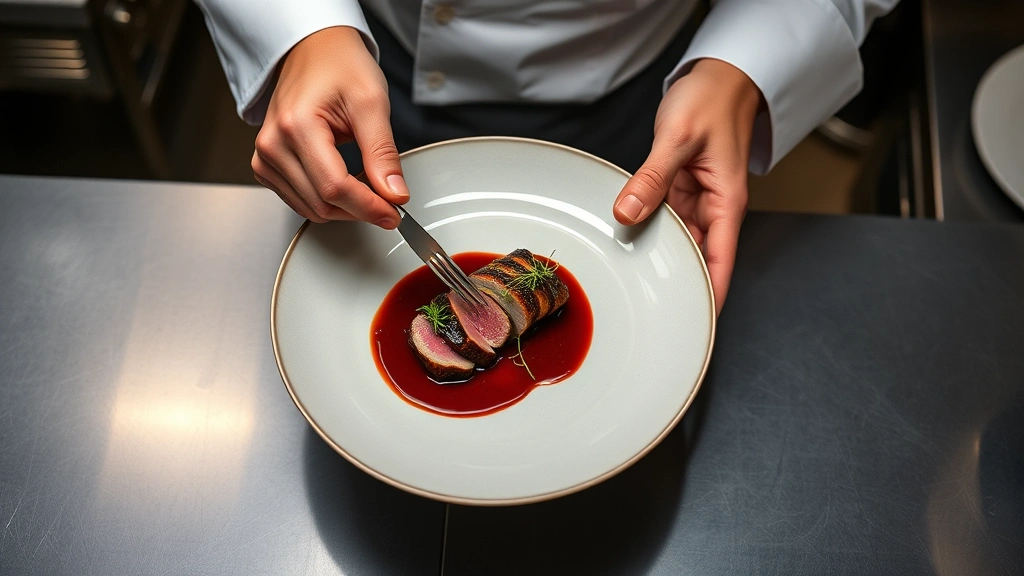
Duck breast, a staple of French cuisine that appears on fine dining menus worldwide, presents particular challenges. The skin must render until it achieves optimal crispness while the meat remains rosy and tender within. Chefs accomplish this through careful temperature control and timing. The rendered fat becomes liquid gold for cooking, while the finished duck pairs beautifully with fruit-forward sauces—cherry, orange, or plum reductions that cut through richness with acidic brightness.
Lamb, with its distinctive mineral and herbaceous notes, allows chefs to showcase complementary ingredients. A perfectly seared lamb chop or rack of lamb develops a flavorful crust while maintaining a pink, juicy interior. The best preparations acknowledge lamb’s natural affinity for Mediterranean herbs—rosemary, thyme, oregano—and often include accompaniments like tapenade, feta, or preserved lemon that enhance its complex flavor profile.
Chicken, often underestimated in fine dining contexts, becomes extraordinary when treated with appropriate respect. Sous-vide chicken breast cooked at precise temperatures emerges impossibly tender, while bone-in preparations develop deeper, more complex flavors. The best restaurant chicken dishes recognize that this protein serves as a canvas for supporting ingredients—rich pan sauces, aromatic spice rubs, or delicate cream-based preparations.
Pasta Perfection: Where Tradition Meets Technique
Pasta dishes represent some of the most beloved restaurant offerings, yet their simplicity belies technical complexity. Whether you’re exploring best homemade pasta recipes or appreciating restaurant renditions, understanding pasta excellence requires recognizing several key principles.
Fresh egg pasta, hand-rolled and cut to precise dimensions, creates texture that dried pasta cannot replicate. The tender, delicate bite of fresh tagliatelle or pappardelle allows sauces to cling properly while maintaining distinct pasta texture rather than becoming a unified mush. The best pasta dishes cook their pasta to a very specific doneness—al dente, with a slight firmness at the center that indicates proper hydration without mushiness.
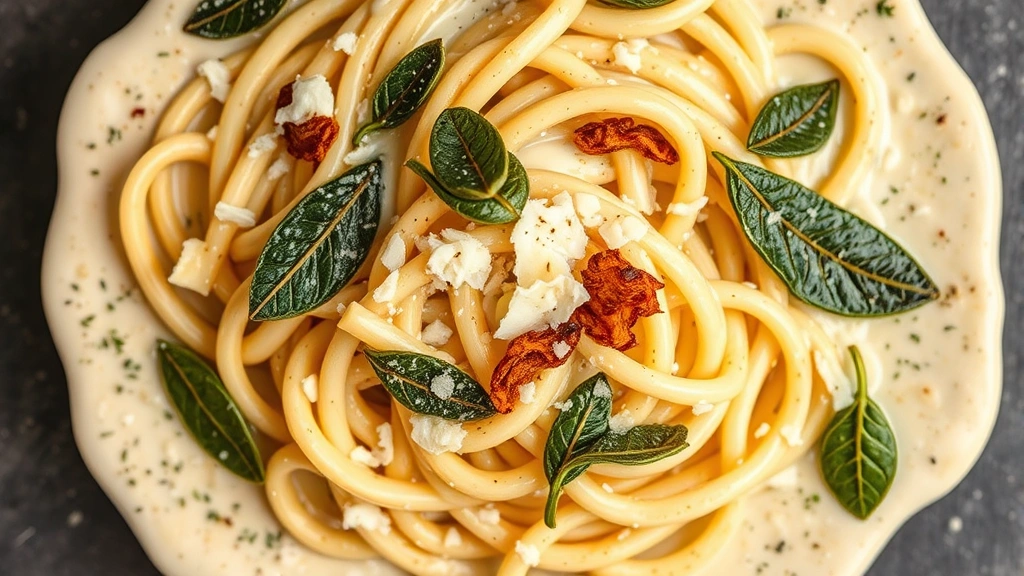
Cacio e pepe, that deceptively simple Roman preparation of pasta, cheese, and black pepper, exemplifies how fundamental technique matters. The emulsion created by combining pasta water, pecorino cheese, and butter requires proper timing and temperature control. Too much heat and the cheese breaks into grainy clumps; insufficient heat and the mixture remains slick and separated. Executed properly, it achieves a luxurious, creamy consistency with no cream whatsoever.
Risotto, while technically not pasta, shares similar principles of technique-driven simplicity. The gradual addition of warm stock to arborio rice, combined with constant stirring, allows the rice to release its starches, creating a naturally creamy consistency. The best risotto dishes achieve a specific texture—what Italians call “all’onda”—where the rice maintains individual grain integrity while suspended in a sauce of its own making. This requires attention, proper stock temperature, and understanding how rice varieties absorb liquid differently.
Seafood pasta dishes showcase how proteins and starches complement each other. Linguine alle vongole (with clams) benefits from the briny, mineral-rich clam juice that becomes a natural sauce base. Fresh shellfish, cooked only until just opaque, provides textural contrast and umami depth that elevates the dish beyond simple carbohydrate.
Seafood Showcases: Mastering Marine Ingredients
Fish and shellfish represent some of restaurants’ most impressive offerings, partly because these proteins demand precise technique and impeccable sourcing. Unlike meat that improves with aging, fish requires absolute freshness—ideally prepared within hours of arrival.
Perfectly seared fish develops a crispy exterior while maintaining a moist, delicate interior. This requires high heat, dry fish surfaces, and proper timing—usually just minutes per side for most preparations. The best restaurants understand that fish continues cooking from residual heat; removing it slightly before reaching target temperature ensures optimal doneness. Complementary preparations might include easy fish recipes for dinner principles scaled up for restaurant execution.
Lobster, perhaps the most luxurious shellfish, becomes transcendent in capable hands. Whether prepared as a simple butter-poached tail or incorporated into sophisticated preparations, the sweet, delicate meat deserves minimal interference. The best lobster dishes respect the ingredient’s natural flavor rather than masking it with excessive sauce or seasoning. Bisque made from lobster shells provides an elegant sauce base—rich, luxurious, with concentrated lobster essence.
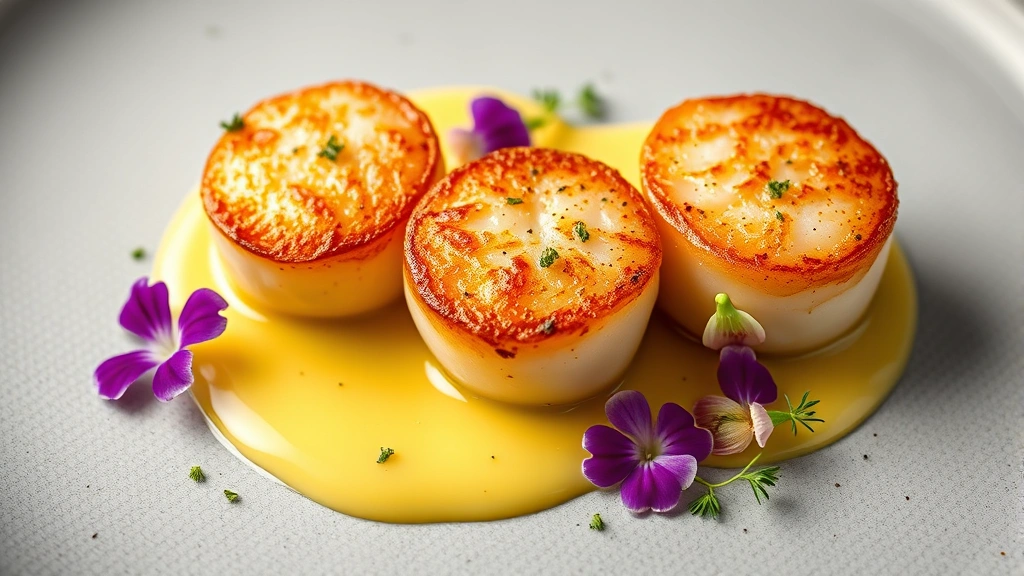
Scallops, with their delicate sweetness and tender texture, require confidence and proper technique. A perfectly seared scallop develops a golden crust while remaining tender within, a balance achieved through high heat, minimal movement, and perfect timing. The sweet brininess of properly prepared scallops pairs beautifully with acidic components—citrus, white wine reductions, or champagne sauces.
Oysters and other raw preparations showcase the importance of sourcing. The best oyster dishes feature pristine specimens from known sources, served with minimal accompaniment—perhaps just mignonette or fresh lemon. The terroir of oysters—how water conditions affect flavor—becomes apparent when tasting specimens from different regions.
Vegetable-Forward Dishes: The Modern Restaurant Standard
Contemporary fine dining increasingly recognizes vegetables as primary ingredients deserving equal attention to proteins. This represents a shift from viewing vegetables merely as supporting players to acknowledging their complex flavors and textural possibilities.
The best vegetable dishes celebrate seasonal availability and proper preparation technique. A perfectly roasted carrot, caramelized until its natural sugars concentrate and brown, becomes entirely different from boiled or steamed versions. Charring creates complexity through the Maillard reaction, developing deeper, more interesting flavors than gentle cooking methods.
Mushroom preparations showcase umami—that savory fifth taste that creates mouth-filling satisfaction. Whether prepared as a creamy sauce, a textured duxelles, or simply seared until golden, mushrooms contribute profound depth. The best restaurants recognize different mushroom varieties’ distinct characteristics: the earthiness of porcini, the delicate flavor of chanterelles, the meaty texture of portobellos.
Legume-based dishes, particularly in vegan restaurants near me and progressive fine dining, demonstrate how properly prepared beans and lentils achieve remarkable complexity. Long, slow cooking develops flavors while proper seasoning and complementary ingredients elevate these humble proteins into sophisticated dishes.
Cruciferous vegetables—broccoli, cauliflower, cabbage—develop surprising sophistication when treated with respect. Charred or caramelized preparations enhance their natural sweetness while developing savory depth. Fermented preparations like kimchi or sauerkraut add textural contrast and probiotic benefits alongside flavor complexity.
Sauce Science: Elevating Flavor Through Technique
The difference between adequate and exceptional restaurant dishes often lies in sauce preparation. Professional chefs understand sauce-making as a discipline requiring knowledge of flavor chemistry, emulsion science, and technique refinement.
Mother sauces—béchamel, velouté, espagnole, hollandaise, and tomato—form the foundation of classical French cuisine. Understanding how these sauces work at a molecular level allows chefs to execute them properly and create variations. A béchamel, the simplest, combines equal parts butter and flour (roux) with milk, creating a smooth sauce through starch gelatinization. The best versions achieve silky texture without graininess, requiring proper roux preparation and gradual milk incorporation.
Reduction-based sauces concentrate flavors through evaporation. A demi-glace, made by reducing stock repeatedly, develops intense, meaty flavor impossible to achieve through other methods. These sauces require patience and proper technique—maintaining appropriate heat to achieve evaporation without burning, skimming impurities as they rise, understanding how different stocks contribute distinct flavor profiles.
Emulsified sauces—hollandaise, béarnaise, beurre blanc—rely on emulsion chemistry to create luxurious texture. These sauces combine fat and water-based components that normally refuse to mix, using egg yolks or other emulsifiers to stabilize the mixture. Temperature control proves critical; too much heat breaks the emulsion, creating a separated, grainy sauce. Executed properly, these sauces coat food with silky richness that elevates any protein.
Pan sauces, made directly in the cooking vessel after proteins finish cooking, capture fond—flavorful browned bits stuck to the pan. Deglazing with wine or stock dissolves these flavorful compounds, creating instant sauce base. The best pan sauces balance acidity, richness, and flavor complexity while maintaining the essential character of their parent ingredients.
Plating and Presentation: The Visual Feast
Contemporary restaurant dishes recognize that eating engages multiple senses simultaneously. Visual presentation profoundly affects how we perceive flavor, a phenomenon documented in flavor perception research demonstrating that visual cues influence taste perception.
The best plating balances several considerations: color contrast that makes dishes visually appealing, appropriate negative space that prevents overcrowding, height and dimension that create visual interest, and careful component arrangement that facilitates proper bites combining all elements. Professional chefs consider how diners will approach the dish, ensuring first bites include balanced flavor and texture combinations.
Garnishes serve functional purposes beyond decoration. Microgreens, fresh herbs, and edible flowers provide textural contrast and flavor brightness. Crispy elements—fried shallots, toasted breadcrumbs, crispy skin—create textural variety that prevents monotony. Acidic garnishes like citrus or vinegar-based preparations brighten rich dishes, palate-cleansing with each bite.
Temperature considerations affect plating decisions. Hot proteins require warm plates to maintain proper serving temperature, while cold preparations might feature chilled plates. The best restaurants understand that food temperature affects flavor perception—warm foods taste more flavorful than room-temperature equivalents, which influences how they construct their plating sequences.
Sauce presentation requires particular attention. Rather than drowning components, the best plating uses sauce strategically, perhaps as a small pool beneath proteins or delicate dots that add visual interest while allowing diners to control sauce-to-food ratio. This respects ingredient quality and allows diners to experience distinct flavors rather than unified mash.
When seeking exceptional dining experiences, whether through date night restaurants near me or exploring cheap restaurants near me, these principles apply across price points and cuisines. The fundamentals—proper technique, quality ingredients, flavor balance, and thoughtful execution—remain constant whether dining at Michelin-starred establishments or neighborhood gems.
FAQ
What makes a restaurant dish truly exceptional?
Exceptional restaurant dishes combine several elements: impeccable ingredient quality, proper technique execution, balanced flavor profiles incorporating sweet, salty, sour, bitter, and umami elements, textural variety, appropriate seasoning, and thoughtful plating. The best dishes also tell a story through their preparation method or ingredient selection, reflecting the chef’s perspective and culinary training.
How do professional chefs develop signature dishes?
Signature dishes emerge through repeated refinement. Chefs test variations, gather feedback, adjust techniques, and explore ingredient combinations until achieving a version that represents their culinary vision. This process often takes months or years, involving extensive tasting and modification. The best signature dishes balance innovation with technical excellence, creating dishes memorable enough to define restaurants.
Why does restaurant food taste better than home cooking?
Several factors contribute: restaurants use higher-quality, often specialized ingredients unavailable to home cooks; professional equipment (burners, ovens, broilers) provides superior heat control and output; chefs possess years of training and repetition, developing intuitive technique; restaurants dedicate focused attention to individual dishes rather than managing multiple preparations simultaneously; and professional kitchens employ mise en place (ingredient pre-preparation) enabling efficient, organized cooking.
How important is ingredient sourcing to restaurant dishes?
Ingredient sourcing proves critical. The difference between mediocre and exceptional fish depends largely on freshness and handling. Similarly, heritage breed meats develop superior flavor compared to commodity alternatives, while seasonal produce at peak ripeness offers flavor intensity that out-of-season imports cannot match. The best restaurants invest significantly in sourcing, often building relationships with specific suppliers.
Can home cooks replicate restaurant dishes?
While home cooks can approximate restaurant dishes, perfect replication faces challenges: equipment differences, ingredient availability, and the accumulated experience chefs develop. However, understanding fundamental techniques—proper searing temperatures, sauce emulsification, seasoning balance—allows home cooks to significantly improve their cooking. Many restaurant techniques, when understood, prove accessible to dedicated home cooks.
What role does plating play in dish quality?
Plating significantly affects dining experience. Visual presentation influences flavor perception through psychological mechanisms; attractive presentations enhance perceived flavor. Additionally, thoughtful plating facilitates proper eating—ensuring first bites include balanced flavor and texture combinations. However, plating serves function rather than mere decoration; the best plates balance aesthetics with practical eating experience.


