St. Louis Cuisine: Top 5 Restaurants Reviewed
St. Louis stands as a culinary crossroads where Midwestern heartiness meets Southern soul, creating a distinctive gastronomic identity that reflects centuries of cultural confluence. The Gateway City’s food scene has evolved dramatically over the past decade, transforming from a region known primarily for toasted ravioli and gooey butter cake into a thriving destination for innovative chefs and refined dining experiences. Walking through the neighborhoods of St. Louis, from the historic Soulard district to the vibrant Central West End, reveals a tapestry of flavors that tell stories of immigration, tradition, and culinary reinvention.
Our exploration of the finest establishments in this remarkable city focuses on five exceptional venues that represent the pinnacle of St. Louis dining. Each restaurant has been carefully selected based on ingredient quality, technique execution, flavor complexity, and the overall sensory experience they deliver to discerning palates. These aren’t merely places to eat; they’re destinations where skilled chefs transform local and seasonal ingredients into memorable culinary narratives. Whether you’re seeking classic interpretations of regional specialties or avant-garde explorations of contemporary cuisine, St. Louis offers exceptional options that satisfy the most demanding food enthusiasts.
The Distinctive Flavors of St. Louis
St. Louis cuisine represents a unique convergence of culinary traditions shaped by the city’s strategic location along the Mississippi River and its role as a major trading hub. The region’s food heritage draws from German, Italian, and African American influences, creating flavor profiles that are simultaneously comforting and sophisticated. Toasted ravioli, the city’s most iconic dish, exemplifies this philosophy—simple ingredients prepared with meticulous technique that yields complex, deeply satisfying results.
The contemporary restaurant scene in St. Louis has moved beyond these traditional boundaries while still honoring them. Modern chefs working in the city understand that respecting culinary heritage doesn’t mean remaining static. Instead, they’ve begun exploring how classical techniques can illuminate new ingredient combinations, how traditional flavor foundations can support innovative presentations, and how regional pride can coexist with cosmopolitan ambition. This evolution has positioned St. Louis as a destination where food lovers discover both expected classics and unexpected revelations.
When evaluating the top establishments in any city, one must consider multiple dimensions: sourcing practices, kitchen discipline, flavor development, textural contrast, and the server’s ability to guide diners through the culinary vision. St. Louis’s finest restaurants excel across all these metrics, employing staff who understand not just what they’re serving, but why each component matters. They work directly with local farmers and purveyors, ensuring that seasonal availability drives menu development rather than restricting it. This commitment to local sourcing creates menus that shift with the calendar, encouraging repeat visits and deepening the relationship between restaurant and community.
Restaurant 1: Scape Restaurant
Scape Restaurant represents the cutting edge of St. Louis fine dining, where Chef Gerard Craft’s philosophy of precise technique meets an unwavering commitment to ingredient quality. Located in the heart of the city, this establishment commands attention through its elegant simplicity and the remarkable depth of flavor achieved through each dish. The dining room itself whispers sophistication—minimalist décor that never distracts from the food, attentive service that anticipates needs without hovering, and an wine program curated by experts who understand how to elevate the tasting experience.
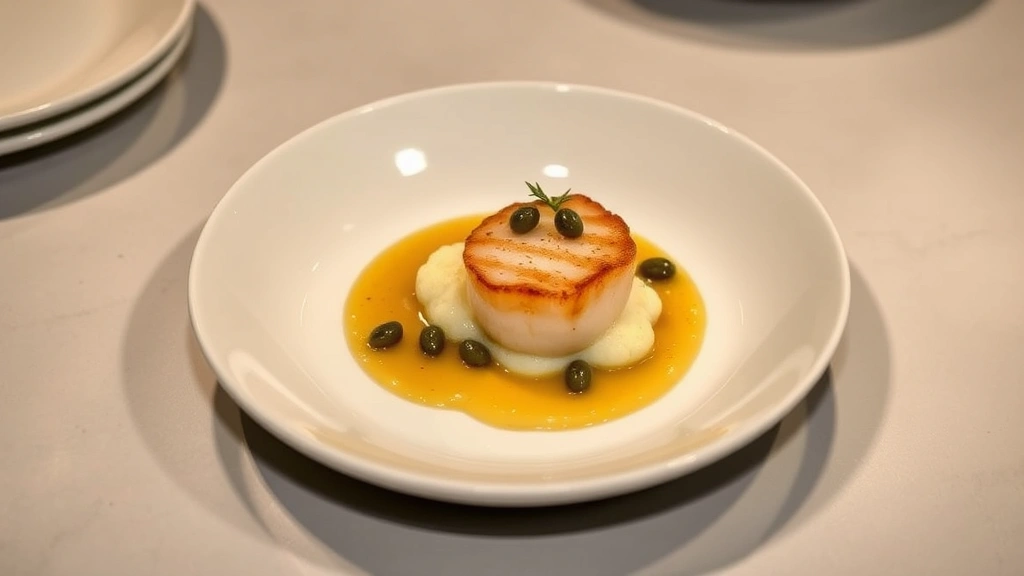
The menu at Scape demonstrates a chef at the peak of his powers, capable of executing dishes that appear deceptively simple yet reveal multiple layers of complexity upon the first bite. A dish of perfectly seared scallop arrives with a delicate cauliflower purée, crispy capers, and brown butter that has been coaxed to precisely the right shade of hazelnut brown. The scallop itself maintains a tender interior while its exterior achieves that golden crust that indicates proper technique and temperature control. Each element serves a purpose—the purée provides umami depth, the capers contribute acidic brightness, the brown butter adds richness and nutty complexity. Nothing on the plate exists by accident.
Scape’s approach to seasonal ingredients mirrors the philosophy of renowned culinary institutions like the Culinary Institute of America, where respecting ingredient integrity forms the foundation of professional cooking. During spring, delicate preparations highlight tender vegetables at their peak; summer brings bold, assertive flavors that match vibrant produce; autumn features earthy components that ground dishes in comfort; winter showcases the preservation techniques and concentrated flavors that define sophisticated cooking during months of scarcity. This seasonal progression ensures that every visit to Scape offers new discoveries while maintaining the restaurant’s signature style.
The beverage program deserves particular mention. Rather than simply offering wine pairings, Scape’s sommelier team engages in genuine dialogue with diners, understanding their preferences and guiding them toward selections that enhance rather than overshadow the food. Natural wines feature prominently, reflecting a modern sensibility that values complexity and character over predictability. The cocktail program, though modest, showcases spirits and techniques that complement the refined cuisine without competing for attention.
Restaurant 2: Adriana’s Restaurant
Adriana’s Restaurant occupies a special place in St. Louis’s culinary landscape as a guardian of Italian tradition who refuses to rest on historical laurels. This establishment, located in the Italian neighborhood, serves as a living museum of Old World cooking techniques while simultaneously pushing boundaries that other traditional restaurants fear to approach. The kitchen here understands that respecting tradition means understanding the principles beneath the recipes—knowing why ingredients combine in certain ways, how techniques developed to solve specific problems, and when innovation honors rather than betrays heritage.
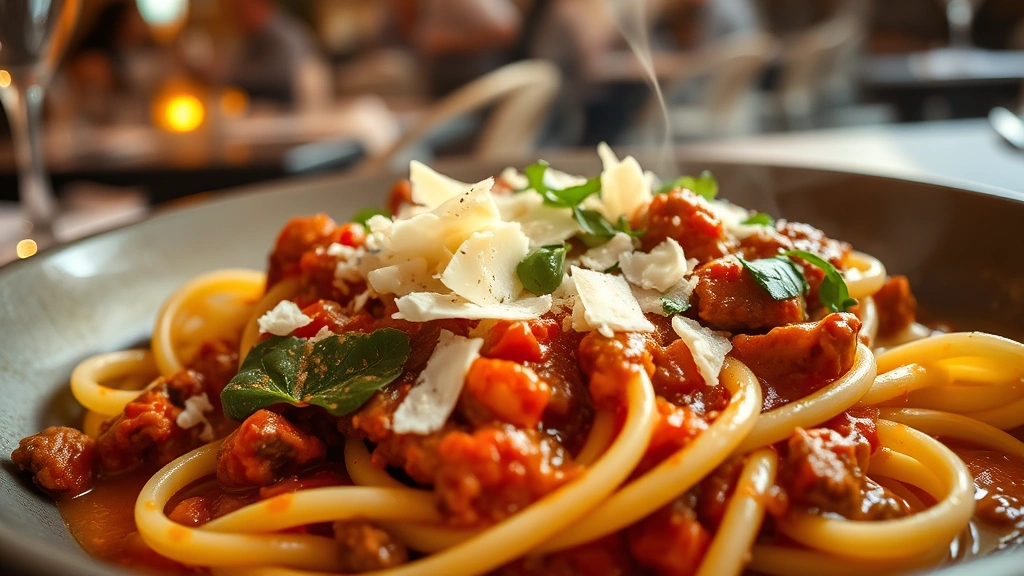
The handmade pasta at Adriana’s deserves its own paragraph of consideration. Each shape has been selected because it serves specific purposes—how it captures sauce, how it cooks, how it feels against the palate. Pappardelle, with its broad ribbons, cradles rich meat ragùs while maintaining enough surface area to achieve slight crispness at the edges when properly executed. Ravioli stuffed with seasonal vegetables or delicate proteins demonstrate that filling quality matters as much as pasta construction. The sauces—built through hours of patient cooking, careful straining, and precise seasoning—possess depth that commercial operations cannot achieve.
A signature dish of perfectly executed cacio e pepe reveals the restaurant’s philosophy. This deceptively simple preparation—pasta, Pecorino Romano cheese, and black pepper—requires absolute mastery. The cheese must emulsify into the pasta water without becoming grainy, the pepper must be toasted to release its volatile oils without burning into bitterness, the pasta must finish at precisely the right moment of doneness. Many restaurants fail at this dish because they underestimate its demands; Adriana’s succeeds because the kitchen respects what it’s attempting. The result is a dish that tastes both utterly familiar and remarkably refined.
If you’re exploring Italian cuisine in the region, you might also enjoy investigating best restaurants Santa Fe, which feature their own distinctive approaches to traditional cooking. The regional styles differ considerably, but the philosophy of respecting ingredients and technique remains constant across excellent establishments.
Restaurant 3: Sidney Street Cafe
Sidney Street Cafe operates as an intimate neighborhood establishment where Chef Kevin Nashan has cultivated a devoted following through consistent excellence and genuine hospitality. The restaurant’s modest size—fewer than 40 seats—creates an atmosphere where every diner receives genuine attention, where the chef can oversee each plate personally, and where the kitchen team maintains the focus necessary for consistent quality. This scale allows for the kind of flexibility that larger establishments struggle to achieve; if a particular ingredient arrives at peak perfection, the menu can shift to highlight it.
The flavor philosophy at Sidney Street emphasizes clarity and balance. Rather than piling technique upon technique or constructing dishes through sheer ingredient quantity, Chef Nashan believes that great food reveals itself through thoughtful simplification. A dish might feature a single protein prepared with meticulous attention, surrounded by a small number of carefully chosen accompaniments that illuminate rather than obscure. This approach requires tremendous confidence—there’s nowhere to hide when a plate contains only five elements, each of which must justify its presence.
The wine program here demonstrates particular sophistication, with selections that reflect genuine knowledge of how beverages interact with food. The sommelier understands that bold wine choices sometimes enhance dishes that predictable pairings would merely accompany. Natural and biodynamic wines feature prominently, reflecting a philosophy that mirrors the kitchen’s commitment to quality and authenticity. Prices remain remarkably reasonable for the quality provided, suggesting that the restaurant prioritizes accessibility over maximizing profit margins.
Seasonal menus at Sidney Street shift frequently—sometimes weekly—based on what the kitchen sources from local producers. This constant evolution means that returning customers discover new dishes while familiar preparations occasionally reappear in different forms. The restaurant’s commitment to this practice reflects genuine passion for cooking rather than a marketing strategy; the kitchen simply cannot help itself when exceptional ingredients arrive.
Restaurant 4: Missouri Athletic Club
The Missouri Athletic Club dining room represents a different expression of fine dining excellence—one rooted in classic technique and refined tradition rather than contemporary innovation. This historic establishment, housed in a magnificent building in downtown St. Louis, brings together the formal service standards of classical French tradition with a menu that celebrates both regional and international cuisines. The dining experience here transports visitors to an earlier era when fine dining meant formal dress, multiple courses, and an evening devoted entirely to the pleasure of eating and drinking.
The kitchen at Missouri Athletic Club maintains classical technique as its foundation while incorporating modern ingredients and sensibilities. Beef preparations showcase the quality of American cattle, prepared with sauces that require days of preparation and the kind of culinary knowledge that comes from decades of tradition. Fish courses demonstrate an understanding of how different species require different approaches—delicate white fish needs gentle treatment while richer varieties can withstand more assertive preparations. Vegetable preparations, often overlooked in classical cuisine, receive the same attention and technique as protein-based dishes.
The service at Missouri Athletic Club exemplifies the formal dining experience at its finest. Servers possess genuine knowledge of the menu and wine program, offering guidance without condescension. The pacing of courses allows adequate time for conversation and digestion between courses. Water glasses remain filled, plates arrive at the correct temperature, and the entire experience unfolds with the precision of a carefully choreographed performance. This level of service requires extensive training and genuine commitment to hospitality—qualities that seem increasingly rare in contemporary dining.
The wine cellar beneath Missouri Athletic Club rivals many of the finest wine programs in the country, with selections spanning decades and representing regions from across the globe. The sommelier team can navigate diners toward selections at virtually any price point, ensuring that the wine experience enhances rather than dominates the evening. Rare and vintage selections are available for those seeking them, but equally excellent wines at more modest prices provide exceptional value.
Restaurant 5: The Crossing
The Crossing stands apart as a restaurant where Chef James Beard Award-winning chef Nathaniel Kramer creates cuisine that reflects genuine creativity tempered by respect for ingredients and technique. This establishment, located in a historic St. Louis building, combines refined elegance with a certain casual warmth that makes fine dining feel accessible rather than intimidating. The dining room design balances sophistication with comfort, creating an environment where guests feel welcomed rather than judged.
Chef Kramer’s approach to menu development involves constant exploration of how flavors combine, how techniques from different culinary traditions can inform one another, and how the seasons should dictate what appears on the plate. His background in classical training provides the foundation necessary for the kind of innovation that feels earned rather than gimmicky. A dish might combine techniques from French cuisine with ingredients from Asia and presentations inspired by contemporary dining trends, yet somehow it all coheres into something that feels natural rather than forced.
The tasting menu format at The Crossing allows the kitchen to showcase the full scope of its capabilities. Rather than ordering individual dishes, diners surrender to the chef’s vision, discovering how courses build upon one another to create a complete narrative. This format requires absolute confidence in the kitchen’s abilities and genuine trust between restaurant and diner. The Crossing has earned that trust through consistent delivery of exceptional food that surprises without confusing, challenges without alienating.
When considering establishments like The Crossing alongside other regional destinations, you might explore how different cities approach fine dining. If you’re interested in how other regions execute sophisticated cuisine, investigating American restaurants Kissimmee offers interesting contrasts in regional approach and ingredient focus. Each destination brings its own sensibility to fine dining.
Dining Culture and Seasonal Excellence
St. Louis’s dining culture has matured significantly over the past decade, with educated consumers demanding quality that matches or exceeds establishments in larger culinary capitals. The success of restaurants like those reviewed here reflects a community that understands the relationship between ingredient quality, technique mastery, and culinary satisfaction. Food writers and critics, including those affiliated with organizations like the International Association of Culinary Professionals, have increasingly recognized St. Louis as a destination worthy of serious attention.
The seasonal rhythm that drives menu development at the city’s finest establishments connects diners to agricultural reality. Spring menus burst with tender greens, delicate vegetables, and lighter proteins that match the season’s energy. Summer celebrations showcase the abundance of peak-season produce, with bold flavors and vibrant presentations. Autumn transitions toward richer preparations as harvest vegetables offer earthiness and depth. Winter menus embrace preservation techniques—fermented components, stocks built from bones and vegetable scraps, concentrated flavors that provide comfort during darker months.
This seasonal commitment extends beyond mere menu variation. It represents a philosophical stance that eating should remain connected to agricultural cycles rather than insulated from them. When restaurants honor seasonality, they acknowledge that certain ingredients simply taste better at certain times, that respecting this reality produces more satisfying food than forcing ingredients across seasons. Diners who embrace this philosophy discover that each visit to a seasonally-driven restaurant feels fresh and exciting, even when returning to the same establishment multiple times per year.
The sourcing practices at St. Louis’s finest establishments deserve celebration. Direct relationships with farmers and producers ensure that quality standards align between grower and chef. This collaboration often results in restaurants requesting specific varieties or preparation styles from their suppliers, creating a feedback loop that encourages continuous improvement. Farmers who know their produce will be treated with respect and highlighted on menus find motivation to invest in quality over quantity. Chefs who work with dedicated growers gain access to ingredients that never appear in conventional distribution channels.
If you’re exploring the broader landscape of dining options in different regions, you might find it interesting to research Restaurant Week DC 2025, which offers insight into how other major cities celebrate their culinary scenes. These events often reveal emerging trends and highlight establishments gaining recognition.
The beverage programs at St. Louis’s finest restaurants have evolved dramatically, moving beyond wine to embrace the full spectrum of drinking possibilities. Craft cocktails made with house-made syrups and spirits selected for their character rather than their brand recognition have become standard. Non-alcoholic beverage pairings accommodate those who prefer them, with chefs creating sophisticated combinations of juices, infusions, and fermented components that provide complexity matching the food. Beer programs have similarly matured, with selections chosen based on how they interact with specific dishes rather than simply offering variety.
For those interested in the broader restaurant landscape, understanding how establishments operate provides valuable context. If you’re curious about the business side of dining, exploring topics like restaurants for sale reveals how the industry functions. Similarly, staying informed about restaurant chain closing news helps diners understand broader industry trends.
FAQ
What makes St. Louis cuisine distinctive?
St. Louis cuisine reflects the city’s position as a cultural crossroads, blending German, Italian, and African American culinary traditions. The region’s most iconic dishes—particularly toasted ravioli—demonstrate how simple ingredients prepared with meticulous technique create memorable flavors. Contemporary St. Louis restaurants honor these traditions while exploring new possibilities, creating a dining scene that respects heritage without remaining frozen in history.
How far in advance should I book reservations at these restaurants?
Popular establishments like Scape Restaurant and The Crossing often require reservations weeks in advance, particularly for weekend dining. Sidney Street Cafe, with its intimate size, fills quickly despite seating fewer than 40 guests. Missouri Athletic Club typically accommodates reservations with somewhat more flexibility due to its larger capacity, though special occasions should still be booked in advance. Contact restaurants directly for current availability and any specific requests.
Do these restaurants accommodate dietary restrictions?
All five establishments reviewed here work actively with diners to accommodate dietary restrictions and preferences. Inform the restaurant of any requirements when making reservations, allowing adequate time for the kitchen to plan modifications. Most chefs view dietary accommodations as an opportunity to demonstrate their creativity rather than an inconvenience, creating dishes that satisfy restrictions while maintaining culinary excellence.
What is the typical price range for dining at these restaurants?
Scape Restaurant and The Crossing typically charge $100-$200+ per person for tasting menus, while Adriana’s Restaurant offers more moderate pricing ($30-$60 per entree). Sidney Street Cafe falls in the mid-range ($50-$100 per person), while Missouri Athletic Club varies depending on selections but typically runs $75-$150+ per person. Wine pairings and beverages are additional charges at all establishments.
Are these restaurants appropriate for special occasions?
All five restaurants excel at hosting special occasions, from romantic dinners to business celebrations to milestone anniversaries. The service teams understand how to make occasions feel memorable, and the food consistently impresses. Many restaurants offer special menus or can coordinate with the kitchen to create personalized experiences when notified in advance.
How does seasonality affect dining experiences at these restaurants?
Seasonal menus mean that returning visitors discover entirely new dishes while familiar preparations occasionally reappear in different forms. Spring through early summer features lighter preparations and delicate vegetables, while autumn and winter embrace richer components and deeper flavors. This constant evolution encourages repeat visits and deepens connections between diners and establishments.
What should I know about wine pairings at these establishments?
Each restaurant maintains a sophisticated wine program curated by knowledgeable sommeliers. Rather than simply offering standard pairings, these professionals engage in genuine conversation with diners, understanding preferences and guiding toward selections that enhance the meal. Natural wines, biodynamic selections, and lesser-known regions feature prominently alongside classics. Price points accommodate various budgets without compromising quality.


