
Best Rome Restaurants? Local Foodie’s Guide to Authentic Italian Cuisine
Rome isn’t just a city of ancient monuments and cobblestone streets—it’s a living, breathing culinary capital where every corner trattoria tells a story of generations-old recipes and passionate food traditions. Whether you’re wandering through the winding alleys of Trastevere or crossing the Tiber toward the Vatican, the question isn’t whether you’ll find exceptional food, but rather which unforgettable dining experience will claim your palate first.
As a dedicated food explorer who has spent countless evenings navigating Rome’s restaurant scene, I’ve discovered that the city’s greatest culinary treasures often hide behind modest facades, where the aroma of simmering ragù and freshly made pasta dough speaks louder than any Michelin star. This guide reveals the best Rome restaurants that locals actually frequent, places where tradition meets innovation, and where every fork-full transports you deeper into Italian gastronomic heritage.
Classic Trattorias: Where Tradition Lives
The soul of Rome’s dining scene pulses through its trattorias—unpretentious establishments where red-and-white checked tablecloths and warm lighting create an atmosphere that feels like dining in a beloved grandmother’s home. These aren’t restaurants designed to impress; they’re created to nourish, to celebrate, and to preserve culinary traditions that have survived centuries.
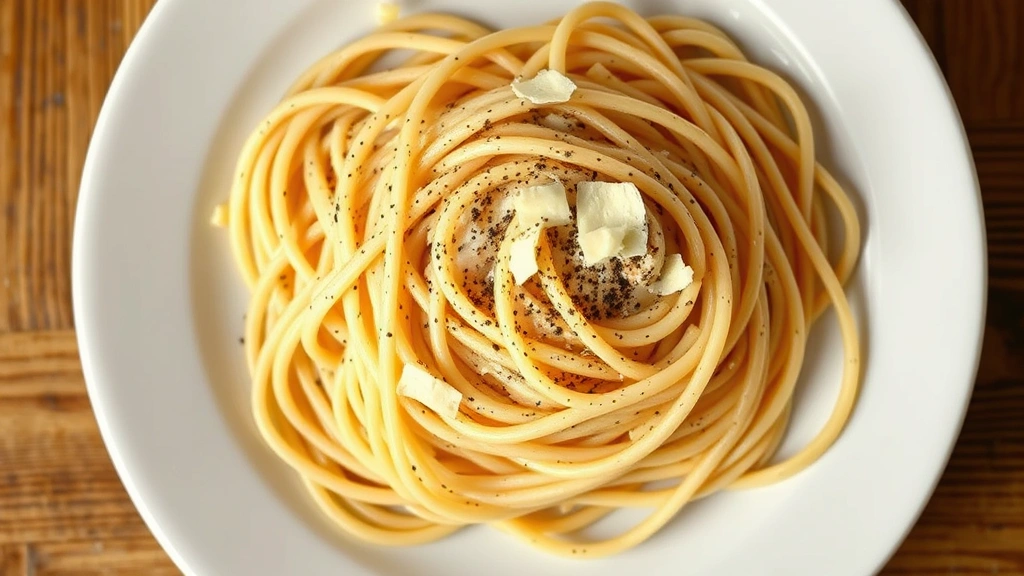
Walking into a genuine Roman trattoria, you’ll notice the absence of laminated menus. Instead, a waiter recites the day’s offerings with the confidence of someone who has tasted every dish multiple times. The pasta here isn’t merely cooked al dente—it’s a textural experience where the exterior yields just enough to reveal a core with subtle resistance, perfectly engineered to cradle sauce. The cacio e pepe, Rome’s most iconic pasta, becomes a meditation on simplicity when prepared correctly: just Pecorino Romano cheese, black pepper, and pasta water combined into a silky, peppery coating that clings to each strand.
Carbonara in these settings transcends the creamy sauce debate entirely. Authentic Roman carbonara uses guanciale (cured pork jowl), not bacon or pancetta, because guanciale’s fat renders at a specific temperature, creating a flavor profile that includes notes of smoke, salt, and subtle sweetness impossible to replicate. The Pecorino and egg yolk mixture never touches heat directly; instead, the residual warmth of the pasta cooks it into a glossy, cohesive sauce that somehow feels both decadent and light.
For family restaurants near me experiences with authentic Roman warmth, these trattorias excel. The communal dining ethos means families spill across tables, children run between courses while adults linger over wine, and strangers become temporary companions bound by the shared language of exceptional food.
Modern Italian Fine Dining
Beyond the checkered tablecloths lies Rome’s sophisticated fine dining scene, where chefs reinterpret classical Italian cuisine through contemporary techniques and plating aesthetics. These restaurants honor tradition while pushing boundaries, using sous-vide preparation, molecular gastronomy, and artistic presentation to elevate familiar flavors into unexpected dimensions.
The best modern Italian restaurants in Rome understand that innovation without respect for foundational flavors becomes mere novelty. A deconstructed cacio e pepe might feature crispy pasta shards, a silky cheese foam, and cracked pepper dust arranged on white porcelain, but the fundamental taste profile—that salty, peppery intensity—remains recognizable and true. Chefs source ingredients with obsessive precision, collaborating directly with producers to ensure each component meets exacting standards.
These establishments often feature tasting menus that tell seasonal stories. Spring menus celebrate artichokes in their infinite preparations: raw shaved thin with lemon and Pecorino, braised until tender, transformed into silky purées. Summer menus showcase tomatoes at peak ripeness, their acidity and sweetness properly balanced rather than masked by heavy sauces. Autumn brings wild mushrooms and game, while winter features preserved vegetables and rich, warming broths.
The wine programs at these restaurants reflect serious study. Sommeliers understand that a wine’s compatibility with a dish extends beyond basic pairing theory—they consider how specific tannins interact with sauce composition, how acidity cuts through richness, how subtle mineral notes complement delicate preparations. Date night restaurants of this caliber transform dining into an experience worthy of intimate celebration.
Trastevere’s Hidden Culinary Jewels
Trastevere, with its ivy-draped buildings and winding medieval streets, represents Rome’s most atmospheric dining neighborhood. While tourist traps proliferate near major piazzas, locals know the quiet side streets where genuine trattorias serve regulars who’ve occupied the same tables for decades.
The beauty of Trastevere dining lies in its authenticity. You’ll find restaurants where the chef is simultaneously the owner, waiter, and someone’s uncle, bringing dishes to your table with personal pride. These establishments rarely advertise; they survive through reputation and word-of-mouth recommendations passed between generations of Romans.
The food here emphasizes Rome’s cucina povera—the peasant cooking that transformed humble ingredients into profound dishes. Offal appears frequently: calf’s liver cooked with onions until the exterior caramelizes while the interior remains pink and tender; tripe stewed in tomato sauce until it becomes silky and absorbs every nuance of the broth; ox tail braised for hours until the meat practically dissolves from bone.
These dishes might sound intimidating to uninitiated palates, but they represent the true essence of Italian culinary wisdom—the understanding that every part of an animal deserves respect and proper preparation. Eating calf’s brain prepared by a Trastevere chef becomes a revelation about texture and subtle flavor, not an exotic dare.
Campo de’ Fiori Area Dining
Campo de’ Fiori’s morning market—where vendors arrange produce in geometric patterns of color and abundance—transforms into a dining destination come evening. The piazza’s surrounding restaurants range from casual to elegant, but the best ones maintain a neighborhood feeling despite their prime real estate.
Dining here, you’re surrounded by the energy of Rome’s centro storico. The piazza itself becomes part of the experience: musicians play beneath Renaissance buildings, locals pass between tables greeting friends, the atmosphere feels simultaneously touristy and authentically Roman. The key is choosing restaurants where the kitchen respects the ingredients displayed at the morning market.
Look for establishments that change their menus based on what’s available—restaurants that feature asparagus when it’s in season, that celebrate zucchini blossoms for their brief window of availability, that understand produce has rhythms and moments of peak perfection. This approach to sourcing ensures flavors remain vibrant and seasonal rather than standardized year-round.
Seafood Specialists Worth Seeking
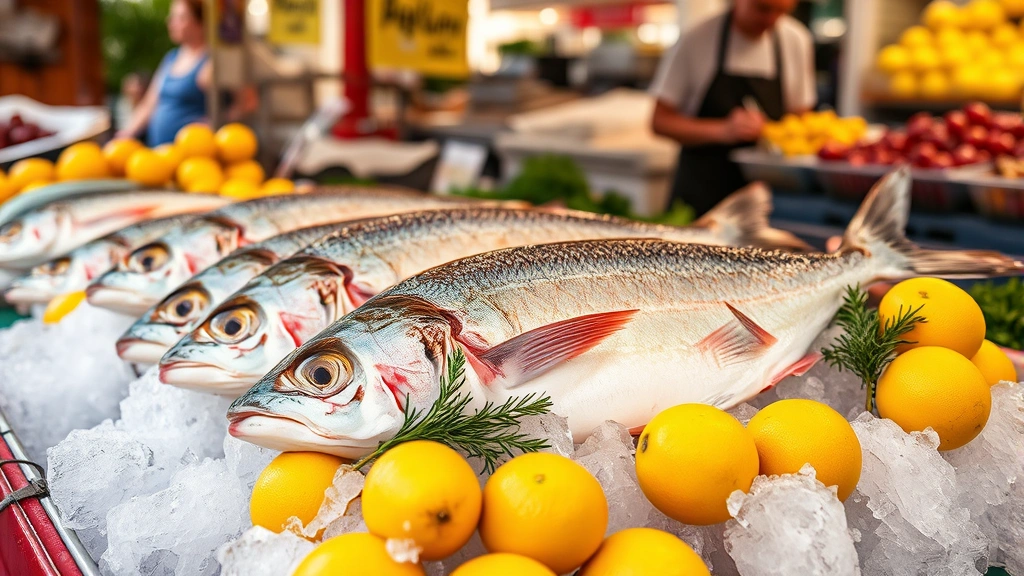
Though Rome sits inland, the city’s seafood restaurants maintain extraordinary quality by sourcing directly from Mediterranean ports. The best seafood establishments receive daily deliveries of fish so fresh that their flesh still possesses a subtle firmness, their aroma speaks of ocean rather than ice.
Roman seafood preparation emphasizes simplicity. Whole fish grilled over charcoal with only salt, pepper, and perhaps a squeeze of lemon allows the natural brininess and delicate flesh to shine. Pasta with seafood—whether clams, mussels, or tiny local shrimp—features sauce rather than cream, allowing the briny, sweet flavors of the sea to remain prominent.
These restaurants often feature raw preparations: sea urchin with just lemon juice, the creamy roe’s oceanic sweetness unmasked; octopus sliced thin and dressed with excellent olive oil and sea salt; scallops barely kissed by acid, their natural sweetness preserved. Understanding when to cook and when to leave ingredients raw represents a cornerstone of Roman seafood wisdom.
Neighborhood-by-Neighborhood Exploration
Rome’s best dining experiences often emerge through neighborhood exploration rather than guidebook consultation. Each rione (neighborhood) maintains distinct culinary character reflecting its history and inhabitants.
Testaccio: Once Rome’s working-class neighborhood, Testaccio preserves culinary traditions most fiercely. The famous Testaccio Market remains a morning pilgrimage for serious cooks. Restaurants here celebrate the neighborhood’s historical role in meat processing, featuring offal preparations that have become increasingly rare. The flavors are assertive, the portions generous, the atmosphere convivial.
Monti: This hillside neighborhood combines old-school trattorias with newer establishments run by chefs trained elsewhere who’ve returned to Rome. The mix creates interesting culinary dialogue—traditional dishes appear alongside creative reinterpretations. Monti’s winding streets contain numerous small restaurants, each occupying tight spaces that create intimate dining despite crowded conditions.
San Lorenzo: A university neighborhood with bohemian character, San Lorenzo attracts young chefs experimenting with Italian traditions. You’ll find vegetarian restaurants and innovative concepts alongside classic trattorias, reflecting the neighborhood’s youthful, progressive energy.
Prati: Near the Vatican, Prati maintains a more residential character than central areas. Restaurants here serve locals rather than tourists, meaning quality standards remain high and prices stay reasonable. The neighborhood feels less atmospheric than Trastevere but offers authentic Roman dining without the historical ambiance’s premium pricing.
Vegetarian and Vegan Excellence
Rome’s vegetarian and vegan dining scene has expanded dramatically, moving beyond simple vegetable sides to celebrate plant-based cooking as a sophisticated culinary approach. The city’s abundant markets provide inspiration: artichokes in dozens of varieties, tomatoes in infinite shades, leafy greens that change seasonally.
The best healthy food restaurants near me in Rome understand that vegetable-forward cooking requires the same technique and precision as meat-based cuisine. A simple pasta with tomato and basil demands perfectly ripe tomatoes, impeccable basil, excellent olive oil, and precise cooking timing—there’s nowhere for poor quality to hide.
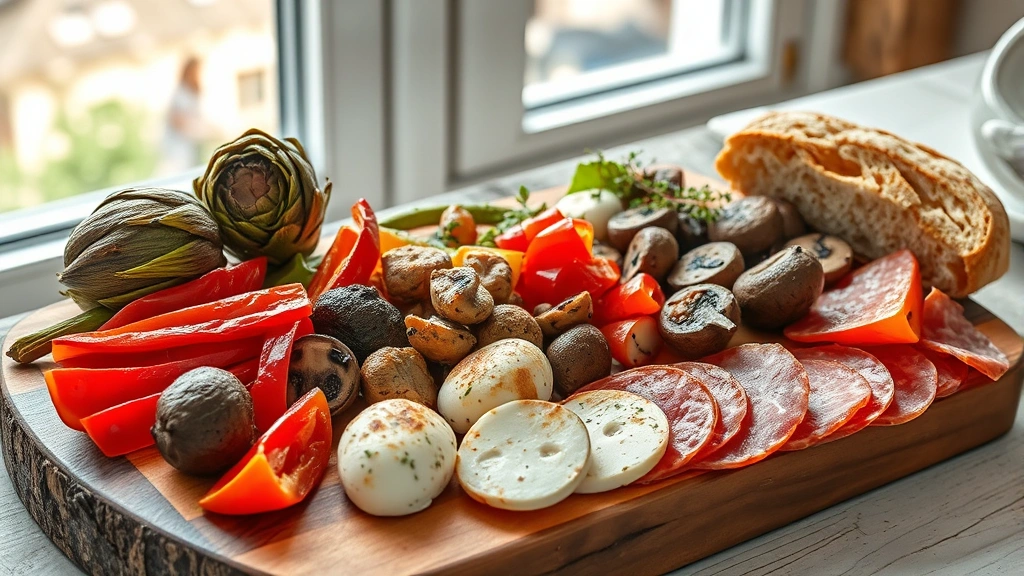
Vegetable-based antipasti showcase this philosophy: roasted peppers with garlic and herbs, their skins charred and flesh tender; eggplant caponata with the proper balance of sweet raisins, tart vinegar, and briny capers; mushrooms marinated in olive oil and herbs, developing deeper flavors over time.
These restaurants often feature legume-based dishes that counter Italian cuisine’s meat-heavy reputation. Roman pasta e fagioli becomes a study in technique when done properly—the broth perfectly seasoned, beans cooked until creamy, pasta added at the ideal moment so it absorbs flavors while maintaining textural integrity.
FAQ
What makes an authentic Roman restaurant versus a tourist trap?
Authentic Roman restaurants typically lack laminated menus, don’t have staff aggressively recruiting people from the street, feature handwritten daily specials, and often don’t accept credit cards exclusively. The clientele includes locals dining during off-peak hours, not just tourists. Prices, while not necessarily cheap, reflect ingredient quality rather than location premium.
Should I make reservations at Rome restaurants?
For fine dining establishments and popular trattorias, absolutely. Many restaurants book completely for dinner service. Lunch offers more flexibility, particularly on weekdays. Reservations also signal seriousness—restaurants often prepare special dishes for guests who’ve booked in advance.
When do Romans actually eat dinner?
Dinner service typically begins around 7:30 or 8:00 PM, with peak dining between 8:30 and 10:00 PM. Arriving earlier often means empty restaurants; arriving later means joining the main rush. Many restaurants close between lunch and dinner service, typically 3:00 to 7:00 PM.
How does Roman cuisine differ from other Italian regional cuisines?
Roman cuisine emphasizes simplicity, quality ingredients, and specific traditional dishes. Unlike Tuscany’s relationship with steak or Piedmont’s focus on truffles, Rome celebrates pasta, offal, and seasonal vegetables. The cooking philosophy prizes technique over innovation, tradition over trend.
What’s the difference between a trattoria and a ristorante?
Trattorias traditionally offer casual, home-style cooking at moderate prices with simpler service and atmosphere. Ristorantes provide more formal dining, refined service, and typically higher prices. However, this distinction blurs in modern Rome—many trattorias offer exceptional food rivaling ristorantes, while some ristorantes feel pretentious rather than refined.
Are there good restaurant options for kid-friendly restaurants near me in Rome?
Yes—Romans dine with children regularly, and many restaurants welcome families enthusiastically. Trattorias particularly embrace children, often offering simple pasta dishes and creating a convivial atmosphere where kids feel comfortable. Focus on neighborhood establishments rather than tourist-zone restaurants for the best family experiences.
How do I navigate Roman restaurant etiquette?
Waiters won’t rush you—lingering is expected and respected. You’ll typically order courses sequentially rather than all at once. Asking for recommendations shows respect for the kitchen’s expertise. Tipping isn’t obligatory but leaving 5-10% for exceptional service is appreciated. Never ask for parmesan for seafood pasta; this violates fundamental culinary principles.
What resources help identify quality restaurants beyond guidebooks?
Consulting Eataly’s dining recommendations provides expert perspectives from Italian food authorities. Identità Golose, a prestigious Italian culinary publication, features detailed restaurant reviews and culinary trends. World’s 50 Best Restaurants includes Italian establishments and provides international perspective on Rome’s dining scene. The Accademia Italiana della Cucina (Italian Academy of Cuisine) offers authoritative guidance on authentic Italian dining traditions. Finally, consulting Great Italian Chefs provides insights from professional culinary practitioners about Rome’s restaurant landscape.
How do seasonal changes affect Rome restaurant menus?
Seasonal ingredients dramatically influence what restaurants serve. Spring brings artichokes, asparagus, and fava beans. Summer celebrates tomatoes, zucchini, and stone fruits. Autumn features mushrooms, grapes, and game. Winter emphasizes preserved vegetables, citrus, and rich, warming preparations. Restaurants respecting seasonality offer more vibrant, flavorful dishes than those maintaining identical menus year-round.