Best Dishes in Safety Harbor: Local Foodie Reviews
Safety Harbor, Florida, nestled along the picturesque Tampa Bay coastline, has quietly cultivated a vibrant culinary scene that rivals much larger metropolitan areas. This charming waterfront community, known for its mineral springs and relaxed Gulf Coast atmosphere, has become a destination for discerning diners seeking authentic flavors, innovative cuisine, and warm hospitality. From intimate bistros overlooking the bay to casual neighborhood gems, Safety Harbor restaurants showcase the region’s commitment to culinary excellence and locally-sourced ingredients.
What makes Safety Harbor’s dining landscape particularly compelling is the diversity of culinary traditions represented here. Whether you’re craving fresh Gulf seafood prepared with classical French techniques, contemporary American comfort food elevated with seasonal produce, or international cuisines reflecting the area’s multicultural community, Safety Harbor delivers memorable gastronomic experiences. The restaurant owners and chefs who’ve chosen to establish their establishments here share a passion for quality, sustainability, and creating spaces where food becomes a conversation starter and meals transform into cherished memories.
As a dedicated food enthusiast who has extensively explored Safety Harbor’s restaurant scene, I’ve discovered hidden culinary treasures that deserve recognition. This comprehensive guide highlights the best dishes across various establishments, providing insights into flavor profiles, ingredient quality, and the passionate culinary minds behind these creations. Whether you’re a local seeking new dining adventures or a visitor planning your gastronomic journey, this review will guide you toward the most exceptional culinary experiences Safety Harbor has to offer.
Waterfront Dining and Fresh Seafood Excellence
Safety Harbor’s geographic position along Tampa Bay provides unparalleled access to the freshest Gulf seafood, and the finest restaurants in the area leverage this advantage masterfully. The morning fish deliveries from local boats ensure that diners enjoy catch that arrived at the docks mere hours before it graces their plates. This proximity to pristine seafood sources fundamentally shapes the culinary identity of Safety Harbor’s most celebrated establishments.
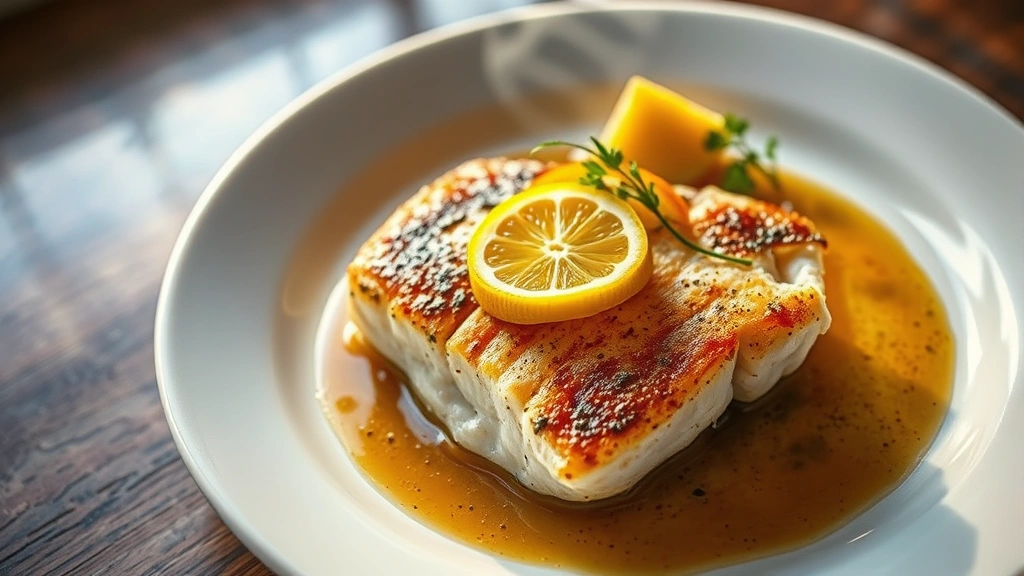
One standout preparation that consistently earns accolades is the pan-seared grouper with brown butter and citrus beurre blanc. The grouper, a prized Gulf fish known for its delicate, slightly sweet flesh and firm texture, arrives at the restaurant’s kitchen in perfect condition. Skilled chefs carefully pat the fish dry, season it minimally with sea salt and white pepper, and sear it skin-side down in a screaming-hot cast iron skillet until the skin achieves an impossibly crispy exterior while the flesh remains moist and tender. The brown butter sauce, infused with nutty, toasted notes from the milk solids, provides richness that complements rather than overwhelms the fish’s natural flavors. A squeeze of fresh lemon and lime juice, along with a whisper of orange zest, brightens the plate with citrus aromatics that awaken the palate.
Another exceptional seafood preparation found throughout Safety Harbor is the stone crab claws, a seasonal delicacy available during the fall and winter months. These succulent appendages, harvested sustainably with only one claw taken from each crab to allow regeneration, possess sweet, tender meat with a texture reminiscent of lobster. When served chilled with mustard-based dipping sauce—a traditional Florida preparation—the contrasting temperatures and flavors create a sensory experience that captures the essence of Gulf Coast dining. The slight brininess of the crab meat pairs beautifully with the tangy, slightly spicy mustard sauce that often incorporates Dijon mustard, whole grain mustard, mayonnaise, and a touch of hot sauce.
Shrimp preparations showcase another facet of Safety Harbor’s seafood prowess. Succulent Gulf shrimp, larger and more flavorful than their farmed counterparts, appear in preparations ranging from simple grilled preparations with garlic and herbs to more complex preparations featuring Asian-inspired sauces with ginger, soy, and sesame. The natural sweetness of Gulf shrimp requires minimal embellishment—quality shrimp prepared with respect for the ingredient itself delivers the most memorable dining experiences. When chefs recognize that their ingredient is exceptional, they resist the temptation to mask it with heavy sauces, instead allowing the shrimp’s inherent briny sweetness to shine.
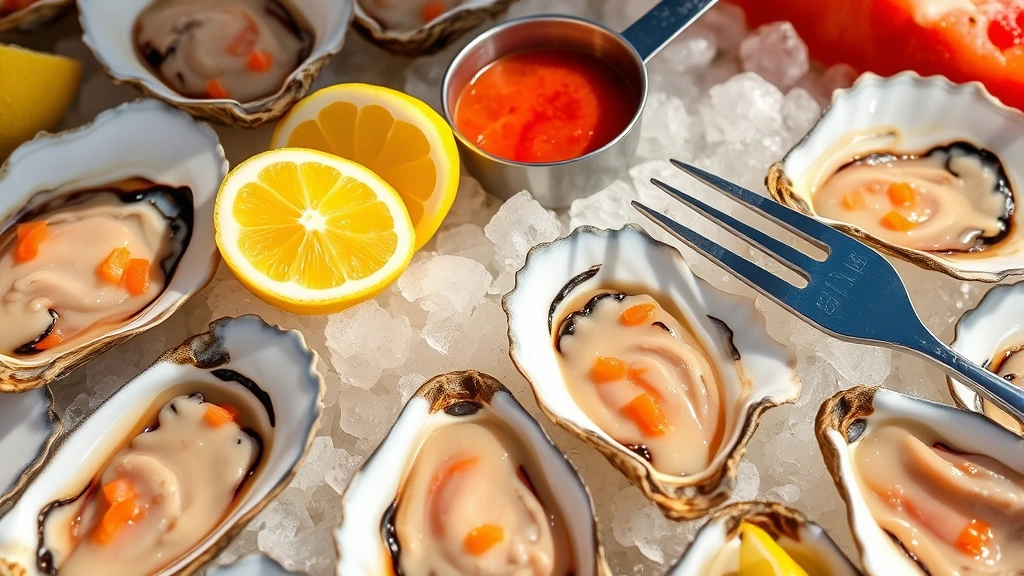
Oyster preparations vary seasonally, with cooler months bringing the most flavorful specimens. Whether served raw on the half shell with mignonette sauce, chargrilled with herb butter, or incorporated into creamy stews, Safety Harbor’s oysters reflect the specific terroir of the Gulf waters. The subtle variations in salinity, temperature, and mineral content of different growing areas impart distinct flavor characteristics that educated palates can identify and appreciate. A proper oyster tasting, served in progression from lighter to more mineral-forward specimens, educates the palate about the nuances within a single shellfish species.
The preparation of fish stock and seafood broths throughout Safety Harbor’s restaurants demonstrates the commitment to traditional culinary technique. Rather than relying on commercial bases or shortcuts, dedicated chefs simmer fish bones, shrimp shells, and vegetable scraps for hours, creating deeply flavorful foundations for soups, sauces, and risottos. These homemade stocks carry subtle briny notes and umami depth that elevate every dish they touch, representing the difference between competent and exceptional seafood cuisine.
Contemporary American Cuisine with Local Flair
Beyond seafood, Safety Harbor’s culinary scene embraces contemporary American cuisine that celebrates local and seasonal ingredients. This approach, influenced by the farm-to-table movement championed by organizations dedicated to sustainable culinary practices, has taken deep root in the community. Chefs maintain relationships with local farmers, ranchers, and artisanal producers, building menus around what’s available at peak ripeness and flavor.
Perfectly executed burgers represent a category where Safety Harbor restaurants distinguish themselves. Using high-quality beef sourced from local ranches, these establishments grind their own meat blends, often incorporating different cuts to achieve optimal fat content and flavor. The burger is cooked to precise temperatures—medium-rare for maximum juiciness—and topped with carefully considered accompaniments. Caramelized onions, aged cheddar or smoked gouda, crispy bacon, fresh lettuce, ripe tomato, and house-made pickles elevate the humble burger into a composed dish worthy of serious culinary attention. The choice of bun matters enormously; artisanal bakeries in the area produce brioche buns with tender crumb and subtle sweetness that complement beef without overwhelming it.
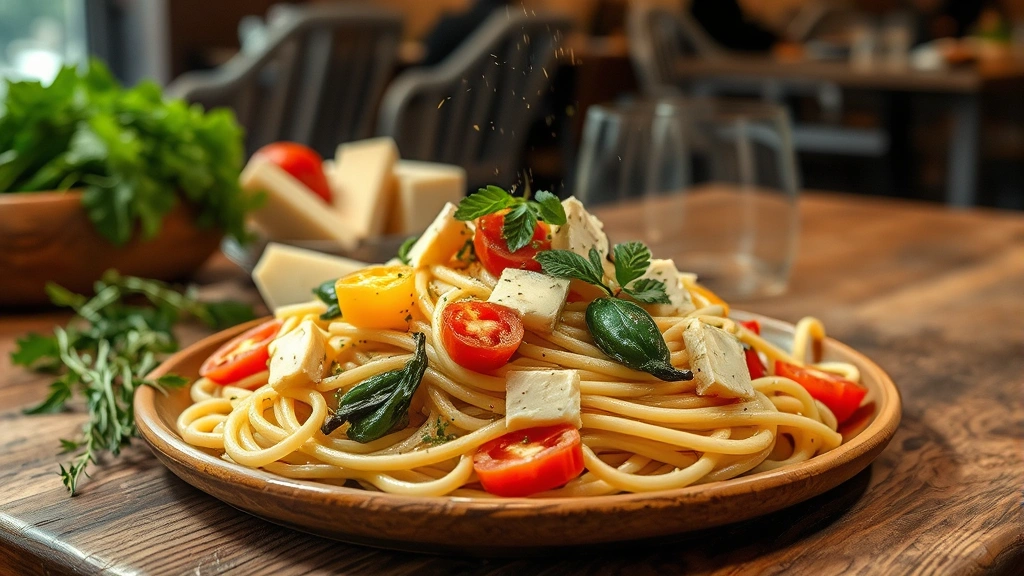
Pasta dishes prepared fresh in-house showcase another dimension of Safety Harbor’s contemporary American approach. Handmade pasta shapes, crafted from high-protein durum flour and fresh eggs, possess a tender yet slightly toothsome texture fundamentally different from dried pasta. When tossed with seasonal vegetables, locally-raised proteins, and carefully balanced sauces, these preparations capture the essence of Italian tradition while reflecting American ingredient availability. A cacio e pepe made with fresh pasta, aged Pecorino Romano, and cracked black pepper becomes a meditation on simplicity and balance—three ingredients combined with technique to create something greater than the sum of its parts.
Roasted chicken, prepared whole and served with seasonal vegetables and pan sauce, demonstrates the appeal of classical technique applied to quality ingredients. When a bird is sourced from a local farm where the chickens enjoyed outdoor access and proper diet, the meat develops richer flavor and superior texture compared to conventional poultry. The skin, properly seasoned and roasted until golden and crispy, provides textural contrast to the tender, juicy meat beneath. The pan sauce, created by deglazing the roasting pan with stock and wine, captures all the flavorful fond and transforms it into a silky accompaniment that ties the entire plate together.
Steak preparations at Safety Harbor restaurants reflect the broader American tradition of beef excellence. Dry-aged beef, aged in temperature and humidity-controlled environments for 21 to 45 days, develops intensified beef flavor and a more tender texture as enzymes break down muscle fibers. The concentrated umami notes and slightly funky, almost mushroom-like undertones that develop during aging create a profoundly different eating experience compared to fresh beef. A properly cooked dry-aged ribeye or New York strip, finished with fleur de sel and fresh cracked pepper, showcases what happens when quality ingredients meet proper technique.
Vegetable-forward dishes deserve equal recognition in Safety Harbor’s contemporary American scene. Roasted root vegetables, charred seasonal greens, and composed salads featuring local lettuces and heirloom tomatoes demonstrate that vegetable cookery can be as sophisticated and satisfying as meat preparations. Grilled asparagus with romesco sauce, charred broccoli with garlic and chili, and roasted beets with goat cheese and walnuts showcase vegetables at their peak, prepared with respect for their inherent flavors and textures.
International Flavors and Global Inspirations
Safety Harbor’s multicultural community has fostered a diverse culinary landscape where international cuisines are prepared with authenticity and respect for traditional techniques. Rather than Americanized interpretations, many establishments feature chefs trained in their respective culinary traditions, bringing genuine expertise to their cuisines.
Mediterranean cuisine, with its emphasis on olive oil, fresh vegetables, herbs, and seafood, finds natural expression in Safety Harbor’s climate and ingredient availability. Greek preparations featuring feta cheese, Kalamata olives, fresh oregano, and lemon create bright, refreshing dishes that complement the warm Gulf Coast climate. A proper Greek salad—featuring ripe tomatoes, crisp cucumbers, red onion, creamy feta, and briny olives, dressed simply with excellent olive oil and oregano—becomes a study in balance and ingredient quality. Italian cuisines, from rustic Tuscan preparations to refined Northern Italian techniques, showcase the breadth of Italian culinary tradition. Organizations dedicated to culinary education and professional development recognize that proper Italian cooking relies on understanding regional traditions and respecting ingredient quality.
Asian cuisines represented in Safety Harbor range from Thai to Japanese to Vietnamese traditions. Thai curries, prepared with fresh paste made from chilies, garlic, galangal, and lemongrass, deliver complex heat and aromatic depth. The balance of spicy, sour, salty, and sweet that defines Thai flavor profiles educates the palate about sophisticated seasoning approaches. Japanese preparations emphasizing simplicity and ingredient quality—sashimi, nigiri sushi, and carefully prepared broths—appeal to diners seeking refined, minimalist approaches to cooking. Vietnamese pho, a complex broth simmered for hours with spices like star anise, cinnamon, and clove, demonstrates how slow cooking extracts maximum flavor from humble ingredients.
Spanish cuisine, particularly tapas traditions, has gained popularity in Safety Harbor establishments offering small plates and shared dishes. Patatas bravas—fried potatoes with spicy and aioli sauces—provide textural contrast and bold flavors. Jamón ibérico, the prized cured ham from black Iberian pigs, showcases how proper curing and aging develop complex, deeply savory flavors. Gambas al ajillo, succulent shrimp prepared with abundant garlic and olive oil, demonstrate that simple preparations executed with quality ingredients create memorable dishes.
Mexican cuisine, represented through both casual and refined establishments, ranges from street food classics to elevated preparations. Ceviche, where fresh fish is “cooked” by citrus acid, requires impeccably fresh fish and careful timing to achieve the perfect texture. The bright acidity of lime juice, combined with the heat of fresh chilies and the herbaceous notes of cilantro, creates a palate-awakening dish. Mole sauces, complex preparations featuring dozens of ingredients including chilies, spices, nuts, and chocolate, represent some of the most sophisticated flavor combinations in any cuisine. These labor-intensive sauces, often prepared by hand using traditional methods, deserve deep respect and appreciation.
Casual Dining Gems and Hidden Neighborhood Favorites
While fine dining establishments receive attention, Safety Harbor’s casual dining scene deserves equal recognition. Neighborhood restaurants, often family-owned and operated, provide authentic, unpretentious dining experiences where passion for food shines through in every dish.
Breakfast and brunch preparations showcase the creativity of Safety Harbor’s chefs working with simple, fundamental ingredients. Perfectly executed eggs—whether scrambled with delicate creaminess, fried with crispy edges and runny yolks, or prepared as omelets filled with quality cheeses and vegetables—demonstrate proper technique applied to basic cookery. Pancakes made from scratch, fluffy yet substantial, topped with fresh berries and pure maple syrup, provide comfort and satisfaction. Hash browns, whether shredded and pan-fried until crispy or diced and roasted until golden, showcase potatoes’ versatility. Professional culinary organizations recognize that mastering fundamental techniques is essential for all chefs, regardless of cuisine or establishment type.
Sandwich culture thrives in Safety Harbor’s casual establishments. Pulled pork sandwiches, where pork shoulder is slow-cooked for hours until tender enough to shred, develop deep, smoky flavors when prepared with proper smoking techniques. Muffuletta sandwiches, featuring Italian meats and a distinctive olive salad, showcase New Orleans traditions. Philly cheesesteaks, when prepared with quality beef, proper cheese, and fresh rolls, become satisfying handheld meals. The quality of bread fundamentally impacts sandwich excellence—artisanal bakeries throughout the area produce rolls and loaves that elevate every sandwich they cradle.
Soup preparations, often overlooked in casual dining, represent opportunities for showcasing culinary skill. A proper minestrone, loaded with seasonal vegetables, beans, and pasta in a tomato-based broth, provides nourishment and satisfaction. Clam chowder, whether New England style with cream or Manhattan style with tomato, demonstrates the importance of proper technique in extracting clam flavor into the broth. Gumbo, with its dark roux base and complex flavor development, showcases Creole culinary traditions.
Fried chicken, when prepared properly, achieves crispy exterior and juicy, tender meat. The buttermilk marinade tenderizes the meat while imparting subtle tang, and the seasoned flour coating, fried at the proper temperature, creates a satisfying crunch. Side dishes—creamy coleslaw, buttered corn, biscuits with honey—round out these comfort food classics. For those interested in recreating such dishes at home, exploring easy fish recipes can inspire similar approaches to seafood preparation.
Seasonal Menus and Chef-Driven Innovation
Progressive Safety Harbor restaurants embrace seasonality, changing their menus as ingredient availability shifts throughout the year. This approach, fundamental to sustainable and flavorful cooking, requires chefs to maintain relationships with local producers and understand seasonal rhythms.
Spring menus feature tender asparagus, fresh peas, young lettuces, and the first berries. Chefs highlight these delicate vegetables with minimal cooking, allowing their fresh, subtle flavors to shine. Spring lamb, more tender and flavorful than year-round offerings, appears in preparations celebrating the season’s renewal and fresh energy.
Summer brings abundance—ripe tomatoes at peak flavor, fresh corn, stone fruits, and berries. These ingredients require minimal embellishment; a perfectly ripe tomato with quality olive oil, fleur de sel, and fresh basil becomes a dish worthy of celebration. Grilled preparations take advantage of warm weather and outdoor cooking opportunities. The char from grilling adds complexity to vegetables and proteins alike.
Fall introduces root vegetables, squashes, and game meats. Butternut squash, roasted until caramelized and tender, develops deep, sweet, nutty flavors. Mushrooms flourish, providing earthy umami to preparations. Venison and duck, more flavorful than spring offerings, pair beautifully with fall’s warming spices and rich sauces.
Winter, though seemingly limited, offers opportunities for braises, stews, and slow-cooked preparations that develop complex flavors through extended cooking. Root vegetables store well, providing consistent quality throughout the season. Citrus reaches peak ripeness, providing bright acidity to balance heavy winter dishes. For festive occasions, exploring restaurants open on Thanksgiving can provide inspiration for seasonal celebrations.
Chef-driven innovation within Safety Harbor’s restaurants pushes culinary boundaries while respecting tradition. Molecular gastronomy techniques—spherification, foams, and precise temperature cooking—appear in some establishments, creating surprising textural and flavor combinations. Fermentation traditions, from miso to kimchi to kombucha, provide umami depth and probiotic benefits. Sous vide cooking, where proteins and vegetables are vacuum-sealed and cooked at precise temperatures, ensures perfect doneness and moisture retention.
Wine Pairings and Beverage Programs
Sophisticated beverage programs enhance Safety Harbor’s culinary experiences. Knowledgeable sommeliers guide diners through wine selections that complement dishes, considering acidity, tannin structure, and flavor profiles. A crisp Sauvignon Blanc’s herbaceous notes and bright acidity pair beautifully with fresh seafood preparations. Pinot Noir’s delicate fruit and silky tannins complement lighter meat dishes without overwhelming them. Richer Cabernet Sauvignons stand up to grilled steaks and hearty preparations. For vegetable-forward dishes, natural wines and orange wines—white wines fermented with grape skins—provide complexity and minerality.
Craft beer programs have flourished throughout Safety Harbor, with local breweries producing distinctive offerings. IPAs showcase citrus and pine notes from quality hops. Lagers, with their clean, crisp profiles, pair well with seafood and lighter preparations. Stouts and porters, with their roasted, chocolate-forward notes, complement rich dishes and desserts.
Craft cocktail programs, often featuring house-made syrups, bitters, and fresh ingredients, provide creative alternatives to wine and beer. A properly balanced cocktail—considering spirit quality, acid, sweetness, and dilution—becomes as much a culinary creation as any food dish. Bartenders trained in cocktail theory understand how flavors interact and balance.
Non-alcoholic beverage options deserve recognition, with creative mocktails and house-made sodas providing sophisticated alternatives. Fresh-pressed juices, herbal teas, and carefully selected coffees round out comprehensive beverage programs.
When exploring dining options in nearby areas, checking out Brookfield restaurants can provide additional culinary inspiration and comparison. For those following specific dietary approaches, vegan restaurants near me guides can help identify plant-forward options throughout the region.
FAQ
What makes Safety Harbor restaurants unique compared to other Florida dining destinations?
Safety Harbor’s geographic position along Tampa Bay provides access to incredibly fresh Gulf seafood, while the community’s size fosters intimate relationships between chefs and local producers. The relaxed coastal atmosphere encourages culinary creativity without the pretension sometimes found in larger metropolitan areas. Many restaurant owners chose Safety Harbor specifically for its charm and community spirit, resulting in establishments that prioritize quality and authenticity over volume and trends.
What is the best time to visit Safety Harbor for dining?
Fall and winter bring peak season with ideal weather and the freshest seafood, particularly stone crab and oysters. Spring offers fresh vegetables and lighter preparations, while summer showcases local produce at its peak. Each season offers distinct culinary advantages, so the best time depends on your ingredient preferences. Cooler months typically feature more crowded restaurants, while warmer months offer quieter, more relaxed dining experiences.
Are there vegetarian and vegan options throughout Safety Harbor restaurants?
Yes, most contemporary Safety Harbor restaurants offer thoughtfully prepared vegetarian dishes that showcase seasonal vegetables and grains. Rather than treating vegetarian dining as an afterthought, progressive chefs create composed vegetable dishes worthy of the same attention given to meat preparations. For comprehensive vegan options, exploring vegan restaurants near me provides specific guidance for plant-based dining.
How should I prepare for dining at upscale Safety Harbor restaurants?
Most upscale establishments appreciate guests dressing in business casual or nicer attire, though Safety Harbor’s relaxed coastal vibe means formal dress requirements are less common than in major metropolitan fine dining. Reservations are essential, particularly during peak seasons and weekends. Arriving with an open mind and willingness to trust the chef’s expertise enhances the experience. If you have dietary restrictions or strong preferences, communicating these when making reservations allows chefs to prepare accordingly.
What dishes should first-time visitors prioritize?
Begin with fresh Gulf seafood—try the grouper, shrimp, or oysters prepared simply to appreciate ingredient quality. Sample the restaurant’s signature dish, as this typically showcases the chef’s philosophy and skill. Experience at least one locally-sourced meat or poultry preparation to understand how ingredient quality impacts flavor. Finish with a house-made dessert, as these often represent culinary creativity and care. If exploring casual dining, try the burger or sandwich specialties that often reveal neighborhood character.
How does Safety Harbor’s culinary scene support local producers?
Many restaurants maintain direct relationships with local farms, fisheries, and artisanal producers, often purchasing from multiple sources to ensure variety and freshness. Some establishments feature “local producer” sections on menus, educating diners about ingredient sources. Farm-to-table practices reduce transportation distances, supporting the local economy while ensuring maximum freshness. This commitment to local sourcing fundamentally shapes menu development and seasonal variations.
Can I find ethnic cuisine authentically prepared in Safety Harbor?
Yes, Safety Harbor’s diverse community includes chefs trained in various culinary traditions who prepare authentic cuisine with respect for traditional techniques. Rather than Americanized interpretations, many establishments feature genuine recipes and authentic ingredient preparations. Seeking out restaurants owned and operated by people from the cuisine’s origin culture typically ensures authenticity and quality.