
Best San Juan Restaurants? Local Foodie’s Picks
San Juan, Puerto Rico’s vibrant capital, pulses with culinary energy that rivals any major U.S. city. From the colorful colonial streets of Old San Juan to the modern dining districts of Condado and Santurce, this island destination offers an intoxicating blend of traditional Puerto Rican flavors, innovative Caribbean cuisine, and world-class fine dining experiences. Whether you’re seeking the crack of crispy mofongo or the delicate precision of contemporary plating, San Juan’s restaurant scene delivers sensory experiences that linger long after your plate empties.
As a dedicated food explorer who has spent countless evenings navigating San Juan’s culinary landscape, I’ve compiled my most treasured discoveries—establishments where passionate chefs honor tradition while pushing boundaries, where every bite tells a story of the island’s rich gastronomic heritage. These aren’t just places to eat; they’re temples of flavor where ingredient quality meets artistic vision.
Old San Juan’s Heritage Dining Gems
Wandering the cobblestone streets of Old San Juan, you’ll encounter restaurants steeped in Puerto Rican tradition, establishments that have perfected recipes passed through generations. These venues capture the essence of island cooking—bold, unapologetic flavors built on the trinity of sofrito, adobo, and recaíto.
El Picoteo stands as a masterclass in Spanish tapas with Caribbean soul. The moment you enter, the aroma of sautéed mushrooms and jamón ibérico envelops you. Their croquetas de jamón achieve that impossible balance—a crispy golden exterior that shatters between your teeth, releasing a creamy, intensely savory center where Spanish ham sings with umami depth. The pulpo a la gallega showcases tender octopus tentacles draped in paprika-infused olive oil, each piece yielding immediately to the gentlest fork pressure. Pair these with their curated Spanish wine selection, and you’ve unlocked one of the Caribbean’s best-kept secrets.
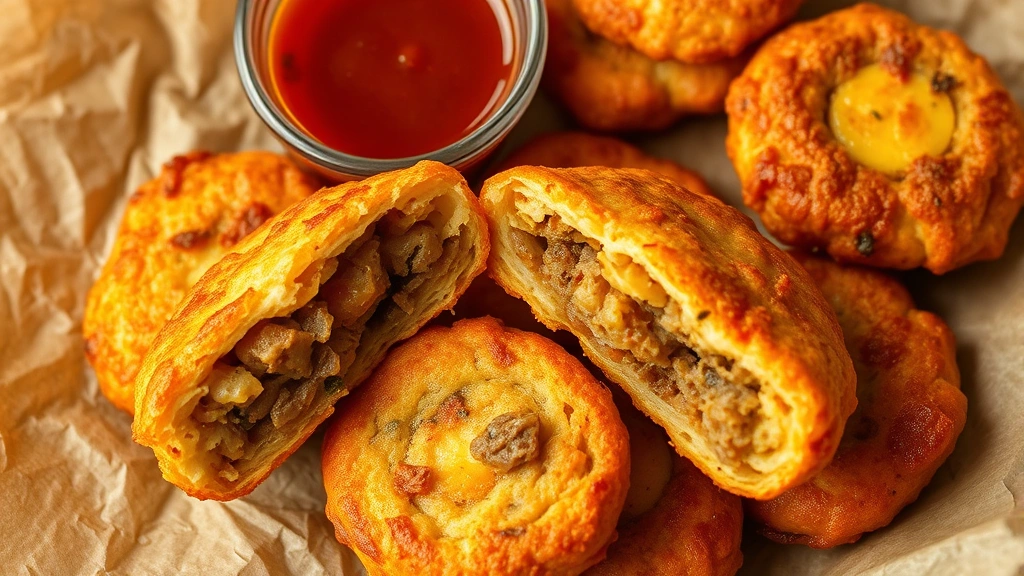
Barrachina claims historical significance as the birthplace of the piña colada, but don’t let the touristy reputation fool you—their kitchen executes Puerto Rican classics with genuine respect for ingredients and technique. The alcapurrias (plantain and meat fritters) arrive piping hot, their exterior shattering into delicate shards while the interior delivers layers of seasoned ground beef encased in silky plantain paste. Their arroz con pollo demonstrates how proper stock preparation and patient cooking can transform simple ingredients into something transcendent—each grain of rice absorbs the chicken essence, creating a unified dish where no single element dominates.
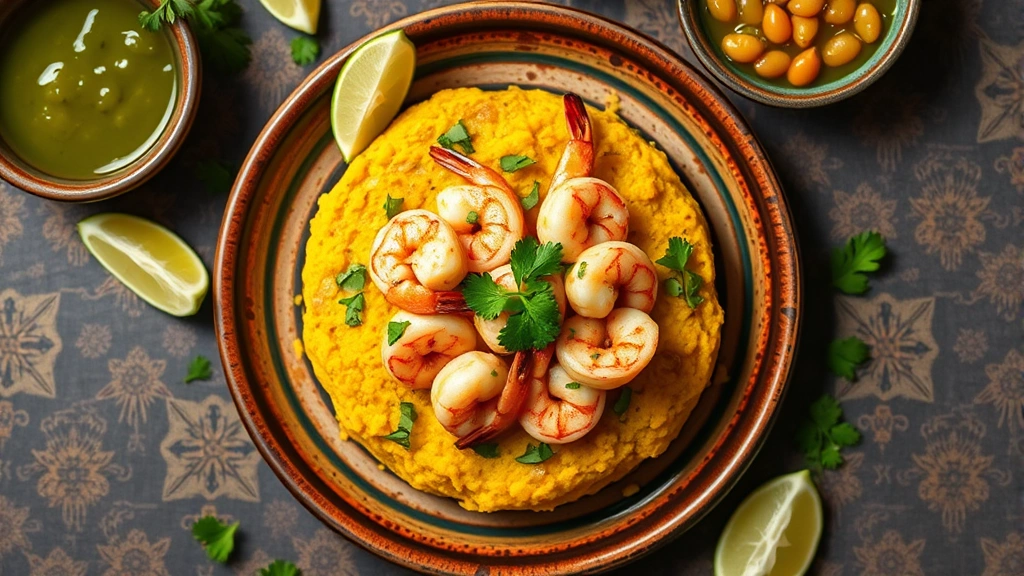
For an intimate culinary experience, Café Puerto Rico delivers comfort food elevated through ingredient obsession. Their alcapurrias rival any competitor, but it’s their mofongo that deserves pilgrimage status. Watch as they pound green plantains with garlic, pork fat, and broth, transforming humble starches into a silky, luxurious base worthy of the most refined seafood preparations. The textural contrast—crispy exterior from the pan-fried edges against the smooth interior—represents plantain cookery perfected.
These heritage establishments anchor San Juan’s food identity, preserving techniques that define Puerto Rican gastronomy while welcoming modern diners seeking authentic experiences.
Contemporary Caribbean Excellence
San Juan’s progressive dining scene channels Caribbean ingredients through a contemporary lens, where chefs trained in Michelin-starred kitchens return home to revolutionize local cuisine. These restaurants balance innovation with respect for tradition, never sacrificing flavor for presentation.
Pikayo represents the pinnacle of Caribbean fine dining. Chef Erick Costas orchestrates an experience where every element serves the greater composition. Their tasting menu unfolds like a sensory narrative—perhaps opening with a delicate ceviche where local snapper’s subtle sweetness plays against passion fruit acidity and the heat of Scotch bonnet peppers, each flavor arriving in precise succession. Moving through courses, you encounter dishes that challenge preconceptions about Caribbean cuisine: perhaps a mofongo deconstructed and reimagined with uni and caviar, honoring the original’s soul while expanding its possibilities. The precision of plating rivals any European establishment, yet the flavors remain distinctly, unmistakably Puerto Rican. This is where island culinary tradition meets global technique.
Melali celebrates Caribbean seafood with an artist’s sensibility. Their crudo preparations showcase the region’s pristine catch—local mahi-mahi, red snapper, and lobster prepared with minimal intervention to let ingredient quality shine. A simple crudo becomes profound when the fish carries the delicate brininess of cold waters, the olive oil tastes of actual olives, and the accompaniments (perhaps fermented chili, citrus, and edible flowers) enhance rather than obscure. Their ceviche variations prove that this ancient technique remains endlessly interpretable—one version might feature coconut milk and cilantro, another showcases tropical fruit and habanero heat.
These contemporary establishments prove that Caribbean cuisine commands respect alongside any global culinary tradition, offering complexity, refinement, and genuine innovation rooted in regional identity.
Beachfront Culinary Experiences
Condado’s waterfront restaurants combine ocean views with culinary sophistication, creating dining environments where ambiance and food achieve perfect harmony. These venues understand that seaside dining demands both visual and gustatory excellence.
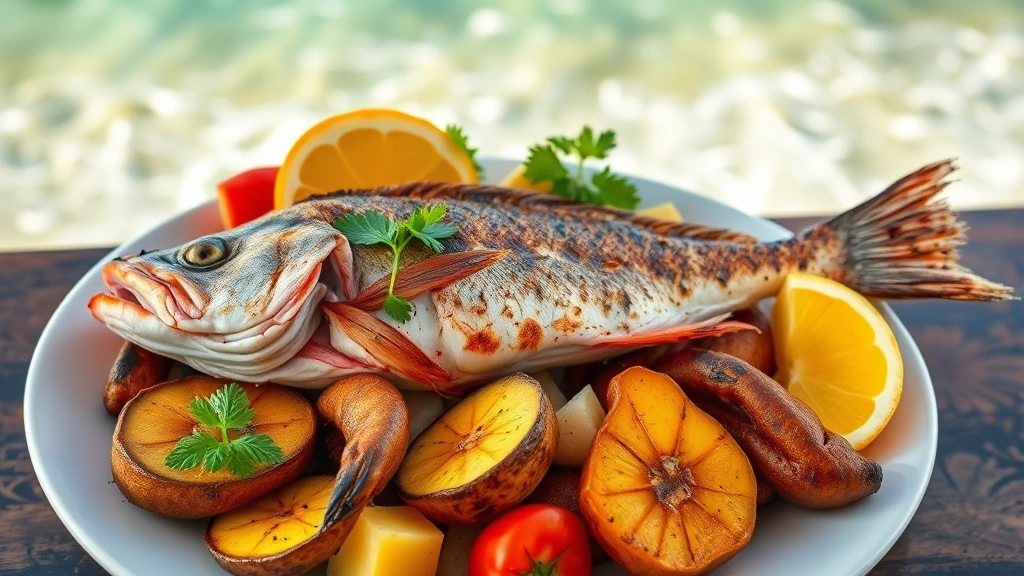
Tres Hermanos exemplifies casual beachfront sophistication. Their fresh catch rotates based on daily market availability—a commitment to seasonal eating that ensures every visit differs from the last. The preparation philosophy emphasizes ingredient quality: a grilled whole snapper emerges from the kitchen with its skin crisped to crackling perfection while the flesh remains impossibly moist, its delicate sweetness enhanced by nothing more than quality butter, fresh lemon, and perhaps a whisper of garlic. The accompanying tostones (twice-fried plantains) achieve the textural holy grail—exteriors shattered and golden, interiors yielding to gentle pressure with the consistency of luxurious mashed potatoes.
For upscale beachfront dining, Ocean Club delivers refined Caribbean fare with attentive service. Their seafood preparations showcase respect for product: a lobster tail arrives split and grilled, its flesh sweet and tender, paired with seasonal vegetables that taste of genuine produce rather than industrial supply chains. Their wine program demonstrates serious curation, with selections emphasizing bottles that complement rather than overshadow seafood-focused cuisine.
These beachfront venues understand that ocean settings demand food of equal caliber—they deliver nightly.
Santurce’s Emerging Food Scene
Santurce has transformed into San Juan’s most exciting culinary neighborhood, where young chefs experiment fearlessly while respecting cultural foundations. This district pulses with creative energy, attracting food lovers seeking restaurants that challenge conventions.
Destino represents Santurce’s progressive spirit. Their approach to Puerto Rican cuisine feels simultaneously respectful and revolutionary—dishes that nod to tradition while incorporating global influences and modern techniques. Their mofongo might arrive topped with seared scallops and a beurre blanc that carries hints of local peppers, honoring the dish’s essence while expanding its vocabulary. Desserts showcase similar philosophy: perhaps a flan deconstructed into components that explore texture and temperature while maintaining the custard’s essential character.
For casual excellence, Café Manola delivers neighborhood charm with serious culinary chops. Their breakfast offerings rival dinner quality—fresh pastries that shatter into buttery layers, coffee prepared with genuine care, and egg preparations that prove technique matters even in humble settings. Their lunch menu features sandwiches constructed with artisanal bread (consider exploring easy homemade bread recipes to understand the craft involved), quality proteins, and housemade condiments that elevate simple combinations into memorable meals.
Santurce’s emerging restaurants prove that culinary innovation thrives when chefs possess technical skill, cultural respect, and creative courage.
Farm-to-Table Innovation
San Juan’s farm-to-table restaurants champion local agriculture while advancing Caribbean cuisine. These establishments partner directly with island farmers, creating menus that shift seasonally and reflect the region’s agricultural reality.
Punto de Fuga exemplifies the farm-to-table philosophy executed with precision. Their menu changes based on what local farmers deliver—a commitment that requires culinary flexibility and deep ingredient knowledge. One evening might feature christophene (chayote) prepared three ways, each preparation revealing different facets of the vegetable’s subtle flavor and varied textures. Their proteins come from identified sources, often small-scale producers whose names appear on menus, creating accountability and connection between diner and producer.
Their approach to sauce-making deserves particular praise. Rather than relying on convenience products, their kitchen prepares mojo, sofrito, and other fundamental preparations daily, building layers of flavor that mass-produced versions cannot achieve. Consider how easy homemade pasta sauce principles apply to Caribbean cooking—when you prepare foundational ingredients yourself, quality multiplies exponentially.
These farm-connected restaurants demonstrate that Caribbean cuisine’s future depends on celebrating and supporting local agriculture while showcasing regional ingredients’ genuine quality.
Casual Eats with Serious Flavor
Not every exceptional dining experience requires reservations or formal dress. San Juan’s casual establishments deliver profound satisfaction through ingredient quality, technique mastery, and genuine passion for their craft.
Frituras El Vecino perfects the art of fried foods—a skill often underestimated but requiring genuine expertise. Their alcapurrias demonstrate why frying deserves respect as a cooking technique: the oil temperature must be precisely maintained, the coating must adhere perfectly, and timing must be exact to achieve interiors cooked through without exteriors burning. Each fritter emerges golden and crispy, delivering immediate textural satisfaction followed by complex interior flavors. Their bacalao fritters showcase salted cod’s potential—the fish rehydrated carefully, then incorporated into a delicate batter that fries to ethereal crispness.
For kid-friendly restaurants near me that serve serious food, El Jibarito offers casual excellence. Their mofongo achieves perfect consistency—neither too dense nor too loose—while their pernil (roasted pork) demonstrates how patience and proper technique transform humble cuts into transcendent dishes. The pork exterior shatters with the gentlest knife pressure, while the interior yields to effortless cutting, the meat having absorbed hours of slow cooking and rendered fat until achieving butter-like consistency.
These casual establishments remind us that culinary excellence doesn’t require pretension—it requires respect for ingredients, mastery of technique, and genuine care for the diner’s experience.
For date night restaurants seeking casual sophistication, many of these venues offer intimate settings despite their unpretentious nature.
FAQ
What’s the best time to visit San Juan restaurants?
Restaurant availability varies seasonally. High season (December-April) requires advance reservations, particularly for popular establishments. Shoulder seasons (May-June, September-November) offer shorter waits while maintaining strong ingredient availability. Many chefs source seasonally, so visiting during local harvest peaks ensures optimal ingredient quality. Weekday dining often provides more relaxed atmospheres than weekend service.
Which San Juan restaurants accommodate dietary restrictions?
Most contemporary establishments accommodate vegetarian, vegan, and gluten-free requirements with advance notice. Heritage restaurants may require more specific communication, though Puerto Rican cuisine’s vegetable-forward foundation supports varied diets. Contact restaurants directly to discuss specific needs; most chefs welcome the challenge of creating memorable meals within dietary parameters.
How should I approach mofongo for the first time?
Mofongo’s texture surprises newcomers—it’s neither soup nor solid, but rather a silky, cohesive preparation. Approach it as you would polenta or risotto: a foundation ingredient rather than a standalone dish. The magic emerges when quality proteins and sauces complement the plantain base. Start with versions topped with seafood or chicken to understand how mofongo functions within complete dishes.
What’s the difference between Puerto Rican and broader Caribbean cuisine?
Puerto Rican cuisine emphasizes specific flavor foundations: sofrito (aromatic base), adobo (seasoning blend), and recaíto (culinary herb mixture). These create distinct flavor profiles that differ from other Caribbean traditions. While Caribbean cuisines share tropical ingredients, Puerto Rican cooking’s particular spice combinations and preparation techniques create identifiable characteristics. Understanding these foundations helps appreciate how contemporary chefs innovate while honoring tradition.
Are San Juan restaurants expensive?
Price ranges vary dramatically. Casual establishments deliver exceptional meals for $10-20 USD. Mid-range restaurants typically charge $25-50 per entree. Fine dining establishments ($75-150+ per person for tasting menus) represent premium experiences. San Juan offers quality dining across all price points—exceptional food doesn’t require excessive spending, though fine dining venues justify their cost through ingredient quality and culinary expertise.
Should I make reservations in advance?
Absolutely, particularly for dinner service and weekend dining. Popular restaurants book weeks in advance during high season. Even casual establishments sometimes reach capacity during peak hours. Reservations ensure availability while allowing kitchens to prepare adequately for expected covers. Many restaurants accept reservations through their websites or platforms like OpenTable.