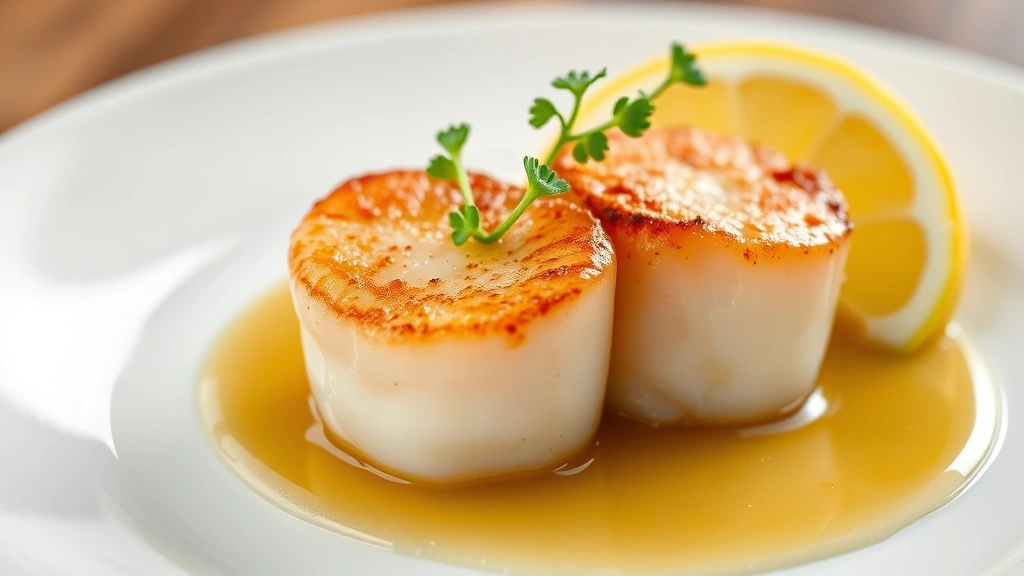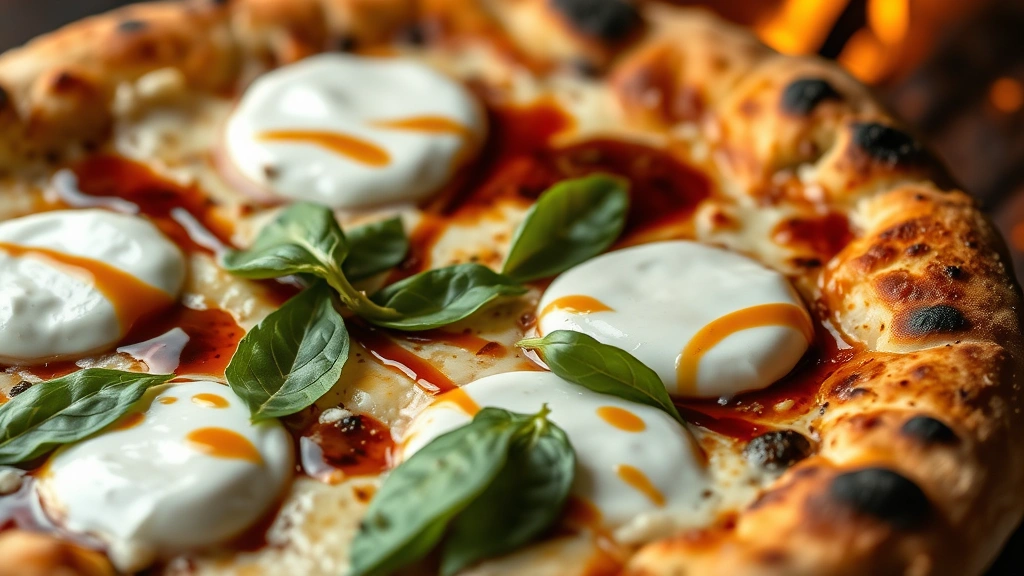
SF Restaurant Week: Foodie’s Review & Top Picks
San Francisco’s culinary calendar reaches its crescendo during Restaurant Week, when the city’s most coveted dining establishments unlock their tasting menus and prix-fixe offerings at unprecedented price points. This biannual celebration transforms the Bay Area into a gastronomic playground, inviting both seasoned epicures and curious palates to explore the depth and diversity of San Francisco’s world-class restaurant scene. From the fog-kissed waterfront to the Mission District’s vibrant kitchen culture, this event represents far more than a promotional opportunity—it’s a genuine invitation to experience the philosophy, technique, and passion that define contemporary San Francisco cuisine.
Having spent the past several years attending SF Restaurant Week events, tasting through dozens of menus, and documenting the evolution of this celebrated culinary tradition, I’ve witnessed how this week elevates the entire dining ecosystem. Chefs who rarely offer fixed-price menus suddenly share their creative vision in compressed, thoughtfully curated formats. Sommeliers craft wine pairings that reveal the terroir-driven philosophy of California’s finest vineyards. And diners gain access to establishments that typically operate with months-long reservation waitlists, democratizing fine dining in ways that feel genuinely transformative.
What Is SF Restaurant Week?
SF Restaurant Week operates as a carefully orchestrated culinary event where participating establishments offer prix-fixe menus at standardized price points, typically ranging from $20 to $65 per person depending on the venue tier and course count. The format creates a compelling value proposition: restaurants that normally charge $120-$200 per person suddenly become accessible at three-course prix-fixe rates, while still maintaining the exacting standards and creative ambition that earned them their reputations.
This event emerged from the broader Restaurant Week movement pioneered by New York City’s dining promotion, adapted specifically for San Francisco’s unique culinary landscape. The Bay Area’s version reflects the region’s obsession with ingredient quality, sustainability practices, and chef-driven innovation. Unlike standardized chain promotions, SF Restaurant Week celebrates independent establishments and chef-owned restaurants that define the city’s gastronomic identity.
The event typically spans two weeks, occurring in spring and fall, strategically timed to capture both seasonal ingredient availability and tourist traffic. Participation requires restaurants to commit creative energy to designing menus that showcase their signature dishes while maintaining profitability at reduced price points. This constraint often produces remarkably focused, intentional menus that distill each chef’s philosophy into its purest form.
The Complete Dining Experience
Walking into a Restaurant Week venue, you immediately sense the elevated energy. The dining room typically fills with a fascinating demographic cross-section: longtime residents finally accessing restaurants they’ve wanted to experience, visitors timing their San Francisco trips around the event, and industry professionals taking advantage of the opportunity to scout competitors and collaborate with peer chefs. This demographic mix creates an electric atmosphere that enhances the actual dining experience.
The sensory journey begins before the first course arrives. The amuse-bouche—that inaugural bite—reveals the kitchen’s current obsessions and seasonal inspirations. During spring Restaurant Week, expect delicate preparations highlighting the Bay Area’s exceptional produce: barely-cooked fava beans with bottarga, or playful interpretations of spring vegetables combined with proteins sourced from California’s ranches and waters. Fall iterations lean into earthiness: mushroom preparations, game preparations, and the richness of stone fruit and autumn squashes.
The prix-fixe format itself deserves analysis. Rather than overwhelming diners with elaborate tasting menus stretching across fifteen courses, Restaurant Week menus typically offer three to four courses, allowing each preparation to breathe and permitting diners to maintain conversation and savor the progression. This restraint paradoxically enhances appreciation—each course becomes more significant when the total count remains manageable.
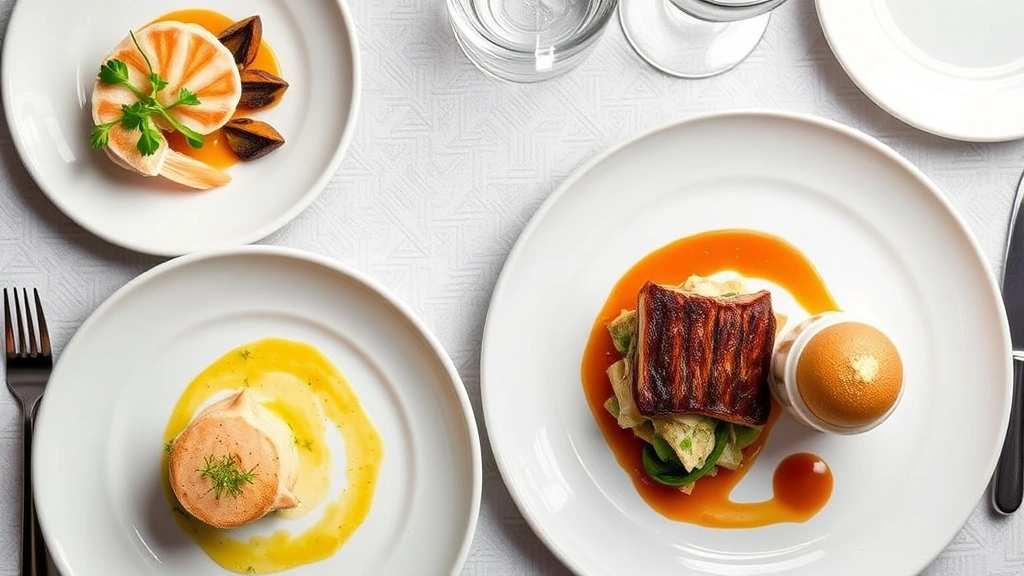
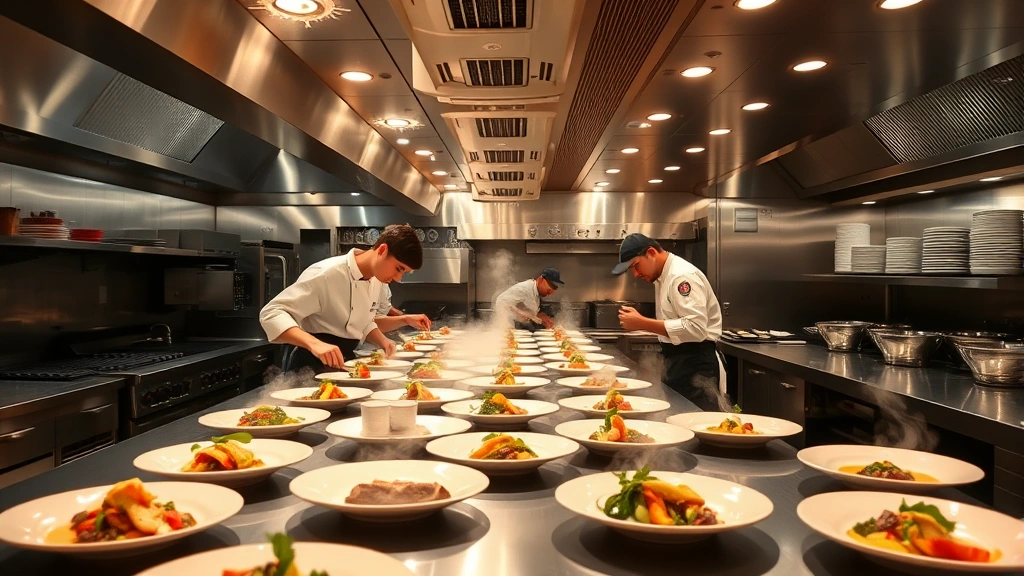
Plating during Restaurant Week tends toward refined minimalism. The Bay Area’s culinary philosophy rejects unnecessary ornamentation in favor of clarity and ingredient integrity. You’ll encounter plates where three or four components interact with precise intention, where negative space matters as much as what’s actually plated, and where garnishes serve functional flavor purposes rather than decorative ones. This aesthetic restraint allows the technical skill and flavor development to become the focal point.
Top Picks & Flavor Profiles
Based on multiple years of attending SF Restaurant Week and analyzing menu trends, certain establishments consistently deliver exceptional value and culinary excitement. The key to identifying top picks involves understanding how different restaurants approach the prix-fixe format.
Fine Dining Establishments typically offer the most dramatic value proposition. Restaurants that normally command $150+ per person suddenly operate at half that price point. These venues tend to feature their most technically accomplished dishes, offering glimpses into the kitchen’s capabilities that normally remain exclusive to tasting menu customers. The flavor progression emphasizes balance and sophistication—acidic components cutting through richness, textural contrasts maintaining interest, temperature variations creating complexity.
Contemporary American Venues showcase what distinguishes San Francisco cuisine from other American culinary centers. These restaurants celebrate ingredient quality with restraint, often featuring single-sourced proteins prepared with minimal intervention. A halibut course might arrive with nothing more than brown butter, Meyer lemon, and perfectly foraged mushrooms—the preparation highlights rather than masks the ingredient’s natural beauty. These menus often demonstrate the chef’s deep relationships with local farmers and purveyors, with seasonal variations reflecting what’s currently thriving in California agriculture.
International Cuisine Venues participating in Restaurant Week often present fascinating cross-cultural interpretations. French-trained chefs working in San Francisco frequently incorporate California ingredients into classical preparations, creating dishes that honor tradition while embracing the local terroir. Italian restaurants emphasize pasta craftsmanship and the philosophy of simplicity elevated through ingredient quality and technique. Asian-influenced establishments often showcase how Bay Area chefs interpret classical techniques through contemporary lenses, frequently incorporating unexpected ingredients and preparations.
The most successful Restaurant Week menus share common characteristics: they feature signature dishes that define the restaurant’s culinary identity, they showcase seasonal ingredients at peak ripeness, they demonstrate technical skill without unnecessary complexity, and they create a coherent narrative across the courses. The best chefs use Restaurant Week as an opportunity to communicate directly with diners about their current creative preoccupations and sourcing philosophies.
Strategic Planning for Maximum Enjoyment
Approaching SF Restaurant Week strategically transforms it from a casual dining opportunity into a comprehensive culinary education. The first consideration involves timing your reservations to match your current palate interests and energy levels.
Early Week Advantages: Restaurants operate at peak energy and ingredient freshness during the initial days of Restaurant Week. The kitchen staff has rehearsed the menu extensively, timing is optimized, and supplies arrive at their freshest. If you’re targeting particularly popular establishments, early-week reservations also prove easier to secure.
Pacing Across Multiple Restaurants: Many experienced Restaurant Week participants spread their reservations across the entire two-week window rather than condensing them into a few days. This approach allows your palate to reset between experiences and permits deeper engagement with each meal. Spacing reservations also reduces decision fatigue—you can thoughtfully consider each menu rather than experiencing Restaurant Week as a frenzied gastronomic sprint.
Complementary Venue Selection: Rather than booking similar restaurants sequentially, strategically alternate between different cuisine styles and cooking philosophies. Following an elaborate French-influenced tasting menu with a minimalist Japanese-inspired venue, or alternating between meat-focused and vegetable-forward restaurants, maintains palate interest and prevents sensory fatigue.
Consider pairing your Restaurant Week experiences with visits to restaurants near you with outdoor seating for casual meals between formal dining events, allowing your palate to recover while still engaging with San Francisco’s broader dining scene. Similarly, if you’re traveling with family, research which venues offer kiddie friendly restaurants near me experiences that permit multi-generational dining.
Regional Highlights Across San Francisco
Financial District & Downtown: This neighborhood concentrates fine dining establishments that emphasize French technique and classical preparations with California ingredients. Expect sophisticated wine programs, impeccable service standards, and menus reflecting the chef’s classical training. These venues often attract business professionals and special-occasion diners, creating a formal atmosphere.
Mission District: This neighborhood represents San Francisco’s most dynamic culinary experimentation. Mission restaurants participating in Restaurant Week often feature younger, less formally trained chefs working with bold flavors and unexpected ingredient combinations. Menus tend toward playfulness and innovation, with less emphasis on classical technique and more focus on flavor intensity and textural contrast. The atmosphere remains casual despite culinary ambition.
Marina & Cow Hollow: Waterfront locations throughout this neighborhood emphasize seafood preparations and capitalize on views that enhance the dining experience. Menus often feature fish and shellfish sourced from California waters, prepared with Mediterranean influences reflecting the region’s culinary heritage. These venues appeal to visitors and those seeking beautiful settings alongside strong food.
Hayes Valley & Civic Center: This increasingly sophisticated neighborhood features restaurants that blend fine dining aspirations with neighborhood accessibility. Chefs here often emphasize ingredient quality and technique while maintaining approachable atmospheres. Menus frequently showcase California produce and sustainable sourcing practices.
For those seeking outdoor restaurant dining near me, many neighborhoods feature seasonal patio dining that enhances the Restaurant Week experience, particularly during spring events when weather cooperates.
Wine Pairing Insights
Wine pairing represents one of Restaurant Week’s most underutilized advantages. Many participants skip wine programs to reduce costs, missing opportunities for profound flavor interactions that elevate both wine and food.
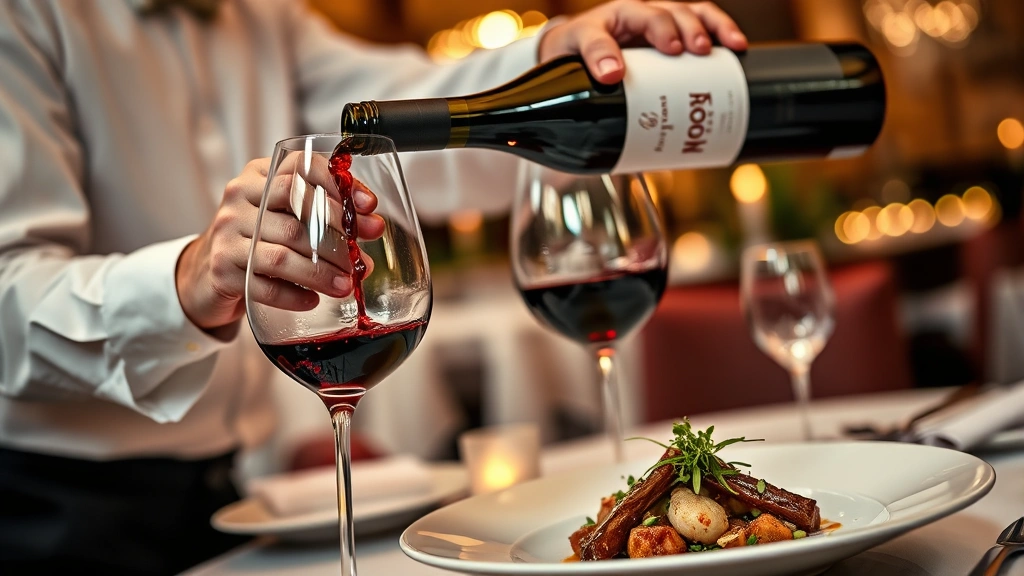
California Pinot Noir Pairings: The versatility of Pinot Noir makes it ideal for Restaurant Week menus featuring diverse proteins and preparations. The wine’s moderate alcohol content, bright acidity, and subtle tannins complement both delicate seafood preparations and earthier meat dishes. Bay Area Pinot producers from regions like Sonoma Coast and Santa Cruz Mountains craft wines that emphasize elegance over power, aligning perfectly with contemporary San Francisco cuisine’s philosophy.
Chardonnay & White Wine Strategy: Rather than avoiding Chardonnay, seek out examples emphasizing minerality and acid over oak. Many California producers now craft Chardonnays with restrained oak influence that pair beautifully with the vegetable-forward preparations and seafood dishes prominent in Restaurant Week menus. Alternatively, Sauvignon Blanc from Napa and Sonoma regions provides crisp acidity that cuts through richness while complementing delicate preparations.
Orange & Natural Wine Exploration: San Francisco’s wine culture increasingly embraces natural wines and orange varieties, particularly among younger sommeliers. These wines’ textural complexity and unconventional flavor profiles create fascinating interactions with creative cuisine. If a Restaurant Week menu features unexpected ingredient combinations or playful preparations, requesting natural wine pairings often yields remarkable results.
The San Francisco Sommelier Society provides excellent resources for understanding local wine culture and pairing principles. Many Restaurant Week venues employ sommeliers trained through rigorous certification programs who can articulate why specific wines complement particular dishes.
Booking Strategies & Insider Tips
Reservation Timing: Popular restaurants release Restaurant Week reservations exactly at official booking opens, typically at noon on designated days. Using multiple browsers and devices simultaneously increases the likelihood of securing seats at the most sought-after establishments. Setting phone reminders ensures you don’t miss the opening moment.
Alternative Booking Methods: Some restaurants hold reservations exclusively through their own websites rather than utilizing OpenTable or similar platforms. Calling the restaurant directly occasionally reveals availability when online systems show full books. Expressing flexibility regarding timing—being willing to dine at 5:15 PM or 9:30 PM rather than peak times—often opens availability.
Cancellation Monitoring: Reservations frequently open as cancellations occur throughout Restaurant Week. Regularly checking booking platforms in the days immediately before your desired date can reveal newly available slots. Setting up cancellation alerts through booking apps provides notifications when spaces open.
Communication with Restaurants: When making reservations, clearly note any dietary restrictions or preferences. Restaurant Week menus typically don’t accommodate substitutions, but advance notice permits the kitchen to prepare alternative courses. Mentioning special occasions sometimes results in subtle acknowledgments that enhance the experience without compromising the restaurant’s intended menu.
Those interested in exploring beyond Restaurant Week might investigate warm and cozy restaurants for intimate post-Restaurant Week dining, or seek out restaurants open on Sunday if your Restaurant Week reservations land on weekdays and you want to extend your culinary exploration.
Pre-Dining Research: Reading previous diners’ reviews and exploring chef biographies through resources like Chef’s Feed provides context that enhances your meal. Understanding the chef’s background, their sourcing philosophy, and their culinary influences deepens appreciation for the menu’s specific choices and technical decisions.
Menu Analysis Before Arrival: Most restaurants publish their Restaurant Week menus at least one week in advance. Reviewing the menu beforehand permits informed decision-making regarding wine pairings, allows you to research specific techniques or ingredients that appear unfamiliar, and creates anticipation that enhances the actual dining experience. This preparation often reveals the chef’s current preoccupations and technical interests.
FAQ
What’s the typical price range for SF Restaurant Week menus?
Pricing typically ranges from $20-$35 for casual establishments, $35-$50 for contemporary restaurants, and $50-$65 for fine dining venues. These prices represent significant savings compared to normal à la carte dining at the same restaurants. Wine pairings, when offered, typically cost $20-$45 additional per person depending on the venue and wine quality.
Can I make substitutions on the Restaurant Week menu?
Most restaurants don’t permit substitutions due to the fixed-menu format and kitchen planning requirements. However, communicating dietary restrictions or severe allergies when booking ensures the kitchen can prepare an appropriate alternative course that maintains the menu’s intended progression and quality standards.
How far in advance should I book Restaurant Week reservations?
Popular restaurants fill completely within hours of the booking window opening. For the most sought-after establishments, booking at the exact moment reservations become available is essential. For less widely known restaurants, booking one to two weeks in advance typically secures availability. For casual venues, booking just a few days ahead often works fine.
Is wine pairing worth the additional cost during Restaurant Week?
Absolutely, particularly at fine dining establishments where sommeliers have curated selections specifically for the menu. Wine pairings typically cost $20-$45 additional and represent excellent value compared to purchasing equivalent wines à la carte. Even at casual restaurants, wine pairings often reveal flavor combinations you wouldn’t discover independently.
What should I expect regarding portion sizes at Restaurant Week?
Portion sizes at fine dining venues tend toward refined, smaller presentations emphasizing quality over quantity. Contemporary and casual restaurants typically offer more substantial portions. Restaurant Week courses are generally designed to create satiation across three to four courses rather than individual massive plates.
Are there vegetarian or vegan Restaurant Week options?
Many restaurants now offer dedicated vegetarian and vegan Restaurant Week menus featuring creative vegetable preparations and plant-based proteins. Some venues permit requesting vegetarian versions of their standard menus. When booking, specify dietary preferences to ensure the restaurant can accommodate your needs while maintaining menu integrity.
What makes a Restaurant Week experience truly exceptional?
The most memorable experiences combine exceptional cuisine with thoughtful service, appropriate wine pairings, and the right dining companions. Restaurants that use Restaurant Week to communicate their current creative vision—rather than simply offering discounted versions of standard menus—create the most impactful experiences. Approaching the meal with curiosity and openness to unfamiliar preparations and flavors enhances appreciation for the chef’s work.