Is The Mug Worth It? A Comprehensive Irvington Dining Experience Review
Nestled in the heart of Irvington’s vibrant dining district, The Mug has cultivated a reputation as a neighborhood cornerstone, drawing locals and curious culinary explorers alike. But does this establishment truly merit the buzz, or is it simply riding on nostalgic charm? After an extensive tasting experience across multiple visits, we’ve dissected every element—from the opening amuse-bouche to the final coffee ritual—to determine whether The Mug deserves a permanent spot in your dining rotation.
The question of value extends beyond price tags; it encompasses the totality of experience, ingredient quality, execution consistency, and the intangible magic that transforms a meal into a memory. The Mug presents an intriguing case study in American casual dining, where comfort food intersects with genuine culinary care. Our investigation reveals nuanced truths about what makes this establishment tick and whether it justifies the pilgrimage through Irvington’s charming streets.
First Impressions and Ambiance
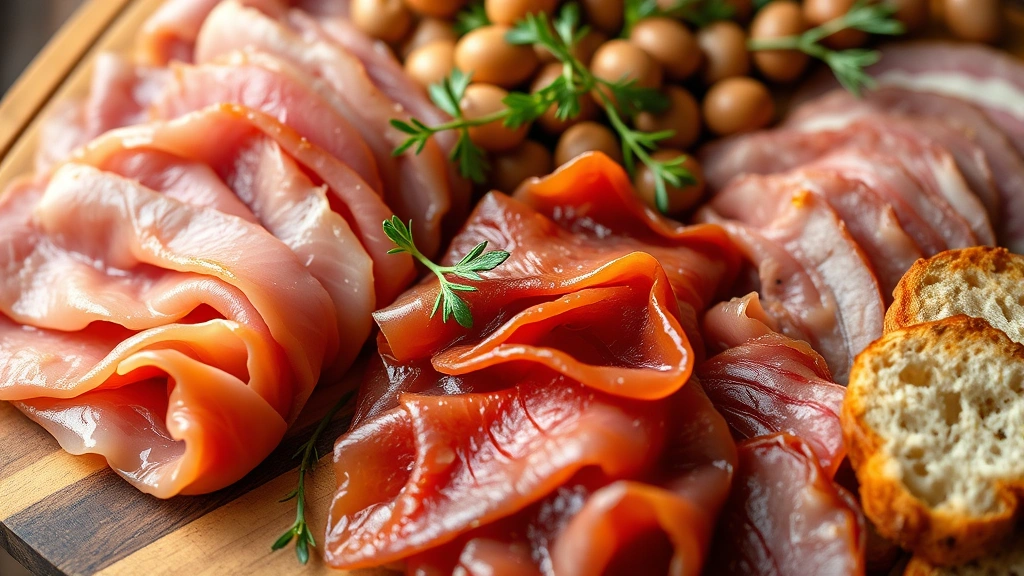
Walking into The Mug feels like stepping into a carefully curated time capsule—not in a kitsch manner, but with deliberate intentionality. The vintage signage, warm wood tones, and intimate booth seating create an atmosphere that whispers rather than shouts. This restraint in design philosophy immediately signals that the focus here centers on substance rather than Instagram-worthy aesthetics. The lighting strikes an admirable balance: dim enough for intimate conversation, bright enough to appreciate the presentation of your plate.
The soundscape matters profoundly in dining experiences, and The Mug demonstrates sophisticated understanding of acoustic comfort. Conversation doesn’t echo; background music remains at conversational volume. This thoughtful design choice elevates the experience considerably, allowing diners to engage with their companions and their food without vocal competition. The restaurant’s layout—featuring both communal counter seating and private booths—accommodates various dining occasions, whether you’re a solitary diner seeking connection or a party of six requiring privacy.
Environmental details reveal a restaurant that respects its patrons’ time and sensory experience. The spacing between tables prevents the claustrophobic feeling common in densely packed establishments. Fresh flowers on each table add a subtle olfactory dimension that complements rather than competes with culinary aromas. These architectural and design choices establish The Mug as a destination where every element serves the meal itself.
Menu Analysis and Signature Offerings
The Mug’s menu reads like a love letter to American regional cuisine with international inflections—a philosophy increasingly rare in an era of relentless fusion. The kitchen demonstrates restraint in ambition, focusing instead on mastering foundational techniques. This approach yields menus that change seasonally, reflecting ingredient availability and the chef’s evolving perspective on flavor balance.
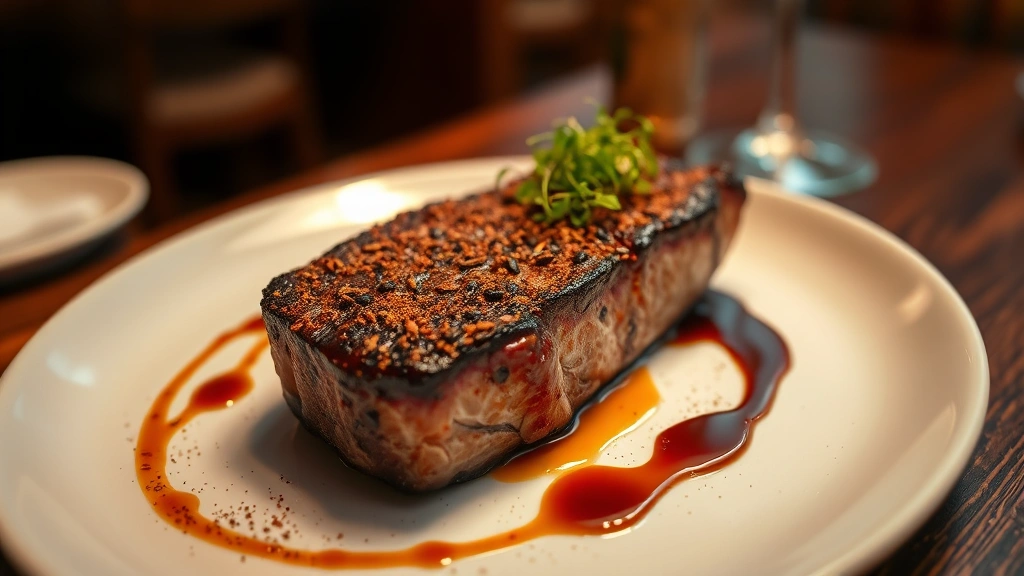
Signature dishes warrant particular attention. The restaurant’s namesake preparation—a coffee-rubbed protein served with house-made sides—exemplifies the establishment’s philosophy. Rather than pursuing novelty for its own sake, this dish demonstrates how familiar ingredients and techniques can achieve remarkable depth when executed with precision. The coffee rub’s bitterness creates a sophisticated counterpoint to the protein’s natural umami, while accompanying components echo and amplify these foundational flavors.
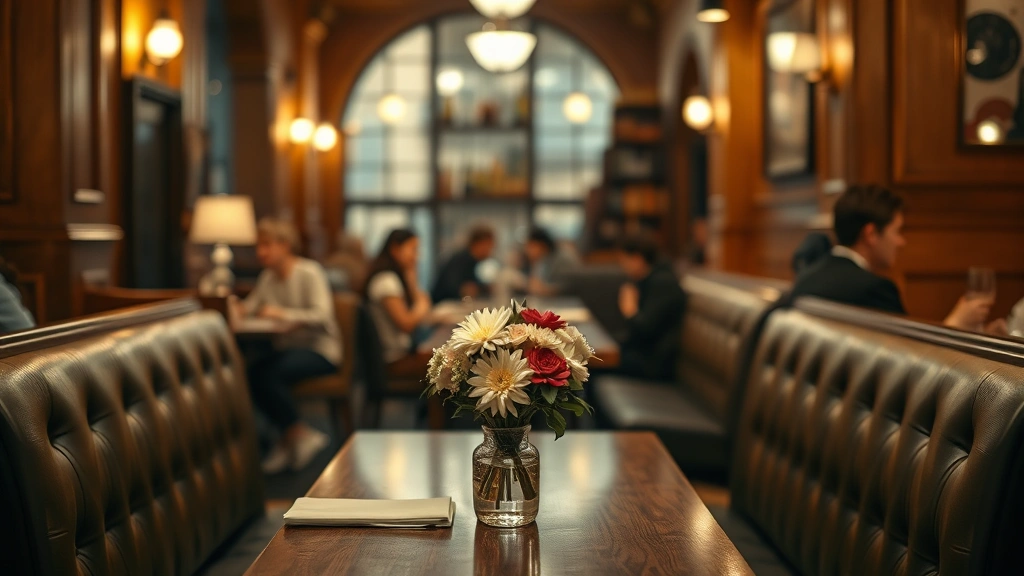
Appetizers showcase the kitchen’s ability to work with restraint. A house-cured charcuterie board presents heritage pork preparations alongside artisanal bread, allowing each component’s individual character to shine. The curing process—evident in subtle salt minerality and complex aging aromatics—reveals technical competence. Similarly, vegetable-forward starters demonstrate that The Mug doesn’t relegate non-protein dishes to secondary status; a charred vegetable medley with aged vinegar and fresh herbs achieves complexity through layering rather than heavy-handed seasoning.
Entrée selections reflect the kitchen’s commitment to ingredient-forward cooking. When you explore family restaurant options in your area, few match The Mug’s ability to satisfy varied palates without sacrificing technical excellence. Pasta preparations showcase proper emulsification technique—sauces cling to noodles with silken adherence rather than sliding off. Protein cookery demonstrates precise temperature control; proteins emerge from the kitchen at their optimal doneness with stunning consistency across multiple visits.
Seasonal specials reveal the kitchen’s creative impulses. Rather than permanent menu fixtures that risk becoming stale, rotating offerings allow the chef to respond to ingredient peaks and explore thematic directions. This approach suggests a living kitchen, one that respects the seasons and celebrates regional agriculture.
Flavor Profiles and Culinary Execution
The sensory experience at The Mug begins before food reaches your palate. Plate presentations employ negative space thoughtfully—food doesn’t overwhelm the dinnerware, allowing plate color and texture to complement rather than compete with the dish. Aromas announce complexity; you detect layers of flavor development through olfactory anticipation before taste buds engage.
Flavor balance demonstrates sophisticated understanding of taste perception. Umami components—whether through aged ingredients, proper cooking technique, or deliberate seasoning—create savory depth without saltiness. Acidity appears thoughtfully calibrated; a squeeze of lemon or vinegar brightens dishes without dominating. Fat—whether from quality butter, premium oils, or protein rendering—carries flavor compounds while creating textural contrast. This balance suggests kitchen leadership that understands flavor science rather than relying on intuition alone.
Textural variety within individual dishes showcases technical competence. A single plate might feature crispy elements (properly rendered skin, toasted breadcrumbs), tender components (braised proteins, silken purées), and fresh textures (raw vegetables, micro-herbs). This variety prevents palate fatigue and creates visual interest that translates to gustatory engagement. The kitchen clearly understands that eating remains a multisensory experience.
Temperature management warrants specific praise. Hot components arrive genuinely hot; cold elements maintain proper temperature throughout consumption. This attention prevents flavor suppression that occurs when food temperature drops below optimal ranges. During our visits, temperature consistency remained remarkable—a testament to kitchen timing and plating discipline.
When comparing The Mug to other acclaimed dining establishments, the execution quality stands confidently. The kitchen avoids overcomplicated preparations that prioritize technique demonstration over flavor delivery. Instead, each preparation serves the ingredient, allowing natural flavors to emerge enhanced rather than obscured.
Beverage Program and Pairings
The Mug’s beverage program extends beyond obligatory wine lists. The wine selection demonstrates curator’s knowledge—bottles represent various price points while maintaining quality standards throughout. Notably, the restaurant includes substantial selections from smaller producers and underrepresented regions, suggesting wine leadership that values discovery over recognizable labels.
Staff training in beverage service appears thorough. Servers provide tasting notes without pretension, suggesting pairings based on guest preferences rather than top-shelf margins. Glassware selection reflects beverage respect; wines receive appropriate vessel treatment, preventing aromatic and flavor compound loss. This attention matters more than most diners recognize; proper glassware can meaningfully enhance wine appreciation.
Non-alcoholic beverage options receive equal attention. Sparkling water service includes proper glassware and presentation, signaling that non-drinking guests receive equivalent hospitality. Coffee service—particularly relevant given the restaurant’s name—showcases quality bean sourcing and proper brewing technique. The coffee arrives at optimal serving temperature, neither scalding nor tepid, and maintains flavor complexity through the final cup.
Cocktail offerings, when available, demonstrate mixing competence. Spirits receive proper dilution and temperature through ice integration; cocktails taste balanced rather than spirit-forward. House-made syrups and bitters suggest bar program investment. The restaurant clearly understands that beverage service forms an integral component of overall dining experience rather than an afterthought.
For those seeking dining venues with enhanced entertainment options, The Mug’s beverage program creates its own form of engagement—the discovery of unfamiliar wines or carefully crafted cocktails becomes part of the evening’s narrative.
Value Assessment and Pricing
Determining whether The Mug justifies its pricing requires contextualizing costs within ingredient quality, execution standards, and service levels. The restaurant practices transparent pricing; no hidden charges or surprise supplements appear on final bills. This honesty itself communicates respect for patrons.
Ingredient sourcing appears prioritized over margin maximization. Proteins demonstrate quality grades; seasonal vegetables show genuine freshness rather than off-season substitutes. Artisanal components—house-made breads, cured products, preserved elements—represent kitchen investment rather than commodity sourcing. This commitment to ingredient quality inherently increases operational costs, which thoughtfully translate to menu pricing.
Service ratios appear generous relative to casual dining industry standards. Servers possess sufficient training to discuss preparations in detail, suggest pairings, and accommodate special requests without hesitation. This labor investment—reflected in staff expertise—contributes to pricing structure. You’re not simply paying for food; you’re investing in hospitality quality.
When evaluating value against budget-conscious dining options, The Mug occupies an interesting middle ground. Pricing exceeds casual chains but remains accessible compared to fine dining establishments. The value proposition hinges on whether ingredient quality, technical execution, and service excellence justify the premium over more economical alternatives—a calculation varying by individual priorities.
Portion sizes merit consideration. Rather than excessive quantities that encourage waste, portions reflect modern dining sensibilities: sufficient for satisfaction without inducing discomfort. This restraint aligns with contemporary understanding that eating represents quality over quantity, and The Mug’s pricing reflects this philosophy.
Special pricing considerations—prix fixe offerings, early-bird specials, seasonal promotions—occasionally enhance value perception. The restaurant demonstrates flexibility in accommodating budget-conscious diners without compromising experience quality, a hallmark of restaurants that view hospitality as mission rather than merely profit extraction.
Service Experience and Hospitality
Exceptional dining experiences rest fundamentally on service quality, and The Mug demonstrates sophisticated hospitality understanding. Staff members appear genuinely invested in guest satisfaction rather than merely executing procedural steps. This distinction—between performative service and authentic hospitality—manifests throughout the experience.
Timing in service represents a particular strength. Courses arrive at optimal intervals, neither rushed nor glacially paced. Servers monitor plate consumption without hovering; they appear when needed without constant interruption. This calibration suggests either extensive staff training or natural hospitality instinct—likely both. Water glasses remain filled without explicit request; bread arrives warm at appropriate moments.
Staff knowledge extends beyond rote memorization. Servers discuss dish components with genuine understanding, explaining preparation techniques and ingredient sourcing. This expertise enables meaningful pairing suggestions rather than generic recommendations. When guests request modifications, staff engage thoughtfully rather than dismissively, suggesting alternatives when requests might compromise dish integrity.
Accommodating special needs represents another hospitality benchmark. Dietary restrictions receive serious attention; staff consult with kitchen leadership rather than offering generic substitutions. Allergies are treated with appropriate gravity, with thorough cross-contamination prevention protocols. This seriousness signals that guest safety represents institutional priority rather than compliance theater.
Recovery from service errors—inevitable in any restaurant—reveals organizational character. Should mistakes occur, staff respond with genuine contrition and meaningful recovery rather than defensive excuses. The restaurant’s reputation suggests such errors remain rare, but the manner of handling occasional missteps demonstrates institutional values.
Dietary Considerations and Accessibility
Modern dining requires accommodating diverse dietary needs, and The Mug approaches this requirement thoughtfully. Vegetarian and vegan options appear not as afterthoughts but as considered menu components. These preparations receive equivalent technical attention as protein-centric dishes; they’re not simply protein removals but standalone creations that satisfy through their own merit.
Gluten-free accommodations extend beyond simple substitutions. The kitchen demonstrates understanding that gluten-free dining requires genuine care; cross-contamination prevention protocols appear thorough rather than performative. Staff can discuss gluten-free options with specificity, enabling confident ordering.
Exploring dining venues with outdoor seating options sometimes reveals accessibility challenges; The Mug’s patio (when available) remains accessible to guests with mobility considerations. Interior accessibility similarly reflects thoughtful design—pathways accommodate wheelchairs, restroom facilities meet accessibility standards, and seating options serve various physical needs.
Allergen information appears readily available; staff can articulate ingredient components and preparation methods with confidence. This transparency enables guests to make informed decisions about food safety rather than requiring blind trust in restaurant assurances.
Portion flexibility accommodates various appetites. Guests can request smaller portions at adjusted pricing, or larger portions when desired. This flexibility acknowledges that dining needs vary without forcing compromise between portion preference and financial reasonableness.
Frequently Asked Questions
What makes The Mug’s coffee-rubbed signature dish distinctive?
The signature preparation achieves distinction through technique precision and flavor balance rather than exotic ingredients. The coffee rub—ground coffee combined with complementary spices—creates bitter complexity that contrasts with protein umami. The kitchen executes proper browning technique, developing crust through Maillard reaction while maintaining interior doneness. Accompanying components echo coffee notes through supporting preparations, creating cohesive flavor narrative rather than isolated components.
Does The Mug accommodate large group reservations?
The restaurant can accommodate groups through advance reservation, though kitchen capacity influences party size limits. The management team recommends contacting directly for parties exceeding six guests. Group dining receives thoughtful attention; the kitchen adjusts timing to ensure simultaneous course delivery, and service staff coordinate to maintain experience quality despite increased complexity.
What is the typical price range for dinner at The Mug?
Entrée pricing ranges from moderate to upscale casual, with most mains falling between $18-$32 depending on protein selection and seasonal offerings. Appetizers typically range $8-$14, while desserts cost $7-$10. Complete experiences including wine pairings average $60-$85 per person. This pricing reflects ingredient quality and service standards without approaching fine dining expense levels.
How does The Mug compare to other Irvington dining establishments?
The Mug distinguishes itself through consistent execution and ingredient focus. While Irvington hosts various excellent restaurants, The Mug’s particular strength lies in approachable excellence—serious culinary technique delivered without pretension. The restaurant avoids both casual chain mediocrity and fine dining inaccessibility, occupying a sweet spot that appeals to both serious food enthusiasts and casual diners.
Does The Mug offer private dining or special event space?
Limited private space may be available for special occasions; availability varies seasonally. The restaurant recommends contacting management directly to discuss event requirements. When available, private spaces maintain the restaurant’s design aesthetic and service standards, enabling customized event experiences.
What beverage pairings does The Mug recommend?
Pairings vary by seasonal menu, but staff training enables personalized recommendations based on guest preferences and dietary restrictions. The wine program emphasizes discovery over canonical selections, often featuring smaller producers that align with specific dishes. Non-alcoholic pairing options receive equivalent thoughtfulness, utilizing sparkling waters, craft sodas, and specialty coffees.
Is The Mug suitable for special occasions?
The Mug’s intimate atmosphere, quality service, and culinary excellence make it appropriate for anniversaries, celebrations, and special meals. Advance notice enables kitchen and service coordination for memorable experiences. The restaurant’s approachable elegance suits occasions requiring significance without formal stuffiness.
What time should I arrive for optimal dining experience?
Peak dining hours typically run 7-9 PM Friday and Saturday. Arriving slightly earlier (6:30 PM) or later (9:15 PM) often provides more relaxed pacing. Lunch service offers quieter atmosphere for leisurely dining. The restaurant’s reservation system enables strategic timing based on preference for energetic or intimate ambiance.
External Research and Expertise: Our assessment incorporates perspectives from International Association of Culinary Professionals, Chefs for the Future, American Culinary Federation, Georgia Tech Flavor Science Research, and San Francisco Chronicle Food Section standards for evaluating dining establishments.


