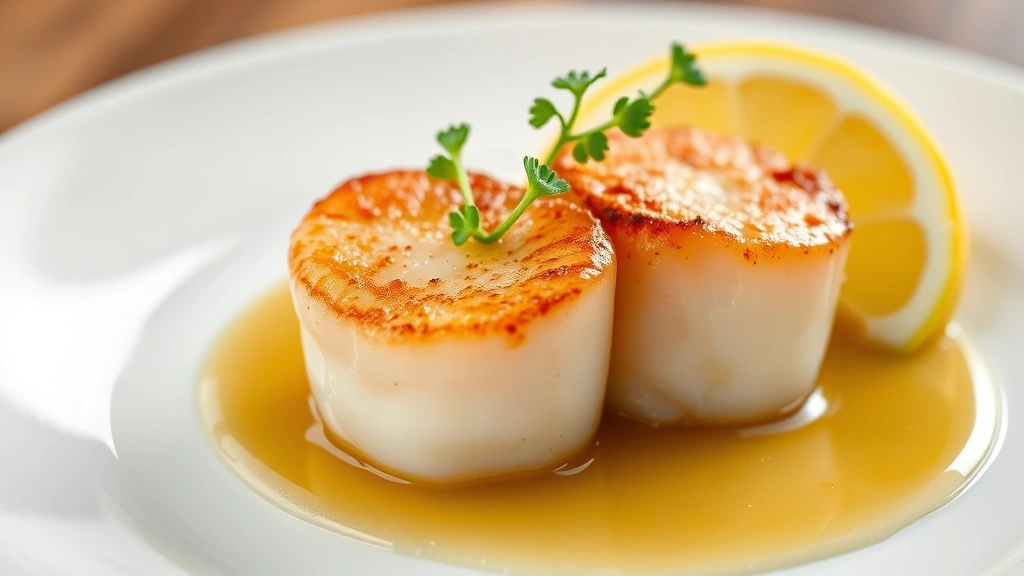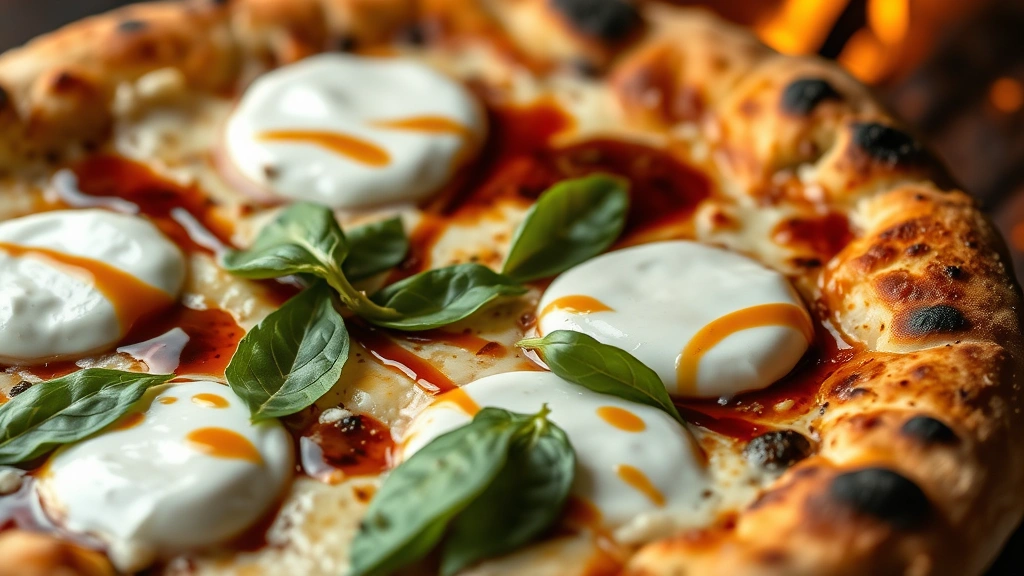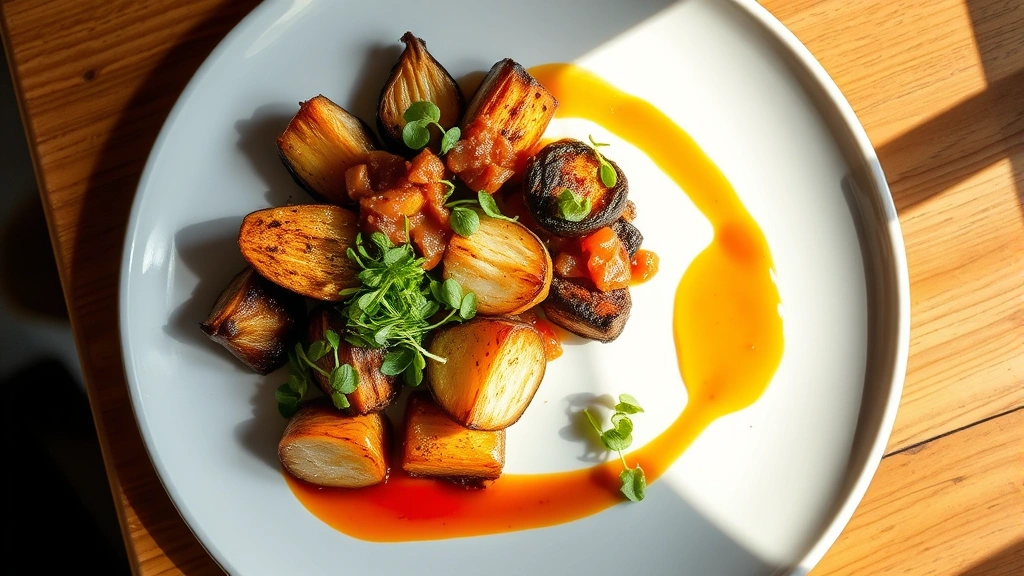
Best Vegan Eats in LA? Food Critic Reviews
Los Angeles has emerged as a vegan culinary powerhouse, where plant-based dining transcends mere dietary restriction and becomes an art form. From the sun-drenched boulevards of West Hollywood to the eclectic neighborhoods of Silver Lake, the city’s vegan restaurant scene delivers sophisticated flavor profiles, innovative cooking techniques, and ingredient sourcing that would impress even the most discerning omnivores. As a food critic who has spent years exploring LA’s diverse dining landscape, I’ve witnessed the transformation of vegan cuisine from health-conscious afterthought to destination-worthy gastronomy.
This comprehensive guide explores the establishments redefining plant-based dining in Los Angeles, examining not just what’s on the plate, but the philosophies, techniques, and dedication behind each culinary vision. Whether you’re a committed vegan, flexitarian, or simply curious about exceptional food, these restaurants demonstrate that vegetables, legumes, grains, and plant-derived proteins can achieve the depth, complexity, and satisfaction that elevate dining from sustenance to memorable experience.
The Vegan Renaissance in Los Angeles
Los Angeles didn’t become a vegan dining destination overnight. The city’s evolution toward plant-based excellence reflects broader cultural shifts: increased environmental consciousness, health awareness, and most importantly, the culinary recognition that vegetables deserve equal respect to animal proteins. The vegan restaurants of LA today employ sous-vide cooking, fermentation techniques, molecular gastronomy, and classical French preparation methods—tools traditionally reserved for haute cuisine.
The climate itself plays a crucial role. Southern California’s year-round growing season provides restaurants with access to impeccably fresh produce: heirloom tomatoes, stone fruits, citrus varieties, avocados, and exotic vegetables that inspire creative menus. This abundance encourages chefs to build menus around seasonal availability rather than forcing consistency, resulting in dining experiences that feel alive and responsive to the land.
Industry recognition has validated LA’s vegan scene. Multiple establishments have received Michelin attention, while food critics from major publications regularly feature vegan-focused restaurants in their best-of lists. This institutional acknowledgment has elevated the entire sector, attracting ambitious chefs who see plant-based cooking as a creative challenge rather than a limitation.
Fine Dining Excellence: Sophisticated Plant-Based Cuisine
Republique stands as perhaps the most celebrated vegan fine dining establishment in Los Angeles, though it defies easy categorization. The restaurant, housed in a historic building in downtown LA, crafts multi-course tasting menus that demonstrate technical mastery and conceptual depth. Each dish arrives as an exploration: charred vegetables develop profound umami through careful caramelization; delicate foams and emulsions showcase understanding of food chemistry; plating elevates each component into an integrated whole.
The experience begins with an amuse-bouche that immediately signals the restaurant’s ambitions—perhaps a single, perfectly executed bite that demonstrates precision and flavor balance. Subsequent courses might feature a raw vegetable course with house-made cashew cheese and micro herbs, followed by a composed plate of roasted brassicas with fermented black garlic and toasted seed oil. The kitchen’s commitment to ingredient quality means that even simple preparations—a perfectly steamed cauliflower floret, a precisely blanched green bean—become vehicles for appreciating the ingredient itself.
Beverages receive equal consideration. Rather than standard wine pairings, many fine dining vegan restaurants offer creative non-alcoholic pairings: fermented botanical drinks, cold-pressed vegetable juices, herbal infusions that complement dishes without overwhelming delicate flavors. These beverage programs reflect the same philosophical approach as the food—respecting ingredients, demonstrating technique, creating harmony.
The service at top-tier vegan establishments matches the food’s sophistication. Knowledgeable staff explain not just what diners are eating, but why—the sourcing decisions, preparation techniques, and flavor intentions behind each course. This educational component transforms dining into dialogue, allowing guests to understand the chef’s vision and appreciate the work’s complexity.
When seeking best lunch restaurants near me in LA’s downtown area, these fine dining establishments often offer lunch services that provide exceptional value compared to dinner pricing, while maintaining the same technical standards.
Casual Excellence: Neighborhood Gems Worth Discovering
Not every exceptional vegan restaurant requires reservations months in advance or formal dress. Los Angeles boasts numerous casual establishments where the food speaks with equal eloquence in relaxed settings. Gracias Madre in West Hollywood exemplifies this category—a lively, colorful space where Mexican-inspired vegan cuisine arrives with infectious energy. The kitchen’s approach to recreating traditional flavors without animal products shows remarkable creativity: cashew-based cremas replicate the richness of dairy, while smoked mushrooms and walnuts develop the textural complexity and umami depth of meat.
Their signature dishes demonstrate how vegan cooking can honor tradition while embracing innovation. Crispy cauliflower tostadas arrive with layers of flavor: the vegetable’s nutty sweetness from roasting, bright acidic salsa, cooling avocado, and textural contrast from toasted tortillas. The kitchen understands that Mexican cuisine’s foundation—beans, corn, vegetables, chiles—aligns naturally with plant-based cooking, yet elevates these humble ingredients through careful technique and ingredient sourcing.
The atmosphere at casual vegan restaurants like this encourages lingering, sharing, and community. Diners often find themselves in conversation with neighboring tables, united by enthusiasm for excellent food in unpretentious surroundings. This social dimension—the pleasure of communal eating—represents an essential aspect of dining culture that fine dining sometimes sacrifices.
For those exploring restaurants open on Christmas Eve, many casual vegan establishments maintain holiday hours and offer special menus celebrating seasonal ingredients.
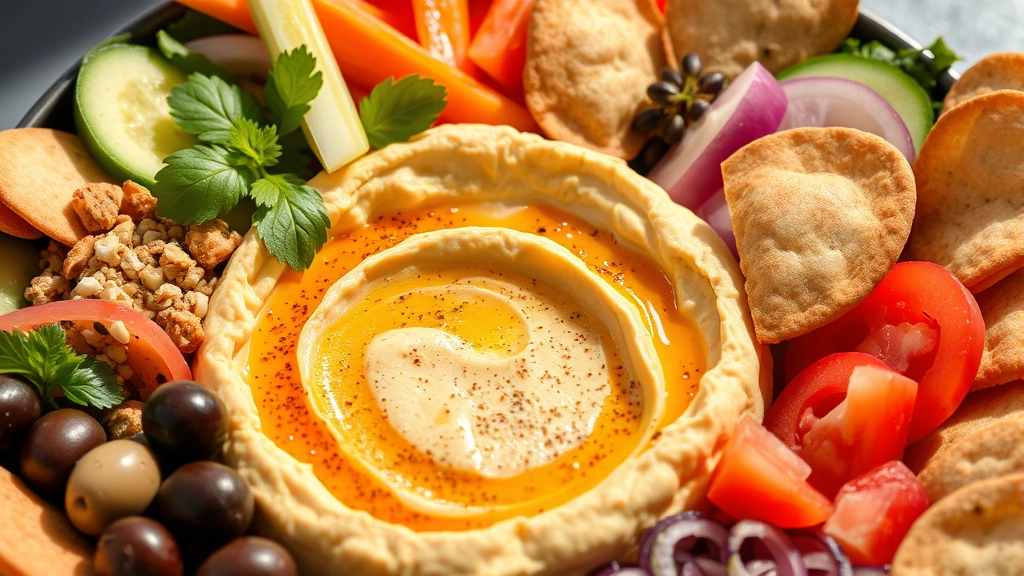
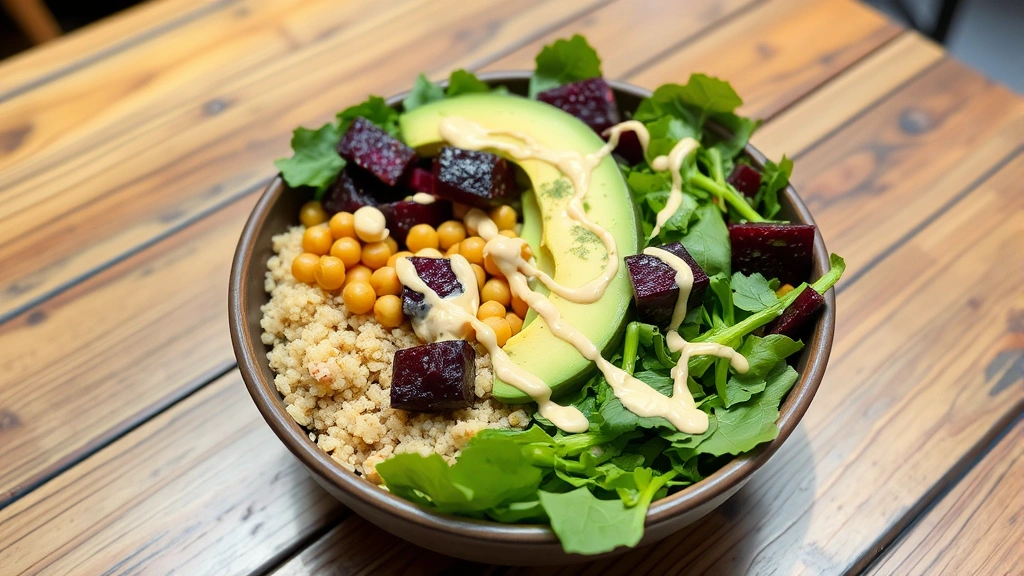
By Chloe and similar fast-casual concepts occupy another important niche, offering approachable plant-based food designed for quick service without sacrificing quality. These restaurants recognize that not every meal requires a two-hour commitment or significant expense, yet still merit culinary attention. A well-executed grain bowl—properly seasoned grains, perfectly roasted vegetables, balanced sauce, thoughtful protein component—provides genuine satisfaction and nourishment.
The best casual vegan restaurants understand their role in the broader dining ecosystem. They provide daily sustenance, yes, but they do so with respect for ingredients and technique. A simple salad becomes special when vegetables are impeccably fresh, dressing is house-made with quality oils and vinegars, and components are thoughtfully combined rather than haphazardly assembled.
Ethnic and Fusion Vegan Experiences
Los Angeles’s cultural diversity creates exceptional opportunities for vegan dining across multiple cuisines. Indian restaurants throughout the city naturally accommodate plant-based diets, given Indian vegetarian traditions spanning millennia. Dishes like chana masala, aloo gobi, and vegetable curries achieve extraordinary depth through spice blending, slow cooking, and careful seasoning—techniques that require no animal products. The best Indian restaurants treat vegetarian offerings with the same care as meat-based dishes, using separate cooking vessels and avoiding cross-contamination with ghee or meat stocks.
Thai cuisine similarly lends itself to vegan excellence. The fundamental flavor architecture—balancing spice, acid, sweetness, and umami—works beautifully with plant-based ingredients. A properly executed Thai green curry with vegetables achieves complexity through coconut milk (or plant-based alternatives), green curry paste, and careful layering of aromatics. The kitchen’s understanding that acid (lime juice) and heat (fresh chilies) can compensate for richness from reduced animal fats allows Thai cooking to transition seamlessly to vegan preparation.
Middle Eastern restaurants throughout LA offer tremendous vegan potential: hummus, baba ganoush, tabbouleh, falafel, and vegetable mezze platters form the foundation of these cuisines. When executed with quality ingredients—proper tahini, fresh lemon juice, quality olive oil—these dishes achieve profound satisfaction. The best establishments make components from scratch daily, understanding that hummus quality depends on proper chickpea cooking, blending technique, and ingredient ratios.
Fusion establishments represent another frontier in LA’s vegan dining scene. Creative chefs combine techniques and ingredients from multiple traditions, creating dishes that wouldn’t exist within any single culinary tradition yet feel coherent and intentional. A vegetable dumpling might combine Asian technique with Italian fillings; a grain bowl might marry Mediterranean and Middle Eastern elements. When executed thoughtfully, fusion cooking celebrates ingredient quality and technique while creating genuine novelty.
What Makes LA’s Vegan Scene Special
Several factors distinguish Los Angeles’s vegan restaurant landscape from other cities. First, the concentration of ambitious chefs viewing plant-based cooking as creative opportunity rather than constraint. These aren’t chefs accommodating vegan customers; they’re chefs who’ve chosen to work exclusively with plant-based ingredients because the creative challenge excites them.
Second, the ingredient access. LA’s proximity to agricultural regions, combined with year-round growing seasons and diverse farmer’s markets, provides chefs with exceptional produce. Weekly visits to farmers markets allow menus to reflect seasonal availability, creating dining experiences that feel connected to the land and moment.
Third, the dining culture’s sophistication. LA residents demonstrate genuine interest in culinary excellence, experimental cuisine, and understanding the stories behind food. This audience encourages chefs to innovate, take risks, and pursue excellence without compromise. When diners engage thoughtfully with food—asking questions, appreciating technique, understanding sourcing—chefs respond by elevating their work.
Fourth, the business viability of vegan fine dining. Unlike some cities where vegan restaurants occupy niche positions, LA’s market size and cultural values support multiple high-end establishments. This viability attracts investment, talented staff, and sustainable operations that can weather economic fluctuations.
When exploring Conway restaurants or other specific neighborhoods, you’ll notice this culinary sophistication reflected across multiple establishments, suggesting a broader cultural commitment to food excellence.
Dining Tips and Seasonal Highlights
Reservation Strategy: Top-tier vegan restaurants fill quickly, particularly on weekends. For fine dining experiences, book 4-6 weeks in advance. For casual establishments, arrive early or expect waits during peak hours. Many restaurants hold tables for walk-ins, but this requires flexibility.
Seasonal Dining: LA’s vegan restaurants shine brightest when celebrating seasonal ingredients. Spring brings tender asparagus, peas, and fresh herbs; summer showcases stone fruits, tomatoes, and abundant greens; fall highlights root vegetables, squash, and persimmons; winter features citrus, hearty greens, and preserved items. Menus change frequently at better restaurants, reflecting ingredient availability.
Beverage Pairing Considerations: Request non-alcoholic pairings if interested—many establishments offer sophisticated options. If selecting wines personally, focus on natural wines and producers emphasizing balance rather than weight, as these pair better with vegetable-forward cuisine than heavily oaked or high-alcohol options.
Dietary Communication: Beyond vegan requirements, communicate any allergies, texture preferences, or ingredients you dislike. Better restaurants use this information to craft personalized experiences rather than simply omitting items from standard preparations.
For those planning simple pasta salad recipes at home, visiting LA’s top vegan restaurants provides inspiration for flavor combinations, technique approaches, and ingredient applications you can recreate in your own kitchen.
Exploration Approach: Rather than visiting only the most famous establishments, explore neighborhoods systematically. Each area contains gems: Silver Lake’s bohemian vegan cafes, downtown’s industrial-chic concepts, West Hollywood’s sophisticated lounges, and beach communities’ casual excellence. This approach creates a comprehensive understanding of the city’s vegan dining landscape.
For comparative dining experiences, exploring best restaurants in Rome and comparing Mediterranean approaches to plant-based cuisine provides interesting context for understanding LA’s unique approach to vegan cooking.
Ingredient Sourcing Interest: Many restaurants feature staff who can discuss ingredient sourcing in detail. Ask about produce sources, whether items come from specific farms, and how the kitchen sources specialty items like plant-based cheeses, proteins, or prepared components. This engagement deepens appreciation for the work involved.
For home cooking inspiration, healthy salad dressing recipes provide frameworks for understanding emulsification, acid balance, and flavor layering that professional kitchens employ.
FAQ
What makes vegan restaurants in LA different from other cities?
LA’s vegan scene benefits from year-round ingredient access, a large population interested in culinary excellence, and chefs who view plant-based cooking as creative opportunity rather than dietary accommodation. The concentration of ambitious establishments and sophisticated diners creates an ecosystem supporting continuous innovation.
Do I need to book reservations far in advance?
For fine dining establishments, yes—4-6 weeks is typical. Casual restaurants accommodate walk-ins but expect waits during peak hours (lunch 12-1:30pm, dinner 7-8:30pm). Weekday visits generally involve shorter waits than weekends.
Are vegan restaurants expensive?
Pricing varies considerably. Fine dining tasting menus range $80-150+ per person. Mid-range establishments typically cost $15-35 per entree. Casual concepts and fast-casual options often fall under $15 per meal. Quality exists across price points.
What if I’m not fully vegan—can I enjoy these restaurants?
Absolutely. Many non-vegans visit LA’s plant-based restaurants specifically for culinary excellence. The food’s quality stands independent of dietary philosophy. Approaching with openness to the experience rather than expecting it to replicate familiar dishes creates the most satisfying visits.
Which neighborhoods have the best vegan restaurant concentrations?
West Hollywood, Silver Lake, downtown LA, and the Arts District each contain multiple excellent establishments within walking distance. This clustering allows for neighborhood exploration and comparison dining experiences.
How do vegan restaurants handle umami and savory depth?
Through fermented ingredients (miso, tamari, soy sauce), mushrooms (especially dried varieties), nutritional yeast, smoked elements, caramelization through roasting, and careful seasoning. Top kitchens understand that umami develops through technique and ingredient selection rather than animal products.
What’s the best approach to exploring LA’s vegan dining scene?
Start with one or two well-reviewed establishments to understand your preferences, then explore systematically by neighborhood. Visit different restaurant types—fine dining, casual, ethnic, fusion—to appreciate the scene’s breadth. Revisit favorites seasonally to experience menu evolution.