
Venice, Italy’s enchanting floating city, stands as a culinary destination where tradition meets innovation across centuries-old canals and intimate piazzas. The gastronomic scene here reflects the Adriatic’s bounty—fresh seafood, handmade pasta, and time-honored recipes passed through generations of Venetian families. Whether you’re navigating the Grand Canal or discovering hidden trattorias tucked away in quieter neighborhoods, unique restaurants in Venice offer experiences that transcend typical tourist fare.
This guide captures the authentic voices of locals who’ve spent lifetimes exploring Venice’s dining landscape. From Michelin-starred establishments to beloved neighborhood gems serving the same dishes for decades, these rankings reflect where real Venetians eat—and where discerning travelers should venture beyond the crowded Rialto Bridge vicinity. Each recommendation prioritizes flavor integrity, ingredient quality, and the unmistakable Venetian spirit that makes dining here unforgettable.
Top-Ranked Fine Dining Establishments
The pinnacle of Venice’s culinary scene features establishments where chefs approach each plate as edible art, yet maintain respect for Venetian traditions. Quadri, positioned on St. Mark’s Square, represents fine dining at its most refined—though the location commands premium pricing, the kitchen delivers technical precision with every course. The chef’s tasting menu showcases Adriatic seafood transformed through modern techniques while maintaining the delicate flavors that define regional cuisine. Expect silky sea urchin preparations, perfectly seared scallops with brown butter emulsions, and pasta courses that demonstrate why handmade noodles matter profoundly.
Another distinguished establishment, Venissa, occupies the island of Mazzorbo just beyond Venice proper. This Michelin-starred venue operates within a 16th-century fortification, where the restaurant’s philosophy centers on hyper-local sourcing—vegetables from the property’s organic garden, seafood from Venetian fishermen, and wines from surrounding regions. The tasting experience unfolds across eight to ten courses, each one narrating stories of terroir and seasonal availability. The risotto courses here achieve legendary status among food critics; the kitchen’s understanding of rice texture and broth integration rivals any establishment in Northern Italy.
Aciugheta represents a different fine dining philosophy—intimate, ingredient-focused, and refreshingly unpretentious despite its culinary credentials. Located in Dorsoduro, this small restaurant seats merely twelve diners per evening. The menu changes constantly based on daily market acquisitions, meaning no two visits produce identical experiences. Locals praise the raw seafood preparations, particularly the late-night dining options when the kitchen experiments with more creative compositions.
Traditional Venetian Trattorias
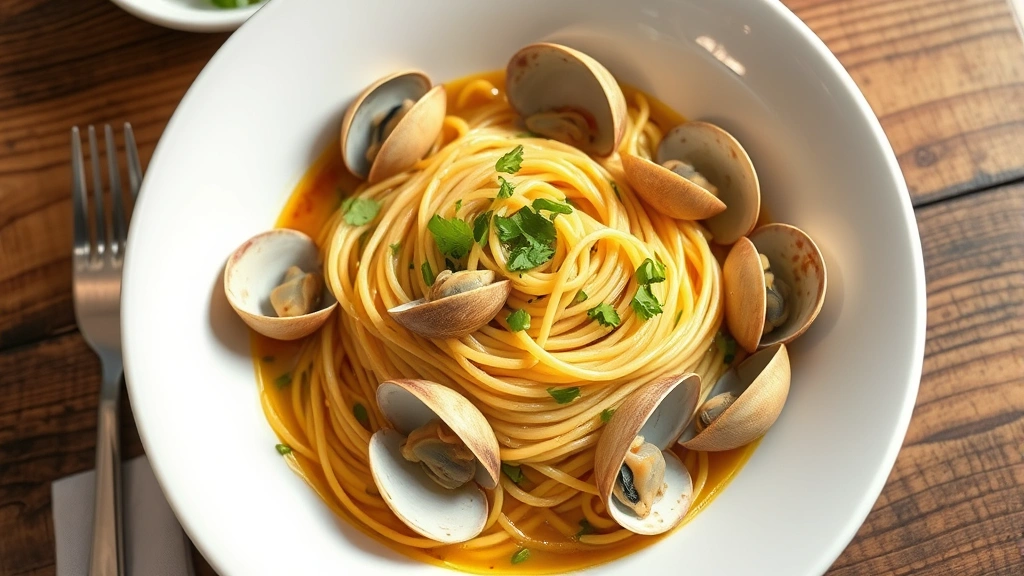
Where locals actually spend their evenings, traditional trattorias serve dishes unchanged for generations—not through lack of innovation, but through perfect execution of time-tested recipes. Trattoria da Fiore in San Polo exemplifies this philosophy magnificently. The spaghetti alle vongole arrives in earthenware bowls, the pasta coated in a sauce where Manila clam broth has reduced to glossy intensity, garlic whispers rather than shouts, and fresh parsley provides herbal brightness. Each component maintains individual identity while creating seamless harmony. The restaurant’s wine list focuses on Veneto producers, offering bottles that enhance rather than overshadow seafood-forward cuisine.
Al Covo, another legendary establishment in Castello, has maintained its reputation through relentless quality commitment. The proprietor personally visits the Rialto Market each morning, selecting ingredients at peak ripeness and flavor. This dedication manifests in dishes like soft-shell crab preparations that taste purely of sweet crab meat, delicate seafood risottos where each grain remains distinct, and pasta courses featuring patio dining overlooking the Arsenale. The restaurant’s simplicity proves deceptive—achieving these flavor profiles demands technical mastery.
For authentic Venetian experience, Trattoria Alla Madonna draws both locals and tourists seeking genuine cucina veneziana. The fritelle—tiny fried fish balls—arrive warm and crispy, tasting purely of briny seafood essence. The pasta e fagioli achieves that perfect consistency where beans have softened completely while maintaining integrity, and the broth coats each piece of pasta with creamy richness. Portions here lean generous, prices remain reasonable, and the dining room buzzes with neighborhood energy rather than tourist-focused formality.
Seafood Specialists Worth Seeking
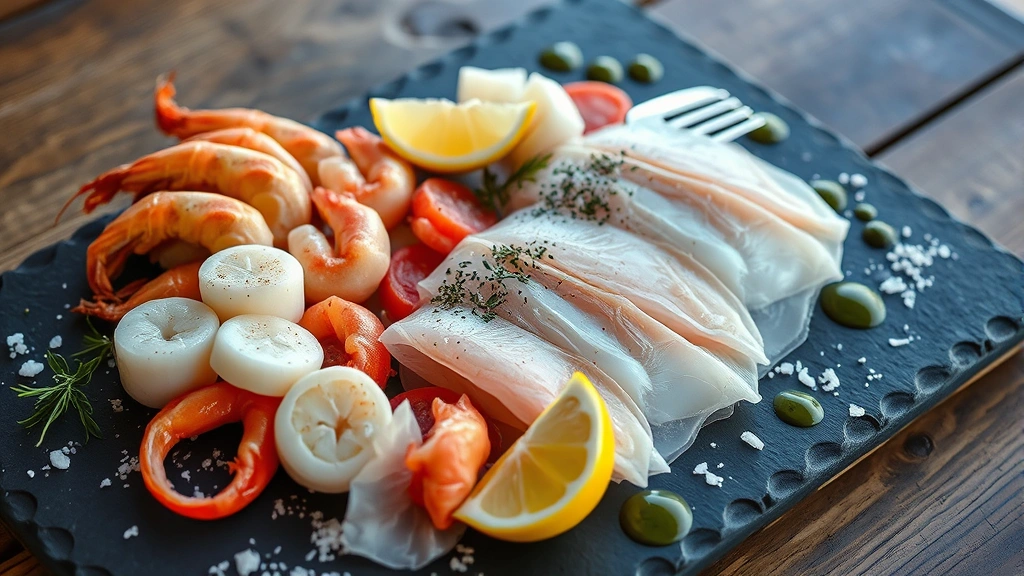
Living surrounded by water, Venice’s finest restaurants treat seafood as primary artistic medium. Osteria Oliva Nera specializes in raw seafood preparations—crudo—where ingredient quality becomes absolutely paramount. The chef sources directly from boats returning to the lagoon, selecting specimens mere hours before plating. A simple carpaccio of branzino (sea bass) demonstrates this commitment; the fish tastes impossibly fresh, the flesh translucent and delicate, enhanced only by excellent olive oil and fresh lemon juice. Each raw preparation—octopus, scallops, langoustines—reveals the Adriatic’s character without masking it through excessive technique.
The Gran Caffe Quadri operates an upscale seafood restaurant section where the kitchen focuses on preparations highlighting individual ingredient flavors. Venetian shrimp (scampi), when treated simply with garlic and white wine, become transcendent—the meat sweet and succulent, the cooking precision evident in texture maintenance. The restaurant sources from established fishermen who understand the specific flavor profiles that distinguish Venetian seafood from Mediterranean alternatives. Locals recommend arriving without preconceived menu notions, instead allowing the chef’s daily selections guide your experience.
Antiche Carampane maintains a fierce commitment to seafood authenticity and sustainable sourcing. The restaurant refuses to serve farmed fish, instead featuring only wild-caught specimens from responsible fisheries. This principle occasionally limits menu options—some evenings particular preparations unavailable due to catch limitations—yet this constraint ensures every dish achieves optimal flavor potential. The brodetto (seafood stew) here represents the category’s finest expression: a complex broth where multiple fish varieties contribute layered umami depth, vegetables provide textural contrast, and the whole composition tastes entirely of sea and tradition.
Hidden Neighborhood Gems
Beyond the Rialto Bridge crowds, Venice’s neighborhoods harbor restaurants with outdoor seating where locals gather nightly. Osteria al Squero in Dorsoduro overlooks a traditional gondola workshop, the dining area tucked into a small campo (square) where few tourists venture. The kitchen serves straightforward Venetian dishes—bigoli in salsa (thick spaghetti with anchovy sauce), pasta e fagioli, simple grilled fish—executed with absolute precision. The pace feels unhurried; locals linger over wine, discussing neighborhood happenings and seasonal cooking changes.
Trattoria Pontini occupies a corner position in Cannaregio, featuring a tiny kitchen where the chef prepares perhaps thirty covers nightly. The menu remains brief, rotating based on market availability and seasonal opportunity. The pasta here deserves particular attention—handmade daily, the dough achieves that perfect texture where it maintains slight resistance while yielding completely to tooth. Sauces coat pasta rather than drowning it; the chef understands that sauce exists to enhance rather than mask noodle flavor. The wine selection emphasizes natural producers and lesser-known Veneto varietals that offer tremendous value.
Osteria da Marisa functions almost as a neighborhood gathering space—the proprietor knows regular customers by name, remembers their preferences, and occasionally prepares off-menu dishes for favorites. The dining room feels like a friend’s kitchen table, albeit one where food arrives at restaurant-quality standards. The sardine preparations here—sometimes marinated, sometimes grilled, occasionally prepared in saor (Venetian sweet-and-sour preparation)—achieve remarkable depth despite ingredient simplicity. The tiramisu, made daily from traditional recipe, provides perfect textural contrast between coffee-soaked ladyfingers and mascarpone creaminess.
Outdoor Canal-Side Dining
Venetian dining gains particular magic when enjoyed alongside waterways, watching gondolas pass and light reflect off water. Trattoria da Fiore maintains a small outdoor seating area where diners overlook the Rio dei Carmini, the water traffic providing gentle entertainment. The outdoor experience doesn’t compromise kitchen quality—the same dishes served inside arrive at tables with identical precision and flavor intensity. The kitchen’s seafood risotto, consumed while watching water traffic, tastes somehow more vivid than indoors, perhaps because the Adriatic breeze carries salt notes that complement the dish’s marine character.
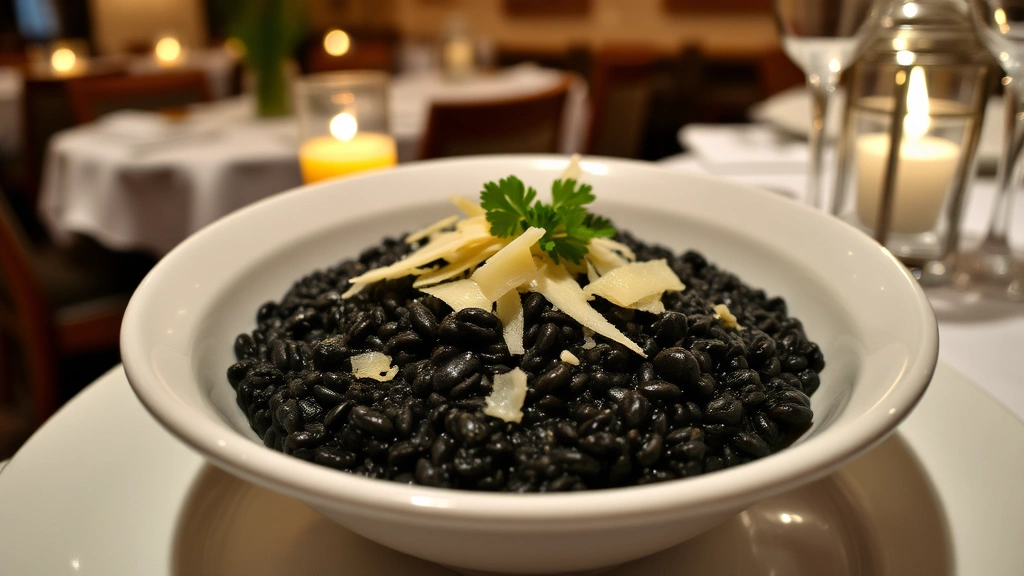
Osteria Enoteca Giorgione offers canal-side positioning in Cannaregio, the outdoor seating area tucked beneath a pergola providing shade and atmospheric charm. The restaurant maintains reasonable pricing despite the premium location, suggesting the proprietor values neighborhood clientele over tourist extraction. The pasta courses here—particularly the black squid ink pasta with soft seafood preparations—achieve visual drama enhanced by outdoor presentation. The wine list emphasizes natural producers and organic vineyards, offering bottles that pair beautifully with the kitchen’s seafood focus.
For restaurants open late with outdoor positioning, Cantina do Mori provides standing-room bar experience alongside canal vistas. While technically an enoteca (wine bar) rather than full restaurant, the kitchen produces remarkable small plates—cicheti—that showcase ingredient quality and technical precision. The anchovy preparations, sardines in saor, and creamed salt cod on crostini deserve attention; these humble preparations reveal why Venetian cuisine achieved international recognition. The wine selection emphasizes Veneto producers, offering opportunities to explore regional varietals while enjoying waterfront atmosphere.
Late-Night Dining Options
Venice’s dining culture differs from mainland Italy regarding late service—many establishments close by 11 PM, reflecting the city’s unique rhythms and smaller population base. However, certain venues accommodate evening exploration. Osteria al Ponte del Sospiri maintains service until midnight, the kitchen preparing traditional dishes throughout extended hours. The chef understands that late diners often seek lighter fare; the menu includes simplified preparations alongside full courses. The seafood risotto at 11 PM tastes equally refined as during standard dinner hours, suggesting the kitchen maintains consistent standards regardless of service timing.
Trattoria da Bepi welcomes evening diners, the proprietor understanding that some travelers maintain non-traditional schedules. The kitchen remains fully operational through late service, offering complete menu access rather than limited offerings. The pasta courses here—particularly the spaghetti alle vongole—achieve remarkable consistency across service periods. The dining room maintains relaxed energy during late hours, attracting locals finishing evening activities alongside travelers seeking authentic dining experiences.
For unique restaurants accommodating diverse schedules, Cantina Schiavi functions partially as wine bar, partially as casual eatery, maintaining flexible service hours. The kitchen focuses on cicchetti and small plates rather than elaborate courses, making it ideal for late-night grazing. The house wine—poured generously and priced accessibly—pairs beautifully with preparations like marinated seafood, creamed salt cod, and vegetables prepared in Venetian style. The atmosphere remains convivial regardless of hour, with locals and travelers mingling over shared appreciation for quality ingredients and traditional preparation.
Dietary Accommodations and Restrictions
Vegetarian restaurant options in Venice require intentional seeking, as the cuisine traditionally emphasizes seafood and animal proteins. However, forward-thinking establishments accommodate plant-based preferences thoughtfully. Osteria Enoteca Giorgione maintains a dedicated vegetable-focused menu alongside seafood offerings, the kitchen treating vegetables with equal technical precision as protein preparations. The seasonal vegetable risotto—prepared with market vegetables, vegetable broth, and finishing with excellent butter and Parmigiano-Reggiano—achieves remarkable depth and satisfaction without protein components.
Venissa, the Michelin-starred establishment on Mazzorbo, dedicates significant menu attention to vegetables sourced from the property’s organic gardens. Vegetarian diners receive full tasting menus featuring vegetable preparations that equal seafood courses in technical execution and flavor complexity. The kitchen demonstrates that plant-based cooking demands equal skill as protein-focused preparation, treating vegetable matter as primary artistic medium rather than afterthought.
For gluten free restaurants, many Venetian establishments accommodate celiac requirements through advance notice. Al Covo maintains gluten-free pasta and preparation protocols, the kitchen treating this accommodation seriously rather than as inconvenient request. The proprietor personally ensures gluten-free diners receive dishes of equal quality and attention as standard preparations. Trattoria da Fiore similarly accommodates gluten restrictions, offering rice-based dishes and carefully prepared plates that maintain flavor integrity while respecting dietary necessities.
FAQ
What distinguishes Venetian cuisine from other Italian regional cooking?
Venetian cuisine centers on seafood and ingredients reflecting the Adriatic’s bounty, with distinct preparations like sarde in saor (marinated sardines), risotto nero (black squid ink risotto), and brodetto (mixed seafood stew). The cuisine emphasizes ingredient quality over elaborate technique, reflecting centuries of Venetian trade and maritime tradition. Fresh pasta appears less frequently than in other regions; risotto and polenta feature more prominently due to regional rice and corn cultivation. The flavor profile tends toward delicate, refined preparations that highlight individual ingredients rather than heavy sauces or excessive seasoning.
How should travelers navigate Venice restaurant reservations?
Popular establishments require advance reservations, particularly during peak season (April-May, September-October). Contact restaurants directly via phone or email rather than relying solely on online platforms; this approach often yields better availability and allows you to communicate dietary requirements or special requests. Avoid restaurants with picture menus in multiple languages near major tourist sites—these typically prioritize volume over quality. Ask hotel concierges for current local recommendations; restaurant quality fluctuates, and locals maintain updated knowledge of which establishments maintain standards versus those declining through tourist-focused complacency.
What price ranges should visitors expect?
Fine dining establishments like Quadri and Venissa charge €80-150+ per person for tasting menus, excluding wine. Traditional trattorias range from €20-40 per person for complete meals with wine, offering exceptional value considering ingredient quality and preparation standards. Tourist-focused establishments near Rialto Bridge typically charge €30-60 for mediocre food, representing poor value. The best strategy involves selecting restaurants based on culinary reputation rather than location convenience; paying slightly more for authentic cuisine in neighborhood settings yields superior experiences compared to premium pricing near major attractions.
When should visitors dine to experience authentic Venetian restaurants?
Lunch service (12:30-2:30 PM) attracts more local clientele than dinner, offering opportunities to observe how residents eat. Dinner service begins around 7:30 PM, with peak dining occurring 8-9 PM. Earlier arrival (7-7:30 PM) sometimes allows table access at popular restaurants without reservations, though this remains unreliable. Avoid dining immediately after sunset; this timing attracts maximum tourist crowds. The most authentic experiences occur on weekday evenings when locals dominate dining rooms, creating atmosphere reflecting genuine neighborhood culture rather than tourist-oriented energy.
Which neighborhoods offer the best restaurant concentrations?
San Polo contains numerous acclaimed establishments while remaining slightly less tourist-saturated than areas immediately surrounding Rialto Bridge. Dorsoduro hosts excellent restaurants with neighborhood atmosphere, including several outstanding seafood specialists. Cannaregio offers tremendous value and authentic local dining experiences, with many restaurants frequented primarily by residents. Castello features acclaimed establishments with less foot traffic than central Venice. Avoid the area immediately surrounding St. Mark’s Square; restaurants here prioritize location premium over food quality, generally offering mediocre dishes at inflated prices.
How do seasonal changes affect Venice’s restaurant scene?
Venice’s cuisine follows strict seasonal patterns, with spring offering abundant seafood, early vegetables, and asparagus preparations; summer featuring stone fruits, lighter seafood, and tomato-based dishes; autumn bringing mushrooms, game preparations, and radicchio dishes; winter offering root vegetables, preserved seafood, and hearty risotto preparations. Many restaurants adjust menus quarterly or even monthly based on market availability. The best strategy involves trusting the chef’s daily selections rather than requesting specific dishes; this approach ensures you experience ingredients at peak flavor and the kitchen’s most inspired preparations.