Philly Restaurant Week: Expert Reviews & Top Picks
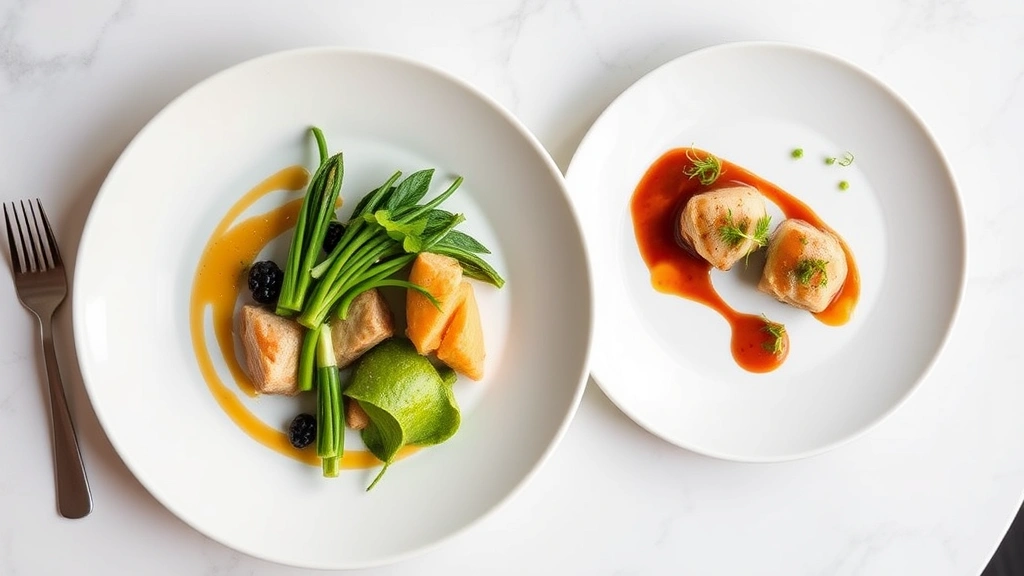
Philadelphia’s culinary scene reaches its crescendo during Philly Restaurant Week, an eagerly anticipated event that transforms the city’s dining landscape into a playground for gastronomic exploration. This semi-annual celebration invites food enthusiasts to experience world-class cuisine at unprecedented price points, making fine dining accessible to a broader audience. Whether you’re a seasoned palate seeking innovative flavor combinations or a casual diner curious about elevated gastronomy, Philly Restaurant Week offers something extraordinary.
The event showcases Philadelphia’s remarkable diversity of culinary traditions, from contemporary American fare to authentic international cuisines. Participating restaurants curate special prix fixe menus that highlight their signature dishes while introducing diners to the creative vision of their executive chefs. The three-course experience typically ranges from $35 to $60, presenting remarkable value when compared to à la carte pricing at these acclaimed establishments.
This comprehensive guide explores the finest dining experiences available during Philly Restaurant Week, providing insider perspectives on flavor profiles, ambiance, and culinary excellence. We’ve analyzed offerings from multiple neighborhoods and cuisine types to help you make informed decisions about where to invest your dining dollars.
Understanding Philly Restaurant Week Structure
Philly Restaurant Week operates during two primary windows: spring (typically March) and fall (typically November). During these periods, hundreds of Philadelphia’s most respected establishments participate in this culinary celebration. The event’s framework encourages diners to venture beyond their usual preferences and discover new favorite restaurants.
The prix fixe menus are thoughtfully constructed to showcase each restaurant’s culinary philosophy. Appetizers might feature house-made preparations highlighting seasonal ingredients, entrées present the chef’s signature techniques, and desserts conclude the experience with memorable flavor impressions. Many participating restaurants are among Philadelphia’s most difficult reservations to secure, making Philly Restaurant Week an invaluable opportunity for access.
The pricing structure typically offers three tiers: lunch menus at lower price points, dinner menus at mid-range rates, and premium tasting menus at higher investment levels. This flexibility accommodates various budgets and occasions. Consider pairing your Philly Restaurant Week experience with date night restaurants near me for romantic dining, or explore cheap restaurants near me for budget-conscious alternatives throughout the year.
Top Fine Dining Selections
Philadelphia’s fine dining establishments elevate the Philly Restaurant Week experience through meticulous attention to ingredient quality, preparation technique, and flavor balance. These restaurants employ classically trained chefs who understand how to construct memorable culinary narratives across three courses.
Center City Excellence: The historic Center City corridor hosts numerous Michelin-recognized establishments that transform during Restaurant Week. These venues typically feature contemporary American cuisine with global influences. The flavor profiles tend toward refined, delicate presentations where each component—from sauce reduction to garnish—serves a purposeful role. Diners experience the restaurant’s philosophy through carefully sequenced courses that build in complexity and intensity.
Rittenhouse Square Sophistication: Rittenhouse Square area restaurants showcase elevated cuisine within elegant, intimate settings. The neighborhood attracts establishments emphasizing ingredient provenance and seasonal availability. During Philly Restaurant Week, these venues often feature tasting menus that explore specific themes—perhaps celebrating a particular region’s culinary traditions or showcasing a specific ingredient’s versatility. The sensory experience extends beyond taste to encompass visual presentation, textural contrast, and aromatic components.
Suburban Fine Dining: Don’t overlook excellent establishments in surrounding neighborhoods. Many award-winning restaurants operate outside Center City, offering equally sophisticated cuisine with distinctive local character. These venues often feature innovative approaches to classic techniques, resulting in surprising flavor combinations that challenge and delight sophisticated palates.
Neighborhood Gems Worth Exploring
Philadelphia’s neighborhoods each possess distinctive culinary identities, and Philly Restaurant Week provides opportunities to explore these areas systematically.
Old City & Historic District: This neighborhood combines colonial history with cutting-edge gastronomy. Restaurants here frequently emphasize locally-sourced ingredients and sustainable practices. The flavor profiles often reflect New American cuisine with creative reinterpretations of traditional preparations. During Restaurant Week, these establishments showcase their commitment to quality through carefully selected proteins, artisanal preparations, and vegetable-forward plates that highlight produce from regional farms.
Fishtown & Northeast: These neighborhoods have emerged as Philadelphia’s most dynamic culinary destinations. Younger chefs operating restaurants here experiment fearlessly with flavor combinations, techniques, and presentations. Philly Restaurant Week menus from these areas often feature unexpected ingredient pairings, international influences, and bold seasoning approaches. The dining atmosphere tends toward casual sophistication—refined food without pretension.
University City & West Philadelphia: This area offers diverse cuisines reflecting Philadelphia’s multicultural population. During Philly Restaurant Week, you’ll discover authentic preparations from African, Asian, Middle Eastern, and Latin American traditions. These restaurants provide opportunities to experience genuine flavor profiles from their respective culinary cultures, often at more accessible price points than trendy Center City venues.
South Philadelphia: Historically the heart of Italian Philadelphia, South Philadelphia now encompasses diverse culinary traditions. Restaurants here range from traditional Italian establishments to innovative fusion concepts. The neighborhood’s character emphasizes family recipes, time-honored techniques, and ingredients selected for authenticity rather than trendiness. Philly Restaurant Week selections from South Philadelphia often feature rich, satisfying flavors and generous portions reflecting the neighborhood’s welcoming dining culture.
Cuisine-Specific Recommendations
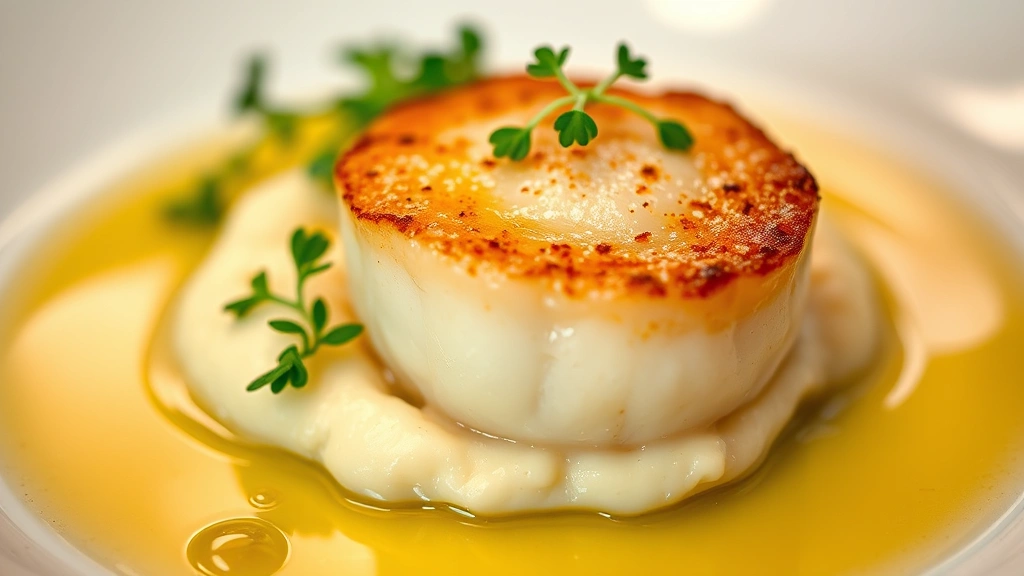
Contemporary American: Philadelphia’s contemporary American restaurants dominate Philly Restaurant Week participation. These establishments interpret American culinary traditions through modern techniques and global influences. The flavor profiles emphasize ingredient quality over elaborate preparation—a single perfectly-seared scallop speaks louder than complex sauces. Expect seasonal menus that change frequently, reflecting available ingredients at peak ripeness.
French & European Techniques: Several Philadelphia restaurants maintain classical French culinary training, evident in their meticulous technique and refined sensibilities. During Philly Restaurant Week, these venues showcase their mastery through perfectly executed sauces, precise cooking temperatures, and balanced flavor combinations. The experience emphasizes traditional preparation methods—reductions, emulsions, braising—applied to contemporary ingredients.
Asian Cuisines: Philadelphia’s Asian restaurants participate enthusiastically in Philly Restaurant Week, offering diverse culinary traditions. Japanese establishments feature delicate flavor balance and ingredient purity; Chinese restaurants showcase regional specialties emphasizing complex spice combinations; Korean venues highlight fermented ingredients and bold seasoning. Explore vegan restaurants during Restaurant Week, as many Asian establishments offer sophisticated plant-based preparations reflecting their culinary traditions.
Mediterranean & Middle Eastern: These restaurants emphasize olive oil, fresh herbs, and spice-forward preparations. Philly Restaurant Week menus showcase regional specialties from specific Mediterranean countries or Middle Eastern regions. The flavor profiles tend toward brightness and freshness, with acidity balancing rich preparations. Herbs like mint, cilantro, and parsley feature prominently, providing aromatic complexity.
Latin American: From Mexican to Brazilian to Peruvian cuisines, Philadelphia’s Latin American restaurants bring authentic traditions to Philly Restaurant Week. These menus typically feature complex spice combinations, indigenous ingredients, and traditional cooking methods. The flavor profiles range from subtle and delicate to bold and assertive, often incorporating heat, umami, and unexpected ingredient combinations.
Strategic Dining Tips
Maximizing your Philly Restaurant Week experience requires strategic planning and informed decision-making. Consider these approaches to optimize your culinary adventure.
Reservation Timing: Book reservations immediately when Restaurant Week begins. Popular establishments fill completely within days, leaving limited availability by week two. Most restaurants accept reservations through their websites or standard platforms. Arrive precisely on time—fine dining establishments operate on tight schedules, and tardiness impacts your dining experience and subsequent reservations.
Menu Pre-Reading: Most restaurants publish their Philly Restaurant Week menus online before the event begins. Review these menus carefully, noting any dishes containing allergens or ingredients you dislike. This preparation ensures you understand what to expect and can make informed selections if menu choices exist.
Beverage Pairings: While wine pairings represent additional investment, they significantly enhance the dining experience by complementing each course’s flavor profile. Ask your server about pairing options—many restaurants offer wine pairings specifically designed for their Restaurant Week menus at reasonable prices. Alternatively, BYOB options exist at some Philadelphia restaurants, potentially reducing beverage costs.
Dietary Considerations: Contact restaurants in advance if you maintain dietary restrictions—vegetarian, vegan, gluten-free, allergies, or religious observances. Most establishments happily prepare alternative menus when given advance notice, ensuring you enjoy an equally thoughtful culinary experience. Many Philadelphia restaurants pride themselves on accommodating diverse dietary needs without compromising flavor or presentation quality.
Progressive Dining Strategy: Consider experiencing multiple restaurants throughout Philly Restaurant Week rather than returning to favorites. This approach exposes your palate to diverse culinary philosophies, techniques, and flavor profiles. You’ll discover new favorite restaurants and expand your understanding of Philadelphia’s culinary landscape. Restaurants open late provide flexibility for scheduling multiple dining experiences throughout the week.
Seasonal Flavor Profiles
Philly Restaurant Week occurs during two distinct seasons, each influencing ingredient availability and flavor profiles featured on participating menus.
Spring Restaurant Week (March): Spring’s arrival brings lighter, fresher flavor profiles after winter’s heavier preparations. Asparagus, spring peas, fresh herbs, and delicate fish appear prominently. Chefs emphasize brightness through citrus, vinegars, and fresh herb applications. The overall sensory experience feels rejuvenating—dishes highlight ingredient purity rather than rich, complex sauces. Spring menus often feature preparations emphasizing vegetable-forward plates, reflecting seasonal abundance at farmers markets.
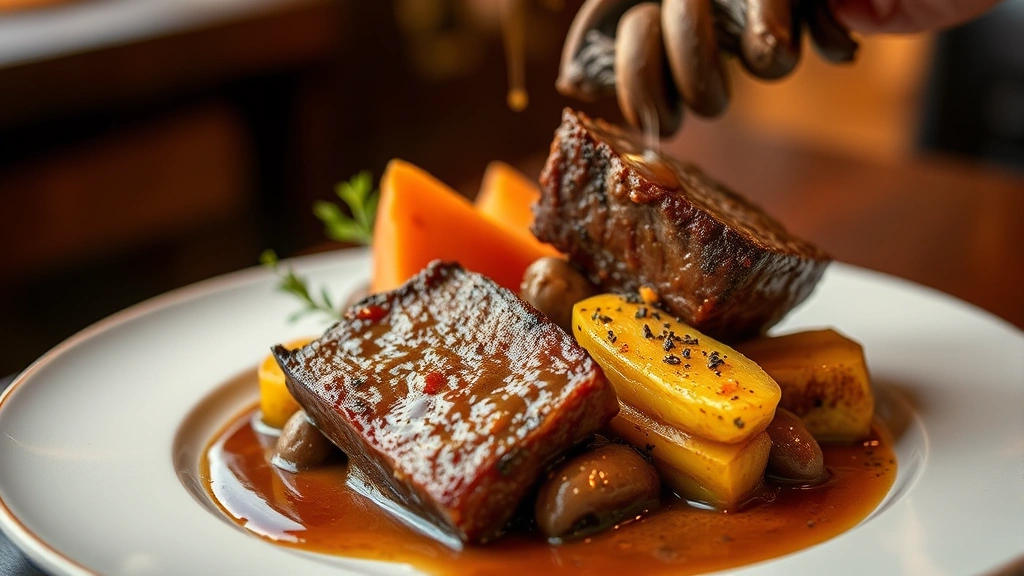
Fall Restaurant Week (November): Autumn menus celebrate harvest abundance—root vegetables, mushrooms, squash, and game proteins feature prominently. Flavor profiles become richer and more complex, with warm spices, caramelization, and deep, savory notes. Sauces tend toward more substantial preparations, and cooking methods shift toward braising and roasting. The sensory experience feels comforting and satisfying, reflecting seasonal ingredient characteristics.
Understanding seasonal flavor profiles helps you appreciate what restaurants accomplish with available ingredients. Spring Restaurant Week showcases technical precision and ingredient quality, while fall Restaurant Week demonstrates chefs’ ability to create depth and complexity from harvest ingredients.
For special occasion dining outside Restaurant Week, consider exploring restaurants open on Christmas or no bake dessert recipes to extend your culinary celebrations year-round.
FAQ
What is the typical price range for Philly Restaurant Week menus?
Philly Restaurant Week prix fixe menus typically range from $35 to $60 per person, depending on the restaurant tier and meal period. Lunch menus cost less than dinner menus, and premium tasting experiences command higher prices. This represents substantial savings compared to à la carte dining at these same establishments.
How far in advance should I make Philly Restaurant Week reservations?
Book reservations immediately when Restaurant Week begins, ideally within the first 24-48 hours. Popular establishments fill completely within days. Many restaurants accept reservations through OpenTable, their websites, or by phone. Last-minute cancellations occasionally free up spots, so calling restaurants directly may reveal availability if online booking appears full.
Can I request menu modifications at Philly Restaurant Week restaurants?
Yes, restaurants typically accommodate dietary restrictions and allergies when notified in advance. Contact the restaurant directly before your reservation to discuss specific needs. While they’ll make reasonable accommodations, extensive modifications may not be possible given the prix fixe nature of Restaurant Week menus.
Are beverages included in Philly Restaurant Week pricing?
No, beverages are additional. Wine pairings, cocktails, beer, and non-alcoholic drinks cost extra. Many restaurants offer curated wine pairings specifically for Restaurant Week menus at reasonable prices. Some Philadelphia locations offer BYOB options, allowing you to bring wine and potentially reduce beverage costs.
What neighborhoods offer the best Philly Restaurant Week experiences?
Center City and Rittenhouse Square host numerous acclaimed establishments, but don’t overlook Fishtown, Old City, and University City for innovative cuisine and diverse culinary traditions. Each neighborhood offers distinctive dining experiences reflecting its cultural character and culinary identity.
Should I attempt multiple Philly Restaurant Week restaurants during one week?
Absolutely. Many diners strategically plan multiple reservations throughout the event period, experiencing diverse cuisines and culinary philosophies. This approach maximizes the Restaurant Week opportunity and exposes your palate to Philadelphia’s full culinary spectrum.
How do I choose which Philly Restaurant Week restaurants to visit?
Review published menus online, noting dishes that appeal to your preferences. Consider neighborhood exploration, cuisine diversity, and price points. Read recent restaurant reviews from respected sources to understand each establishment’s current culinary direction. Balance familiar favorites with new discoveries for optimal Restaurant Week experiences.


