Palazzo Dining: Critic’s Top Picks
Palazzo restaurants represent the pinnacle of Italian culinary elegance, where centuries-old traditions meet contemporary gastronomy in opulent settings. These establishments transcend ordinary dining experiences, transforming meals into theatrical performances where every plate tells a story of regional heritage, ingredient mastery, and meticulous technique. From the moment you step through ornate doors into marble-clad dining rooms, you’re transported to a world where passion for food and architectural grandeur intertwine seamlessly.
As a food critic who has spent years exploring the globe’s most prestigious dining establishments, I’ve developed an appreciation for restaurants that honor classical Italian cuisine while pushing culinary boundaries. Palazzo dining venues consistently deliver on this promise, offering diners an immersive sensory journey that engages all five senses. The combination of impeccable service, wine pairings from carefully curated cellars, and dishes crafted from the finest seasonal ingredients creates an atmosphere where time seems to slow down.
This comprehensive guide explores my personal selections of exceptional palazzo restaurants, analyzing their signature dishes, ambiance, and the culinary philosophies that make them stand out in today’s competitive fine dining landscape. Whether you’re planning a special celebration, romantic evening, or simply seeking to understand what elevates a restaurant to palazzo status, this exploration will illuminate the nuances that distinguish these establishments from conventional fine dining.
What Defines Palazzo Restaurants
Palazzo restaurants distinguish themselves through an unwavering commitment to authenticity combined with culinary innovation. The term “palazzo” itself—meaning palace in Italian—encapsulates the grandeur and formality these establishments embrace. However, true palazzo dining extends far beyond marble columns and crystal chandeliers; it encompasses a philosophy of respect for ingredients, mastery of technique, and an understanding that dining is a form of cultural expression.
The defining characteristics include meticulous attention to ingredient sourcing, with many establishments maintaining direct relationships with producers across Italy and beyond. Chefs at palazzo restaurants spend years, sometimes decades, perfecting their craft through apprenticeships in prestigious kitchens. They understand the subtle differences between a tomato harvested at dawn versus afternoon, the terroir of olive oils from specific microclimates, and how altitude affects the flavor profiles of mountain-grown cheeses.
When you visit a best lunch restaurant near you that aspires to palazzo status, you’ll notice the absence of shortcuts. Stocks simmer for days, pasta is often handmade to order, and sauces develop through patient reduction rather than quick preparation. The kitchen operates with military precision, yet maintains flexibility to honor seasonal availability and daily inspirations from visiting purveyors.
The Art of Italian Regional Cuisine
Italy’s regional diversity creates an incredibly rich tapestry of culinary traditions, and palazzo restaurants celebrate this multiplicity with dedicated expertise. The cuisine of Piedmont differs fundamentally from Sicily; Emilia-Romagna’s pasta traditions diverge sharply from Liguria’s seafood-focused approach. Understanding these distinctions separates casual Italian restaurants from true palazzo establishments.
Piedmontese cuisine emphasizes butter, cream, truffles, and meat preparations that reflect the region’s cooler climate and agricultural heritage. The reverence for white truffles during autumn months becomes almost spiritual in palazzo dining rooms dedicated to this region. Chefs source from specific forests, understand which truffle hunters have the most reliable supplies, and know exactly how to preserve the delicate aromas these prized fungi offer.
Conversely, southern Italian and Sicilian traditions celebrate tomatoes, eggplant, sardines, and the bold flavors developed through centuries of Mediterranean trade routes. A palazzo restaurant specializing in southern cuisine will offer caponata with depth that belies its humble ingredients, pasta con le sardine with perfectly balanced sweetness and brininess, and seafood preparations that highlight rather than mask the ocean’s essence.
The northeastern regions bordering Austria and Slovenia introduce Central European influences—think game preparations, dumplings, and the use of caraway and other distinctive spices. Emilia-Romagna’s contributions include Parmigiano-Reggiano, balsamic vinegar, and the world’s most celebrated fresh pasta traditions. A truly exceptional palazzo restaurant often specializes in one region, developing the depth of knowledge and supplier relationships necessary to present authentic interpretations.
When exploring family restaurants near me with palazzo aspirations, notice how they handle regional specialties. Do they explain the provenance of their ingredients? Can the server articulate why a particular preparation method matters? These details reveal whether you’re experiencing genuine regional cuisine or merely Italian-themed dining.
Signature Dishes That Define Excellence
Every palazzo restaurant builds its reputation around signature dishes—preparations so refined, so perfectly executed, that they become synonymous with the establishment itself. These dishes often require years to develop, countless iterations to perfect, and unwavering consistency to maintain.
Consider the risotto tradition in Lombardy-based palazzo restaurants. A proper risotto demands constant attention, precise timing, and an understanding of how rice varieties absorb liquid differently. Carnaroli versus Arborio versus Vialone Nano aren’t interchangeable; each has distinct characteristics that affect the final texture and how the risotto accepts cream, butter, and cheese. A signature risotto al tartufo represents months of experimentation to determine the exact moment to add truffle, how finely to shave it, and whether white or black varieties better complement the rice’s inherent sweetness.
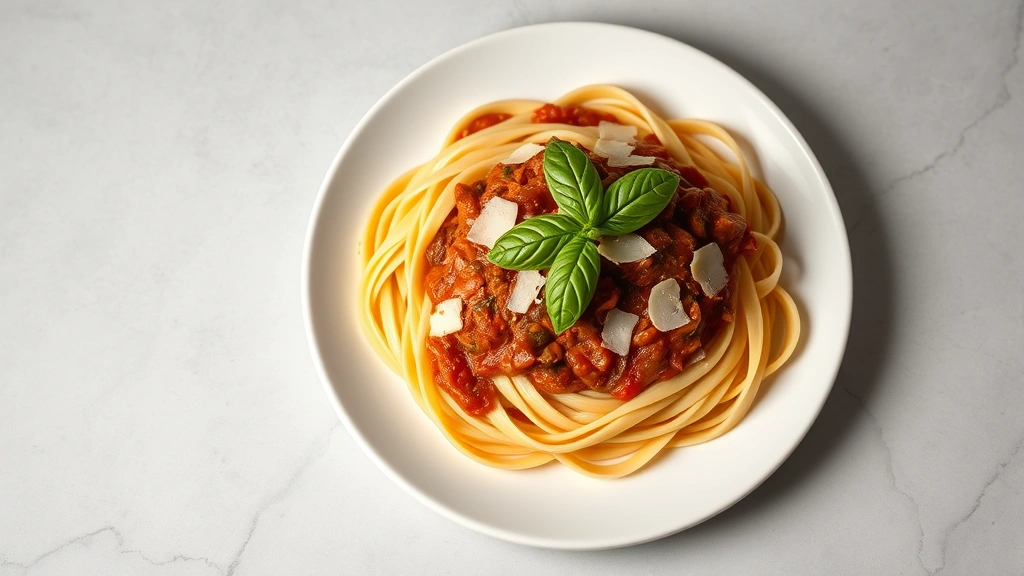
Fresh pasta preparations showcase similar dedication. Handmade tagliatelle with Bolognese ragù in traditional Emilia-Romagna restaurants requires a sauce developed over eight to twelve hours, incorporating specific ratios of beef, pork, milk, and tomato. The pasta sheets must achieve precisely the right thickness—too thick and they overwhelm the sauce, too thin and they lack structural integrity. Exceptional palazzo restaurants measure pasta thickness with calipers, maintain ingredient proportions documented over generations, and train staff to cook each portion individually rather than batch-cooking.
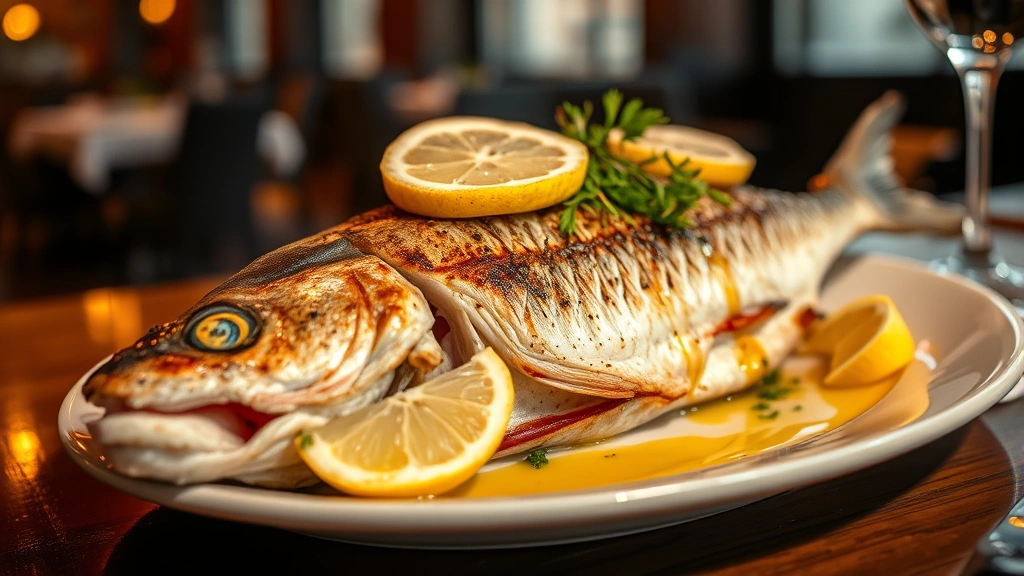
Seafood preparations in coastal palazzo restaurants demonstrate equal sophistication. A whole branzino prepared tableside, its delicate flesh perfectly yielding from the bone, its skin crackling with subtle char, dressed only with the finest olive oil and fresh lemon, represents the philosophy that exceptional ingredients need minimal intervention. The chef’s skill lies in selecting the perfect fish, understanding its exact cooking requirements, and knowing when to stop cooking to preserve moisture and delicate flavor.
Meat preparations, particularly in Tuscan and Piedmontese establishments, showcase how properly raised, aged, and prepared proteins become transcendent. A bistecca alla fiorentina—a thick-cut Chianina steak seared over high heat and finished with salt, pepper, and olive oil—demands beef of uncompromising quality. Palazzo restaurants source from specific herds, understand the cattle’s diet and grazing patterns, and age meat for precise periods to develop optimal tenderness and flavor concentration.
Wine Pairings and Beverage Programs
The wine program at a palazzo restaurant operates as an extension of the culinary vision, not merely a collection of bottles. Master sommeliers curate selections that range from prestigious, age-worthy vintages to emerging producers crafting wines with innovative techniques while respecting traditional methods.
Italian wine regions align directly with culinary traditions—Piedmontese Barolo and Barbaresco pair naturally with the region’s rich, butter-forward cuisine; Tuscan Brunello complements bistecca preparations; Sicilian whites from volcanic soils enhance seafood dishes. However, exceptional palazzo restaurants extend beyond obvious pairings, introducing diners to lesser-known regions and producers that offer remarkable quality at various price points.
The sommelier’s role transcends simple recommendations. They should understand your palate preferences, dietary restrictions, and budget constraints while educating you about wine production, terroir effects, and how specific vintage variations affect flavor profiles. Many palazzo restaurants offer wine pairing menus where each course receives a carefully selected pour, often including rare or limited-production wines unavailable for retail purchase.
Beyond wine, sophisticated palazzo restaurants develop comprehensive beverage programs including craft cocktails inspired by Italian traditions, digestifs for meal conclusion, and sometimes rare spirits representing Italy’s distilling heritage. The quality of water service—often featuring still and sparkling options from premium sources—reflects the establishment’s overall attention to detail.
Ambiance and Architectural Elements
The physical space of a palazzo restaurant contributes profoundly to the dining experience, yet excessive ornamentation can overwhelm rather than enhance. The most successful establishments balance grandeur with intimacy, creating settings that feel simultaneously impressive and welcoming.
Architectural elements typically include soaring ceilings, elaborate moldings, marble or stone flooring, and carefully positioned lighting that flatters both the food and diners. Many palazzo restaurants occupy historic buildings—actual palaces, converted villas, or structures designed by renowned architects—lending authentic historical weight to the experience. However, modern palazzo restaurants prove that contemporary design can achieve similar effects through thoughtful material selection, spatial planning, and lighting design.
The color palette matters considerably. Traditional palazzo restaurants favor deep jewel tones, warm golds, and neutral backgrounds that allow the food to command visual attention. Lighting should be adjustable, bright enough to fully appreciate the artistry on the plate yet dim enough to create intimate ambiance. Excessive brightness suggests casual dining; insufficient light prevents guests from truly experiencing their food.
Table spacing contributes significantly to the palazzo experience. Proper spacing prevents eavesdropping on neighboring conversations while allowing servers to move efficiently. The height and quality of table linens, the weight and design of glassware, the placement and design of service plates all communicate attention to detail. When planning special occasions or intimate dinners, consider how patio restaurants near me balance outdoor ambiance with the refinement expected in palazzo settings.
Service Standards in Palazzo Dining
Service in palazzo restaurants operates with choreographed precision while maintaining an appearance of effortlessness. Servers anticipate needs before they arise—water glasses remain filled, soiled plates disappear promptly, courses arrive with perfect timing. Yet this professionalism never feels cold or pretentious; exceptional servers combine technical expertise with genuine warmth and personality.
Staff training in palazzo restaurants typically spans months or years, covering not just service mechanics but deep culinary knowledge. Servers should articulate the philosophy behind each dish, explain cooking techniques, discuss ingredient provenance, and offer insights into wine pairings. They understand proper service sequencing—which utensil to use for each course, how to clear plates, how to handle special requests without disrupting the experience’s flow.
The ability to read diners becomes crucial. Some guests prefer detailed explanations and interaction; others prefer minimal interruption. Exceptional servers calibrate their approach accordingly, remaining attentive without hovering. They handle dietary restrictions with grace, never making guests feel like they’re imposing special requests. They understand that pacing matters—allowing time for conversation and digestion between courses, yet maintaining momentum so the meal never feels static.
Language capabilities often distinguish palazzo restaurants from standard fine dining. International clientele demands multilingual staff who can discuss cuisine nuances across linguistic barriers. The sommelier or wine director should articulate complex flavor profiles, production methods, and food-wine interactions with clarity and passion.
Seasonal Menu Evolution
Palazzo restaurants demonstrate respect for ingredients through menu evolution aligned with seasonal availability. Rather than sourcing ingredients year-round through industrial supply chains, these establishments embrace seasonality, celebrating each ingredient at its peak and disappearing others during off-seasons.
Spring menus feature tender vegetables, fresh cheeses, lighter proteins, and the first tender greens. Summer emphasizes tomatoes, stone fruits, seafood, and preparations that highlight rather than obscure natural flavors. Autumn introduces game, mushrooms, truffle preparations, and richer sauces reflecting harvest abundance. Winter embraces root vegetables, preserved ingredients, slow-cooked preparations, and the comfort of accumulated flavors.
This seasonal approach creates several advantages. Ingredients at peak ripeness require minimal intervention—a perfect heirloom tomato needs only salt and olive oil. Chefs develop deeper relationships with producers, visiting farms and understanding growing conditions. Pricing becomes more stable since establishments aren’t fighting global supply chains for out-of-season ingredients. Most importantly, diners experience genuine Italian cuisine as it evolved—food dictated by nature’s rhythms rather than commercial convenience.
When visiting palazzo restaurants, ask about seasonal specialties. The kitchen’s excitement about current ingredients often indicates genuine commitment to quality. A chef who can discuss why they’ve featured a particular dish this month, when it disappears from the menu, and what replaces it demonstrates the seasonal philosophy that defines palazzo dining.
Whether you’re seeking cheap restaurants near me or premium establishments, understanding how restaurants approach seasonality reveals their culinary values. True palazzo restaurants—even those at various price points—honor seasonal availability as a foundational principle.

FAQ
What’s the difference between palazzo restaurants and standard fine dining?
Palazzo restaurants distinguish themselves through unwavering commitment to Italian culinary traditions, regional specialization, direct ingredient sourcing relationships, and a philosophy that dining represents cultural expression. While fine dining emphasizes technical excellence and refined presentation, palazzo restaurants add deep historical context, regional authenticity, and often specialize in specific Italian regions rather than offering broad culinary styles. The ambiance in palazzo restaurants typically reflects historical grandeur or contemporary interpretations of palazzo architecture, creating an atmosphere that complements rather than overshadows the cuisine.
How should I prepare for my first palazzo restaurant visit?
Arrive with an open mind and willingness to experience the chef’s vision. Review the menu beforehand if available, but remain flexible—the kitchen often offers off-menu preparations featuring the day’s finest ingredients. Dress appropriately for the formality level; most palazzo restaurants expect business casual or formal attire. Communicate any dietary restrictions in advance, allowing the kitchen to prepare suitable alternatives. Consider arriving slightly early to enjoy aperitifs and settle into the experience without rushing. Ask your server questions about dishes, ingredients, and preparation methods—exceptional staff enjoys sharing their knowledge.
Are palazzo restaurants appropriate for special occasions?
Absolutely. Palazzo restaurants excel for anniversaries, proposals, milestone celebrations, and important business dinners. The combination of refined cuisine, elegant ambiance, and attentive service creates memorable experiences. When making reservations, mention the occasion—many establishments enhance celebrations with complimentary touches, special menu presentations, or reserved tables with optimal ambiance. Some dog friendly restaurants near me offer outdoor spaces suitable for celebrations, though traditional palazzo restaurants typically maintain formal indoor dining rooms.
What wine knowledge do I need for palazzo dining?
You needn’t be a wine expert. The sommelier’s role includes guiding diners through selections appropriate to their preferences and budget. Express your general preferences—whether you prefer red or white, bold or subtle flavors, lighter or fuller bodies—and trust the professional’s expertise. Many palazzo restaurants offer wine pairing menus where selections accompany each course, allowing you to experience carefully curated combinations. This approach often introduces wines you might not select independently, expanding your palate and appreciation.
How do I find exceptional palazzo restaurants in my area?
Research Italian restaurants specializing in specific regions rather than broad Italian cuisine. Read reviews from culinary critics and food writers who discuss ingredient sourcing, chef background, and menu philosophy rather than merely rating atmosphere. Check whether restaurants maintain direct relationships with Italian producers or maintain seasonal menus reflecting ingredient availability. Visit their websites or social media to understand their culinary approach. When calling for reservations, ask staff about their sourcing practices and regional specialization. Look for establishments where servers and management can articulate detailed knowledge about their cuisine. Consider exploring no-bake dessert recipes to understand ingredient quality standards that exceptional restaurants maintain in their pastry programs.
What’s the typical price range for palazzo dining?
Palazzo restaurants vary considerably in price depending on location, reputation, ingredient costs, and service level. Expect entrees ranging from thirty to eighty dollars at mid-tier establishments, with fine dining palazzo restaurants potentially exceeding one hundred dollars per entree. Prix fixe menus often provide better value than à la carte ordering. Wine pairings add significantly to the total cost. However, remember that exceptional palazzo restaurants justify premium pricing through ingredient quality, technical excellence, and the complete dining experience rather than portion size alone.