
Bryson City Bites: Local Flavor Review
Nestled within the verdant embrace of the Great Smoky Mountains, Bryson City, North Carolina emerges as an unexpected culinary destination that celebrates Appalachian heritage through innovative cuisine and time-honored traditions. This charming mountain town, positioned along the Nantahala River, has cultivated a diverse dining landscape that honors its roots while embracing contemporary flavor profiles. The restaurant scene here reflects the character of the region—warm, welcoming, and deeply connected to local sourcing and seasonal ingredients that define authentic mountain cuisine.
Our comprehensive exploration of Bryson City’s dining establishments reveals establishments that range from casual riverside bistros to refined farm-to-table concepts. Each venue tells a story through its menu, capturing the essence of Appalachian cooking traditions while introducing sophisticated preparation techniques and global influences. Whether you’re seeking hearty comfort food that warms the soul or contemporary interpretations of mountain fare, Bryson City restaurants deliver memorable gastronomic experiences that justify the winding journey into this mountain paradise.
The Mountain Dining Renaissance
Bryson City has experienced a remarkable transformation in its culinary offerings over the past decade, establishing itself as a destination where regional pride meets gastronomic innovation. The restaurant community here understands that mountain cuisine extends far beyond stereotypical representations, instead embracing the sophisticated flavors that emerge when Appalachian ingredients meet contemporary cooking philosophy. Local chefs have become custodians of culinary heritage, reinterpreting classic dishes through modern techniques while maintaining the soul of traditional mountain cooking.
The dining renaissance in Bryson City reflects broader trends within American regional cuisine, where chefs recognize the profound value of hyper-local sourcing and cultural authenticity. Restaurants throughout the town have established relationships with nearby farms, foragers, and artisanal producers, creating supply chains that ensure exceptional ingredient quality while supporting the local economy. This commitment to community-driven sourcing creates a distinctive palate profile that cannot be replicated elsewhere—the terroir of the mountains manifests in every dish, from the mineral-forward spring vegetables to the richly flavored game meats that define the region.
When exploring family restaurants near me, Bryson City establishments consistently demonstrate their dedication to accessibility and hospitality. The dining culture here welcomes visitors of all ages and backgrounds, creating inclusive spaces where culinary exploration becomes a shared family adventure. Many restaurants feature prix fixe menus alongside à la carte options, accommodating diverse budgets and preferences while maintaining unwavering quality standards.
Riverside Establishments and Scenic Ambiance
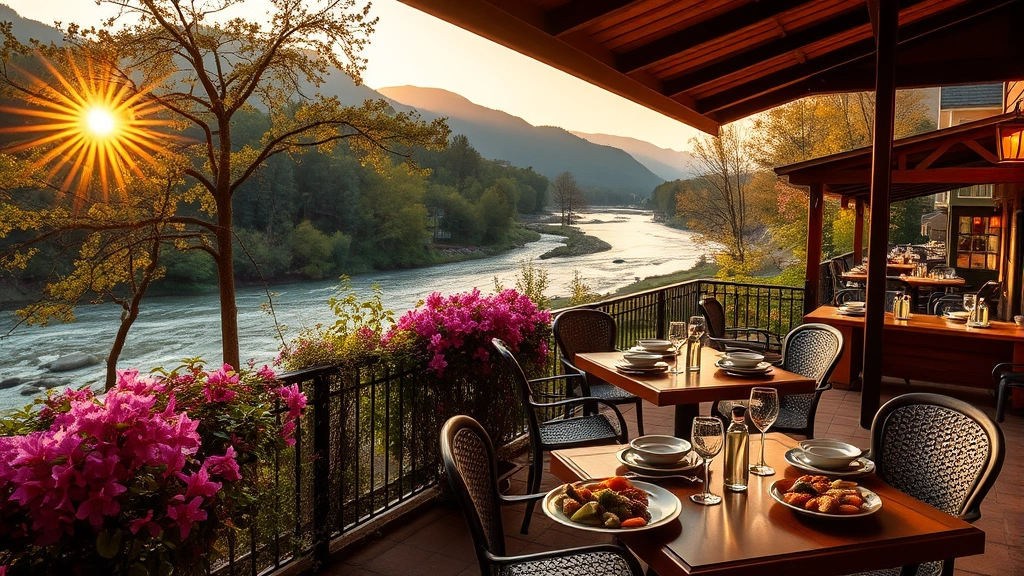
The Nantahala River provides both inspiration and geographic definition for Bryson City’s most atmospheric dining venues. Restaurants positioned along this waterway capitalize on the natural beauty, creating dining environments where the boundary between interior and exterior spaces dissolves into seamless hospitality. The sound of rushing water, the interplay of light through native rhododendron and mountain laurel, and the ever-changing seasonal backdrop combine to create sensory experiences that enhance every meal consumed in these special locations.
These riverside establishments have mastered the delicate balance between showcasing natural beauty and maintaining focus on the culinary artistry on the plate. Large windows frame river views without creating distracting glare, while seating arrangements ensure that every guest experiences optimal sightlines. The architectural philosophy reflects Appalachian building traditions—utilizing natural materials, respecting the landscape’s contours, and creating spaces that feel organically integrated into their environment rather than imposing upon it.
The menu offerings at riverside venues often feature preparations that complement rather than compete with scenic surroundings. Lighter cuisines, delicate flavor profiles, and visually stunning presentations work in concert with environmental beauty to create comprehensive sensory experiences. Fish preparations showcase the rivers’ heritage, with local trout prepared using techniques that honor the fish’s delicate flesh while introducing complementary flavors that enhance rather than obscure its natural qualities.
For those seeking romantic restaurants near me, Bryson City’s riverside establishments provide ideal settings for intimate dining experiences. The natural ambiance, combined with attentive service and sophisticated cuisine, creates atmospheres conducive to meaningful connection and shared culinary exploration.
Farm-to-Table Philosophy in Action
The farm-to-table movement has found particularly fertile ground in Bryson City, where restaurants maintain direct relationships with nearby agricultural producers. These partnerships extend beyond casual ingredient purchasing, instead representing deep collaborative relationships where chefs work directly with farmers to cultivate specific varieties, plan seasonal rotations, and ensure optimal harvest timing. This level of coordination results in ingredient quality that fundamentally transforms the dining experience, as produce arrives at peak ripeness rather than being harvested early for commercial distribution.
Local farms surrounding Bryson City specialize in heirloom vegetable varieties, heritage breed livestock, and foraged ingredients that define authentic Appalachian cuisine. Restaurants showcase these ingredients through menus that shift dramatically with seasons, reflecting availability rather than predetermined culinary direction. Spring menus celebrate tender greens, asparagus, and young herbs; summer emphasizes stone fruits, berries, and vibrant vegetables; autumn features root vegetables, squashes, and game meats; winter highlights preserved preparations and hardy storage crops.
The transparency of farm-to-table sourcing allows diners to understand the complete ingredient journey, from soil to plate. Many restaurants feature detailed menu notations identifying specific farms, foragers, or suppliers for each component of dishes. This practice educates diners while celebrating the often-invisible agricultural labor that makes exceptional cuisine possible. When you taste the difference between conventionally-produced and hyper-locally-sourced ingredients, the value proposition becomes immediately apparent—flavors possess dimension, complexity, and authenticity that mass-production cannot replicate.
Restaurants emphasizing organic restaurants near me philosophies often feature prominent positions within Bryson City’s dining landscape. These establishments have committed to sourcing practices that prioritize environmental sustainability, animal welfare, and long-term soil health. The taste benefits manifest in every component—vegetables possess more vibrant flavors, meats demonstrate superior texture and depth, and dairy products contribute richer, more complex dimensions to preparations.
Authentic Appalachian Fare
Traditional Appalachian cuisine represents centuries of cultural synthesis, blending Native American agricultural practices, African diaspora cooking techniques, and European immigrant foodways into a distinctive regional cuisine. Bryson City’s restaurants honor this heritage while elevating preparations through refined technique and contemporary plating philosophy. Understanding Appalachian cuisine requires recognizing its fundamental principles: resourcefulness, seasonal adaptation, and the creative transformation of humble ingredients into deeply satisfying fare.
Classic Appalachian dishes appear on Bryson City menus with renewed reverence and sophisticated execution. Biscuits and gravy transcend breakfast classification, becoming vehicles for showcasing exceptional local butter, heirloom grain varieties, and artisanal sausage. Cornbread appears in numerous iterations—traditional skillet preparations, modern crumble presentations, and innovative applications as breadcrumbs or crusts for proteins. These foundational dishes demonstrate that Appalachian cuisine’s power lies not in complexity but in ingredient quality, technical precision, and deep cultural understanding.
Mountain cooking traditions emphasize preservation techniques that sustained communities through long winters—pickling, curing, smoking, and fermenting transformed seasonal abundance into year-round sustenance. Contemporary Bryson City restaurants have revitalized these techniques, creating preparations that honor ancestral knowledge while introducing modern flavor profiles. Pickled vegetables provide bright acidic counterpoints to rich proteins, smoked preparations impart sophisticated depth, and fermented ingredients contribute probiotic benefits alongside complex flavor development.
Game preparations hold special significance within Appalachian culinary traditions, reflecting the region’s hunting heritage and deep forest connections. Venison, wild boar, rabbit, and game birds appear on Bryson City menus, prepared with techniques that emphasize their distinctive flavors while introducing complementary elements that enhance rather than mask their essential character. These proteins demand respect from chefs—proper aging, careful butchering, and precise cooking temperatures separate exceptional preparations from mediocre executions.
Casual Dining and Local Favorites
Beyond fine dining establishments, Bryson City’s casual restaurant scene provides equally important culinary experiences, often representing the most authentic expressions of local food culture. These venues—diners, casual bistros, and neighborhood gathering spaces—serve the community daily, adjusting menus based on ingredient availability and customer preferences. The casual sector often demonstrates greater culinary innovation than fine dining counterparts, as chefs operate with fewer pretensions and greater creative freedom.
Local favorite establishments often feature multi-generational ownership, with recipes and techniques passed down through family lines. These restaurants possess institutional memory, maintaining preparations that have sustained the community for decades while selectively introducing new offerings that reflect evolving palates. The regulars who frequent these venues become informal quality control measures, providing immediate feedback that shapes menu evolution and operational decisions.
Casual dining venues in Bryson City often excel at specific specialties—one establishment may become legendary for exceptional barbecue, another for superior pie baking, another for innovative burger preparations. Rather than attempting comprehensive menus, these restaurants focus deeply on perfecting core offerings, achieving mastery through repetition and incremental refinement. This specialization philosophy creates dining destinations where visitors know precisely what they will receive and trust in consistent quality execution.
For travelers seeking dog friendly restaurants, many Bryson City casual establishments offer outdoor seating where canine companions can accompany diners. The casual atmosphere and community-focused ethos make these venues particularly welcoming to families traveling with pets, ensuring that culinary exploration doesn’t require leaving beloved animals behind.
Beverage Programs and Local Craft
Bryson City’s beverage culture reflects broader trends within American hospitality, where drinks receive equivalent attention and artistry as food preparations. Local craft beverage producers—breweries, distilleries, and cideries—have established themselves as important components of the regional food economy. Restaurants feature these local products prominently, creating pairings that showcase how beverages can enhance, complement, and transform dining experiences.
Craft breweries surrounding Bryson City produce distinctive ales and lagers that incorporate regional ingredients—local hops, mountain spring water, and grains from nearby farms. These beers possess flavor profiles that reflect terroir, with subtle variations based on specific growing conditions and production philosophies. Restaurants feature beer programs that educate diners about these distinctions, offering tastings that reveal how brewing decisions influence final flavor outcomes.
Craft distilleries operating in the region produce moonshine, bourbon, and other spirits that celebrate Appalachian distilling heritage while incorporating contemporary production standards. These products appear in thoughtfully constructed cocktails that honor traditional recipes while introducing modern techniques. Sommelier-trained staff at leading Bryson City restaurants guide diners through beverage selections, explaining production methods and suggesting pairings that maximize flavor complementarity.
Non-alcoholic beverage programs have gained increasing prominence, with restaurants offering house-made sodas, specialty coffee preparations, and innovative tea selections. These programs demonstrate that sophisticated beverage culture extends beyond alcohol, with artisanal producers receiving equal recognition and featuring equally prominent menu positions.
Seasonal Menus and Ingredient Sourcing
The most distinguished Bryson City restaurants embrace seasonal menu structures that shift dramatically throughout the year, reflecting ingredient availability rather than predetermined culinary direction. This philosophy requires greater flexibility and creativity from kitchen staff, who must develop new preparations regularly while maintaining consistent quality standards. Seasonal menus also ensure that diners returning to restaurants experience novelty rather than repetition, encouraging repeat visits and creating anticipation for seasonal transitions.
Spring menus celebrate the region’s first harvests—tender greens, asparagus, spring onions, fresh herbs, and young cheeses. Preparations emphasize lightness and delicacy, allowing these early-season ingredients to shine without heavy sauces or complicated technique. Proteins remain relatively light—fish, poultry, and younger animals—that complement rather than overwhelm the season’s delicate flavors. Spring dining in Bryson City captures the region’s emergence from winter, with menus reflecting renewal and fresh beginnings.
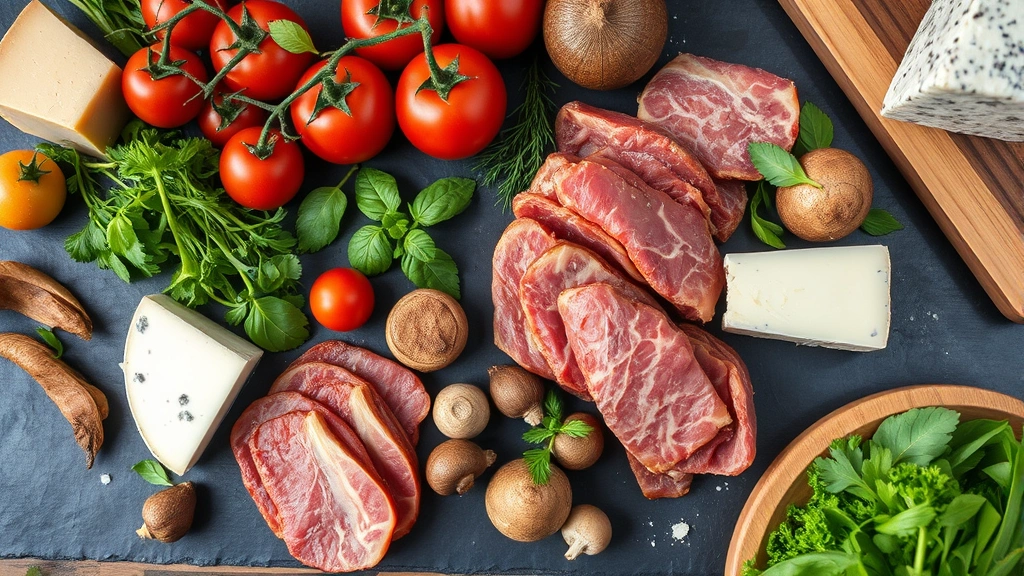
Summer menus showcase the region’s extraordinary abundance—berries, stone fruits, vibrant vegetables, and herbs at peak flavor development. Grilling and lighter cooking techniques dominate, allowing ingredient quality to remain paramount. Tomato preparations appear in numerous iterations, reflecting the region’s tomato-growing heritage and the profound differences between exceptional locally-grown varieties and their commercial counterparts. Summer dining emphasizes outdoor seating, celebrating the season’s favorable weather and natural beauty.
Autumn menus transition toward heartier preparations as root vegetables, squashes, and game meats become available. Cooking techniques shift toward braising, roasting, and smoking, introducing deeper flavors and richer textures. Mushroom foraging reaches peak activity, with restaurants featuring wild varieties that possess flavor intensity impossible to replicate through cultivation. Autumn cuisine in Bryson City embraces abundance and preparation for winter, with menus reflecting the season’s transitional character.
Winter menus feature preserved preparations, storage crops, and hardy vegetables that sustained mountain communities historically. Root cellars and preservation techniques become central to menu development, with chefs showcasing their technical mastery through preparations that transform simple ingredients into sophisticated dishes. Winter dining in Bryson City celebrates resourcefulness and culinary heritage, offering warmth and satisfaction during the season’s cold months.
Dining Experiences for Every Occasion
Bryson City’s restaurant diversity ensures that virtually every dining occasion finds appropriate venues, from casual family gatherings to sophisticated romantic celebrations. This range reflects the town’s maturation as a culinary destination, with establishments representing different price points, cuisine styles, and service formality levels.
Families exploring family restaurants near me discover numerous Bryson City options that balance child-friendly atmospheres with genuine culinary quality. These establishments recognize that exceptional family dining requires more than simply offering children’s menus—it demands commitment to hospitality, reasonable noise tolerance, and menu flexibility. Many family-focused restaurants feature outdoor seating that accommodates active children, comfortable pacing that prevents rushed meals, and staff trained to manage multi-generational dining dynamics gracefully.
Couples celebrating romantic restaurants near me options find that Bryson City establishments excel at creating intimate atmospheres that encourage connection and shared experience. Riverside venues provide natural ambiance, while refined dining rooms offer sophisticated elegance. Many restaurants offer prix fixe menus that simplify decision-making while demonstrating chef artistry through carefully sequenced courses that build flavor and texture development progressively.
Business dining venues in Bryson City balance professional atmospheres with genuine culinary distinction, ensuring that business meals don’t require sacrificing quality. Private dining rooms accommodate confidential discussions, while main dining spaces provide appropriate formality. These restaurants understand that successful business entertaining requires flawless service execution, professional staff demeanor, and cuisine that generates positive discussion without demanding excessive attention.
Solo diners discover that Bryson City restaurants welcome individual guests warmly, recognizing that dining alone represents legitimate culinary exploration rather than consolation activity. Many venues feature bar seating that facilitates conversation with servers and other guests, creating community rather than isolation. These establishments often offer tasting menus or chef’s selections that introduce solo diners to multiple preparations, ensuring comprehensive experience despite limited party size.
For those planning restaurants open on new years day near me occasions, Bryson City establishments often remain open during holiday periods, providing dining options when many competitors close. These venues recognize that holiday travel often brings visitors seeking reliable quality, with restaurants maintaining full service and complete menus despite potentially reduced staff.
Visitors seeking unique experiences discover that Bryson City restaurants offer special programming beyond standard dining—cooking demonstrations, wine pairings, chef’s table experiences, and seasonal celebrations that deepen engagement with the culinary community. These experiences transform dining from passive consumption into active participation, educating guests while creating memorable interactions with chefs and culinary teams.
FAQ
What makes Bryson City restaurants distinctive compared to other mountain towns?
Bryson City’s restaurant scene reflects deep commitment to Appalachian heritage combined with contemporary culinary sophistication. The town’s restaurants have cultivated direct relationships with local producers, established seasonal menu practices, and developed distinctive preparations that honor regional traditions while embracing modern techniques. This combination—authentic cultural connection paired with technical excellence—distinguishes Bryson City from mountain towns that offer either nostalgia-based cuisine or disconnected contemporary cooking.
How do seasonal menus impact dining experiences in Bryson City?
Seasonal menus ensure that each visit to Bryson City restaurants provides novelty while maintaining quality consistency. Rather than relying on year-round menus that require importing out-of-season ingredients, restaurants develop preparations reflecting current availability. This approach produces superior flavor development, supports local agriculture, and creates anticipation for seasonal transitions. Diners returning to favorite restaurants experience different preparations each season, encouraging repeat visits and deeper engagement with the culinary community.
What beverage options complement Bryson City cuisine?
Local craft beverages—beers, spirits, and non-alcoholic options—provide ideal pairings for Bryson City cuisine. Local breweries produce distinctive ales reflecting regional ingredients and terroir, while craft distilleries offer spirits celebrating Appalachian heritage. Wine selections often emphasize American producers working with similar farm-to-table philosophies. Non-alcoholic options including house-made sodas, specialty coffees, and artisanal teas ensure that all diners access quality beverage pairings regardless of alcohol preference.
Are Bryson City restaurants accessible for visitors with dietary restrictions?
Leading Bryson City restaurants demonstrate flexibility regarding dietary requirements, recognizing that accommodating restrictions requires kitchen creativity rather than menu limitation. Chefs working with seasonal, locally-sourced ingredients possess knowledge enabling them to develop preparations meeting various dietary needs. Advance communication with restaurants ensures that kitchens can plan appropriately, developing preparations that maintain culinary standards while respecting dietary requirements. The farm-to-table philosophy actually facilitates dietary accommodation, as chefs understand ingredient composition and can easily modify preparations.
What is the typical price range for dining in Bryson City?
Bryson City restaurants span diverse price ranges, from casual establishments offering meals for under $20 to fine dining venues where multi-course experiences exceed $100 per person. Mid-range restaurants typically offer entrees between $18-35, representing excellent value considering ingredient quality and preparation sophistication. Prix fixe menus often provide better value than à la carte selections, allowing restaurants to showcase multiple preparations while controlling costs. Visitors can enjoy exceptional cuisine at virtually any budget level by selecting venues matching their financial parameters.
When is the best time to visit Bryson City restaurants?
Each season offers distinctive advantages—spring features fresh, delicate ingredients and pleasant weather; summer provides outdoor dining opportunities and peak ingredient abundance; autumn showcases game meats and mushroom preparations; winter celebrates preserved items and hearty preparations. Late spring through early autumn typically offers optimal weather for riverside dining and outdoor activities. Fall foliage season draws significant crowds, potentially requiring advance reservations. Winter offers fewer crowds and opportunities to experience authentic local dining culture without tourist crowds.


