
Flying Idlis Review: Authentic Taste or Hype?
Walking into Flying Idlis, you’re immediately struck by the juxtaposition of traditional South Indian culinary heritage meeting modern restaurant ambition. The establishment has garnered considerable buzz in recent months, with food enthusiasts debating whether this flying idlis restaurant delivers genuine authenticity or merely capitalizes on trending food culture. The question that lingers on every discerning palate: does the execution match the hype?
The idli—that ethereal, cloud-like steamed cake of fermented rice and lentil batter—represents one of India’s most refined breakfast traditions. When a restaurant stakes its reputation on this singular preparation, it assumes tremendous responsibility. Flying Idlis positions itself as a specialist establishment, focusing exclusively on idli variations and complementary South Indian accompaniments. This review examines whether their approach honors traditional fermentation wisdom or sacrifices authenticity for Instagram-worthy presentation.
First Impression and Ambiance
The restaurant’s design aesthetic immediately signals its marketing positioning. Minimalist interiors with exposed brick, Edison bulbs, and carefully curated South Indian artwork create an environment that feels simultaneously contemporary and culturally aware. The ambiance strikes that delicate balance—modern enough to appeal to younger diners, traditional enough to satisfy purists seeking authentic dining experiences.
Service staff demonstrate commendable knowledge about idli preparation methods and ingredient sourcing. When questioned about fermentation duration and rice variety, servers articulate detailed responses about urad dal percentages and fermentation temperatures. This attention to technical detail suggests management understands their core product’s complexity. However, the enthusiastic upselling of premium idli varieties occasionally overshadows genuine recommendations, a minor friction point in an otherwise welcoming experience.
The menu presentation itself deserves scrutiny. Rather than overwhelming diners with excessive variations, Flying Idlis categorizes offerings into Classic Idlis, Fusion Creations, and Specialty Preparations. This structure helps navigate choices while signaling their willingness to experiment beyond tradition. Whether this experimentation enhances or dilutes the idli experience becomes the central evaluation point.
The Idli Varieties: Core Offerings
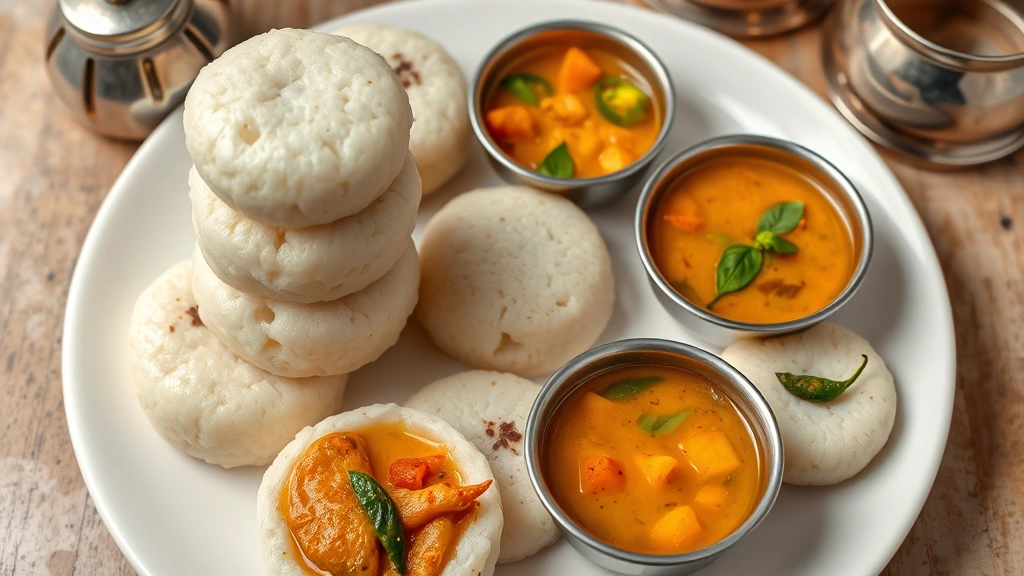
The Classic Idli arrives as a benchmark against which all other preparations must compete. Three perfectly cylindrical cakes, unmolded with precision, display that characteristic pale cream color indicating proper fermentation. The texture immediately impresses—simultaneously fluffy and substantial, with a tender crumb structure that suggests careful batter preparation and steam timing.
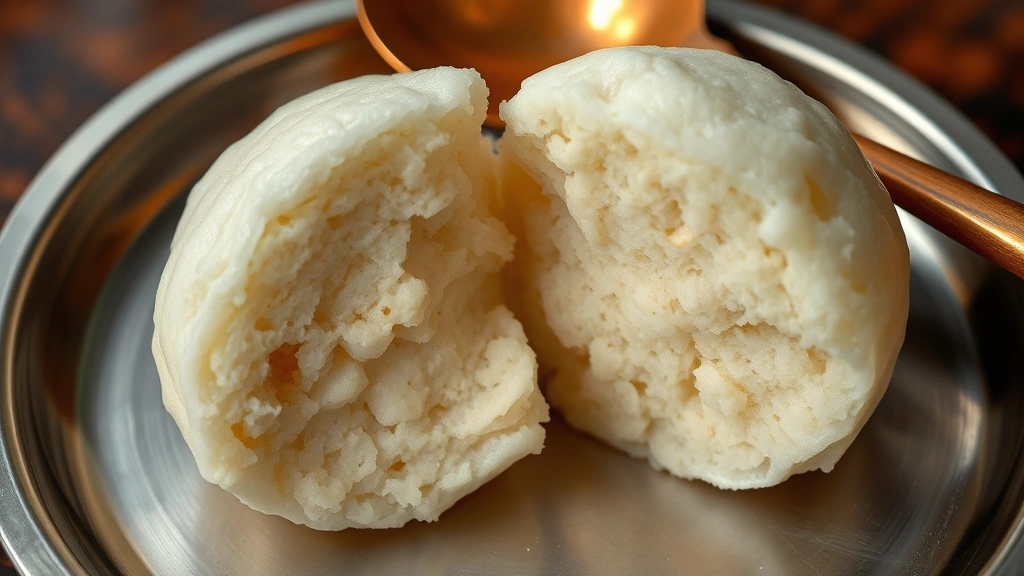
Tearing into the first idli releases subtle aromas of fermented rice and urad dal, those foundational scents of South Indian breakfast culture. The taste profile emphasizes delicate, almost imperceptible sweetness from the fermented batter. The crumb dissolves slowly on the palate, releasing umami notes that develop as flavors compound. This is idli executed with technical precision—exactly what tradition demands.
The Masala Idli variant introduces textural complexity through incorporated spices—mustard seeds, curry leaves, and green chilies distributed throughout the batter before steaming. These additions create flavor pockets that surprise across each bite. The spice integration feels balanced rather than aggressive, allowing the foundational batter character to remain prominent. This preparation demonstrates understanding of how spice distribution affects the overall tasting experience.
The Cheese Idli represents their fusion experimentation. Molten cheddar studded throughout creates an unconventional eating experience—creamy, tangy notes contrasting with steamed rice cake softness. Traditionalists will rightfully question whether dairy additions serve the dish or merely create novelty. However, for those exploring vegan restaurants alternatives and seeking indulgent experiences, this variation offers guilty-pleasure appeal. The cheese doesn’t overwhelm the base preparation, suggesting careful proportion consideration.
Beetroot Idli presents another fusion attempt, staining the traditional pale cakes with deep magenta hues. Beyond visual novelty, beetroot introduces subtle earthiness and natural sweetness that complements the fermented base. The preparation works better than expected, though purists correctly identify it as innovation rather than tradition. The color vibrancy does enhance visual presentation without compromising taste integrity.
Flavor Profiles and Taste Analysis
The fundamental question about Flying Idlis centers on flavor development and palate satisfaction. Idli appreciation requires understanding that these cakes function as vehicles for complementary flavors rather than standalone taste sensations. The preparation’s success depends entirely on supporting elements—sambhar depth, chutney complexity, and condiment balance.
The Classic Idli’s subtle flavor profile initially seems underwhelming to unfamiliar palates. However, this restraint reflects authentic South Indian philosophy. The batter’s fermented character provides umami foundation, while the steam cooking preserves delicate volatile compounds. Experienced tasters recognize this preparation as technically superior—achieving maximum flavor extraction from minimal ingredients represents culinary sophistication.
Subsequent bites reveal flavor evolution. Initial sweetness from fermented batter gives way to deeper savory notes. The crumb’s tender structure allows flavors to develop progressively across the mouth. This is patient, meditative eating—the opposite of aggressive, immediately satisfying taste explosions. Whether this appeals to individual preferences determines whether Flying Idlis satisfies or frustrates.
The Ghee-Roasted Idli variant introduces textural contrast through shallow pan-browning that creates subtle crispness on exterior surfaces while maintaining interior softness. The ghee imparts rich, nutty aromatics that elevate the preparation without overwhelming fermented batter character. This technique demonstrates sophisticated understanding of how heat application transforms idli’s essential qualities.
Temperature management throughout the meal affects taste perception significantly. Flying Idlis serves preparations at optimal warmth, maintaining that crucial steam-heat that keeps cakes at peak texture. Allowing idlis to cool compromises eating quality substantially, and this establishment respects that timing consideration.
Sambhar, Chutney, and Sides
Idli cannot be properly evaluated in isolation. The sambhar—that complex vegetable and lentil stew infused with tamarind, spices, and aromatics—provides essential flavor counterpoint. Flying Idlis’ sambhar demonstrates considerable care in preparation. The broth achieves that characteristic golden-brown hue indicating proper spice tempering and extended simmering. Vegetable components retain slight firmness, suggesting controlled cooking rather than extended stewing.
The flavor profile balances multiple competing elements masterfully. Tamarind provides tangy backbone without overwhelming palate. Fenugreek seeds contribute subtle bitterness that prevents one-dimensional sweetness. Chili heat builds progressively rather than attacking immediately. This is sambhar prepared with understanding of how individual spice components interact—a critical indicator of kitchen competency.
Coconut chutney arrives vibrant green, freshly ground rather than pre-prepared. The texture achieves that ideal balance between paste and sauce—substantial enough to coat idli without being overly thick. Coconut’s subtle sweetness combines with green chili brightness and curry leaf aromatics to create a supporting player that enhances without dominating. The chutney’s freshness suggests daily preparation, a commitment to quality that justifies premium pricing.
Tomato chutney presents differently—deeper color indicating longer cooking or concentrated tomato paste. The preparation leans toward sweetness with underlying chili heat, appealing to broader palates while maintaining South Indian authenticity. This variation suggests menu consideration for varying spice tolerances, a practical acknowledgment of diverse diner preferences.
Gunpowder (podi)—that fiery blend of dried chilies, lentils, and aromatics—arrives as a condiment allowing diners to control heat intensity. The preparation’s crispness and aromatic intensity suggest fresh grinding, avoiding the stale, dusty character of aged preparations. This attention to ingredient freshness across all components demonstrates systemic quality commitment.
Authenticity Versus Innovation
The central tension throughout Flying Idlis’ menu involves balancing traditional preparation with contemporary culinary exploration. This debate extends beyond single-restaurant evaluation to broader questions about how traditional cuisines evolve while maintaining cultural integrity.
Authentic South Indian idli preparation follows principles developed across centuries. Fermentation duration, batter ratios, steam temperature, and timing represent accumulated wisdom. Flying Idlis respects these fundamentals—their Classic Idli validates traditional methodology. However, their fusion variations introduce ingredients and techniques that departure from established practice.
The question becomes whether innovation enhances or dilutes the experience. Cheese Idli and Beetroot Idli represent creative exploration that some diners celebrate as refreshing evolution and others dismiss as inauthentic gimmickry. Both perspectives hold validity depending on one’s philosophy regarding traditional cuisine adaptation. If you’re exploring garden city restaurants seeking cutting-edge cuisine, these variations appeal. If you prioritize strict traditional adherence, they disappoint.
The restaurant’s strength lies in maintaining quality across both traditional and innovative offerings. Lesser establishments compromise traditional preparations while experimenting with fusion—Flying Idlis avoids this trap. Their Classic Idli remains impeccable, validating core competency while fusion variations represent optional exploration rather than desperate novelty.
This approach mirrors broader culinary trends where respected chefs honor classical techniques while incorporating contemporary elements. The World Association of Chefs Societies increasingly recognizes cultural fusion as legitimate culinary expression when executed with respect and technical excellence. Flying Idlis demonstrates this philosophy—innovation serving cuisine rather than exploiting it for marketing advantage.
Value for Money Assessment
Premium pricing characterizes Flying Idlis’ approach. A Classic Idli trio costs considerably more than comparable preparations at traditional South Indian establishments. This premium demands justification beyond ambiance and service quality.
The value equation requires evaluating ingredient quality, preparation technique, and dining experience comprehensively. Flying Idlis clearly sources premium ingredients—the sambhar’s complexity suggests fresh spices and careful sourcing, the chutney’s vibrancy indicates daily preparation, the idli’s texture suggests optimal fermentation and steam cooking. These quality markers justify price premiums over establishments cutting corners.
The service quality and ambiance do command premium pricing in contemporary restaurant economics. However, Flying Idlis avoids the trap of charging high prices while delivering mediocre food—their preparations match price points. For diners prioritizing quality and willing to invest in premium dining experiences, the value proposition succeeds.
Budget-conscious diners might find better value at traditional South Indian restaurants offering comparable quality at lower price points. However, Flying Idlis targets diners valuing contemporary ambiance, knowledgeable service, and consistent quality—not merely sustenance. From this perspective, pricing aligns with value delivery.
The restaurant’s positioning within broader dining ecosystems matters contextually. Compared to Chicago restaurant week establishments or best restaurants in London, Flying Idlis’ pricing remains accessible while maintaining quality standards. This represents thoughtful market positioning rather than exploitative premium charging.
For families seeking restaurants with play areas near me, the premium pricing might prove prohibitive for casual visits. However, Flying Idlis targets adults seeking refined culinary experiences rather than family casual dining. This market positioning explains pricing structure and justifies premiums within appropriate context.
The Hype Versus Reality Verdict
Flying Idlis generates significant buzz through social media marketing, influencer partnerships, and contemporary restaurant positioning. The question becomes whether reality matches promotional narrative.
Regarding core product quality, the answer is affirmative. The idlis themselves—whether classic or innovative—demonstrate technical excellence and ingredient quality that justify attention. The supporting elements (sambhar, chutneys, condiments) similarly reflect careful preparation and quality sourcing. The restaurant delivers on fundamental culinary promises.
Regarding ambiance and experience, Flying Idlis provides contemporary dining quality matching premium positioning. Service staff demonstrate product knowledge, attention to detail, and genuine hospitality. The environment balances cultural authenticity with modern aesthetics effectively. These elements contribute to overall satisfaction beyond food quality alone.
However, the restaurant’s hype occasionally exceeds proportional quality delivery. Certain fusion variations feel more novelty-driven than genuinely innovative. The Instagram-focused presentation sometimes overshadows substance. For diners seeking purely traditional South Indian breakfast experience, the contemporary positioning might feel slightly inauthentic despite quality execution.
The honest assessment: Flying Idlis represents genuinely excellent preparation of an ancient dish, executed with technical precision and supported by quality ingredients and thoughtful service. The hype is justified but not excessive. This is a restaurant that delivers on promises, avoiding the common trap of marketing exceeding reality. Whether the experience justifies premium pricing depends on individual values regarding ambiance, service quality, and willingness to invest in refined casual dining.
FAQ
What makes Flying Idlis different from traditional South Indian restaurants?
Flying Idlis combines classical idli preparation techniques with contemporary restaurant design, premium ingredient sourcing, and knowledgeable service. While traditional establishments focus on function and value, Flying Idlis emphasizes refined presentation and culinary exploration alongside traditional offerings. The fusion variations represent their primary differentiation, though these remain optional rather than required menu choices.
Are the idlis at Flying Idlis authentically South Indian?
The Classic Idli preparation is authentically South Indian, following traditional fermentation and steam-cooking methodology. Fusion variations (Cheese Idli, Beetroot Idli) represent contemporary culinary innovation rather than traditional preparation. The restaurant maintains authentic foundations while exploring creative evolution—a philosophy respected within modern culinary circles.
How does sambhar quality compare to traditional establishments?
Flying Idlis’ sambhar demonstrates exceptional quality with well-balanced spice integration, proper vegetable texture, and appropriate tamarind acidity. The preparation rivals or exceeds traditional establishments, suggesting kitchen competency extends beyond idli preparation to supporting elements. This comprehensive quality across all components justifies premium positioning.
Is Flying Idlis suitable for families with children?
While not specifically child-focused, Flying Idlis accommodates families adequately. The menu includes mild preparations suitable for younger palates, and service staff address dietary considerations thoughtfully. However, the premium pricing and refined ambiance target adult dining experiences more than family casual dining. For families seeking black owned restaurants or other diverse establishments with stronger family focus, alternatives might prove more appropriate.
What about vegan options at Flying Idlis?
Idlis are naturally vegan when prepared with traditional rice and lentil batter. All sambhar, chutneys, and most condiments are also plant-based. However, specific fusion preparations (Cheese Idli) include dairy. Diners following strict vegan restaurants guidelines should verify individual preparations, though the majority of menu offerings accommodate plant-based preferences naturally.
How does pricing compare to other premium South Indian restaurants?
Flying Idlis prices premium compared to casual South Indian establishments but reasonably compared to other refined dining experiences. The pricing reflects ingredient quality, preparation technique, service excellence, and ambiance. Budget-conscious diners might find better value elsewhere, but those prioritizing quality and contemporary dining experience find reasonable value alignment.
What’s the best way to experience Flying Idlis for first-time visitors?
Begin with Classic Idli to establish baseline quality and experience traditional preparation. Pair with sambhar and both chutney varieties to understand how supporting elements elevate the core preparation. If interested in innovation, explore one fusion variation while maintaining traditional selections. This approach allows comprehensive evaluation of both kitchen competency and personal preferences regarding traditional versus contemporary approaches.


