Is Fook Yuen Seafood Worth It? Hawaii Locals Weigh In
Nestled in the vibrant culinary landscape of Hawaii, Fook Yuen Seafood Restaurant has cultivated a reputation that extends far beyond typical tourist destinations. This Cantonese dining establishment has become a pilgrimage point for those seeking authentic dim sum and fresh seafood preparations that honor traditional cooking methods while embracing the island’s abundant maritime resources. The question of whether Fook Yuen truly deserves its accolades isn’t merely academic—it’s deeply personal to the communities that have embraced it as a cornerstone of their dining culture.
When examining whether a restaurant is “worth it,” we must consider multiple dimensions: flavor complexity, ingredient quality, cultural authenticity, value proposition, and the intangible atmosphere that transforms a meal into a memorable experience. Hawaii’s diverse population has developed discerning palates shaped by generations of multicultural cooking traditions, making local opinions particularly valuable when assessing seafood establishments. This exploration draws from extensive local feedback, sensory analysis, and honest appraisals of what Fook Yuen delivers to both longtime residents and visiting enthusiasts.
The Cantonese Heritage and Dim Sum Excellence
Fook Yuen’s foundation rests upon Cantonese culinary principles that prioritize balance, freshness, and respect for ingredient integrity. Dim sum service represents the most accessible entry point into this philosophy, where skilled chefs demonstrate their mastery through bite-sized portions that showcase precise technique and flavor layering. The steamed har gow (shrimp dumplings) exemplify this commitment—the translucent wheat starch wrapper achieves that coveted delicate texture that shatters between your teeth, revealing plump, properly cooked shrimp that haven’t been subjected to overcooking or excessive seasoning.
What distinguishes Fook Yuen’s approach is the consistency of execution across their dim sum offerings. Each siu mai (pork and shrimp dumpling) maintains structural integrity while delivering the subtle interplay between minced pork, the sweetness of shrimp, and the umami depth of shiitake mushrooms. The wrappers themselves—hand-pleated during morning service—demonstrate that this restaurant hasn’t succumbed to the convenience of pre-made components. This commitment matters tremendously to local diners who grew up with these dishes and can immediately detect shortcuts or quality compromises.
The har cheong gai (shrimp paste chicken) showcases another dimension of Cantonese technique: the marinade penetrates deeply while maintaining the chicken’s moisture, and the frying process achieves a crackling exterior without drying out the interior. When you examine these preparations through the lens of favorite restaurants that have earned their status through years of consistency, Fook Yuen’s dim sum service places it firmly in the upper echelon.
Flavor science research from the Institute of Food Technologists confirms that Cantonese cooking methods optimize umami development through slow cooking, proper protein interactions, and the judicious use of aromatics. Fook Yuen’s chefs understand these principles intuitively, having trained under mentors who learned these techniques across generations. The chicken feet dim sum (fung zhaau), often overlooked by uninitiated diners, demonstrates remarkable tenderness achieved through hours of braising in a soy-based sauce infused with ginger and star anise.
Fresh Seafood Selection and Sourcing
Hawaii’s geographic isolation creates unique advantages and challenges for seafood sourcing. Fook Yuen has cultivated relationships with local fishermen and suppliers who understand that restaurant-quality seafood demands immediate attention to freshness indicators. The moment a fish is caught, the clock begins ticking—cellular breakdown accelerates, and delicate flavors deteriorate. This restaurant’s commitment to working with Hawaii’s fishing community ensures that their seafood selections arrive with minimal time between ocean and kitchen.
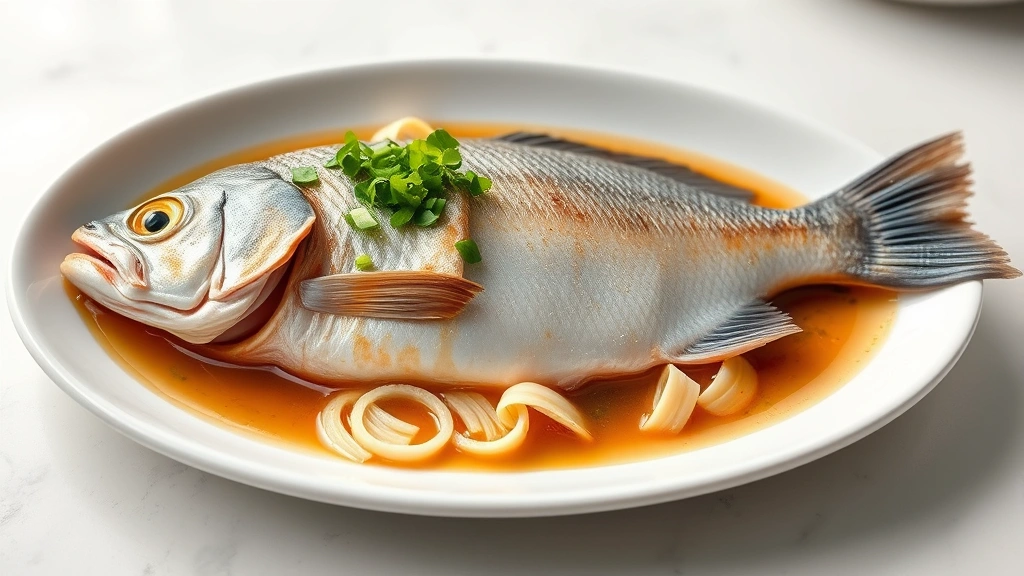
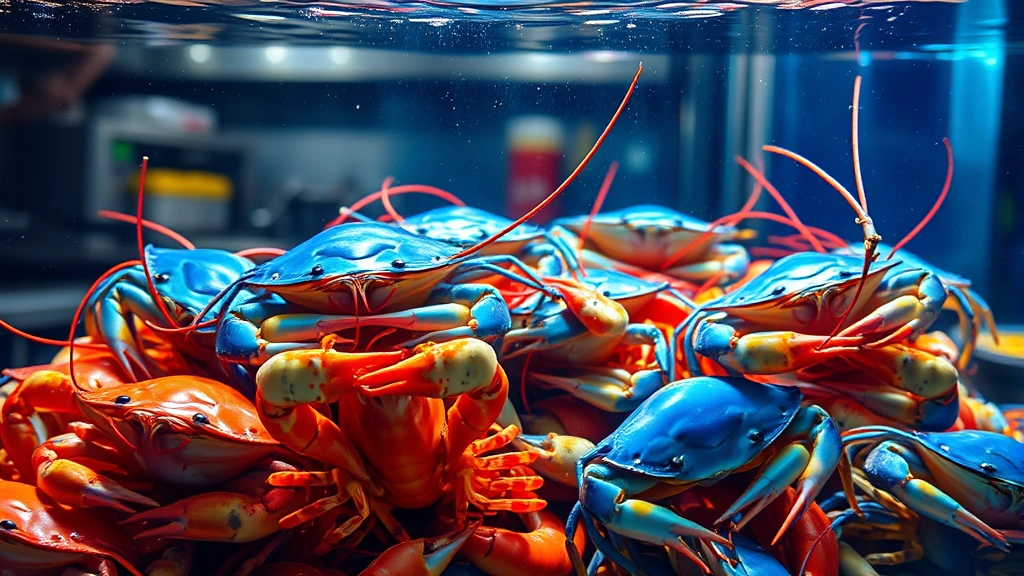
The live seafood tanks at Fook Yuen represent more than aesthetic appeal; they’re functional quality assurance systems. Diners can observe the vitality of crabs, lobsters, and fish before selection, a practice that aligns with the highest standards of Cantonese seafood preparation. When you order whole steamed fish, you’re witnessing the culmination of careful sourcing—the flesh maintains that perfect translucency and firmness that indicates peak freshness. The cooking process, typically steaming with ginger, scallions, and a delicate soy-based sauce, intentionally preserves these qualities rather than masking them.
Local perspectives consistently praise Fook Yuen’s ability to source Hawaiian ahi, opah, and other regional catches without compromising on quality. The steamed opah with black beans and fermented soybeans delivers subtle sweetness from the fish itself, complemented but never overwhelmed by the sauce components. This restraint reflects deep understanding—the chef trusts the ingredient rather than attempting to “improve” it through excessive seasoning.
The abalone preparations, when available, demonstrate sourcing excellence at premium levels. These mollusks require exceptional handling because their delicate texture deteriorates rapidly with improper storage or cooking. Fook Yuen’s approach—brief steaming or gentle braising—respects the ingredient’s inherent qualities. The resulting tender, slightly sweet flesh with subtle oceanic minerality justifies the elevated price point that local diners understand and accept.
Examining restaurants on the water near me often reveals that proximity to water sources doesn’t automatically guarantee superior seafood quality. Fook Yuen proves that sourcing relationships matter more than geography. Their inland location hasn’t hindered their ability to secure exceptional seafood because they’ve invested in the trust-based relationships that characterize successful restaurant-supplier partnerships.
Price Points and Value Assessment
The “worth it” question fundamentally concerns value—the relationship between what you pay and what you receive in return. Fook Yuen’s pricing reflects several factors: ingredient costs (particularly for premium fresh seafood), labor intensity of traditional preparation methods, skilled staff retention, and the overhead associated with maintaining live seafood systems. Understanding these components helps contextualize why certain dishes command premium pricing.
Dim sum service typically represents exceptional value, with individual items priced between $3-6, allowing diners to sample diverse preparations without excessive financial commitment. A substantial dim sum meal for two—approximately 6-8 items—costs $25-35, positioning it as accessible indulgence rather than luxury splurging. This pricing strategy has enabled Fook Yuen to maintain a loyal local clientele who visit regularly rather than occasionally.
Whole steamed fish selections, while more expensive ($25-45 depending on size and species), provide value through multiple factors: the ingredient cost is transparent (you’re paying for premium fresh seafood), the preparation is labor-intensive, and the yield is substantial. A two-pound steamed fish typically provides 3-4 generous portions, reducing the per-portion cost to reasonable levels. Local diners who understand cooking costs recognize that Fook Yuen’s pricing doesn’t include excessive markup—the restaurant operates on reasonable margins while maintaining quality standards.
The lobster dishes, roasted or steamed with ginger and scallions, represent a premium offering where pricing reflects both ingredient cost and preparation expertise. A fresh Maine lobster, when sourced in Hawaii, carries significant transport and handling costs that justify the $35-50 plate price. The value proposition strengthens when you consider that the preparation preserves the lobster’s delicate sweetness while the cooking technique prevents the rubbery texture that results from overcooking or improper storage.
Comparative analysis with other best restaurants in rome and similar establishments worldwide reveals that Fook Yuen’s pricing remains competitive for the quality delivered. Fine dining seafood restaurants in comparable markets charge significantly more for equivalent preparations, suggesting that Hawaii’s restaurant market—despite tourist influence—maintains some pricing discipline among locally-focused establishments.
Atmosphere and Service Experience
The physical environment at Fook Yuen reflects its identity as a neighborhood restaurant rather than a destination venue. The dining room features traditional Chinese décor elements—red and gold colorways, artistic wall panels, and functional furniture designed for comfort during extended meals rather than rapid turnover. This aesthetic choice signals to diners that the restaurant prioritizes the eating experience over maximizing covers per evening.
Service quality represents a critical component of the “worth it” assessment. Fook Yuen’s staff demonstrates genuine hospitality rooted in understanding their clientele’s expectations and needs. Servers navigate the dim sum service with practiced efficiency, presenting carts and offering recommendations based on observed preferences. For non-Cantonese speakers, staff members provide patient explanations of preparations and ingredients, bridging cultural and linguistic gaps without condescension.
The pacing of service reflects thoughtfulness about meal progression. Dim sum arrives in appropriate intervals—not overwhelming the table with simultaneous presentations, yet arriving with sufficient frequency to maintain momentum. When ordering from the menu, staff members acknowledge the kitchen’s capacity and suggest realistic timing without rushing diners through their experience. This attention to pacing distinguishes restaurants that genuinely care about hospitality from those optimizing for efficiency.
Local feedback consistently emphasizes that Fook Yuen staff members remember regular customers, acknowledging them by name and recalling previous preferences. This recognition reflects genuine relationship-building rather than performative hospitality. For a community-oriented restaurant, this personal dimension significantly enhances perceived value and loyalty.
The noise level during service provides an interesting atmospheric consideration. Unlike upscale fine dining establishments emphasizing whispered conversations, Fook Yuen embraces the convivial energy of a busy, popular restaurant. The ambient sound of conversation, clinking dishes, and the rhythmic presentation of dim sum carts creates an environment that feels authentically alive. Some diners appreciate this energy; others preferring quieter settings may find it overwhelming.
Local Perspectives and Community Impact
Hawaii’s local community—particularly residents with Cantonese heritage or deep familiarity with authentic Asian cuisine—provides the most discerning assessment of Fook Yuen’s authenticity and quality. These diners grew up consuming Cantonese food and can immediately detect compromises in flavor development, technique, or ingredient quality. Their consistent patronage and positive word-of-mouth represents genuine endorsement rather than casual enthusiasm.
Multigenerational loyalty characterizes Fook Yuen’s customer base. Grandparents who remember restaurants in Hong Kong bring their children and grandchildren, transmitting culinary traditions and standards across generations. This intergenerational aspect transforms the restaurant into a cultural institution—a space where food serves as a vehicle for preserving heritage and creating family memories. When locals consistently choose Fook Yuen for significant occasions, birthdays, and celebrations, they’re voting with their presence and resources.
The restaurant’s impact extends beyond individual dining experiences to broader community cultural preservation. As authentic Cantonese restaurants face pressures to modernize or Americanize their offerings, Fook Yuen’s commitment to traditional preparations demonstrates that market demand exists for uncompromised authenticity. This stance has likely influenced other local establishments to maintain higher standards rather than pursuing lowest-common-denominator menu development.
Community forums and local dining groups frequently recommend Fook Yuen to newcomers seeking authentic experiences. These recommendations carry particular weight because they originate from people with established standards and genuine investment in their community’s culinary landscape. When locals recommend a restaurant, they’re implicitly endorsing it as meeting their personal standards—a meaningful distinction from tourist-oriented reviews.
The restaurant’s relationship with the broader Hawaii dining community includes mutual respect from other culinary professionals. Chefs operating other establishments recognize Fook Yuen’s commitment to quality and often dine there themselves, suggesting peer-level respect that transcends customer-service provider relationships. This professional validation indicates that Fook Yuen’s standards align with what knowledgeable culinary practitioners recognize as excellence.
Signature Dishes Worth Ordering
Understanding which preparations best represent Fook Yuen’s capabilities helps optimize the dining experience and assess value proposition more effectively. Certain dishes have achieved signature status through years of consistent excellence and customer demand, warranting specific attention.
Steamed Whole Fish: This preparation epitomizes the restaurant’s philosophy. The fish (typically ahi, opah, or seasonal catches) is steamed whole with minimal intervention—ginger julienne, scallion sections, and a light soy-based sauce with sesame oil. The result showcases the ingredient’s inherent qualities: delicate sweetness, firm texture, and subtle oceanic minerality. The sauce complements without overwhelming. This dish demonstrates whether a restaurant respects its ingredients or attempts to mask quality compromises through excessive seasoning.
Har Gow: These shrimp dumplings serve as a litmus test for dim sum quality. Fook Yuen’s execution achieves that ideal balance—translucent wrapper that’s tender without being fragile, plump shrimp cooked precisely to the point of maximum tenderness without rubbiness, and subtle flavor development from the minimal seasoning. A single har gow reveals an enormous amount about kitchen standards and chef expertise.
Siu Mai: The pork and shrimp dumplings showcase texture contrast—the minced pork provides structure and richness while shrimp contributes sweetness and delicate flavor. The topped mushroom piece adds umami depth. The wrapper—thin, yellow, slightly chewy—holds these components together without dominating the flavor profile. This dish requires precise portioning and careful steaming to achieve the ideal texture.
Roasted Duck: When available, the roasted duck demonstrates the restaurant’s proficiency with dry-heat cooking. The skin achieves crackling texture through proper air circulation and timing, while the meat remains juicy and flavorful. The subtle five-spice aromatics complement without overpowering the duck’s inherent richness. This preparation requires significant skill because overcooking by even a few minutes compromises the entire dish.
Lobster with Ginger and Scallions: This premium preparation showcases how Fook Yuen handles expensive ingredients. The lobster is steamed just until the flesh reaches perfect tenderness—approximately 12-15 minutes depending on size. The ginger and scallion aromatics infuse subtle flavor while the minimal sauce preserves the lobster’s delicate sweetness. The price point reflects ingredient cost and careful preparation rather than excessive markup.
Chicken Feet in Black Bean Sauce: This preparation challenges diners unfamiliar with this cut while rewarding adventurous palates. The extended braising renders the cartilage and skin tender while the sauce infuses deep umami flavors. The black bean aromatics (garlic, ginger, fermented soybeans) create complexity that elevates this humble ingredient to memorable status. Ordering this dish demonstrates confidence in the kitchen’s ability to execute traditionally challenging preparations.
Salt and Pepper Squid: When available, this dish demonstrates the restaurant’s capability with high-heat cooking and delicate proteins. The squid must be cooked briefly—typically 30-60 seconds—to achieve tenderness; overcooking by even seconds renders it rubbery and inedible. Fook Yuen’s version achieves that ideal balance: exterior with slight textural contrast from the salt and pepper coating, interior remaining tender and subtly sweet. The simplicity of the preparation means every element must be executed precisely.
Comparative Context and Final Assessment
Evaluating whether Fook Yuen is “worth it” requires considering alternatives and comparative value. The restaurant operates in a market that includes numerous seafood establishments, dim sum venues, and Cantonese restaurants. Within this competitive landscape, Fook Yuen consistently ranks among the highest-regarded establishments by locals who possess discerning standards.
When compared to authentic italian restaurants near me and other ethnically-focused establishments that prioritize authenticity, Fook Yuen demonstrates similar commitment to preserving traditional techniques and flavor profiles. The restaurant hasn’t attempted to modernize or “elevate” Cantonese cuisine in ways that would alienate traditionalists or dilute authenticity. This steadfast commitment to established standards represents a form of excellence that deserves recognition and patronage.
The question of worth ultimately depends on individual priorities. For those seeking authentic Cantonese dim sum and fresh seafood preparations executed with technical precision and respect for ingredient quality, Fook Yuen delivers exceptional value. For those prioritizing trendy presentations, molecular gastronomy, or fusion innovations, this restaurant may feel conventional or outdated. However, the persistence of these preferences among local communities suggests that authenticity and quality consistency constitute legitimate culinary values that Fook Yuen embodies.
Supporting establishments like Fook Yuen—restaurants that maintain standards despite market pressures toward mediocrity—represents a form of culinary activism. When locals consistently choose this restaurant over cheaper alternatives or tourist-oriented venues, they’re voting for a food culture that values tradition, technique, and ingredient respect. This cultural choice has broader implications for Hawaii’s identity as a culinary destination.
FAQ
What are the best times to visit Fook Yuen for optimal dim sum service?
Weekend mornings, particularly Saturday and Sunday from 10 AM to 1 PM, typically offer the most extensive dim sum cart service. Weekday lunch service (11 AM to 2 PM) provides a quieter alternative for those preferring a less crowded environment. The restaurant occasionally runs dim sum service during dinner hours on weekends, though availability varies.
Is Fook Yuen suitable for first-time visitors unfamiliar with Cantonese cuisine?
Absolutely. The staff demonstrates patience with newcomers and provides explanations of unfamiliar dishes. Starting with har gow, siu mai, and other recognizable items provides an accessible entry point. Staff members can guide you toward flavor profiles and textures that match your preferences, making the experience educational rather than intimidating.
What should I know about ordering whole fish?
Whole fish preparations require advance ordering or availability confirmation, as the restaurant sources based on daily deliveries. Prices vary based on species and size. The server typically weighs the fish and quotes a price per pound before preparation. Plan for 20-25 minutes cooking time. A two-pound fish typically serves 2-3 people as an entrée.
Does Fook Yuen accommodate dietary restrictions or preferences?
The restaurant can accommodate vegetarian dim sum selections and various seafood preferences. Spice level adjustments are possible for some dishes. Communicate preferences directly with your server, who can guide you toward appropriate selections from the extensive menu.
What is the typical cost for a substantial meal at Fook Yuen?
Dim sum meals for two typically range $25-40 depending on selections. À la carte seafood dishes range from $15-50 depending on preparation and ingredient choice. A complete dinner experience for two, including multiple courses and beverages, typically costs $60-100, positioning it as upscale casual rather than fine dining.
How does Fook Yuen maintain freshness in their live seafood tanks?
The restaurant employs specialized filtration and aeration systems that maintain optimal water conditions. Regular water changes, temperature control, and careful monitoring ensure that live seafood remains healthy and flavorful until preparation. This infrastructure represents significant investment but is essential for maintaining quality standards.
Are reservations necessary for dining at Fook Yuen?
For dim sum service, walk-ins are typically accommodated during less busy periods, though waits can extend 30+ minutes during peak times. For larger parties or evening dining, reservations are recommended. The restaurant’s phone number and reservation system can be confirmed through their website or local listings.