Top NYC Vegan Spots: Food Critic Reviews
New York City’s vegan dining scene has undergone a remarkable transformation over the past decade, evolving from a niche market into a thriving culinary movement that rivals traditional fine dining in sophistication and flavor complexity. What was once relegated to health-conscious corners of cafés has blossomed into full-service restaurants where plant-based cuisine commands the same respect, technical precision, and ingredient sourcing rigor as any Michelin-starred establishment. The city’s most innovative chefs are now embracing vegan gastronomy not as a limitation, but as an exciting frontier for culinary creativity.
As a food critic who has spent countless evenings sampling menus across Manhattan, Brooklyn, and beyond, I’ve witnessed firsthand how NY vegan restaurants have elevated plant-based cooking to an art form. These establishments are no longer apologizing for what they don’t serve; instead, they’re celebrating the extraordinary depth, umami complexity, and sensory satisfaction that vegetables, legumes, grains, and plant-based proteins can deliver. From fermented mushroom broths that rival beef consommé in richness to cashew-based sauces that achieve the creaminess of traditional beurre blanc, these restaurants prove that ethical dining needn’t compromise on pleasure, technique, or indulgence.
Understanding NYC’s Vegan Dining Renaissance
The landscape of plant-based dining in New York has fundamentally shifted, driven by a convergence of factors: increased environmental awareness, health consciousness, and perhaps most importantly, the recognition that vegan cooking represents genuine culinary innovation. The city’s multicultural food traditions have provided an incredible foundation for this movement. Many global cuisines have deep vegetable-forward traditions—Lebanese mezze, Indian dals and curries, Italian pasta primaveras, Japanese vegetable preparations—that chefs now reinterpret with modern techniques and local, seasonal ingredients.
What distinguishes New York’s vegan restaurants from casual plant-based eateries elsewhere is the unwavering commitment to flavor intensity and textural complexity. Chefs here understand that vegan dining succeeds not through substitution but through genuine culinary excellence. A well-executed vegan tasting menu might feature courses built around foraged mushrooms, heritage grains, fermented vegetables, and innovative plant-based proteins that showcase the full spectrum of earthiness, sweetness, bitterness, and umami that nature provides.
If you’re exploring the broader restaurant landscape while seeking ethical options, you might also consider checking out warm and cozy restaurants that feature vegan-friendly menus, or exploring international cuisines at establishments like Jalisco Restaurant and Cozumel Mexican Restaurant, which both offer excellent plant-based options alongside their traditional fare.
Fine Dining Vegan Excellence
The vegan fine dining scene in New York has matured significantly, with several restaurants now offering tasting menus that challenge conventional notions of what plant-based cuisine can achieve. These establishments employ the same plating techniques, flavor layering, and ingredient manipulation that characterize Michelin-starred restaurants worldwide. The difference lies in the creative constraints, which paradoxically often lead to more innovative thinking.
Consider the technical mastery required to create a mushroom consommé with the crystalline clarity and profound umami depth of a traditional veal stock. This demands understanding the chemistry of extraction, the precise temperatures that maximize flavor release while minimizing cloudiness, and the patience to clarify through multiple stages. When executed properly, such a dish demonstrates that plant-based cooking operates at an equivalent technical level to classical French cuisine.
The wine pairing programs at these establishments have also evolved dramatically. Sommeliers now approach vegan menus with the same thoughtfulness applied to omnivorous tasting menus, seeking wines that complement vegetable-forward courses rather than defaulting to lighter styles. A charred cauliflower course might pair beautifully with an aged Riesling or a mineral-driven white Burgundy, while a rich mushroom ragù could match the depth of a Pinot Noir or Barbera.
For a comprehensive overview of the finest vegan establishments in the city, explore our guide to best vegan restaurants NYC, which provides detailed reviews and critic insights.
Casual Vegan Favorites with Serious Flavor
Not all exceptional vegan dining happens in formal settings with white tablecloths and multi-course tasting menus. Some of the most exciting and craveable dishes I’ve encountered come from casual neighborhood spots where chefs balance accessibility with genuine culinary ambition. These restaurants understand that vegan comfort food can be just as satisfying and flavorful as traditional preparations.
A standout example is the elevated plant-based burger category. Rather than attempting to replicate beef, innovative chefs have created burger experiences built entirely from vegetables, legumes, and grains. A beet and walnut patty, properly seasoned and seared to develop a flavorful crust, topped with cashew cheese, roasted red peppers, and a vibrant herb aioli, delivers a complex, layered eating experience that transcends simple substitution. The umami comes from layers of technique and ingredient selection rather than animal protein.
Noodle dishes represent another arena where vegan restaurants excel. A handmade pasta or fresh ramen showcases how plant-based broths—built from kombu, shiitake mushrooms, dried chilies, and aromatics—can achieve incredible depth and body. The addition of fermented elements like miso or tamari intensifies the umami profile, while fresh herbs and citrus provide brightness and balance. These bowls become meditative eating experiences, warming from the inside out.
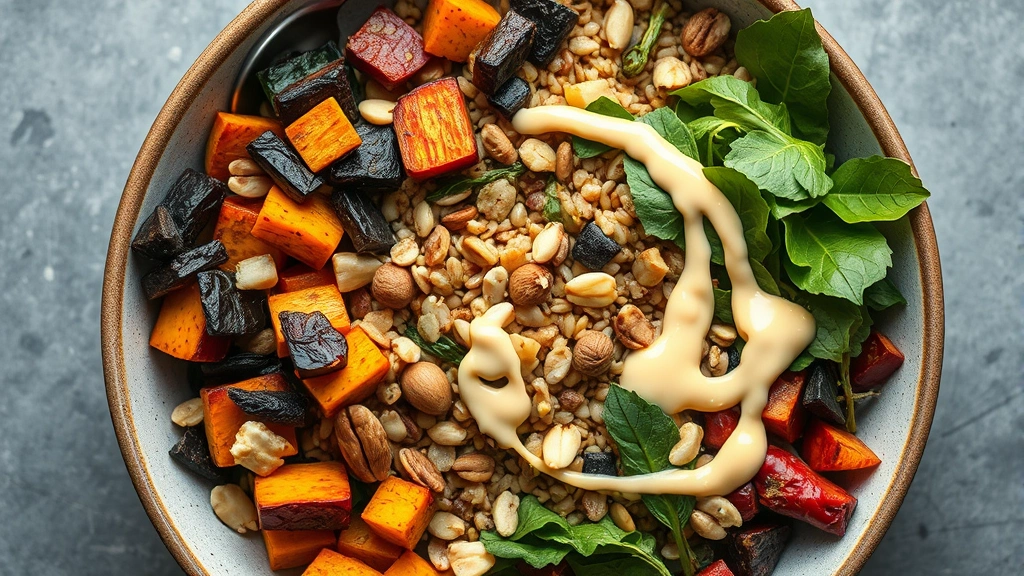
Grain-based salads and bowls have also become increasingly sophisticated. Rather than the tired iceberg-and-vinaigrette formula, contemporary vegan casual dining features carefully composed plates where grains like farro, barley, or ancient varieties of rice provide nutty, chewy foundations. These are dressed with bold vinaigrettes featuring ingredients like pomegranate molasses, aged balsamic, or miso-based dressings. Roasted or raw vegetables add textural contrast, while nuts, seeds, and fermented elements contribute complexity.
Ingredient Sourcing and Sustainability
One of the most compelling aspects of NYC’s vegan restaurant scene is the obsessive attention to ingredient sourcing. Many chefs view veganism not merely as a dietary choice but as an expression of environmental stewardship and community connection. This philosophy manifests in direct relationships with farmers, participation in farmers’ markets, and seasonal menu planning that responds to what’s available at peak ripeness and flavor.
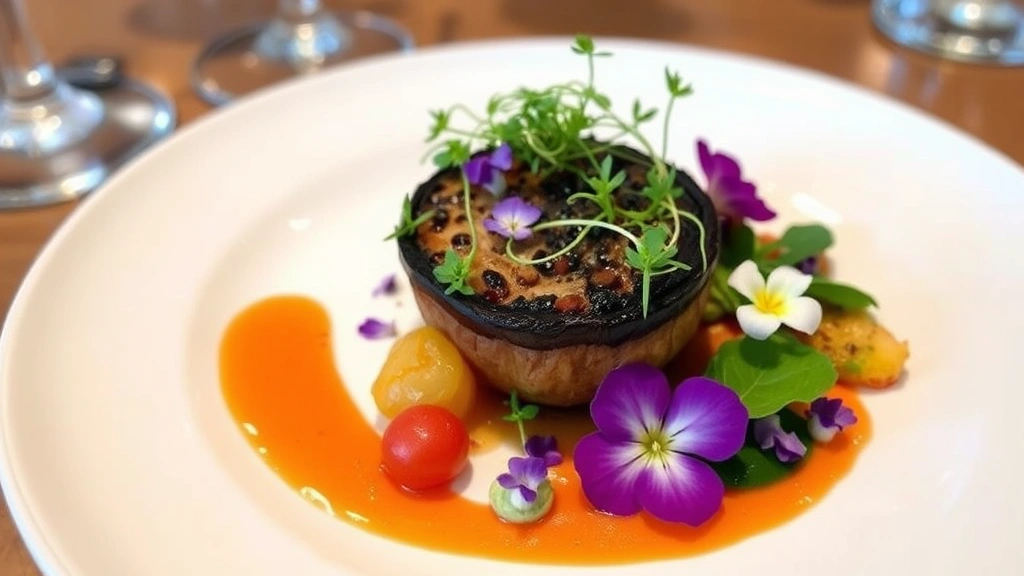
The best vegan restaurants in the city work with local farmers and foragers to source ingredients that would otherwise go unnoticed. Heirloom vegetable varieties, foraged mushrooms, wild herbs, and edible flowers appear on menus precisely because chefs have built relationships with the people growing and gathering them. This approach ensures not only superior flavor—ingredients picked at peak ripeness and transported minimal distances—but also supports agricultural diversity and small-scale farming.
Fermentation plays a crucial role in many vegan kitchens, serving both practical and flavor-enhancing purposes. Fermented vegetables provide probiotics and complex flavors, while fermented grains improve digestibility and add depth. Miso, tempeh, and other fermented soy products deliver the umami intensity that gives vegan dishes their savory satisfaction. Chefs who understand fermentation can create condiments and bases that elevate entire menus.
The sustainability narrative extends beyond ingredient selection to waste reduction and energy efficiency. Many leading vegan restaurants have implemented comprehensive composting programs, vegetable scrap broths that become the foundation for future dishes, and cooking techniques that maximize yield while minimizing waste. This circular approach to cooking represents a philosophical alignment between the cuisine and environmental responsibility.
The Science Behind Plant-Based Umami
Understanding umami—the savory fifth taste—is essential to appreciating why sophisticated vegan cuisine satisfies on such a profound level. Umami comes from glutamates and nucleotides like inosinate and guanylate, compounds found abundantly in both animal and plant sources. The most umami-rich plant foods include aged Parmesan (though vegan versions exist), tomatoes, mushrooms, soy products, nutritional yeast, and seaweed.
When a chef combines multiple umami sources—say, a miso-based broth with shiitake mushrooms, kombu, and fermented black beans—the effect is synergistic. The glutamates from miso interact with the nucleotides from the mushrooms to create a savory intensity that exceeds what any single ingredient could provide. This is why the best vegan umami experiences come from layering techniques and ingredient combinations rather than seeking a single substitute.
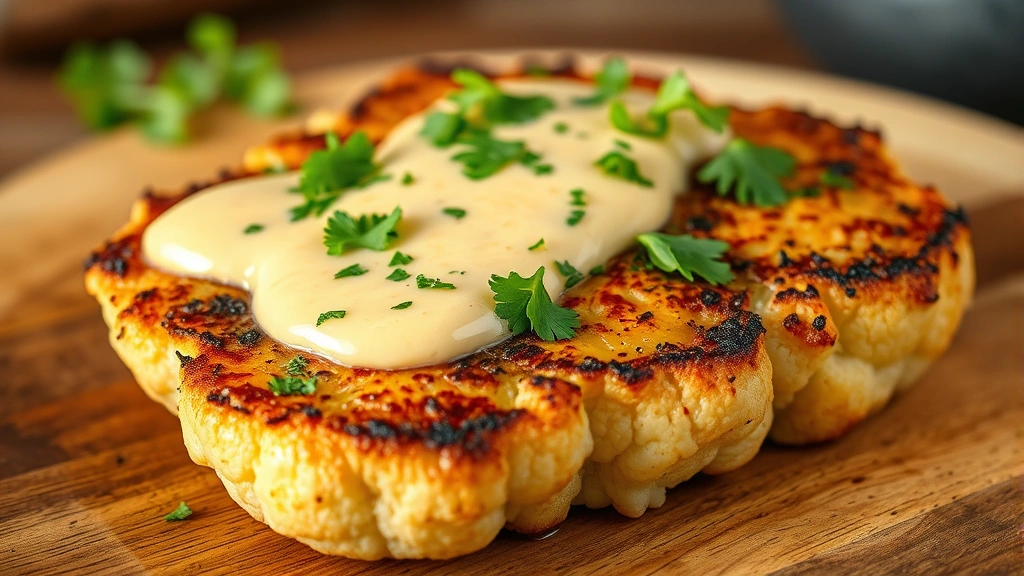
The Maillard reaction, which occurs when amino acids and reducing sugars interact at high temperatures, is another crucial tool in the vegan chef’s arsenal. Properly seared vegetables develop complex, savory flavors through this chemical process. A charred mushroom cap, a well-caramelized onion, or a crust-seared piece of cauliflower all benefit from Maillard chemistry that creates depth and complexity independent of animal products.
For deeper understanding of flavor science and culinary technique, resources from institutions like the Institute of Culinary Education and research from Flavor Science Research Labs provide valuable insights into how chefs manipulate ingredients at a molecular level to achieve desired sensory outcomes.
Pairing Wines with Vegan Cuisine
Wine pairing with vegan cuisine requires rethinking traditional approaches. The absence of animal protein means sommeliers must consider how wines interact with vegetable-forward dishes, fermented elements, and umami-rich preparations in new ways. The best wine pairings for vegan menus often come from wines that themselves possess vegetative or mineral qualities that echo the food.
Aromatic white wines—Rieslings, Gewürztraminers, and Albariños—work beautifully with spiced vegetable dishes, providing floral and fruity notes that complement rather than compete. Mineral-driven whites like Chablis or Muscadet pair exceptionally well with umami-forward preparations, as their acidity and stoniness provide textural contrast to savory depth.
Light to medium-bodied reds often outperform heavier styles with vegan cuisine. A Pinot Noir’s delicate tannins and bright acidity complement roasted vegetables without overwhelming them. Gamay, Barbera, and other wines with lower tannin levels and higher acidity work particularly well with grain-based dishes and fermented preparations. The key is seeking wines with freshness and vibrancy rather than weight and extraction.
Sparkling wines and natural wines have become increasingly popular pairings with vegan menus. The effervescence and acidity of sparkling wines provide constant refreshment across multiple courses, while natural wines’ often-unconventional flavor profiles and lower sulfite levels can complement the innovative preparations characteristic of leading vegan restaurants.
Exploring Related Culinary Experiences
If you’re interested in expanding your vegan dining adventures beyond the city’s dedicated establishments, many traditional restaurants now offer sophisticated plant-based options. Regional cuisines like those showcased at Sonoma Restaurants often feature excellent vegetable-forward preparations. Additionally, if you’re planning special occasions, many restaurants featured in our guide to what restaurants are open on Thanksgiving now offer creative vegan tasting menus for holiday celebrations.
The vegan restaurant landscape in New York continues to evolve and expand. What began as a movement driven primarily by ethical considerations has matured into a genuine culinary discipline, with chefs competing to achieve the highest levels of flavor, technique, and creativity. These establishments prove conclusively that plant-based cooking represents not a compromise but a frontier of culinary innovation.
FAQ
What makes a vegan restaurant truly excellent?
Excellence in vegan restaurants stems from technical mastery, ingredient quality, and creative vision. The best establishments treat plant-based cooking as an art form requiring the same rigor as any classical cuisine. They source exceptional ingredients, understand flavor chemistry, employ advanced techniques, and create dishes that satisfy on every sensory level—not through substitution, but through genuine culinary innovation.
Are vegan fine dining experiences worth the investment?
Absolutely. The finest vegan tasting menus in New York compete with any Michelin-starred restaurant in terms of creativity, technique, and satisfaction. These experiences showcase what’s possible when chefs embrace the constraints and opportunities of plant-based cooking. The value lies not just in the meal itself but in experiencing the cutting edge of culinary innovation.
How do vegan restaurants achieve umami depth?
Umami comes from glutamates and nucleotides present in plants like mushrooms, tomatoes, soy products, and seaweed. Sophisticated vegan chefs layer multiple umami sources, employ fermentation to intensify flavors, and use the Maillard reaction through proper searing and charring techniques. The result is savory satisfaction equal to or exceeding traditional preparations.
What wines pair best with vegan cuisine?
The best pairings depend on the specific dishes, but generally, aromatic whites, mineral-driven whites, light to medium-bodied reds, and sparkling wines work exceptionally well. Look for wines with freshness, acidity, and vibrancy rather than weight. Natural wines and unconventional selections often provide exciting pairings with innovative vegan preparations.
How has NYC’s vegan scene evolved?
Over the past decade, vegan dining in New York has transformed from a niche market into a thriving culinary movement. What began with ethical motivations has matured into genuine culinary excellence, with chefs employing advanced techniques, sourcing exceptional ingredients, and creating dishes that challenge conventional notions of what plant-based cuisine can achieve. The scene now rivals traditional fine dining in sophistication and innovation.